











Safety ratings are the closest thing car shoppers have to an independent referee. They cut through marketing claims, reduce dozens of engineering decisions into a handful of letter grades and star counts, and increasingly influence which vehicles insurance companies prefer, which ones fleet buyers approve, and which ones command a resale premium. But the ratings also mislead buyers who read the headline grade without understanding what sits behind it — because the gap between “Good” and “Acceptable” on one IIHS test may matter far more than a one-star difference on an NHTSA overall score, and a 2026 Top Safety Pick+ is a radically stricter standard than the 2019 version of the same award.
This article covers both sides of the question: how to use the ratings as a practical shopping tool, and how to understand what the methodology actually captures (and doesn’t). It includes a dedicated section on the 2022–2026 updates both programs have pushed through, and a dedicated look at the EV-specific safety story — which is more complicated than either “EVs are safer” or “EVs are heavier and dangerous” headlines suggest.
Why Two Programs: The Different Missions of IIHS and NHTSA
The Insurance Institute for Highway Safety (IIHS) and the National Highway Traffic Safety Administration (NHTSA) are often cited together as if they ran parallel programs. They do not. Understanding the difference is the starting point for reading either set of ratings well.
NHTSA is a federal agency under the Department of Transportation, established in 1970, that sets and enforces vehicle safety regulations. Its New Car Assessment Program (NCAP) — the source of the familiar five-star ratings — exists to inform consumers about relative safety performance of new vehicles against baseline federal requirements. NHTSA’s regulations determine what every vehicle sold in the US must meet; the five-star program rates how well they go beyond that minimum.
IIHS is a private nonprofit funded by the auto insurance industry. Its mission is simple and self-interested: reduce the crashes that cost insurers money. Because IIHS doesn’t write regulations, it has pushed ratings methodology aggressively — introducing new tests whenever real-world claim data suggests existing tests are missing something. The side impact test IIHS updated in 2021, the small overlap frontal test it introduced in 2012, the headlight evaluations it added in 2016, and the pedestrian crash prevention test added in 2019 all exist because IIHS research identified gaps in NHTSA’s program.
The result is two ratings programs with different strengths. NHTSA ratings are more stable, more universal (nearly every vehicle sold gets rated), and backed by federal authority. IIHS ratings are more granular, test at higher speeds, cover more scenarios, and update faster when the data suggests methodology needs to evolve. Shoppers get the most reliable picture by consulting both.
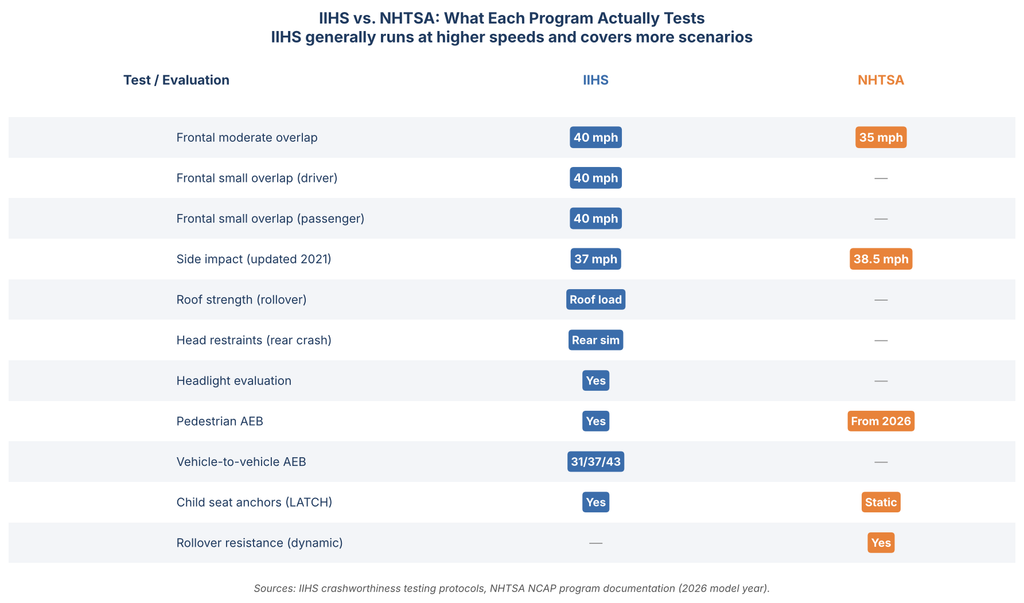
The gaps show up plainly in a side-by-side view. IIHS runs its frontal tests at 40 mph against NHTSA’s 35 mph — a difference that doesn’t sound dramatic but represents roughly 30% more crash energy. IIHS tests small-overlap front impacts on both the driver and the passenger sides; NHTSA doesn’t run small-overlap tests at all. IIHS evaluates headlight performance and vehicle-to-vehicle automatic emergency braking; NHTSA added pedestrian AEB only starting with the 2026 model year. NHTSA runs a dynamic rollover resistance test that IIHS replaces with a static roof-strength load evaluation.
IIHS Crashworthiness Tests: What They Actually Measure
IIHS evaluates vehicles in five crashworthiness tests, each rated Good, Acceptable, Marginal, or Poor. The grade on any single test matters, but the pattern across tests matters more.
Moderate overlap front: A 40 mph collision with 40% of the front of the vehicle striking a deformable barrier. This test has existed since the mid-1990s and is the closest IIHS equivalent to the classic frontal crash scenario. In 2022, the moderate overlap test was updated to specifically evaluate rear-seat passenger protection — a response to data showing rear-seat occupants were not benefiting from front-seat safety improvements at the same rate.
Small overlap front: A 40 mph collision where only 25% of the front strikes a rigid barrier — simulating a crash where the vehicle clips the corner of another vehicle, a tree, or a pole. Introduced in 2012, it immediately exposed structural weaknesses in vehicles that scored well on the moderate overlap test, because small-overlap crashes bypass the main structural crumple zones. IIHS runs this test on both driver and passenger sides as of 2017; a vehicle that performs well on one but poorly on the other suggests the engineering focus went to the driver’s side only.
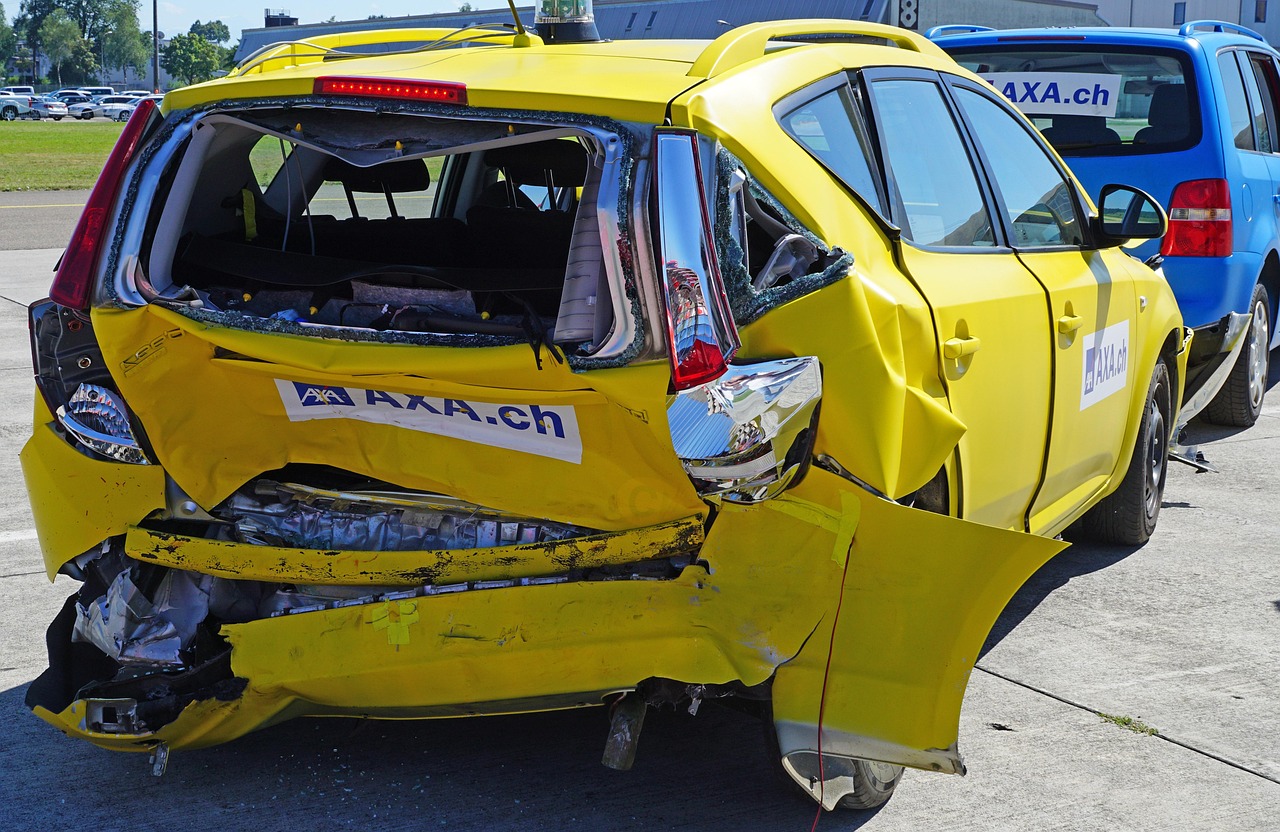
Side impact: A simulated T-bone collision where a 4,200-pound sled strikes the vehicle’s side at 37 mph (updated from 31 mph in 2021). The updated test is roughly 82% more severe in energy terms than the original. Many vehicles that earned Good ratings on the original test earned Marginal or Poor on the first round of updated testing.
Roof strength: A static load applied to the vehicle’s roof, measured against a strength-to-weight ratio target. This test correlates with rollover protection, though it does not simulate an actual rollover.
Head restraints and seats: Evaluates how well the seat and head restraint prevent whiplash injury in a simulated rear-impact scenario.
The award structure stacks these: Top Safety Pick requires Good ratings on small overlap and side impact, Acceptable or Good on the moderate overlap test (tightened to Good-only for 2026), plus Acceptable or Good headlights on all trims of the vehicle. Top Safety Pick+ layers on stricter crash-avoidance requirements.
IIHS Crash Avoidance: The Rapidly Expanding Side
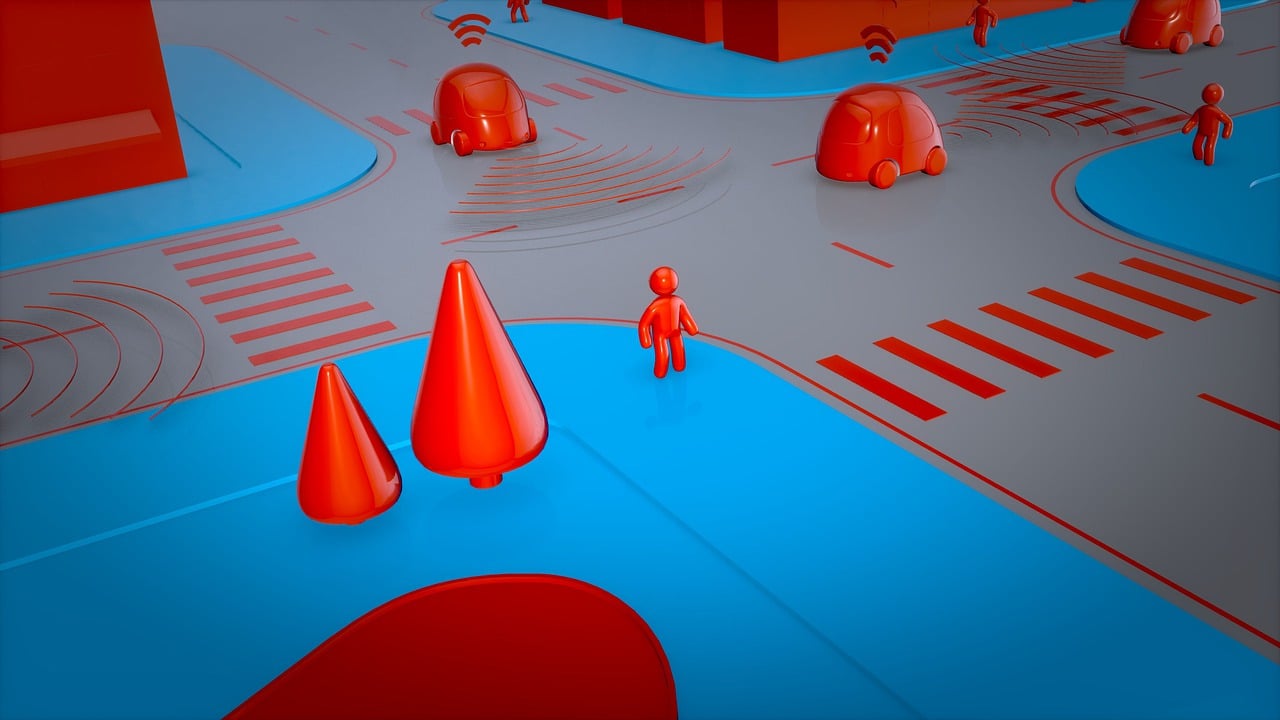
For most of the IIHS program’s history, crashworthiness — how a vehicle protects occupants in a crash — was the headline. Over the last six years, crash avoidance has become equally weighted. The reasoning is simple: a crash that doesn’t happen injures nobody.
Vehicle-to-vehicle automatic emergency braking (V2V AEB): Introduced in its updated 2024 form, this test runs at 31, 37, and 43 mph against three different target types — a passenger car, a motorcycle, and a semitrailer. Over 70% of 2025 model-year vehicles tested earned Acceptable or Good ratings; over 77% of 2026 models meet that standard. The test replaced an earlier lower-speed rear-end AEB evaluation that nearly every vehicle passed.
Pedestrian automatic emergency braking: Evaluates the system’s ability to detect and brake for an adult pedestrian stepping into traffic and a child running from between parked cars, in both daylight and darkness. TSP+ as of 2026 requires a Good rating on this test; TSP requires Acceptable or Good.
Headlights: Introduced in 2016 after IIHS research found that some luxury vehicles’ standard halogen headlights actually underperformed much cheaper vehicles’ LED systems in real-world visibility. The ratings go from Good to Poor and must apply to all trim levels — a vehicle whose top trim has excellent LED headlights but whose base trim has mediocre halogens will not qualify for a TSP or TSP+ award under current rules.
The 2026 criteria tightening — requiring Good on the moderate overlap front test (up from Acceptable), Acceptable or Good on V2V AEB (new requirement for TSP+), and Good on pedestrian AEB for TSP+ — meaningfully narrowed the field. The result is that 63 vehicles qualified in the initial 2026 awards (45 TSP+, 18 TSP), compared with 48 at the same point a year earlier. That’s growth despite stricter requirements, because manufacturers have been engineering specifically to the IIHS criteria.
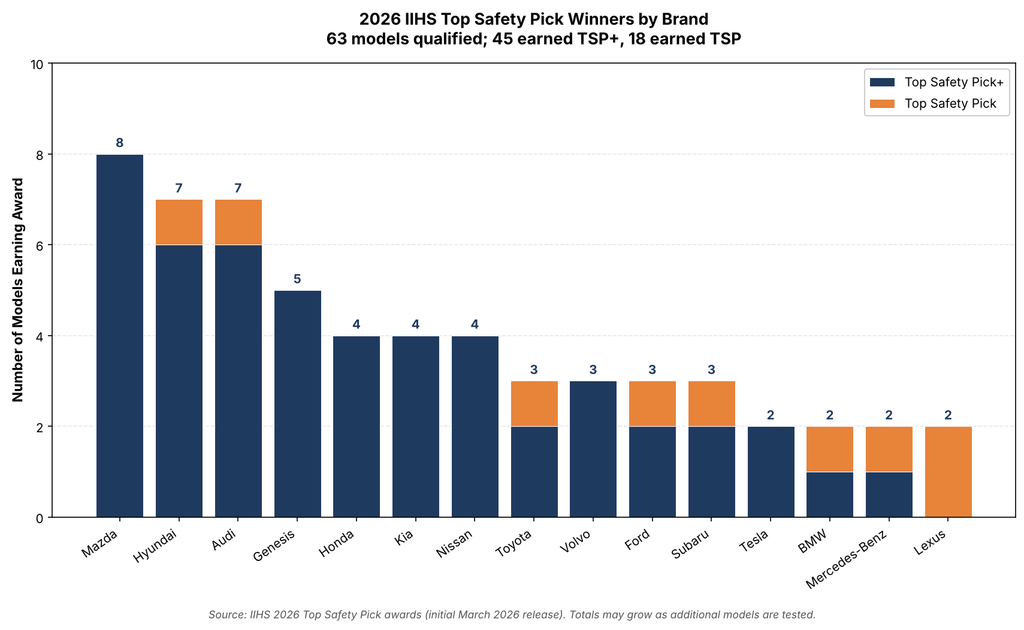
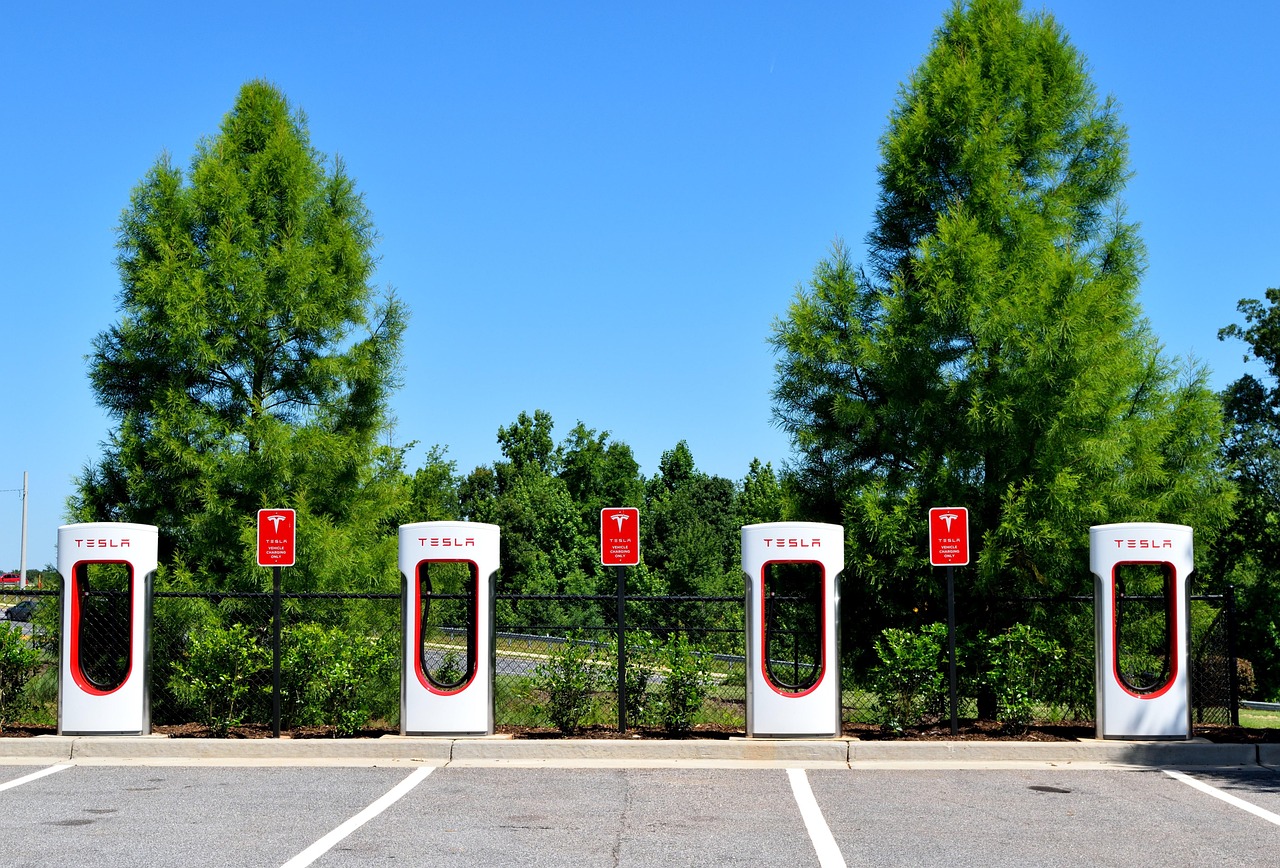
Mazda leads the 2026 awards with 8 TSP+ wins — zero TSP, all top tier. Hyundai and Audi tie for second with 7 each. Genesis (5), Honda, Kia, and Nissan (4 each), Toyota and Volvo (3 each) round out the top brands. Tesla earned 2 TSP+ awards including the Cybertruck, which is notable: large pickups rarely qualify, and only the Cybertruck and Toyota Tundra crew cab made the cut among the segment.
NHTSA’s Five-Star System: Government Ratings in Transition
NHTSA’s NCAP program rates vehicles from one to five stars based on three primary tests: frontal crash at 35 mph into a rigid barrier, side impact at 38.5 mph, and dynamic rollover resistance (measured by a vehicle’s static stability factor and a fishhook maneuver test). An overall rating combines all three.
The strength of the NHTSA system is coverage. Nearly every new vehicle sold in the US gets rated, which makes NHTSA the only source for star ratings on many low-volume or commercial-grade vehicles that IIHS doesn’t test. The weakness, historically, has been that the program evolved slowly — the core crashworthiness tests had not been meaningfully updated since 2011, during a period when IIHS added small overlap, side impact updates, headlight ratings, V2V AEB, and pedestrian AEB.
That is changing. In 2024, NHTSA finalized significant updates to NCAP, which take effect starting with the 2026 model year. The updates include:
- Pedestrian automatic emergency braking testing
- Lane keeping assist evaluation
- Blind spot warning evaluation
- Blind spot intervention evaluation
- Tightened performance criteria for existing AEB testing
- A new crashworthiness pedestrian protection program evaluating front-end design for pedestrian injury reduction
The 2026 Tesla Model Y became the first vehicle to pass NHTSA’s new eight-part ADAS safety benchmark under the updated protocols. The implementation timeline has had setbacks — NHTSA announced delays in late 2025 on some ADAS-focused rating components — but the trajectory is toward a program that looks substantially more like IIHS’s methodology than the pre-2024 version did.
A longer-term NHTSA roadmap includes planned updates for cyclist and motorcyclist protection, a revamped rating display system, and crashworthiness and crash-avoidance evaluations tailored to newer vehicle categories. The upshot: shoppers in 2026 and beyond should expect both rating programs to evolve more actively than they did during the 2010s.
How the Methodology Has Changed, 2022–2026
The single most useful thing a shopper can know about safety ratings is that the standard behind a given grade has moved significantly in the last four years. A vehicle that earned 2020 Top Safety Pick+ would not necessarily qualify for the 2026 award under current criteria, and comparing older used vehicles to new ones using the same label is misleading.
Key changes since 2022:
- IIHS moderate overlap front test (2022): Updated to evaluate rear-seat passenger protection, added dummy in rear seat. Several vehicles with Good front-seat ratings earned Marginal or Poor rear-seat ratings on first testing.
- IIHS side impact test (2021): Upgraded barrier weight and speed to simulate the energy of a modern SUV hitting a passenger car. Many previously Good-rated vehicles dropped to Acceptable or worse.
- IIHS V2V AEB (2024): Replaced the simpler rear-end test with a more complex three-speed, three-target protocol.
- IIHS pedestrian AEB (2019, tightened 2024): New test for pedestrian detection and braking.
- IIHS headlight evaluation (expanded 2020): Required to apply to all trims of a vehicle, not just the top trim.
- IIHS 2026 TSP/TSP+ criteria: Raised the floor on moderate overlap test (Good required for both awards), added V2V AEB requirement for TSP+, tightened pedestrian AEB requirement.
- NHTSA NCAP updates (effective 2026): Added four new ADAS evaluation categories, pedestrian protection program, tightened AEB criteria.
The practical implication: a 2019 vehicle that earned “Top Safety Pick+” is not equivalent to a 2026 vehicle with the same badge. The newer badge represents demonstrably more rigorous performance across more scenarios. For used-car shoppers, the specific test results under the year the vehicle was tested matter more than the award label. The Used Car Reliability by Region article covers other considerations when evaluating older vehicles.
EV Safety: The Occupant Advantage and the Weight Problem
Electric vehicles present a safety story that neither rating program fully captures, because both programs evaluate occupant protection without directly measuring the risk a vehicle poses to other road users.
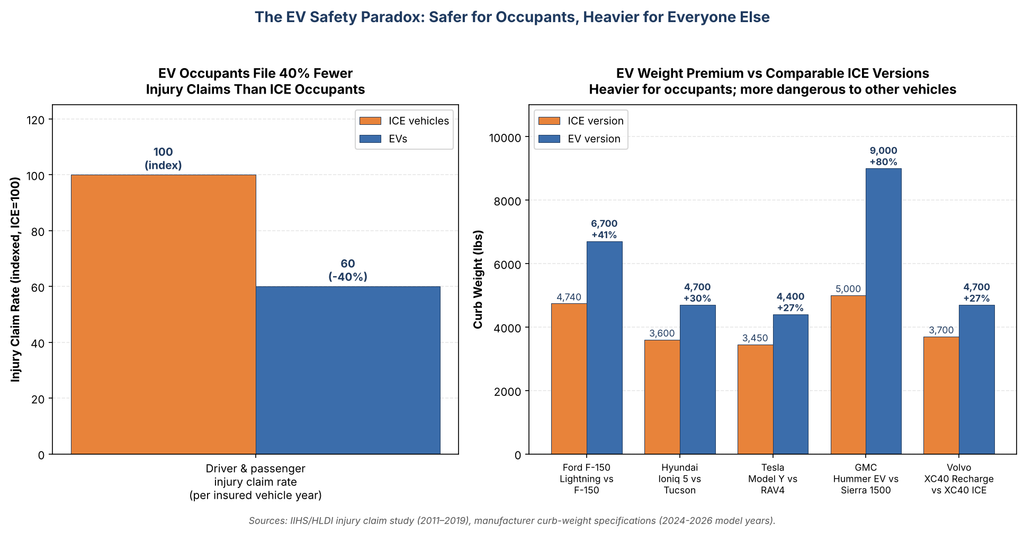
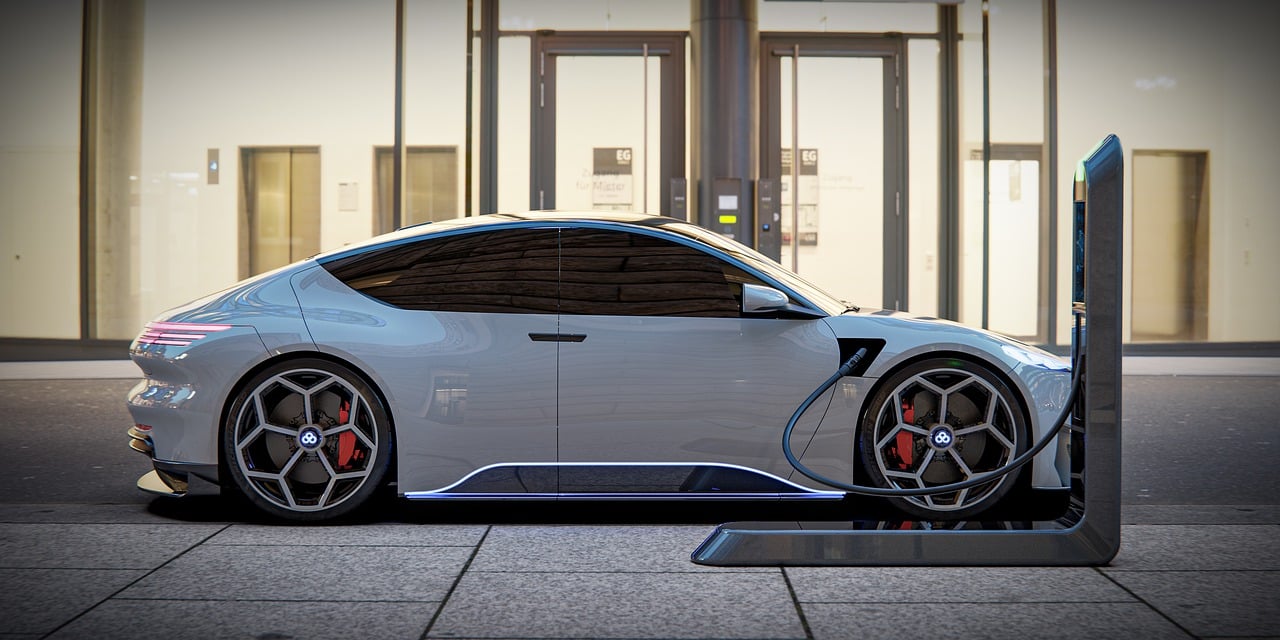
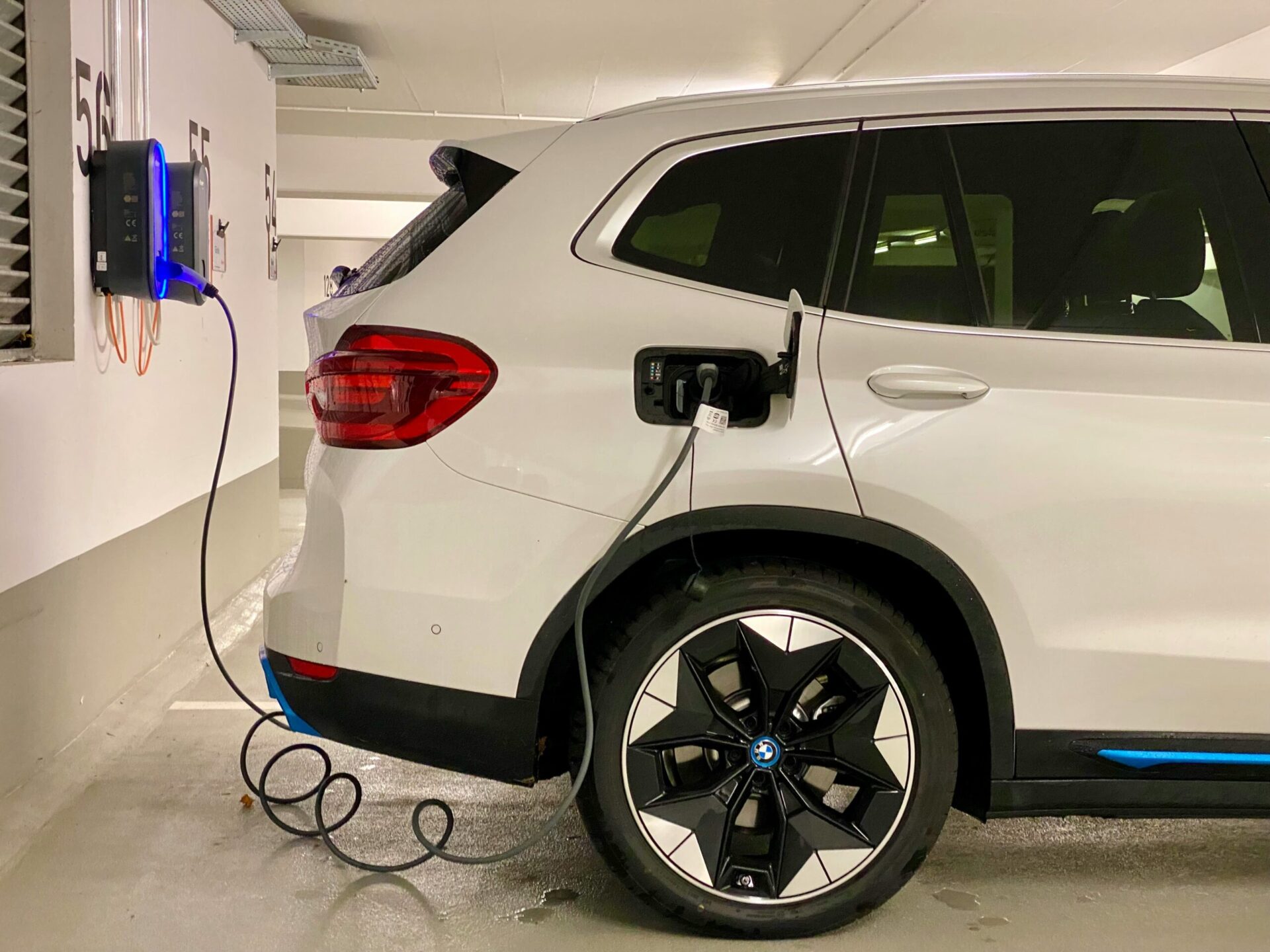
The occupant advantage is real and large. A Highway Loss Data Institute study (IIHS-affiliated) covering insurance claims from 2011 to 2019 found injury claim rates for EV drivers and passengers were approximately 40% lower than for comparable gasoline vehicles. The IIHS attributes this primarily to vehicle weight — EV battery packs add 1,000 to 2,000 pounds to the curb weight compared with equivalent ICE versions, and in a crash, the heavier vehicle’s occupants decelerate less violently. Low center of gravity (the battery pack sits below the floor) also dramatically reduces rollover risk, which is why EV SUVs often outperform their ICE counterparts in rollover-related metrics.
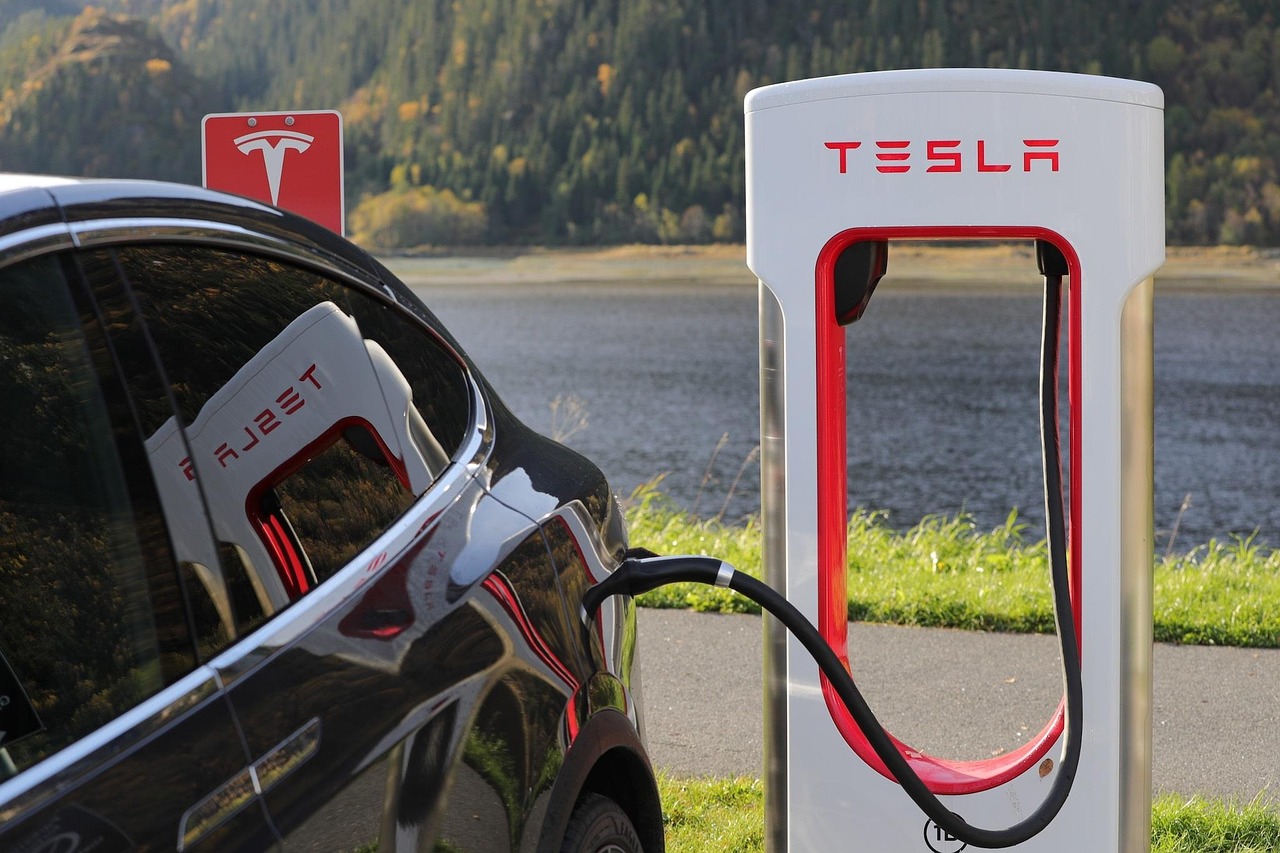
In IIHS Top Safety Pick evaluations, EVs have performed exceptionally well. The Tesla Model Y, Model 3, and Cybertruck have all earned TSP+ designations. The Volvo XC40 Recharge, Hyundai Ioniq 5 and Ioniq 6, Kia EV6 and EV9, Genesis Electrified GV70, Ford Mustang Mach-E, and Rivian R1S have earned top ratings. The How EV Thermal Management Affects Performance article covers how battery thermal systems also play a role in crash safety — managing pack temperature during an impact event is a design consideration unique to EVs.
The weight problem is also real. A Ford F-150 Lightning weighs roughly 6,700 pounds compared to about 4,740 for a comparable gasoline F-150 — a 41% weight increase. A GMC Hummer EV approaches 9,000 pounds, nearly double the weight of a comparable ICE Sierra 1500. Even smaller EVs like the Hyundai Ioniq 5 weigh about 30% more than a comparably-sized Tucson.
The physics problem is that in a two-vehicle collision, kinetic energy is transferred disproportionately to the lighter vehicle. IIHS research on vehicle size and weight has consistently found that heavier vehicles offer diminishing marginal benefits to their own occupants while substantially increasing risk to occupants of lighter vehicles they collide with. The arrival of 6,000-to-9,000-pound EV SUVs and trucks is adding a new dimension to that research. IIHS has flagged heavy EVs as a concern for other road users, even as it documents strong single-vehicle safety performance for the EVs themselves.
Battery crash safety is managed primarily at the regulatory level rather than through the star-rating programs. Federal Motor Vehicle Safety Standards (FMVSS 305) govern high-voltage battery protection in crashes. Real-world data suggests EV fire risk per vehicle-mile is lower than for gasoline vehicles, though EV fires are harder to extinguish when they do occur and have attracted disproportionate media attention. The How Extreme Temperatures Affect EV Battery Health article covers related battery integrity topics.
The honest summary is that EV occupants are statistically safer than ICE occupants in crashes, but the EV weight trajectory is making other road users measurably less safe — a tradeoff that neither current rating program directly addresses.
How to Actually Use the Ratings When Shopping
With the methodology grounded, the practical shopping use becomes clearer. A few rules of thumb that hold up across most shopping situations:
- Prioritize IIHS Top Safety Pick+ as the most stringent single standard currently available. A vehicle that qualifies for TSP+ under 2026 criteria has demonstrated Good ratings across all crashworthiness tests, Good on pedestrian AEB, Acceptable or Good on V2V AEB, and Acceptable or Good headlights on all trims. That is a high bar.
- Use NHTSA’s five-star rating as a floor, not a ceiling. A four-star NHTSA rating is a meaningful concern; a five-star rating is table stakes rather than a differentiator. Modern vehicles almost all earn four or five stars overall, so the NHTSA rating is most useful for flagging the exceptions.
- Check sub-ratings, not just overall scores. A five-star overall NHTSA rating can hide a four-star frontal crash result; a Top Safety Pick (not +) can indicate the vehicle missed a specific AEB test that matters to you.
- Headlight ratings matter more than most shoppers realize. If you drive mostly in dark or rural conditions, the difference between Good and Marginal headlights is more consequential than a one-level difference on most crash tests.
- AEB sophistication varies widely by manufacturer. Two vehicles can both have “automatic emergency braking” and perform differently by a factor of two in avoidance speeds. The IIHS crash-avoidance ratings expose those differences; the marketing brochures usually don’t.
- For the used market, look up the specific results from the year the vehicle was tested — not just whether it earned an award label. A 2017 Top Safety Pick+ was tested against very different criteria than a 2026 one.
- Consider the specific scenarios you actually face. A commuter in dense urban traffic benefits most from pedestrian AEB and side-impact performance. A rural driver on dark roads benefits most from headlight ratings and animal-detection AEB. A frequent highway driver benefits most from lane-keeping and adaptive cruise control quality.
The Should You Trust Tech in First-Year Car Models article covers the related question of how new safety tech performs in its first production year, and the Which Factory-Order Options Are Worth It piece discusses which safety packages reliably deliver value.
The Limits of Crash-Test Ratings
Crash-test ratings are the best independent safety signal available to shoppers, but they aren’t the complete picture. A few things ratings don’t capture:
They don’t measure real-world driver behavior interactions. A vehicle with excellent AEB but a confusing driver interface may see owners disable or ignore the safety systems. They don’t measure how well a safety feature works in rare conditions — extreme weather, animal strikes, unusual intersection geometries — that fall outside the standardized test protocols. They don’t measure long-term reliability of safety systems; a radar sensor that degrades after 60,000 miles produces different real-world outcomes than its first-year test suggests. They don’t fully measure the safety implications of vehicle weight on other road users, as the EV weight discussion above illustrates.
Real-world fatality and injury data — collected and analyzed by IIHS and the Fatality Analysis Reporting System (FARS) at NHTSA — ultimately validates or contradicts the test ratings years later. The current generation of vehicles with Top Safety Pick+ awards is showing fatality rates roughly 40% lower than vehicles from a decade ago, which suggests the methodology is capturing real differences. But no single rating system is comprehensive, which is why the strongest signal comes from consulting both programs and looking at the specific test results rather than just the summary badges.
The Takeaway
IIHS and NHTSA ratings are worth more than most shoppers get out of them, but they require reading at least one level below the headline. IIHS Top Safety Pick+ under 2026 criteria is a materially stricter standard than the same award from five years ago, which makes direct cross-generational comparisons misleading. NHTSA’s five-star system has been playing catch-up with IIHS methodology and is now finally incorporating pedestrian AEB, blind-spot evaluation, and lane-keeping into its program. And the EV safety story — strong occupant protection, strong rollover performance, significant weight impact on other road users — sits awkwardly across both frameworks because neither directly measures crash compatibility.
For a buyer, the best practice is simple. Check both IIHS and NHTSA results. Read the specific test grades, not just the award label. Pay particular attention to the tests that match the driving you actually do. And for used vehicles, remember that older awards came from easier tests. The ratings are a strong tool when used that way, and a weak one when used as a single-number shortcut.
External Sources
- IIHS — 2026 Top Safety Pick Awards
- IIHS — IIHS Pushes Improvements in Crash Avoidance with 2026 Awards
- NHTSA — New Car Assessment Program (NCAP)
- Car Pro — NHTSA Finalizes Updates to 5-Star Ratings Program
- KBB — Tesla Model Y First to Pass NHTSA’s New Safety Testing
- IIHS — Supersizing Vehicles Offers Minimal Safety Benefits but Substantial Dangers
- IIHS — As Heavy EVs Proliferate, Their Weight May Be a Drag on Safety
- Benzinga — IIHS Study on EV vs Gas Car Safety
- CleanTechnica — Electric & Hybrid Cars Have Better IIHS Safety Ratings Than Gasmobiles
- Consumer Reports — Updates to Five-Star Safety Ratings
- EE Power — Are EVs Safer Than Tests Imply?
- WardsAuto — IIHS Top Safety Pick Awards 2026 Winners Announced
- The ChargePort — EV Safety Ratings 2026: NHTSA & IIHS Compared Honestly















Leave a Reply
You must be logged in to post a comment.