




















When EV buyers compare specs, they focus on the headline numbers: range, horsepower, 0-60 time, peak charging speed. What they rarely see on the window sticker is the system that quietly determines whether any of those numbers can be repeated in the real world. Thermal management — the engineering system that controls how heat is generated, moved, and dissipated across the battery pack, motors, power electronics, and cabin — is the invisible variable that separates EVs that live up to their marketing from EVs that don’t.
A 2026 Tesla Model S Plaid can run 0-60 in 1.99 seconds. But can it do it ten times in a row at a drag strip? A Hyundai Ioniq 5 can charge at 235 kW on paper. But can it still charge that fast on the fourth consecutive fast-charging stop during a 1,000-mile road trip? A Ford F-150 Lightning can tow 10,000 pounds. But can it tow that load for three hours up a Rocky Mountain grade without derating? The answer in every case depends on thermal management.
This guide covers what thermal management actually does, why it’s the hidden performance ceiling on every EV, how the major manufacturers differ, and what buyers should look for when shopping an EV where real-world performance matters more than brochure specs.
What Thermal Management Actually Controls
Modern EV thermal management is an integrated system that coordinates temperature across four major domains simultaneously:
Battery pack. The largest, most important, and most temperature-sensitive component. Lithium-ion cells have a narrow preferred operating window — typically 15-35°C (59-95°F) according to industry consensus and Wevolver’s 2026 engineering review. Outside that window, every aspect of performance suffers.
Electric motors. EV motors produce less waste heat than internal combustion engines, but they produce it in concentrated bursts. Hard acceleration, high-speed cruising, towing, and sustained climbing all generate significant motor heat. Without adequate cooling, motors derate — reducing available torque to prevent damage.
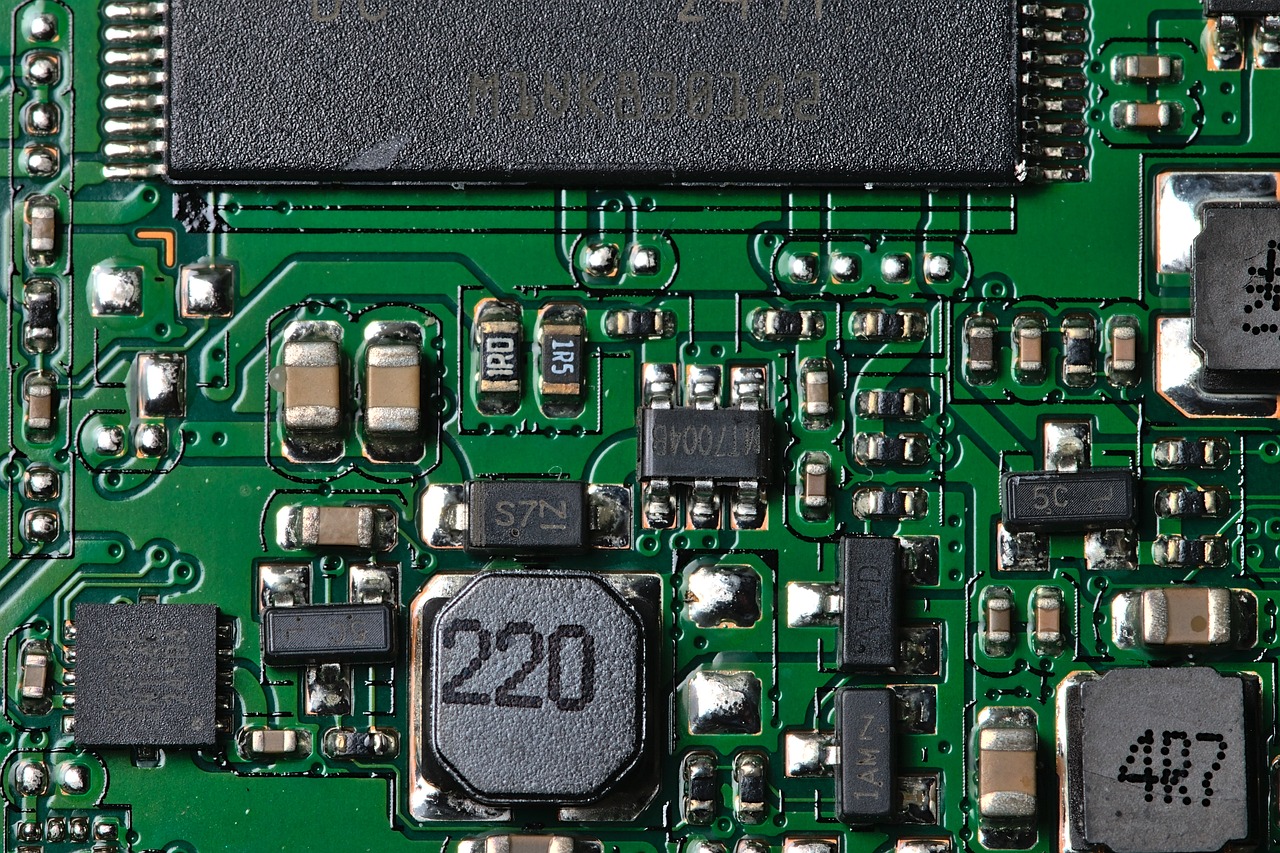
Power electronics. The inverter, DC-DC converter, and onboard charger all generate heat under load. Modern silicon carbide (SiC) inverters run hotter than older IGBT designs, trading efficiency for a thermal management challenge.
Cabin HVAC. Keeping occupants comfortable in extreme weather draws significant energy, especially in cold climates where traditional resistive heaters consume 3-5 kW. Heat pumps have become standard on premium EVs because they dramatically reduce cabin heating energy consumption — at the cost of some performance in very cold weather.
Older EVs managed these systems independently. Modern EVs integrate them. Tesla’s famous “octovalve” — a single component that routes coolant between the battery, motors, power electronics, and cabin — allows waste heat from one subsystem to warm another, dramatically improving efficiency. Rivian uses a similar valve-controlled multi-state routing architecture. Hyundai, Kia, and most mainstream manufacturers have followed with their own integrated designs.
Why Battery Temperature Controls Everything
The battery’s operating temperature is the single largest variable in every EV performance metric. The relationship isn’t subtle — it’s the dominant factor in power output, charging speed, and long-term degradation all at once.
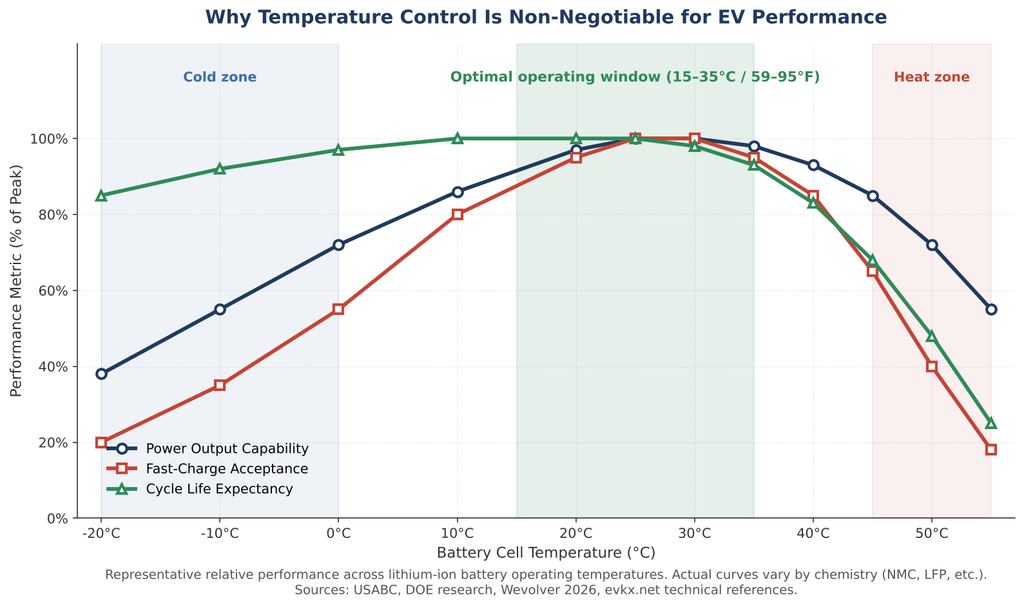
Three distinct performance metrics all peak in roughly the same narrow temperature window and fall off sharply outside it:
Power output capability — how much energy the pack can discharge per unit time, which determines acceleration and top-speed sustainability. At -20°C, a battery delivers roughly 38% of its peak power capability. At 25°C, it delivers 100%. At 55°C, back down to 55%. This is why EV launch control is often disabled below certain temperatures and why Tesla’s “Battery Below Preferred Temperature” warning in cold weather locks you out of Ludicrous mode.
Fast-charge acceptance — how quickly the pack can absorb energy during DC fast charging. Cold batteries charge painfully slowly; a 2024 study documented a Tesla Model 3 charging at 25 kW instead of its usual 250 kW when the pack was at -10°C. Hot batteries charge faster initially but risk long-term damage, which the BMS prevents by throttling. The narrow charging sweet spot is roughly 25-35°C.
Cycle life expectancy — how many charge cycles the pack delivers before meaningful capacity loss. Cycle life degrades exponentially with temperature (an Arrhenius relationship). A battery operating at 45°C loses capacity roughly 2x faster than the same battery at 25°C. Operating at 55°C can cut useful life to a quarter of what it would be at 25°C.
The engineering target of every thermal management system is to keep the pack inside that narrow optimal window regardless of ambient conditions, driver behavior, or charging scenario. That turns out to be surprisingly difficult — and the different ways manufacturers solve it produce dramatically different real-world experiences.
Cooling Architectures and What They Mean for Owners
Three dominant cooling philosophies exist in today’s EV market:
Air cooling. Older Nissan Leaf models (pre-2026), early Chevy Bolts, and some low-cost EVs use passive or forced-air cooling of the battery pack. Air cooling is cheap and simple but cannot extract heat quickly enough for repeated high-power demands. Air-cooled packs lose range in heat, degrade faster, and lose charging speed within the first fast-charging session. The approach survives on cost-constrained vehicles where sustained performance isn’t the selling point, but it’s rapidly disappearing from the mainstream market.
Liquid cooling (indirect). The dominant modern approach: a water-glycol coolant flows through plates in contact with battery modules, carrying heat to a radiator or chiller. Tesla, Hyundai/Kia (Ioniq 5, Ioniq 6, EV6, EV9), Ford Lightning and Mustang Mach-E, Rivian R1T/R1S, most BMW and Mercedes EVs, Lucid Air, and virtually every premium EV use some variant of liquid cooling. The specific implementation varies considerably — serpentine cold plates, cell-side cooling, end-of-cell cooling — each with its own tradeoffs for thermal uniformity (keeping every cell at the same temperature) and extraction rate (how quickly heat can be removed under load).
Direct refrigerant cooling. BMW pioneered this approach in the i3 and later i4/iX, directing the HVAC refrigerant circuit through the battery pack. The advantage is faster heat extraction than water-glycol; the disadvantage is complexity and maintenance cost. A hybrid version — refrigerant-to-coolant exchangers — has become more common, letting the pack use coolant in normal operation and refrigerant chilling when extra cooling is needed.
Integrated heat-pump systems. The most sophisticated modern EVs use a heat pump that can both heat and cool the cabin, battery, and electronics, moving waste heat wherever it’s useful. Tesla’s integrated thermal management and heat pump (introduced on the Model Y and now across the lineup), Hyundai’s heat pump option on the Ioniq 5 N-Line, and the Lucid Air’s thermal system all share this philosophy. The result: significantly better cold-weather range than resistive-heater equivalents and better battery preconditioning for fast charging.
For deeper coverage of how cooling architecture interacts with extreme weather, see our breakdown of how extreme temperatures affect EV battery health.
Preconditioning: The Feature That Separates Good Systems From Great Ones
Battery preconditioning is the single most important modern software feature in EV thermal management. The concept is simple: when the vehicle knows you’re about to fast-charge, it uses energy from the pack to heat (or cool) the battery to its optimal charging temperature before you plug in.
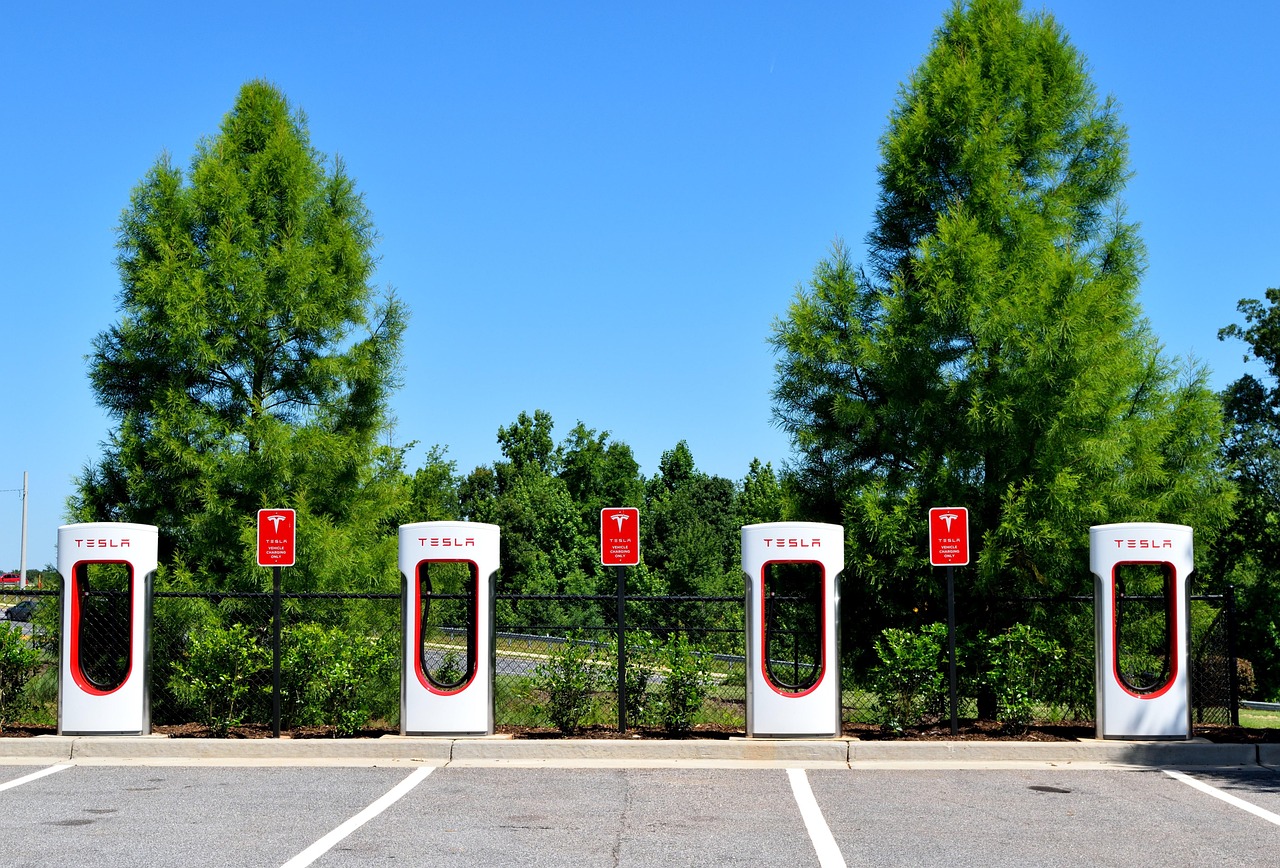
The impact is dramatic. A 2026 Tesla Model Y arriving at a Supercharger with a cold battery charges at perhaps 50-70 kW. The same vehicle arriving after 15 minutes of preconditioning — enabled automatically when you navigate to a Supercharger — charges at its full 250 kW peak. The difference between a 25-minute and a 55-minute charging stop is almost entirely preconditioning.
Current-generation preconditioning varies in sophistication:
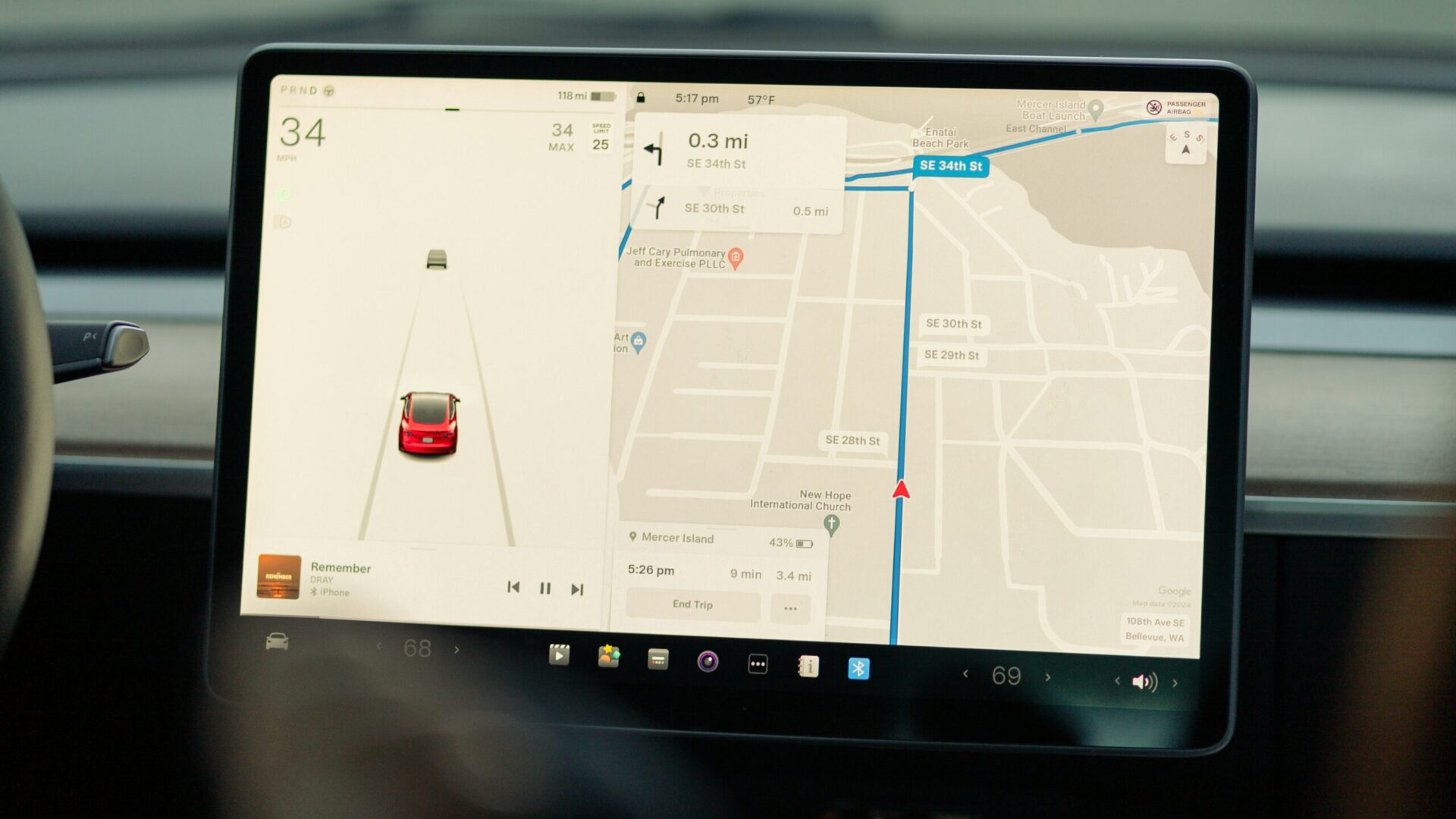
- Tesla: Fully automatic when the navigation system is routed to a Supercharger. No user intervention required. The vehicle calculates distance to the charger and begins heating or cooling the pack at the optimal time.
- Hyundai/Kia (Ioniq 5, Ioniq 6, EV6, EV9): Available via a manual toggle in the vehicle menu. Requires the driver to enable it before arriving at the charger. Automatic triggering via navigation was added to 2025+ model years for some markets.
- Ford (Mustang Mach-E, F-150 Lightning): Navigation-triggered preconditioning was added via OTA update in 2024-2025. Earlier vehicles required manual activation through the charging app.
- Rivian R1T/R1S: Automatic preconditioning when routed to a DC fast charger via the Rivian navigation system.
- GM (Cadillac Lyriq, Blazer EV, Equinox EV): Later to arrive than competitors; 2025+ software adds automatic preconditioning for Ultium-platform vehicles.
- Older EVs without preconditioning: Owners face the full cold-battery charging penalty and must manually plan their routes to allow battery warmup on the highway before fast-charging.
Preconditioning has quietly become one of the most important features to shop for in a 2026+ EV. Without it, published charging specs are achievable only in ideal conditions — and road trip reality means hitting those specs rarely.
Fast-Charging Repeatability: The Real Road-Trip Test
Published peak charging speeds are advertised figures. What matters on a road trip is whether an EV can hit those speeds repeatedly during a day of driving. Here’s where thermal management shows its real character:
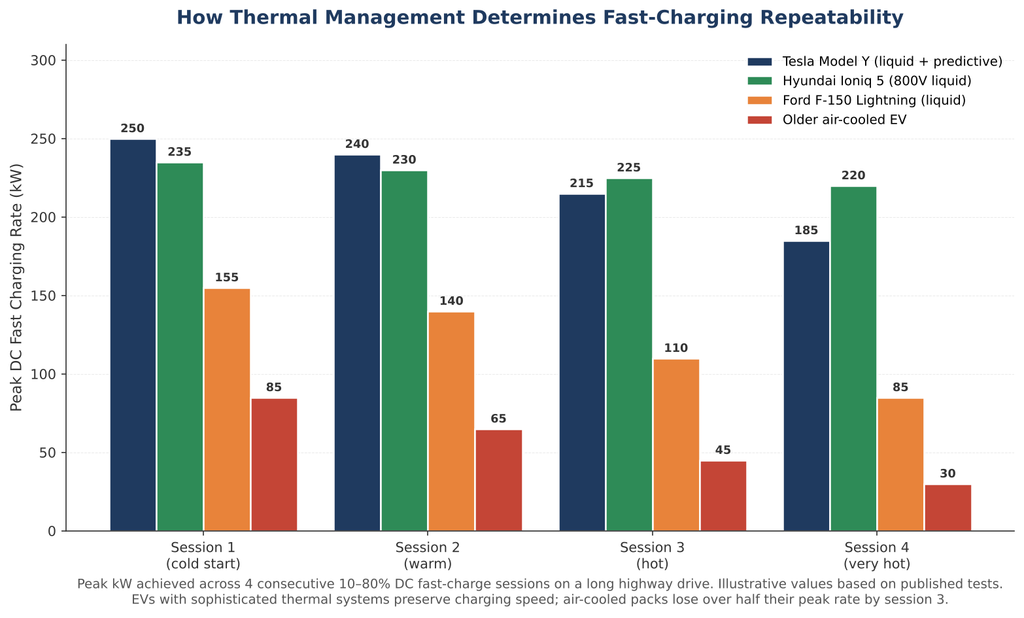
The pattern is unmistakable. EVs with sophisticated, well-tuned thermal systems (Tesla Model Y, Hyundai Ioniq 5) maintain high charging speeds across multiple sessions. The Ioniq 5’s 800V architecture is particularly impressive here — the higher voltage system generates less heat during fast charging than comparable 400V systems, so the pack stays cooler across repeated stops and can sustain its peak rate longer.
The Ford F-150 Lightning starts at a respectable 155 kW peak but fades significantly by the fourth session. Lightning’s liquid cooling system works well for the first charge but struggles to dump accumulated heat quickly enough during continuous high-power driving-and-charging cycles. This is one reason the Lightning’s road-trip reputation lags its daily-use reputation.
Older air-cooled EVs — including some 2019-2022 Nissan Leaf models with lithium-ion packs but air cooling — see peak charging rates collapse to 30-40 kW by the third session. Owners of these vehicles who attempt to road-trip encounter the dreaded “rapidgate” phenomenon, where each successive fast-charging session takes progressively longer, turning a 500-mile day into an exhausting ordeal.
The real-world difference: at interstate speeds, a Tesla or Hyundai driver might stop for 25-35 minutes per 200 miles of range added. A Lightning driver, 45-60 minutes per 200 miles. An air-cooled EV driver, 60-90+ minutes per 200 miles and getting worse with every stop. Our breakdown of EV fast-charging curves covers the full relationship between state of charge and charging speed, but the thermal angle is the one that makes real road-trip pace possible.
Performance Repeatability: 0-60 and Beyond
The other place thermal management becomes visible is repeated full-throttle acceleration. An EV can produce astonishing power — more than virtually any production ICE vehicle — but sustained full power generates massive heat in both the battery pack and the motors. Without aggressive cooling, output has to be throttled.
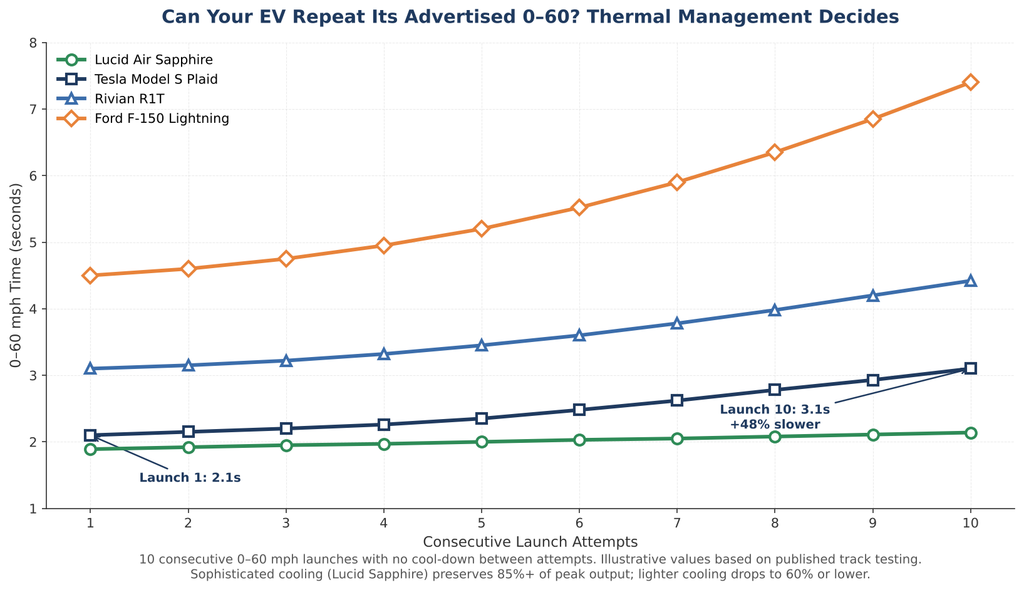
The Lucid Air Sapphire represents the current state of the art. Lucid’s cooling architecture uses a combination of aggressive cold-plate contact and a dedicated motor cooling loop that maintains near-peak performance across many consecutive launches. The Sapphire can do the drag strip all day; most EVs cannot.
The Tesla Model S Plaid is competitive on a single launch (1.99-2.1 seconds) but degrades more quickly across repeated attempts. Tesla’s Plaid still performs well in absolute terms, but drag-strip enthusiasts have documented 10-12% time penalties by the fifth consecutive launch — the “Cheetah Mode” preconditioning was Tesla’s response but requires manual activation and significant energy.
The Rivian R1T is a mid-pack performer — strong initial numbers, moderate degradation. Rivian’s thermal design was optimized for towing and off-road sustained performance rather than track launches.
The Ford F-150 Lightning drops dramatically after a handful of launches. This isn’t surprising given its design brief — a work truck, not a performance vehicle — but owners should know the quad-motor Platinum model’s advertised 4.5-second 0-60 is a single-launch figure, not a sustainable capability.
For most buyers, this pattern is academic. Most drivers never do ten consecutive launches, and 95% of EV use never approaches the thermal limits. But for buyers who plan to track their EV, autocross, or drag race seriously, thermal management is the actual spec that matters, not the published 0-60.
Towing and Sustained-Load Performance
Towing is where thermal management becomes mission-critical for everyday use. Pulling a trailer dramatically increases motor and battery load — commonly 2-3x the energy consumption of unloaded driving. That load must be dissipated as heat, and an EV without the thermal headroom to manage it will derate right when the driver needs full power.
Rivian R1T has emerged as the best EV towing platform in its class, largely because of its thermal architecture. The R1T can sustain 11,000 lb towing on Rocky Mountain grades without full power derating, though range drops to roughly 100-110 miles between charges when loaded heavily. Rivian’s cooling system was designed specifically for the use case.
Ford F-150 Lightning handles moderate towing well — up to about 6,000 lb for sustained highway work — but reports from users towing near its 10,000 lb max rating in warm weather describe thermal derating within the first hour. The truck still completes the work, just with reduced acceleration and extended charging stops.
Tesla Model X and Cybertruck rate for 5,000-11,000 lb. The Model X’s thermal system handles moderate towing well but range penalty is severe (50-60% range loss with heavy loads). Cybertruck performance under sustained tow load is still being documented but early reports suggest better sustained performance than the Lightning.
Hyundai Ioniq 5 and Kia EV9 handle light towing (2,000-3,500 lb depending on market and trim) with limited thermal headroom; they’re not designed for sustained heavy-tow work.
The underlying pattern: if you’re going to tow with an EV, buy one engineered for it. Thermal headroom is the invisible spec that determines whether a towing EV is useful or merely marketing.
What Buyers Should Actually Look For
Window stickers and manufacturer websites rarely discuss thermal management directly. Here’s what to evaluate when EV shopping:
Does it have an active (liquid-cooled or refrigerant-cooled) battery pack? For any new EV you’ll own more than three years, this is non-negotiable. Air-cooled packs degrade faster and lose performance capabilities you paid for.
Does it have a heat pump? Especially critical in cold-climate states. Vehicles with heat pumps typically lose 25-35% range in cold weather; vehicles with resistive heaters lose 40-50%.
Does it have navigation-triggered battery preconditioning? This should be automatic by 2026, but some older or less-expensive EVs still require manual activation. If you road-trip, this matters.
What’s the real-world fast-charging repeatability? YouTube reviews and road-trip test channels (Out of Spec Reviews, Tom Moloughney’s State of Charge, Bjorn Nyland) document real repeated-charging performance. This data is far more useful than peak charging specs.
Is the architecture 400V or 800V? 800V vehicles (Hyundai Ioniq 5, Ioniq 6, Kia EV6, Kia EV9, Porsche Taycan, Audi e-tron GT, Lucid Air) generate less heat for the same power level and typically sustain higher charging rates across sessions.
How does the vehicle handle thermal stress for your use case? A commuter EV in a mild climate has very different thermal requirements from a tow-rig in Arizona. Match the vehicle’s thermal capacity to the actual use you’ll put it to.
How Thermal Management Affects Long-Term Ownership Cost
The thermal system isn’t just a performance consideration — it’s a reliability and economic one. Well-managed packs retain capacity longer. Poorly managed packs degrade faster, losing range year over year and ultimately requiring expensive replacement. This feeds directly into total cost of ownership in two ways:
Depreciation. Vehicles with reputations for pack longevity hold value better. Tesla Model 3s with 200,000+ miles that have retained 85%+ of original capacity sell at a premium over comparable vehicles with documented degradation issues. Nissan Leaf resale values suffered dramatically because of their air-cooled pack degradation reputation.
Insurance. Vehicles with higher battery replacement exposure carry higher comprehensive premiums. A pack-replacement claim that totals a vehicle (common with badly degraded or structurally damaged packs) is baked into insurer pricing. See our coverage of why EVs have different insurance costs for the full breakdown of how pack vulnerability affects premiums.
Warranty exposure. Federal regulations require 8-year/100,000-mile battery warranties on most EVs, but warranty claims become a battle when degradation falls just short of qualifying thresholds. Owners of well-cooled vehicles rarely face this question; owners of air-cooled vehicles sometimes do.
The compounding effect: an EV with mediocre thermal management might save $2,000 at purchase but cost $6,000-$10,000 more over an 8-10 year ownership window through faster degradation, lower resale, and potential out-of-warranty battery issues. The thermal system is a cost driver well beyond its direct engineering cost.
Bottom Line
EV thermal management is the invisible system that determines whether the specs on the window sticker translate to real-world performance. Peak charging speed, 0-60, towing capacity, battery longevity, cold-weather range — every one of these depends more on thermal engineering than on the raw specs buyers see.
Among 2026-model-year EVs, the best thermal systems (Tesla’s integrated heat pump + octovalve architecture, Hyundai/Kia’s 800V platform with automatic preconditioning, Rivian’s valve-controlled multi-state routing, Lucid Air’s performance-optimized cooling) deliver performance that matches or exceeds their marketing. The weaker systems (older air-cooled packs, EVs without automatic preconditioning, platforms engineered for cost rather than sustained performance) produce real-world results that fall well short of the brochure.
For prospective buyers: thermal management should be at the top of your spec-sheet evaluation, not an afterthought. Ask about preconditioning, repeatable charging, heat pump vs. resistive heater, and cooling architecture before signing. The vehicle that fits your actual use will have the thermal system matched to it. The vehicle that disappoints will usually be the one where buyers focused on specs that the thermal system can’t actually sustain.
Peak numbers are easy. Repeatable, real-world performance is what thermal management actually buys you.
Sources and Further Reading
Bjorn Nyland — Scandinavian EV Testing Channellocking your EV’s full potential.
Wevolver — Battery Thermal Management for EV Battery Packs
evkx.net — Battery Thermal Management Technical Reference
Munro & Associates / Lean Design — Electric Vehicle Battery Cooling Methods
PatSnap Eureka — EV Thermal Management Technology 2026 Landscape
Automotive IQ — How Battery Thermal Management Systems Impact EV Battery Performance
MarkLines — BEV Thermal Management System Benchmarking (Toyota, BYD, Tesla, Hyundai)
U.S. Department of Energy — Battery Thermal Management Research
SAE International — Thermal Management System Design for EV Batteries
Tesla Support — Battery Preconditioning Documentation

























Leave a Reply
You must be logged in to post a comment.