

















When you’re building a new car on a manufacturer’s website, the options list can feel like a casino. Every click adds another $500 or $1,500 or $3,000, and before you know it, you’ve configured a vehicle that costs $12,000 more than the base price. The problem isn’t that you want nice things — it’s that not all options are created equal. Some factory options will return most of their cost at resale. Others are essentially money thrown away the moment you drive off the lot.
The difference between a smart factory order and an expensive one isn’t about spending less — it’s about spending on the right things. This guide uses real resale data to help you figure out which options genuinely hold their value, which ones are traps, and how to approach the build process with your long-term finances in mind.
Factory Options vs. Dealer-Installed Options: A Critical Distinction
Before evaluating individual options, you need to understand the difference between what the factory installs and what the dealer adds.
Factory options are installed during assembly or at port before the vehicle reaches the dealership. They appear on the federally mandated Monroney window sticker, are covered by the manufacturer’s warranty, and are priced consistently across dealerships. According to Cars.com, factory options can add to the resale value of the vehicle because they’re integrated into the car’s build and recognized by valuation guides like Kelley Blue Book and Edmunds.
Dealer-installed options are added by the dealership after the vehicle arrives. These include things like paint protection film, fabric coating, nitrogen tire fills, pinstriping, and aftermarket alarm systems. They are not covered by the manufacturer’s warranty, pricing varies wildly between dealers, and they add almost zero resale value. Dealer add-ons are listed on a supplemental sticker — sometimes called an “addendum” — and are often pure profit margin for the dealership.
The rule of thumb: Factory options are worth evaluating. Dealer-installed accessories are almost never worth paying for, and you should push back firmly when a dealer tries to add them to your deal.

Options That Hold Their Value
These factory options consistently return a meaningful portion of their cost at resale, based on data from Kelley Blue Book, iSeeCars, and Edmunds.
All-Wheel Drive (AWD)
AWD is one of the highest-value factory options you can add, particularly on SUVs and crossovers. In regions with winter weather, AWD models command a significant premium on the used market. A resale analysis by PA Auto Sales noted that the AWD option on vehicles like the Toyota RAV4 and Subaru Forester boosts resale appeal considerably for buyers in colder regions.
The cost of adding AWD at the factory (typically $1,500–$2,500) often returns 60–80% of that premium at resale. On trucks and SUVs, four-wheel drive (4WD) commands an even stronger premium.
Note: AWD vehicles from Salt Belt states often suffer accelerated wear on driveshafts and differentials due to salt exposure. See used car reliability by region when shopping for used AWD vehicles.
Tow Packages
On trucks and larger SUVs, the factory tow package is one of the smartest options you can check. It’s not just a trailer hitch — factory tow packages typically include upgraded cooling systems, heavier-duty wiring, integrated brake controllers, and sometimes stronger rear axles. These components are engineered and installed as a system, covered by warranty, and nearly impossible to replicate aftermarket at the same quality level.
Used truck buyers specifically look for the tow package on the window sticker. As one owner put it on the Ford Lightning Forum, even buyers who don’t tow often recommend getting the package because “used buyers know exactly what that box on the build sheet means.” The $500–$1,500 cost of a factory tow package typically returns its full value — and sometimes more — at resale.
Safety Packages
Advanced safety features like blind-spot monitoring, adaptive cruise control, automatic emergency braking, and lane-keeping assist have become near-expectations on the used market. Vehicles without these features are increasingly harder to sell and often take longer to move at dealerships.
Most manufacturers now bundle these into a safety or technology package at a specific trim level. If the option to add a safety package costs $1,000–$2,000, it’s almost always worth it — both for the daily safety benefit and for resale value protection.
Color (It’s More Complicated Than You Think)
The conventional wisdom is to stick with white, black, or silver for best resale. The data says otherwise.

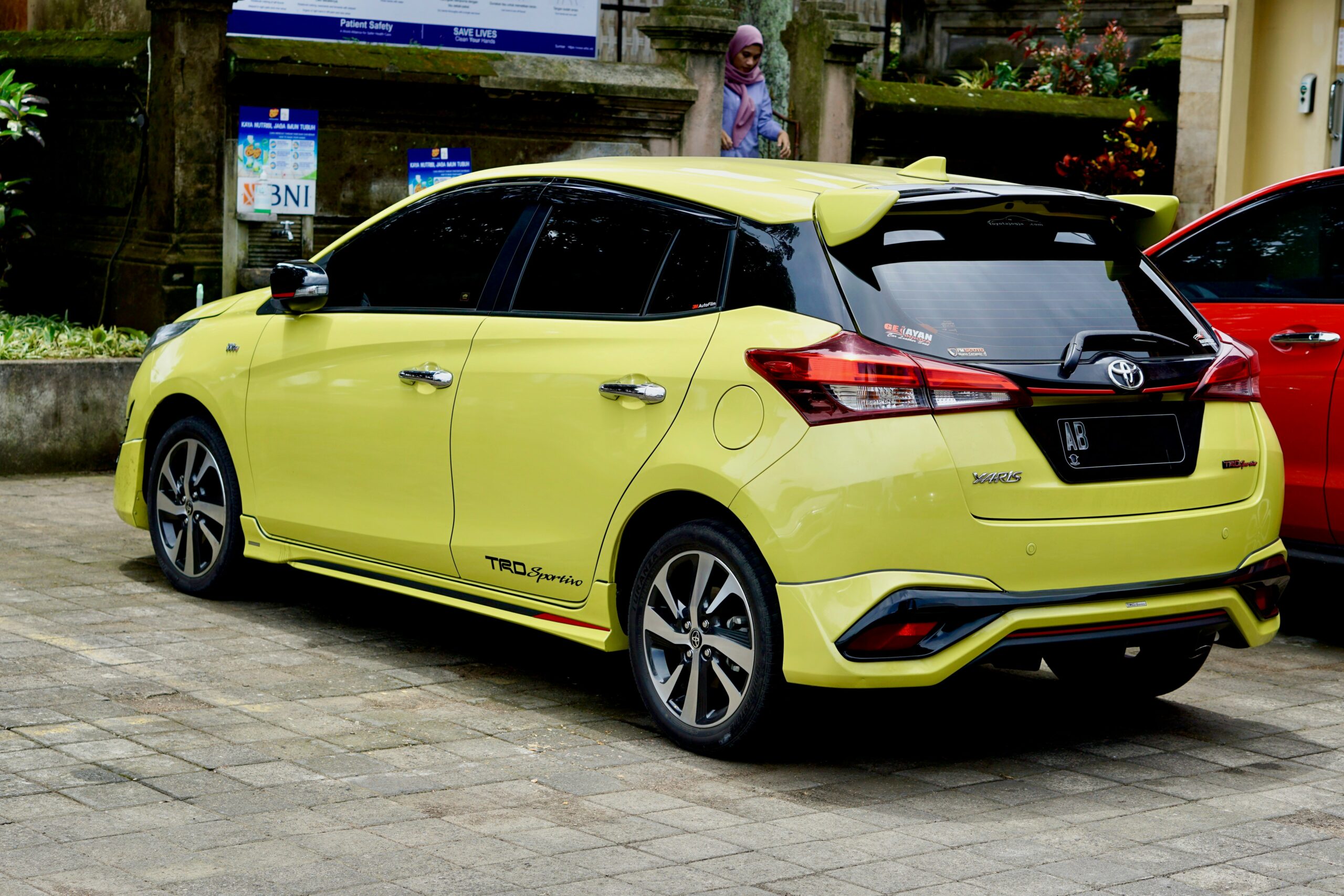
iSeeCars analyzed over 1.2 million used cars and found that yellow cars depreciated least (24.0% over 3 years), followed by orange (24.4%) and green (26.3%). White and black — the two most popular colors — actually depreciated more than average (32.1% and 31.9% respectively). The most common colors provide zero distinction in the used market, making it easy for buyers to comparison-shop on price alone.
The takeaway isn’t that you should buy a yellow car — it’s that choosing a somewhat distinctive color (especially one associated with a desirable trim, like orange on a Ford Raptor or TRD Pro) can actually help, not hurt, your resale value. If you like a bolder color and the vehicle offers it, don’t let resale fears talk you out of it.
Options That Rarely Pay Back

Panoramic Sunroofs and Moonroofs
Sunroofs add $1,000–$2,000 to the price but return very little at resale. They also introduce a potential failure point — sunroof drains clog, seals leak, and glass panels crack. Unless you genuinely love having a sunroof and will use it frequently, skip it.
Premium Audio Upgrades
That $800–$1,500 Bose or Harman Kardon upgrade? Most used buyers don’t care. The base audio system in modern vehicles is usually competent, and buyers who do care about audio often prefer to install their own aftermarket system. Premium audio is a lifestyle option, not a financial one.
Appearance Packages
Body-colored trim, chrome delete packages, special wheel finishes, and other cosmetic packages almost never return their cost. These options cater to personal taste, and the next buyer’s taste may be completely different. The exception is if the appearance package is visually associated with a desirable performance trim (like the Black Appearance Package on a Ford Bronco), in which case it may carry a slight resale premium.
Dealer-Installed Paint Protection, Fabric Coating, and Nitrogen Fills
These are the biggest margin items for dealerships and offer nearly zero value to you. Factory paint is already clear-coated. Modern upholstery resists stains well out of the box. And nitrogen tire fills provide no meaningful benefit over regular air for passenger vehicles. Say no to all of these.
The Trim Level Decision Is the Biggest Option of All
Before you start ticking individual option boxes, the single most impactful decision is which trim level to buy. The trim determines your base feature set, and moving up one trim often bundles features that would cost significantly more as individual options.
This is covered in depth in our companion guide to trim level pricing vs. feature value, but the core principle is this: the mid-level trim is almost always the best value. It captures the must-have safety and comfort features at a reasonable premium over the base, while the top trim typically adds luxury or performance features with diminishing returns on resale.
Factory Order vs. Buying Off the Lot
Factory ordering gives you control over your exact specification, but it comes with trade-offs.
Advantages of factory ordering: You get exactly what you want — no more, no less. You avoid paying for unwanted dealer-installed accessories. You may avoid dealer markups, since factory orders are typically sold at MSRP or with pre-negotiated pricing. And you can select the specific option combinations that maximize your value.
Disadvantages: Wait times can range from 6 weeks to 6 months or more, depending on the manufacturer and model. You can’t test-drive the exact vehicle before committing. And some manufacturers limit factory-order availability based on production allocation.
When buying off the lot makes sense: If you find a vehicle that closely matches your ideal specification, buying from inventory can save time and sometimes money (especially if the dealer is motivated to move aging stock). Just make sure you’re not paying for dealer add-ons you don’t want — and don’t compromise on features that matter to you just because a particular car is available today.
For vehicles that depreciate quickly — like luxury and electric models — the speed advantage of buying off the lot is less important than getting the right specification. A poorly optioned vehicle will cost you more in depreciation than the few weeks you’d wait for a factory order.
EV-Specific Options: What Matters Most
Electric vehicles have their own option hierarchy, and it’s different from ICE vehicles.
Battery size / range tier is the single most important option on any EV. The difference between a standard-range and long-range battery directly impacts daily usability, road-trip capability, and resale value. A long-range Tesla Model Y or extended-range Ford Mustang Mach-E will consistently hold value better than the standard-range version, because range is what used EV buyers care about most. If you’re stretching your budget, spend it here — not on performance upgrades or cosmetic packages.
Heat pump systems are increasingly standard but still optional on some models. A heat pump dramatically improves cold-weather range by reducing the energy needed for cabin heating. If you live in a northern climate, a heat pump isn’t a luxury — it’s a necessity. As covered in our guide to how extreme temperatures affect EV batteries, heating the cabin is the single largest drain on winter range, and a heat pump can reduce that drain by up to 38%.
Charging capability upgrades — such as higher onboard charger wattage for Level 2 home charging — are worth it if you plan to charge at home on a 240V circuit. The difference between a 7.6 kW and 11.5 kW onboard charger means faster overnight charging and more flexibility. Understanding your vehicle’s fast-charging curve also helps you assess whether the vehicle’s DC fast-charging capability meets your road-trip needs without additional upgrades.
Performance packages on EVs (like Tesla’s “Performance” trim or the Ioniq 5 N) add acceleration, sport suspension, and sometimes larger wheels — at a $5,000–$10,000 premium. These are fun but financially poor choices for resale. Most used EV buyers are looking for range and efficiency, not 0–60 times. Unless you’re buying the car specifically for the driving experience and plan to keep it long-term, the standard powertrain is the better financial move.
How to Push Back on Dealer Add-Ons
Dealerships make a significant portion of their profit on add-ons, and many will present them as non-negotiable. Here’s how to handle the most common tactics:
“The protection package is already installed.” This is the most common line. The truth is that dealer-installed accessories like paint sealant, fabric protection, and window etching are applied at the dealership — not the factory. They are negotiable, and you should push back. Ask for an itemized breakdown and decline items individually.
“Everyone gets nitrogen in their tires.” Nitrogen tire fills cost the dealer almost nothing and are marked up to $200–$400. Regular air is 78% nitrogen already. Decline this every time.
“You need the extended warranty.” Factory warranties are generally sufficient, especially if you’re buying a Toyota or Honda with strong reliability records. If you do want extended coverage, buy it directly from the manufacturer — not the dealership — and negotiate the price. Dealer markups on extended warranties can be 50–100% above the manufacturer’s direct price.
“The market adjustment is standard.” In a normal market, you should not pay above MSRP for most vehicles. Factory orders are one way to avoid market adjustments entirely, since you’re ordering at a pre-agreed price. If a dealer won’t sell at MSRP, find one that will — manufacturer websites often have dealer locator tools that show inventory and pricing.
A Practical Option Checklist
Before finalizing any factory order or dealer purchase, run through this list:
Does the vehicle have AWD/4WD if you live in a climate where it matters? This is the single highest-value option for resale. Does it include the manufacturer’s safety package (blind-spot monitoring, adaptive cruise, AEB)? These features are increasingly expected by used buyers. If it’s a truck or SUV, does it include the factory tow package? Even if you don’t tow today, future buyers might.
Have you avoided paying for dealer-installed add-ons that provide no real value? Am I buying a color I actually like — not just the “safe” choice? Data shows distinctive colors often hold value better than the most common ones.
Is the trim level I’ve chosen the right balance of features and price? Read our trim level guide for a framework on this decision. Have I checked reliability data for this model year to make sure I’m not buying into first-year problems?
Conclusion
The factory-order options that are genuinely worth your money share a common trait: they add functional value that the next owner will also want. AWD, tow packages, and safety technology meet that test. Cosmetic packages, premium audio, and dealer-installed coatings generally don’t.
The smartest factory order isn’t the most expensive one — it’s the one where every dollar spent either improves your daily driving experience or protects your vehicle’s resale value. Think of options not as luxury indulgences, but as investments in your vehicle’s total cost of ownership.



















Leave a Reply
You must be logged in to post a comment.