























As a responsible car owner, you know that regular maintenance is crucial to extending the life of your vehicle, saving money on repairs, and ensuring your safety on the road. But did you know that the changing seasons can significantly impact your vehicle’s maintenance needs? In this article, we’ll explore how seasonal weather affects your vehicle and outline the key maintenance tasks you should perform to keep your car running smoothly throughout the year.
Spring and Summer
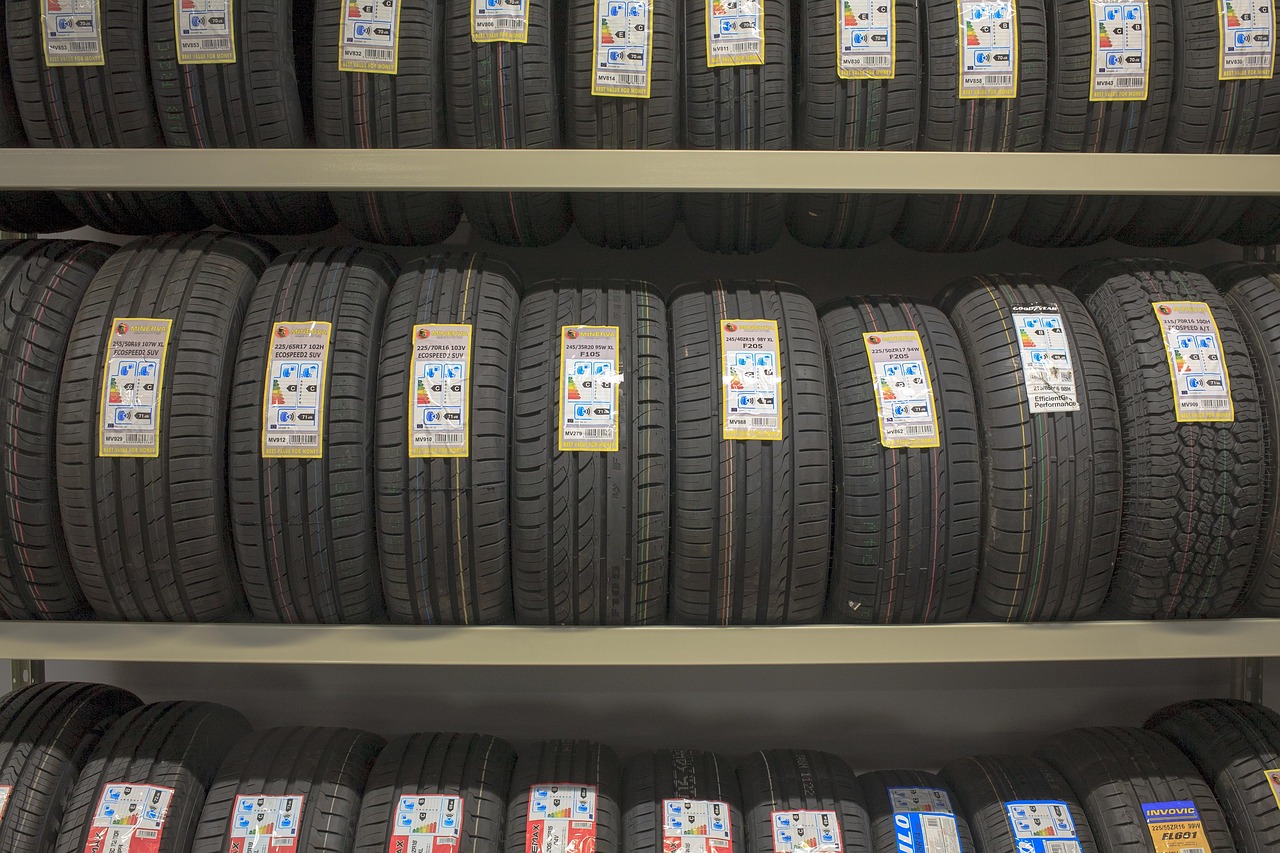
As the weather warms up, your vehicle faces new challenges. Higher temperatures can cause tire pressure to fluctuate, affecting your car’s fuel efficiency, handling, and safety. Make sure to check your tire pressure at least once a month, and before long trips. Also, inspect your tire tread depth to ensure it’s safe for driving. The general rule of thumb is to replace your tires when the tread is worn down to 1/16 of an inch.
Warmer weather also puts a strain on your air conditioning and cooling systems. Check your coolant levels, and top them off as needed. If you notice any leaks or issues with your AC, have them addressed promptly to avoid costly repairs.
Spring and summer are also the perfect times to inspect and replace your windshield wipers. Good visibility is crucial for safe driving, and worn-out wipers can compromise your ability to see the road ahead.
Lastly, warm weather can drain your car’s battery faster. Make sure to keep your battery terminals clean, and have your battery tested if it’s more than three years old.
Fall and Winter
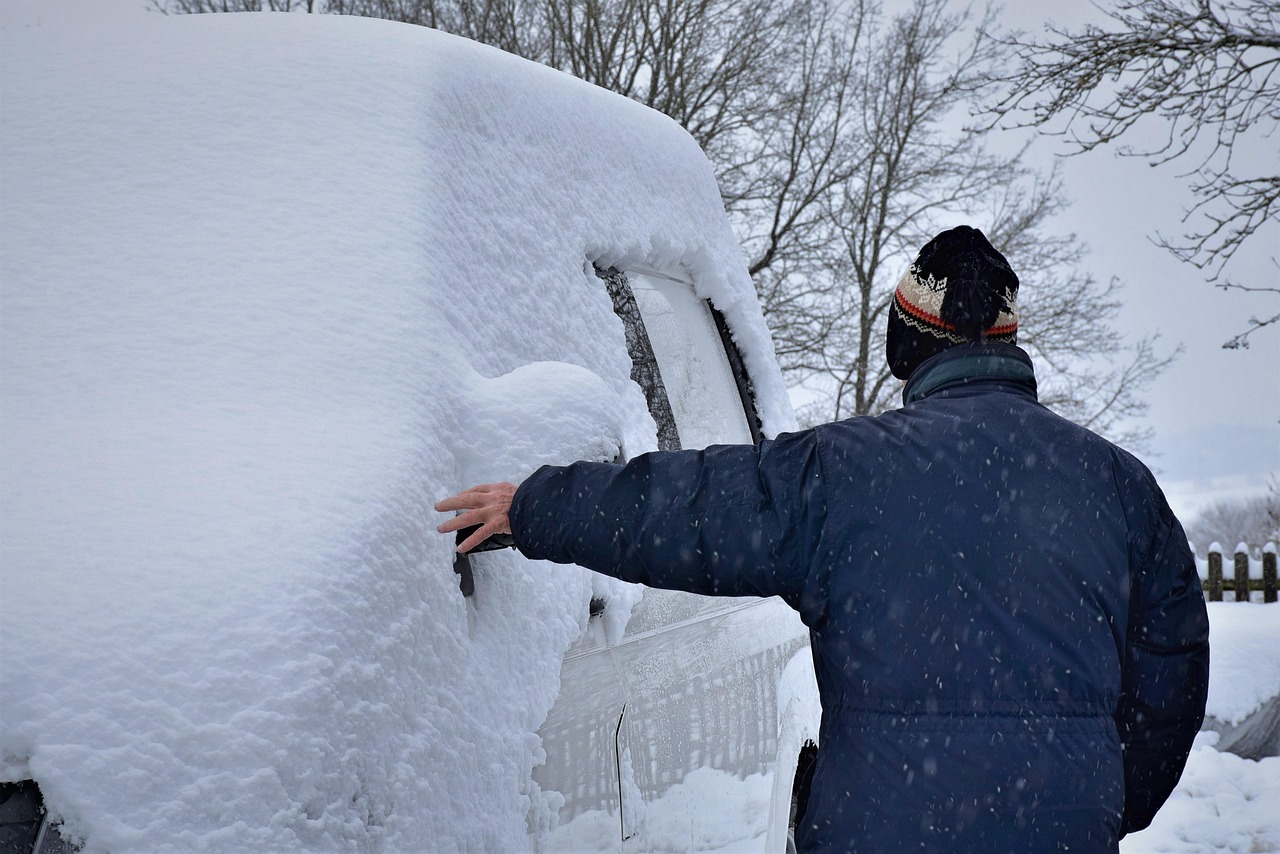
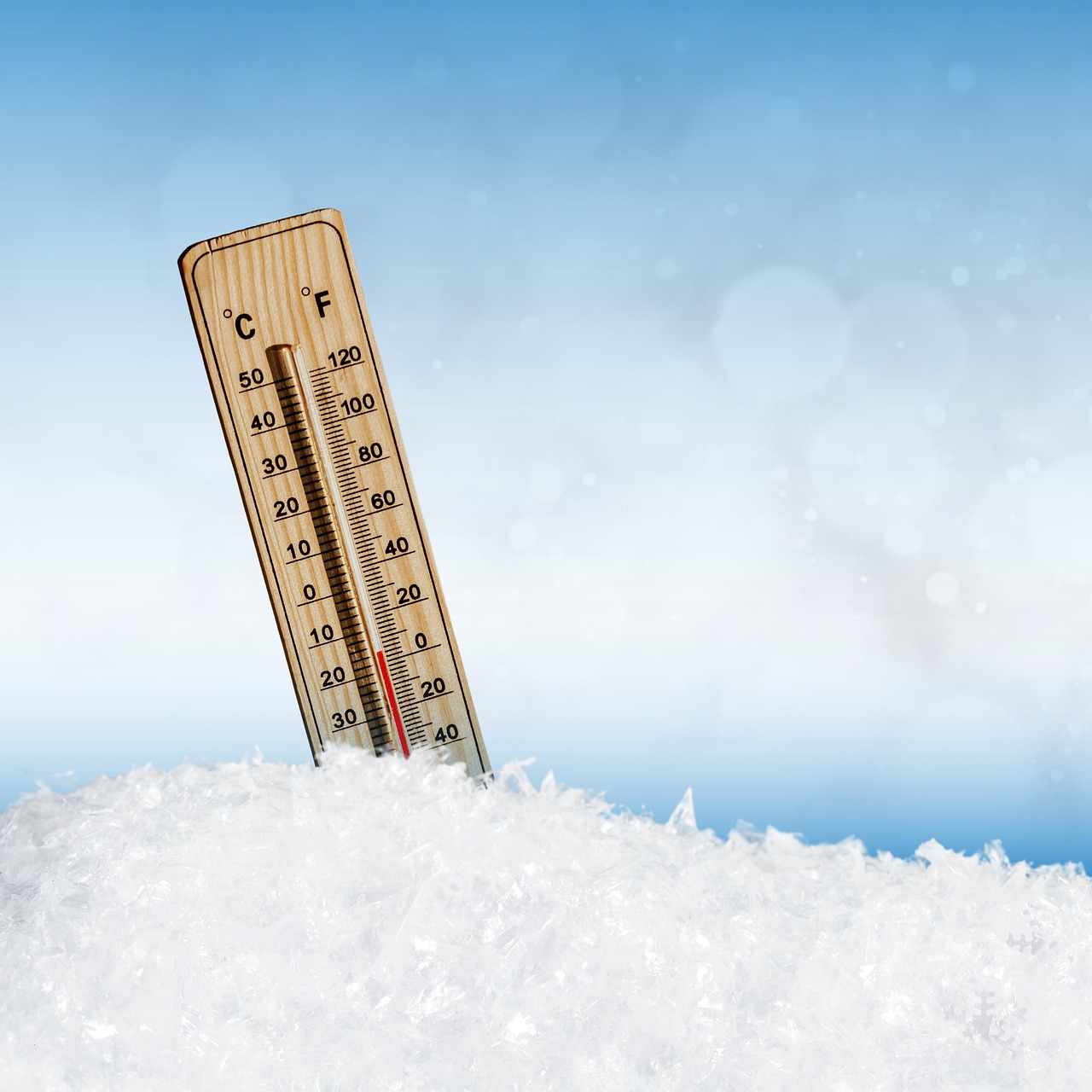
As the temperatures drop, your vehicle faces a new set of challenges. Cold weather can cause tire pressure to decrease, which can lead to reduced traction and increased stopping distances. Again, check your tire pressure regularly, and consider investing in winter tires for improved safety.
Your heating and defrosting systems will also get a workout during the colder months. Ensure that your heater is working properly, and that your windshield is clear of fog and ice.
Cold weather can also weaken your car’s battery. Have your battery tested, and consider replacing it if it’s old or weak. Additionally, make sure to keep your gas tank at least half full to prevent fuel line freezing.
Lastly, inspect your belts and hoses for signs of wear and damage. Cold weather can cause these components to become brittle and prone to failure.
Year-Round Maintenance
While seasonal weather affects your vehicle’s maintenance needs, there are some tasks that are essential regardless of the time of year. These include:
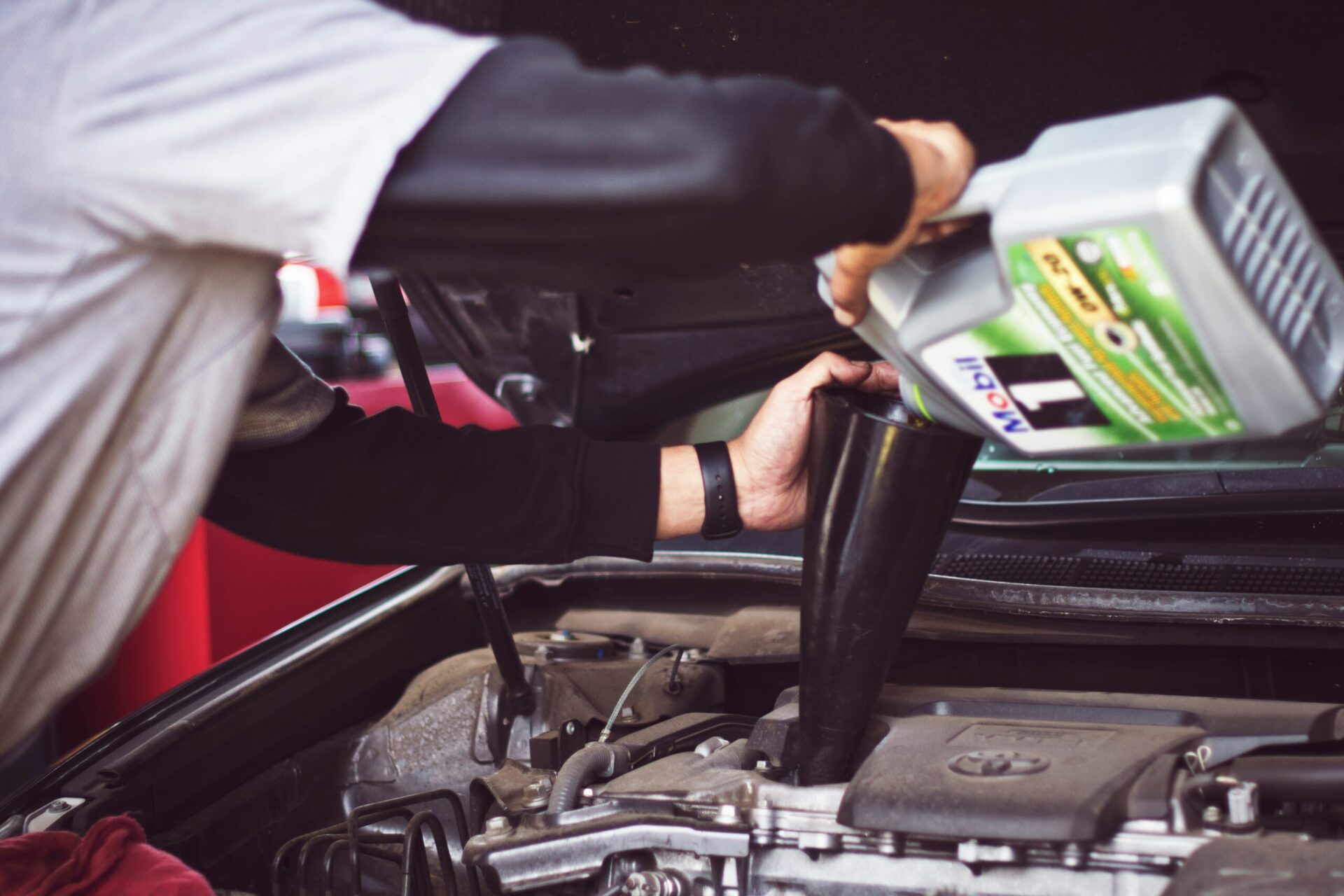
- Regular oil changes to keep your engine running smoothly
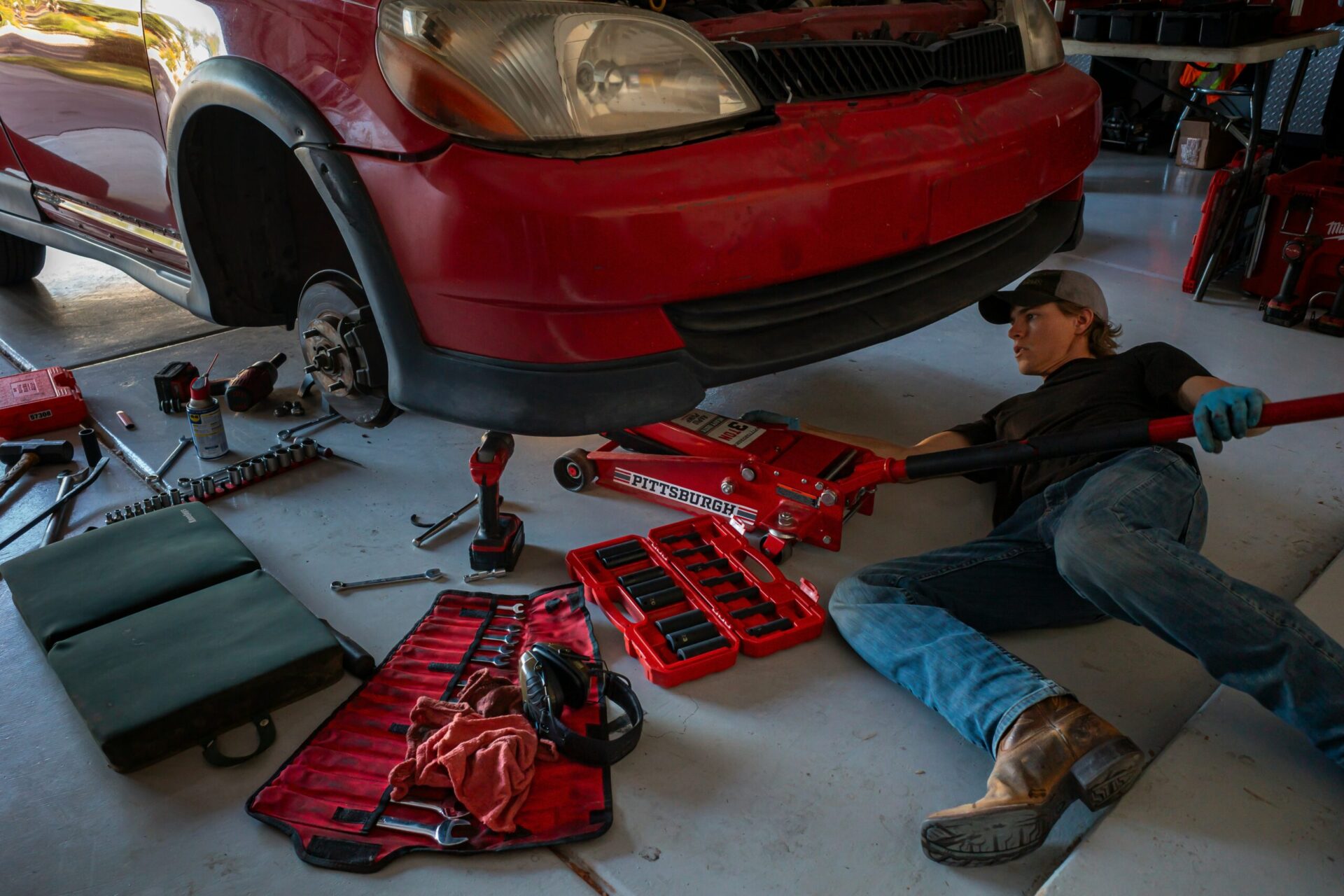
- Brake pad and rotor inspections to ensure safe stopping distances
- Fluid checks to prevent overheating and damage
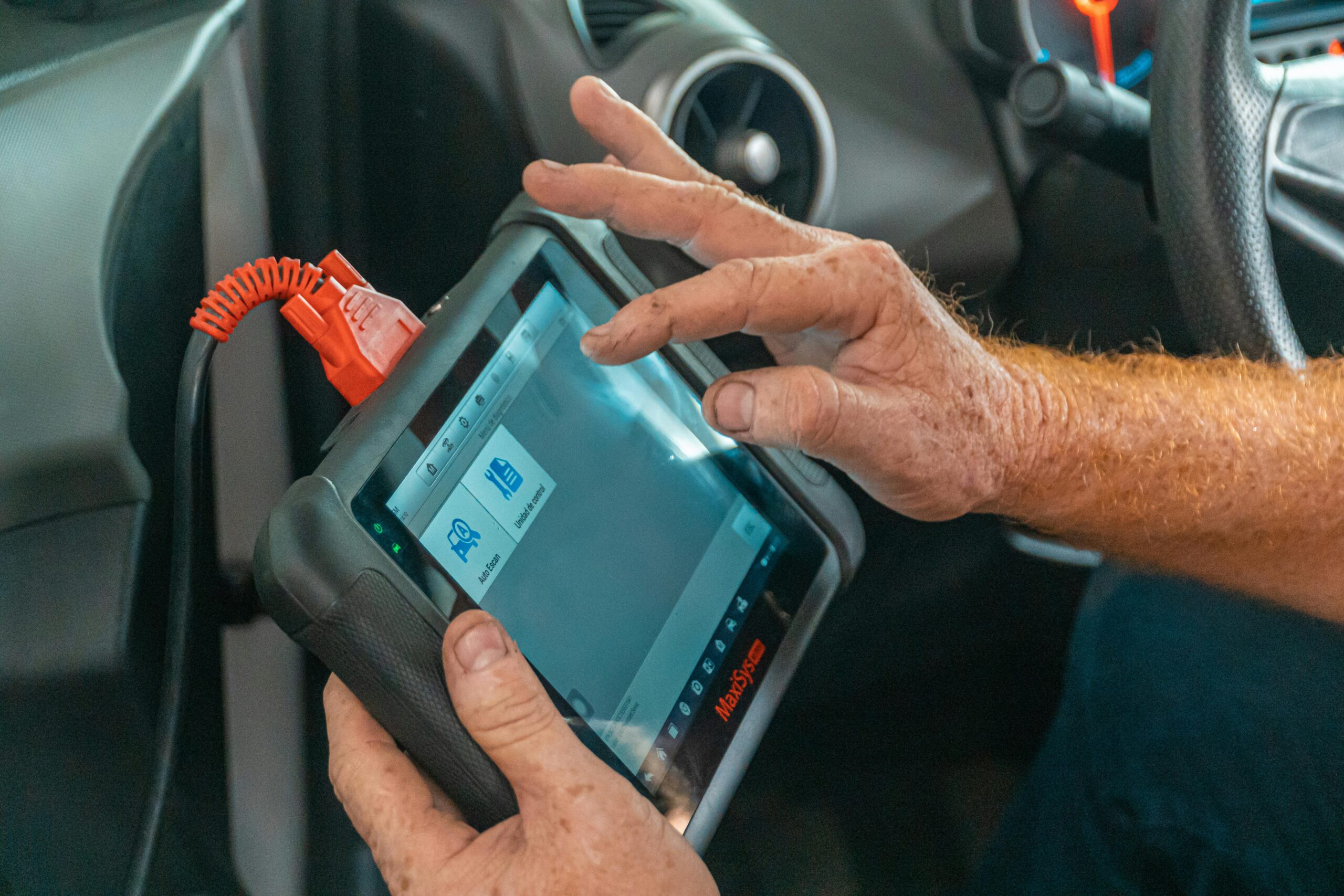
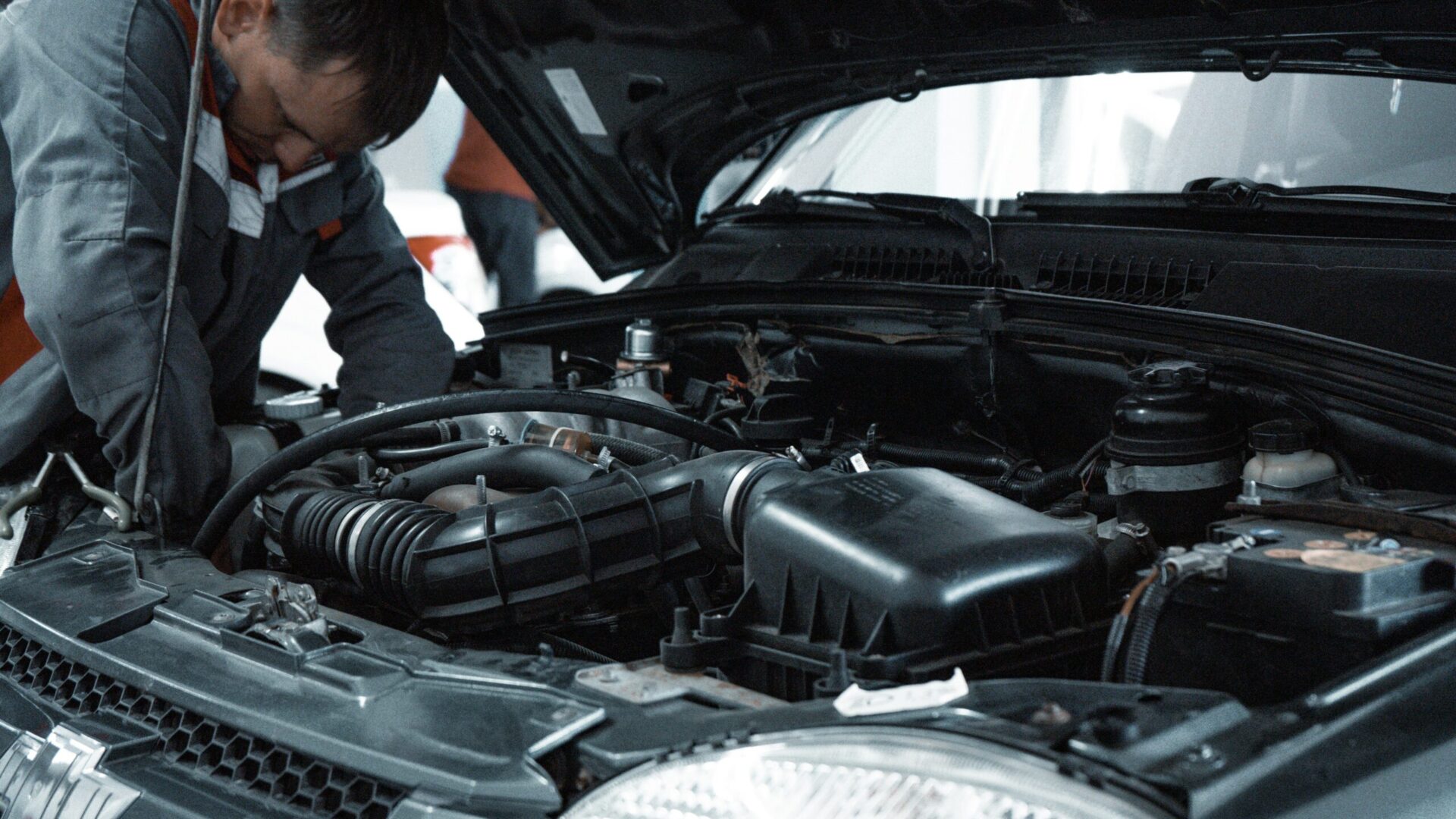
- Inspections to identify potential issues before they become major problems
Conclusion
By understanding how seasonal weather affects your vehicle’s maintenance needs, you can take proactive steps to ensure your car runs smoothly, efficiently, and safely throughout the year. Remember to prioritize tasks like tire pressure checks, air conditioning maintenance, and battery inspections to avoid costly repairs and minimize downtime. By staying on top of your vehicle’s maintenance needs, you’ll save money, reduce stress, and enjoy peace of mind on the road. So, take control of your vehicle’s maintenance today, and reap the rewards of a safe, reliable, and cost-effective ride.



























Leave a Reply
You must be logged in to post a comment.