


























When you buy a new vehicle, you expect it to perform at its best from the moment you drive it off the lot. But what if you could make your vehicle even better, without the need for a trip to the dealership or a costly upgrade? That’s where how OTA updates change vehicle performance comes in – OTA is a revolutionary technology that allows vehicle manufacturers to remotely update and improve your vehicle’s performance, even after you’ve taken ownership.
How OTA Updates Change Vehicle Performance
In this article, we’ll explore what OTA updates are and how OTA updates change vehicle performance post-purchase. We’ll also discuss the benefits, potential drawbacks, and limitations of OTA updates, as well as provide practical tips on how to prepare for and make the most of this innovative technology.
What are OTA updates, and how do they work?
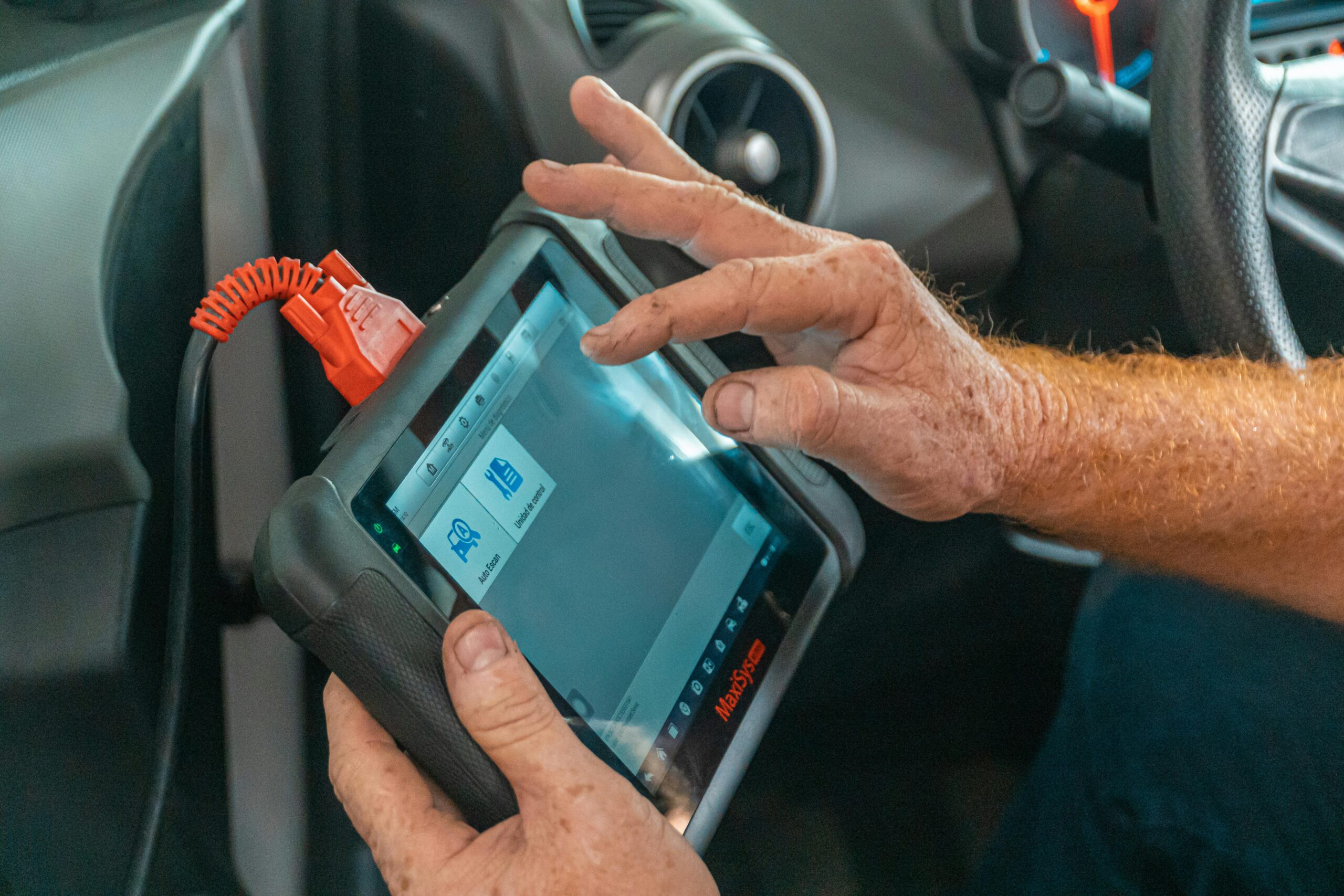
OTA updates are software updates that can be wirelessly transmitted to your vehicle, allowing manufacturers to make changes, improvements, and fixes to various systems and features. This technology uses cellular or Wi-Fi connectivity to connect your vehicle to the manufacturer’s servers, where the update is downloaded and installed.
Think of it like updating your smartphone’s operating system – but instead of improving your phone’s performance, instead we look at how OTA updates change vehicle performance, safety, and functionality. These updates can be applied to various systems, including:
- Engine management and performance
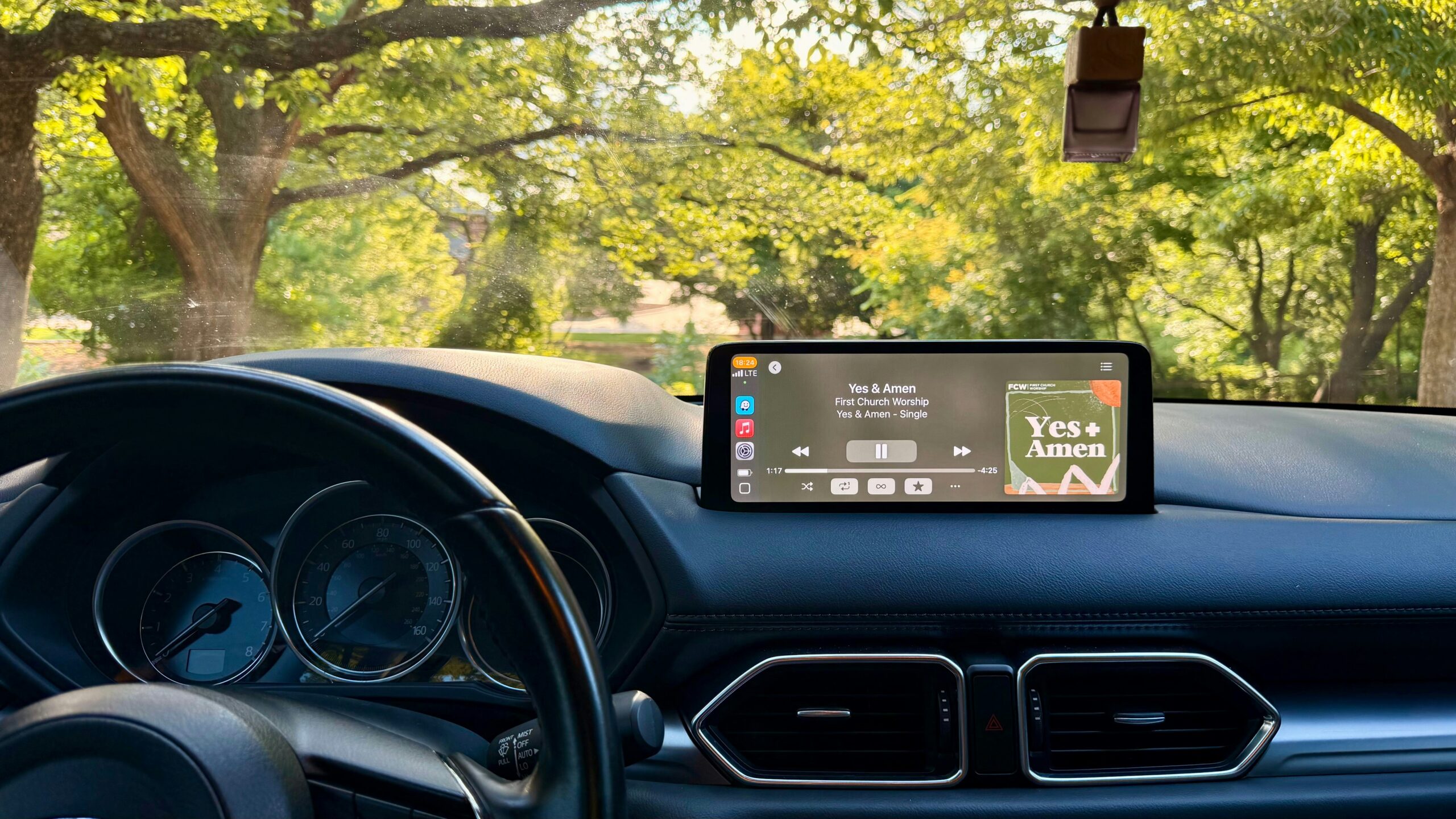
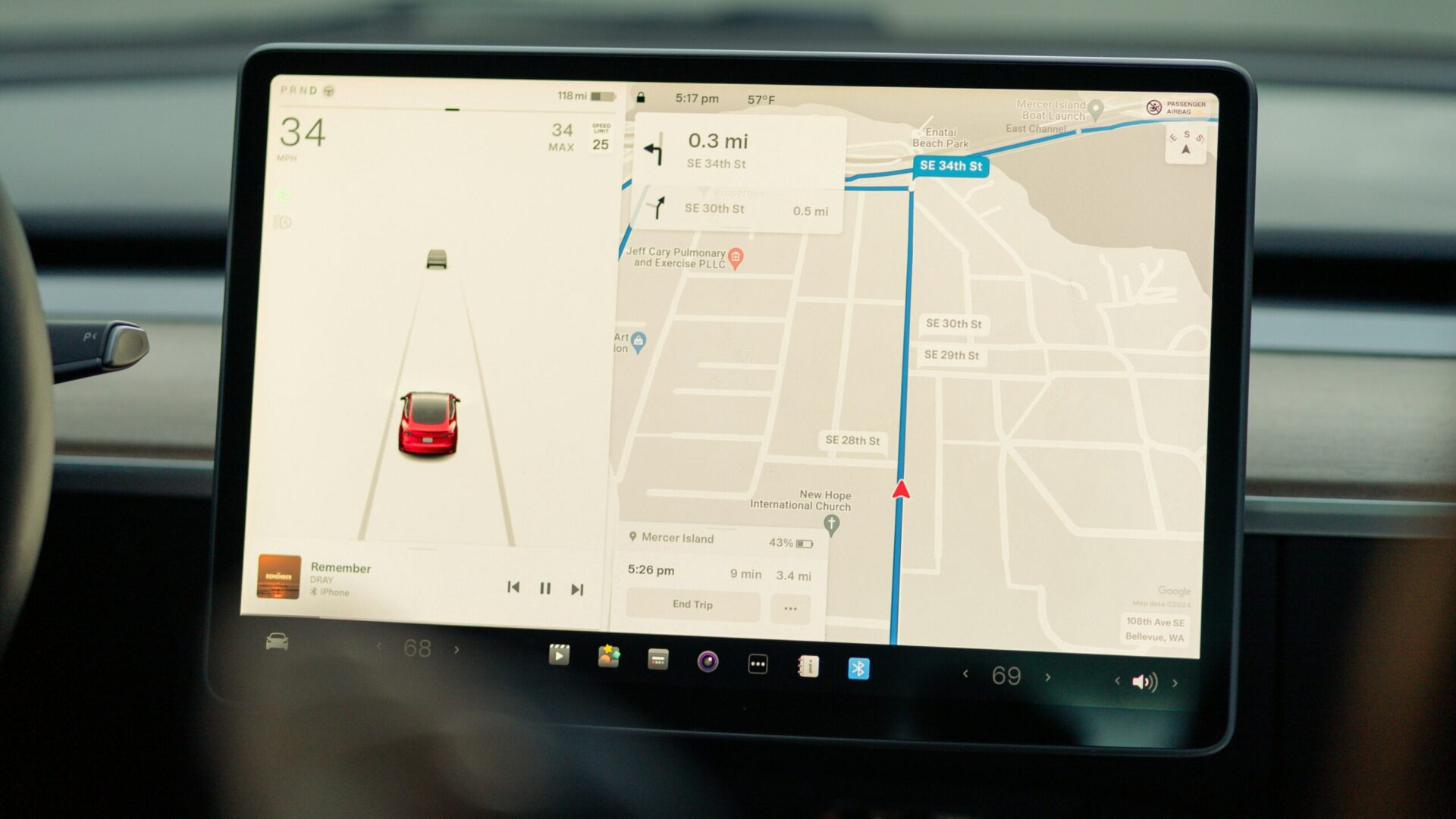
- Infotainment and navigation systems
- Advanced driver-assistance systems (ADAS). Click here for more about ADAS limitations and driving conditions.
- Safety features and recall fixes
- Connectivity and telematics systems
How do OTA updates change vehicle performance post-purchase?
We will look at a few reasons how OTA updates change vehicle performance, even after you’ve taken ownership. Here are some examples:
- Improved fuel efficiency: An OTA update can optimize your vehicle’s engine performance, leading to better fuel economy and lower emissions.
- Enhanced safety features: Manufacturers can remotely update safety features, such as lane departure warning systems or automatic emergency braking, to improve their performance and accuracy.
- New infotainment features: OTA updates can add new features to your vehicle’s infotainment system, such as Apple CarPlay or Android Auto integration, or improve the user interface and responsiveness.
- Recall fixes: Manufacturers can use OTA updates to address recall issues, eliminating the need for a dealership visit and ensuring your vehicle is safe to drive.
What are the benefits of OTA updates for vehicle owners?
The benefits of OTA updates are numerous:
- Convenience: No need to visit a dealership or schedule a service appointment – updates are applied remotely, at your convenience.
- Cost savings: OTA updates can reduce the need for costly repairs or upgrades, as manufacturers can fix issues and improve performance without the need for physical interventions.
- Improved safety: OTA updates can ensure your vehicle has the latest safety features and fixes, reducing the risk of accidents and injuries.
- Enhanced performance: Updates can optimize your vehicle’s performance, making it more efficient, responsive, and enjoyable to drive.
Are there any potential drawbacks or limitations to OTA updates?
While OTA updates offer many benefits, there are some potential drawbacks and limitations to consider:
- Data privacy concerns: As OTA updates rely on cellular or Wi-Fi connectivity, there may be concerns about data privacy and security.
- Dependence on connectivity: If your vehicle loses connectivity, you may not be able to receive updates or access certain features.
- Potential for errors: Like any software update, there’s a risk of errors or glitches occurring during the update process.
- Limited scope: OTA updates may not be able to address all issues or provide the same level of customization as a physical upgrade.
Ignoring OTA updates or blocking OTA updates may cause warranty and performance issues, click here about GM’s warning to their customers regarding OTA updates.
How can vehicle owners prepare for and make the most of OTA updates?
To get the most out of OTA updates, follow these practical tips:
- Stay connected: Ensure your vehicle has a stable internet connection to receive updates.
- Monitor your vehicle’s software: Keep an eye on your vehicle’s software version and check for available updates.
- Follow manufacturer instructions: Pay attention to manufacturer guidelines for updating your vehicle’s software and follow their recommended procedures.
- Be patient: OTA updates may take some time to complete, so be patient and avoid interrupting the process.
- Stay informed: Educate yourself on the benefits and limitations of OTA updates, and stay up-to-date with the latest news and developments from your vehicle’s manufacturer.
In conclusion, OTA updates are revolutionizing the way we own and maintain our vehicles. By understanding how OTA updates change vehicle performance, we understand how they work, their benefits, and potential limitations, you can make the most of this innovative technology and enjoy a safer, more efficient, and more enjoyable driving experience.
So, stay connected, stay informed, and let the updates roll in – your vehicle will thank you! To learn more about the technology in your vehicles, click here.




























Leave a Reply
You must be logged in to post a comment.