





















As we continue to rely on technology to make our lives easier and more convenient, the automotive industry is undergoing a significant transformation. One of the most notable developments is the shift toward centralized computing in vehicles. This trend is revolutionizing the way cars operate, making them safer, more efficient, and more enjoyable to drive. In this article, we’ll explore what centralized computing means, its benefits, and how it’s changing the game for car owners and manufacturers alike.
What is Centralized Computing in Vehicles?
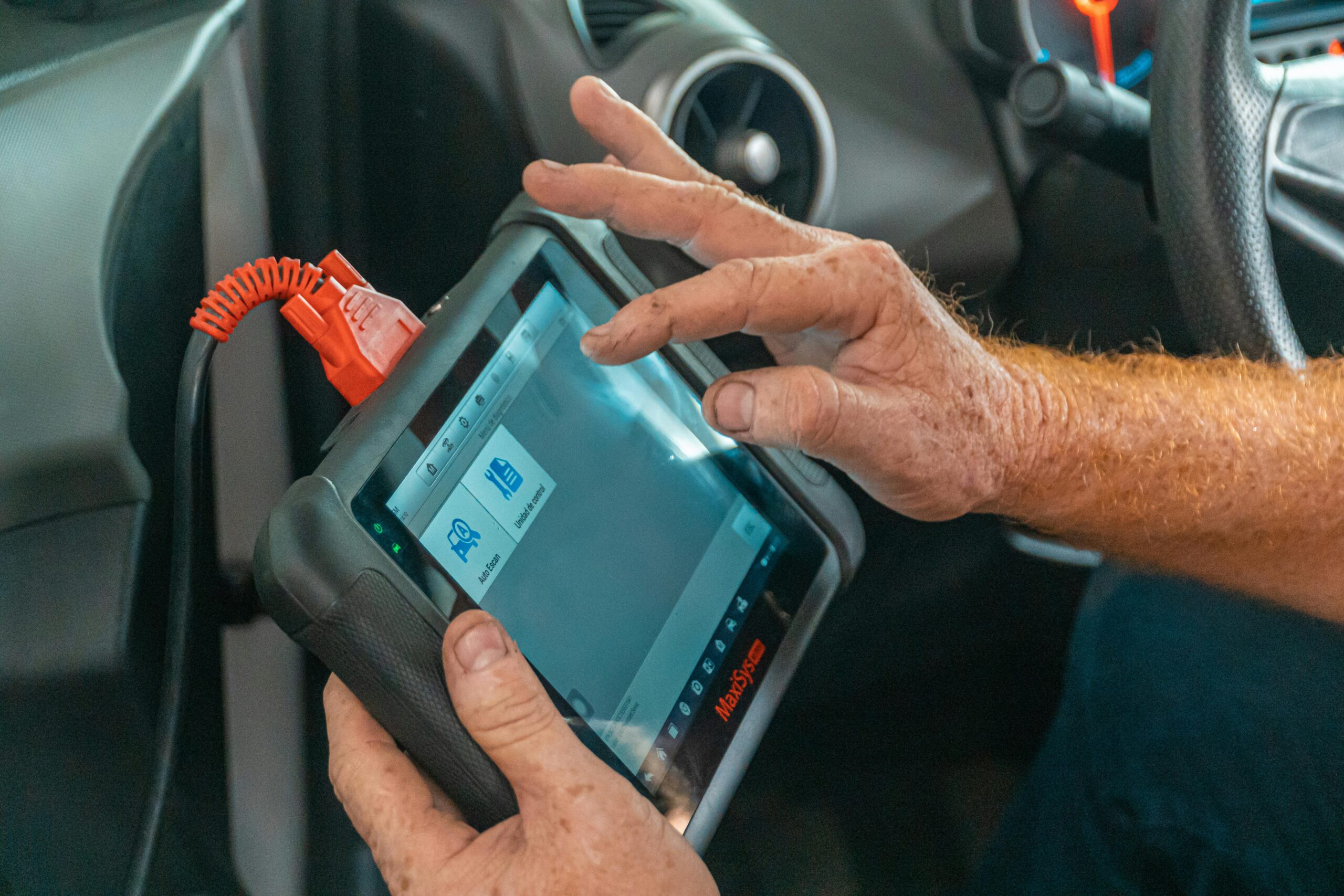
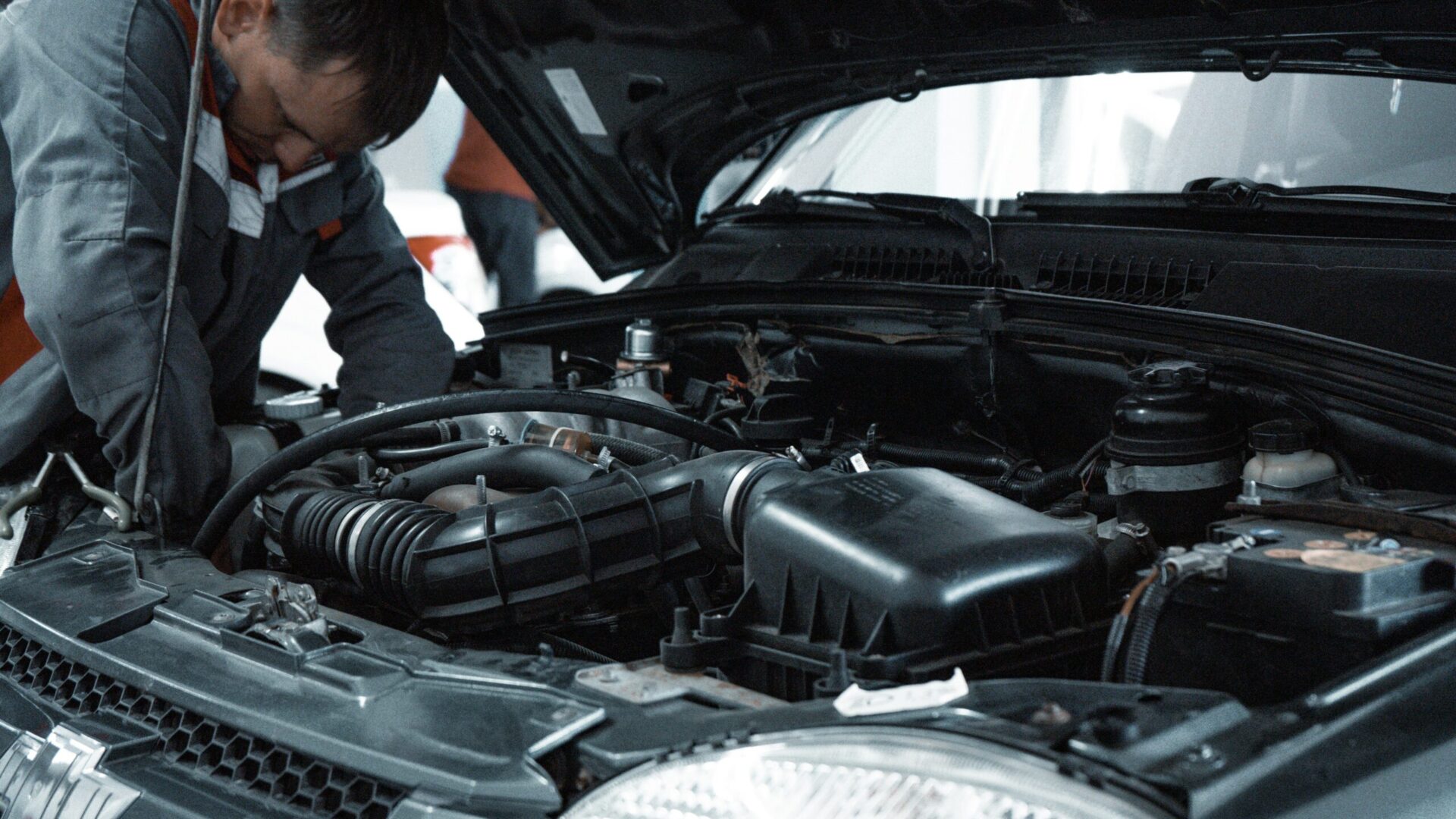
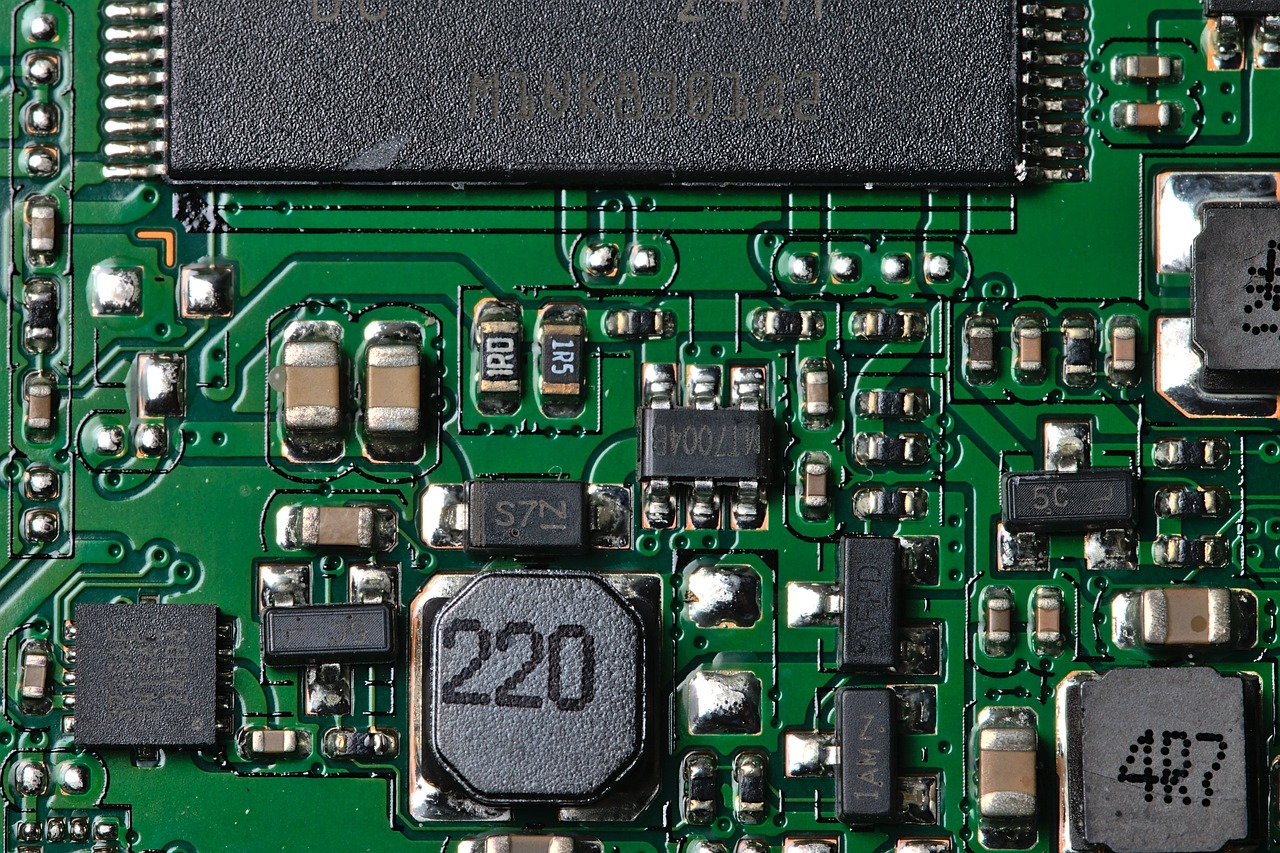
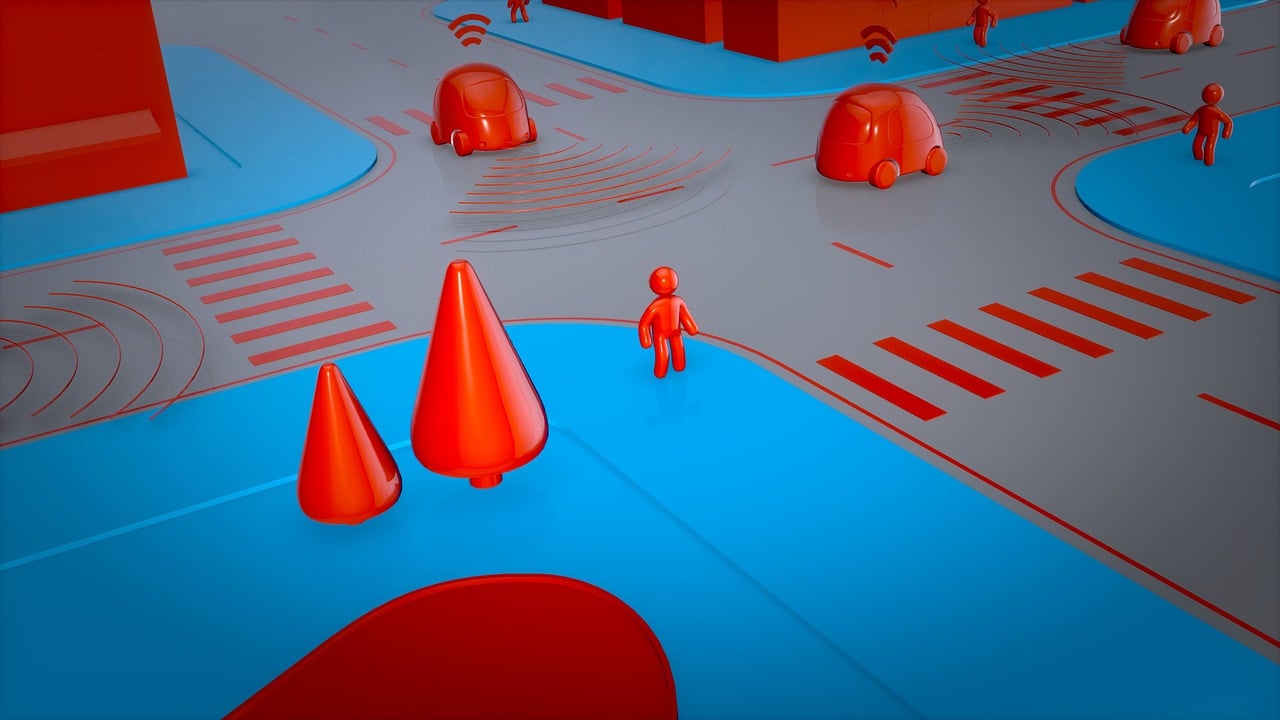
In traditional vehicles, various systems such as engine control, safety features, and infotainment operate independently, each with their own processing power and software. However, with the rise of centralized computing, these systems are being integrated into a single, powerful computer that controls and coordinates all the functions of the vehicle. This central brain, often referred to as the “domain controller,” is responsible for processing vast amounts of data in real-time, making it possible for advanced safety features, improved fuel efficiency, and enhanced driver experiences.
The Shift Toward Centralized Computing in Vehicles Five Main Benefits
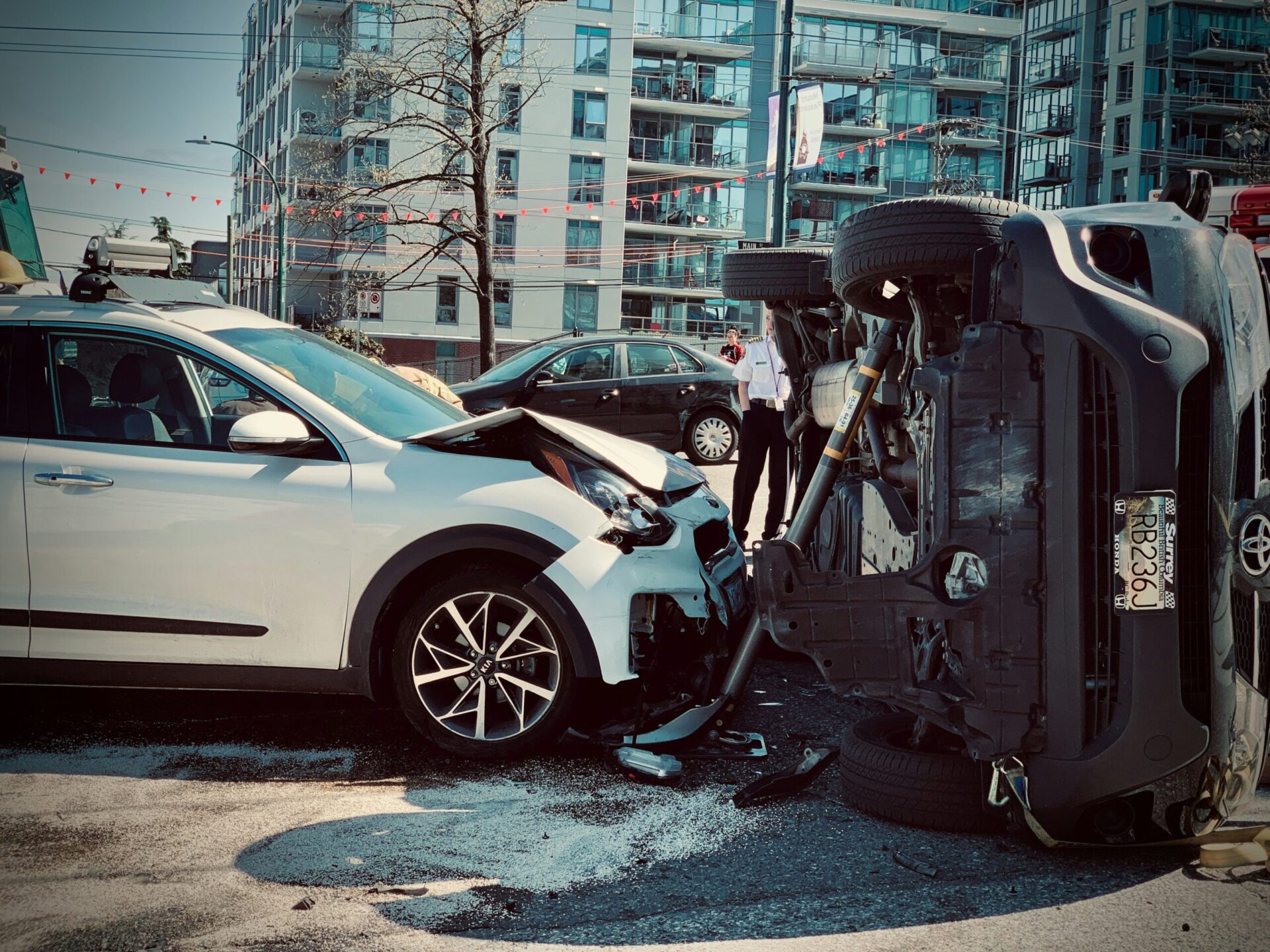
- Improved Safety: Centralized computing enables advanced safety features such as automatic emergency braking, lane departure warning, and blind-spot detection. By processing data from various sensors and cameras, the domain controller can quickly respond to potential hazards, reducing the risk of accidents.
- Enhanced Fuel Efficiency: With centralized computing, vehicles can optimize engine performance, transmission, and braking to achieve better fuel economy. This is achieved by analyzing data from sensors, GPS, and other sources to optimize energy consumption.
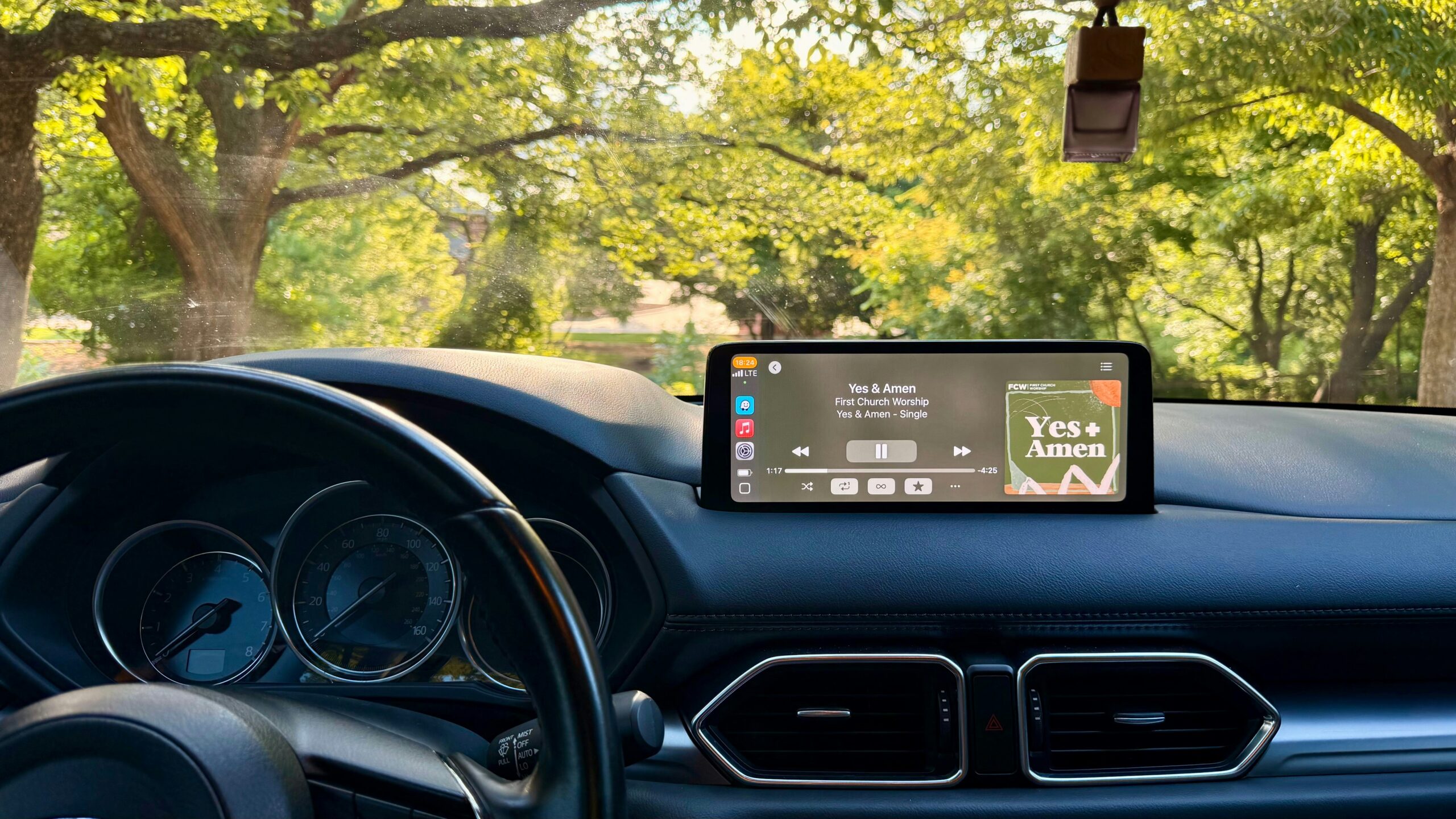
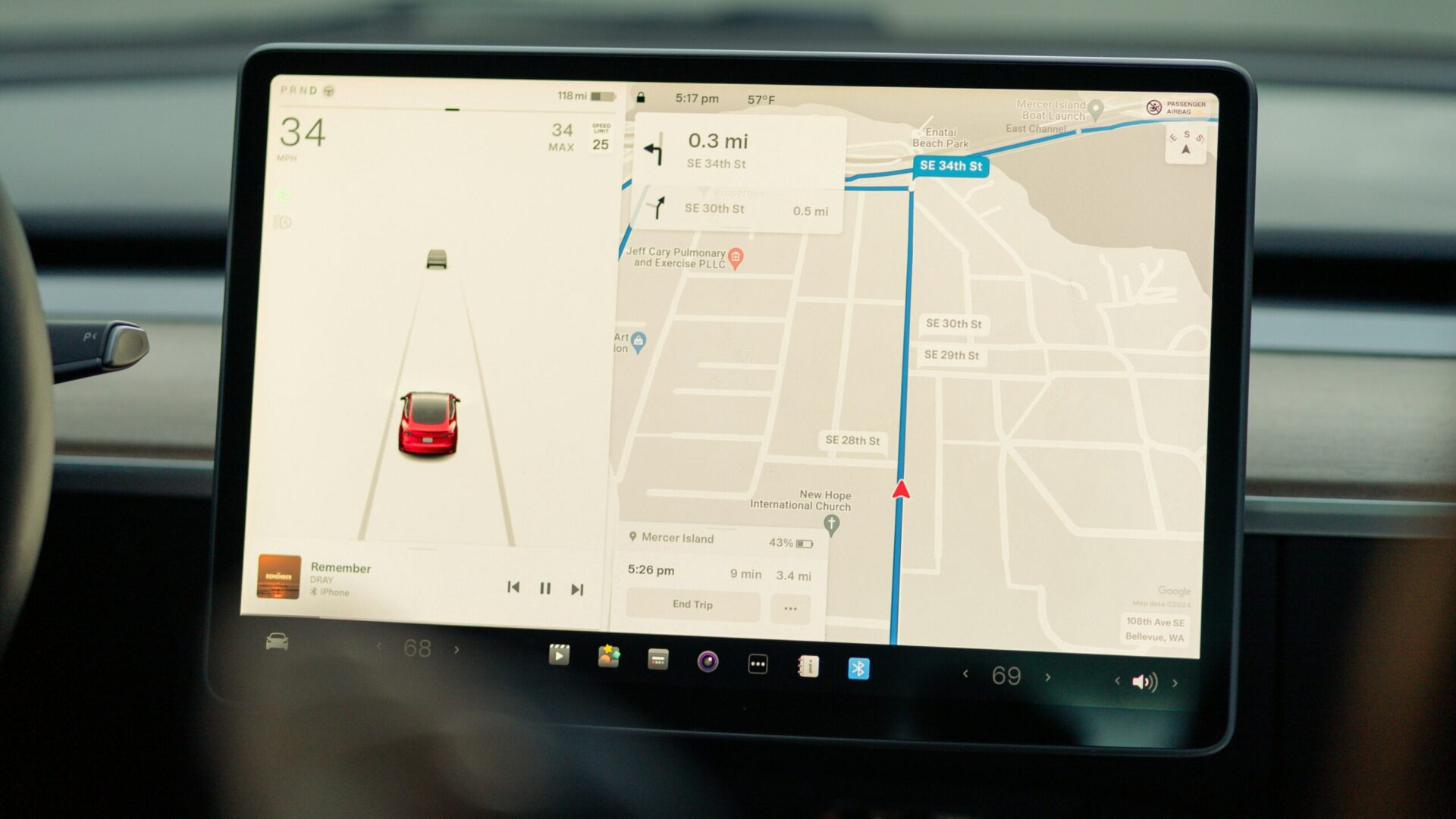
- Seamless Connectivity: Centralized computing enables seamless integration with smartphones, allowing drivers to access their favorite apps, music, and navigation systems on the car’s infotainment screen. This also enables over-the-air software updates, ensuring that vehicles stay up-to-date with the latest features and security patches.
- Personalized Driving Experiences: With centralized computing, vehicles can learn drivers’ habits and preferences, adjusting settings such as temperature, seat position, and audio settings to create a personalized driving experience.
- Cost Savings: By reducing the number of individual computers and sensors, centralized computing can lead to cost savings for manufacturers, which can be passed on to consumers.
How The Shift Toward Centralized Computing in Vehicles is Changing the Automotive Industry
The shift toward centralized computing in vehicles is driving significant changes in the automotive industry. Here are a few key trends:
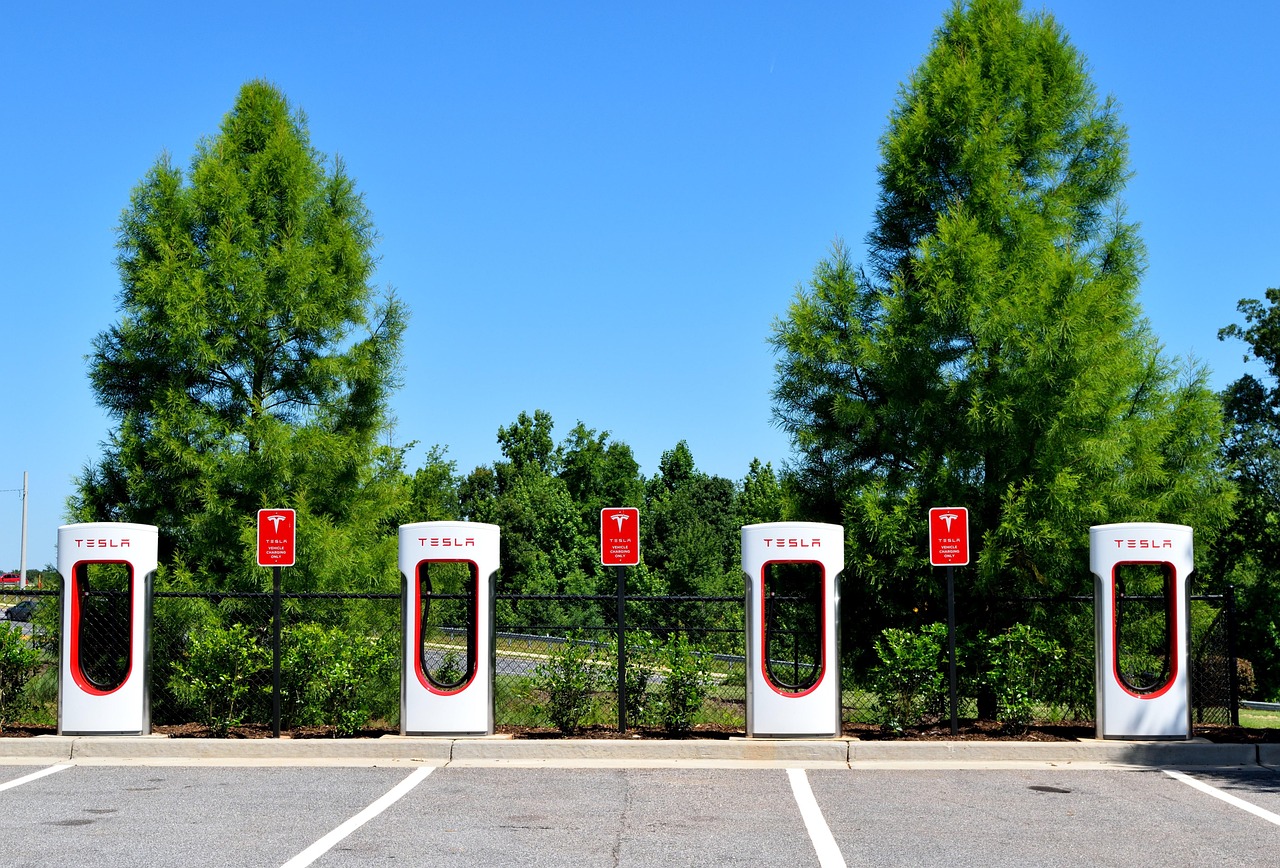
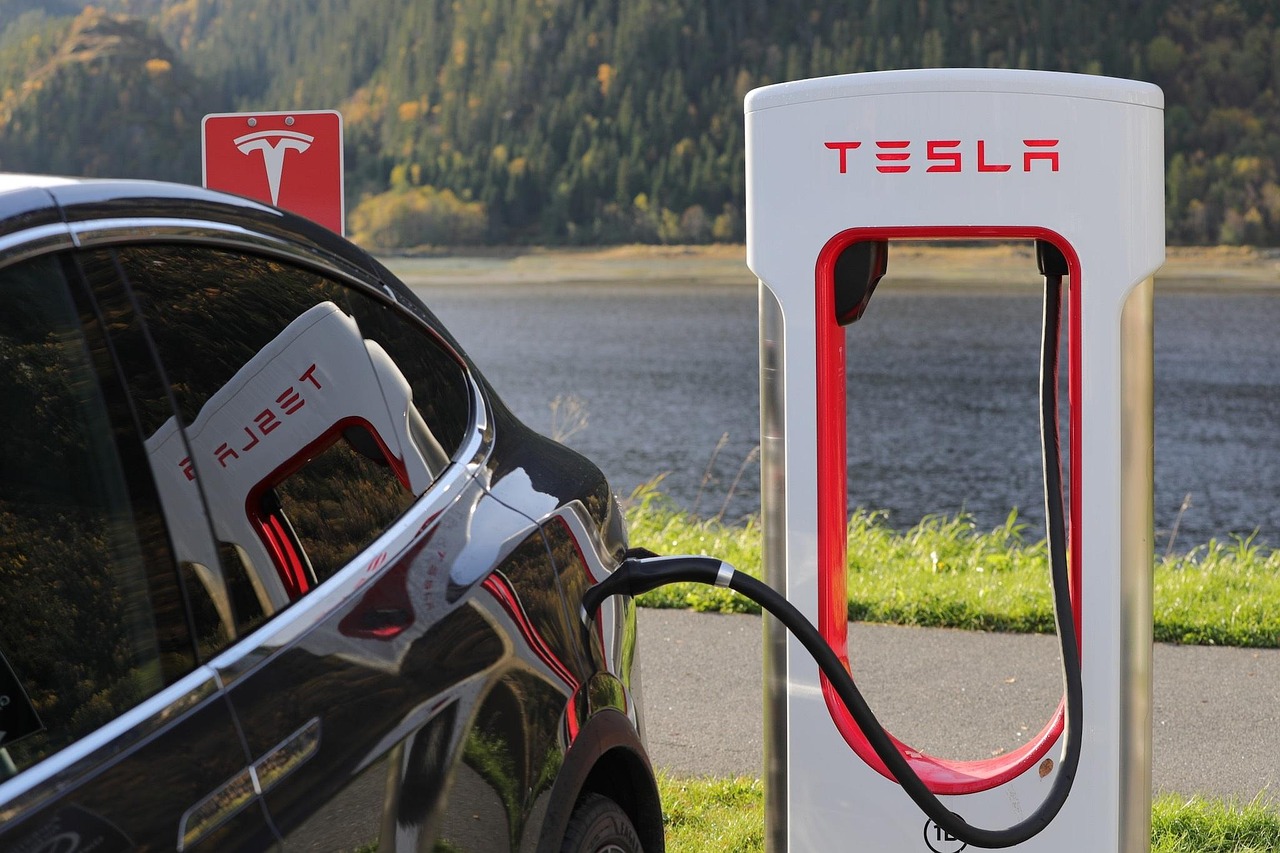
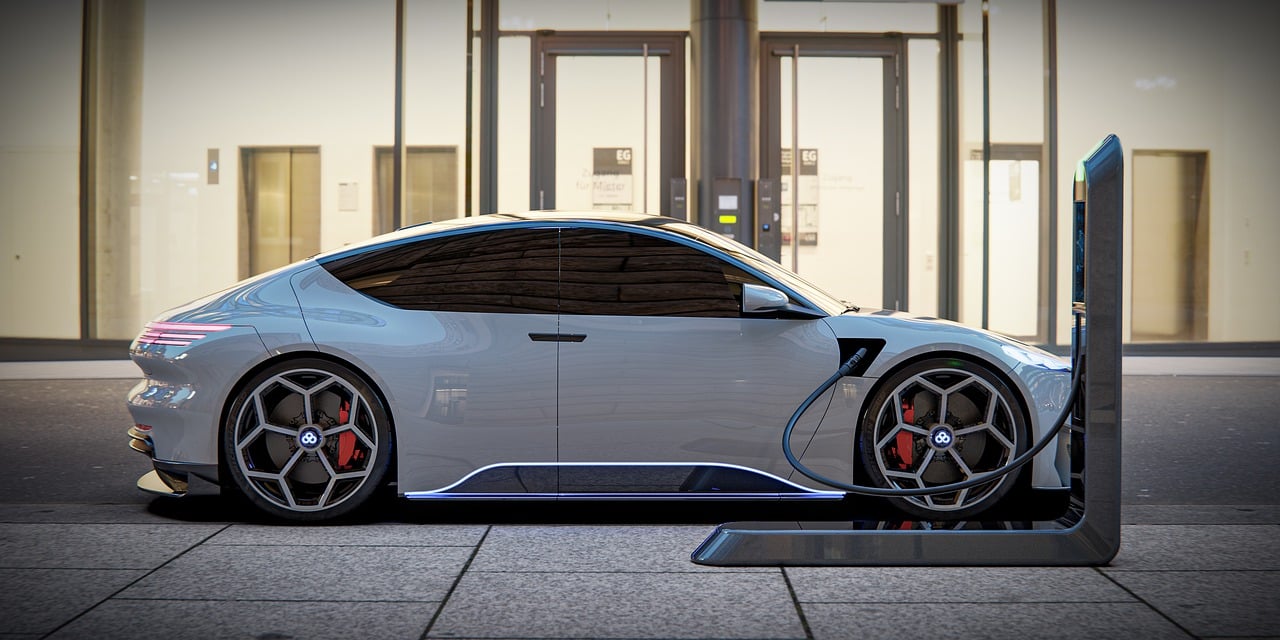
- Electrification: As vehicles become increasingly reliant on software and computing power, electric vehicles are becoming more viable. Centralized computing enables the efficient management of electric powertrains, paving the way for widespread adoption of EVs. Click here for more on EVs.
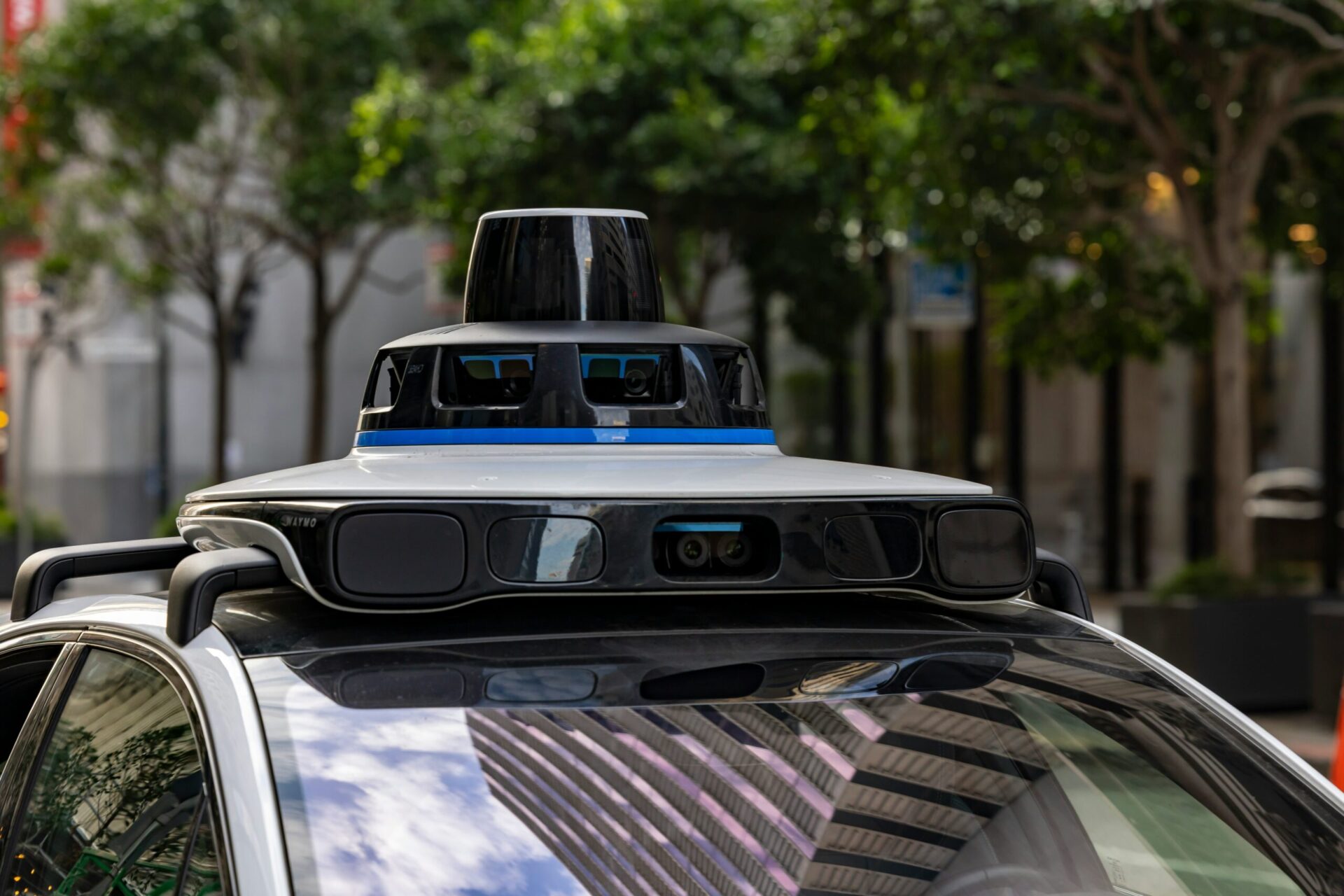
- Autonomous Vehicles: Centralized computing is a critical component of autonomous vehicles, enabling the processing of vast amounts of data from sensors, cameras, and other sources to enable safe and efficient self-driving. Click here to learn about those same sensors and cameras sending your private data to automakers.
- Software-Defined Vehicles: With centralized computing, vehicles are becoming software-defined, meaning that their functionality and features can be updated and customized through software updates, rather than requiring physical modifications. Click here to learn more about OTA updates.
- New Business Models: Centralized computing is enabling new business models, such as subscription-based services for advanced safety features, infotainment systems, and vehicle maintenance. Click here to learn how people feel about subscriptions in autos.
Conclusion
The shift toward centralized computing in vehicles is transforming the automotive industry, offering numerous benefits for car owners, manufacturers, and the environment. As vehicles become increasingly reliant on software and computing power, we can expect to see further innovations in safety, efficiency, and driver experience. To learn about some of the negatives, mostly privacy concerns, associated with the shift toward centralized computing in vehicles, click here.
Whether you’re a tech enthusiast, a car enthusiast, or simply a driver looking for a safer and more convenient ride, centralized computing is an exciting development that’s worth your attention.





















Leave a Reply
You must be logged in to post a comment.