
























What is Right-to-Repair?
Before we get into how Right-to-Repair laws affect car owners, we should know what does Right-to-Repair mean. Right-to-Repair is a movement, thanks to people like Louis Rossmann, that advocates for consumers’ and independent repair shops’ access to the same diagnostic and repair information as dealerships and manufacturers. In essence, the most important principle in how Right-to-Repair affects car owners is giving car owners the freedom to choose how they maintain and repair their vehicles.
One way to understand how Right-to-Repair laws affect car owners is to imagine you own a 2015 Honda Civic with a faulty transmission. Under current laws, you might be forced to take your car to a Honda dealership for repairs, which can be expensive and time-consuming. But with Right-to-Repair, you could take your car to an independent mechanic or even fix it yourself, using affordable, aftermarket parts.
How Do Right-to-Repair Laws Work?
One of the main tenets of how Right-to-Repair laws affect car owners is that they require manufacturers to provide access to the following:
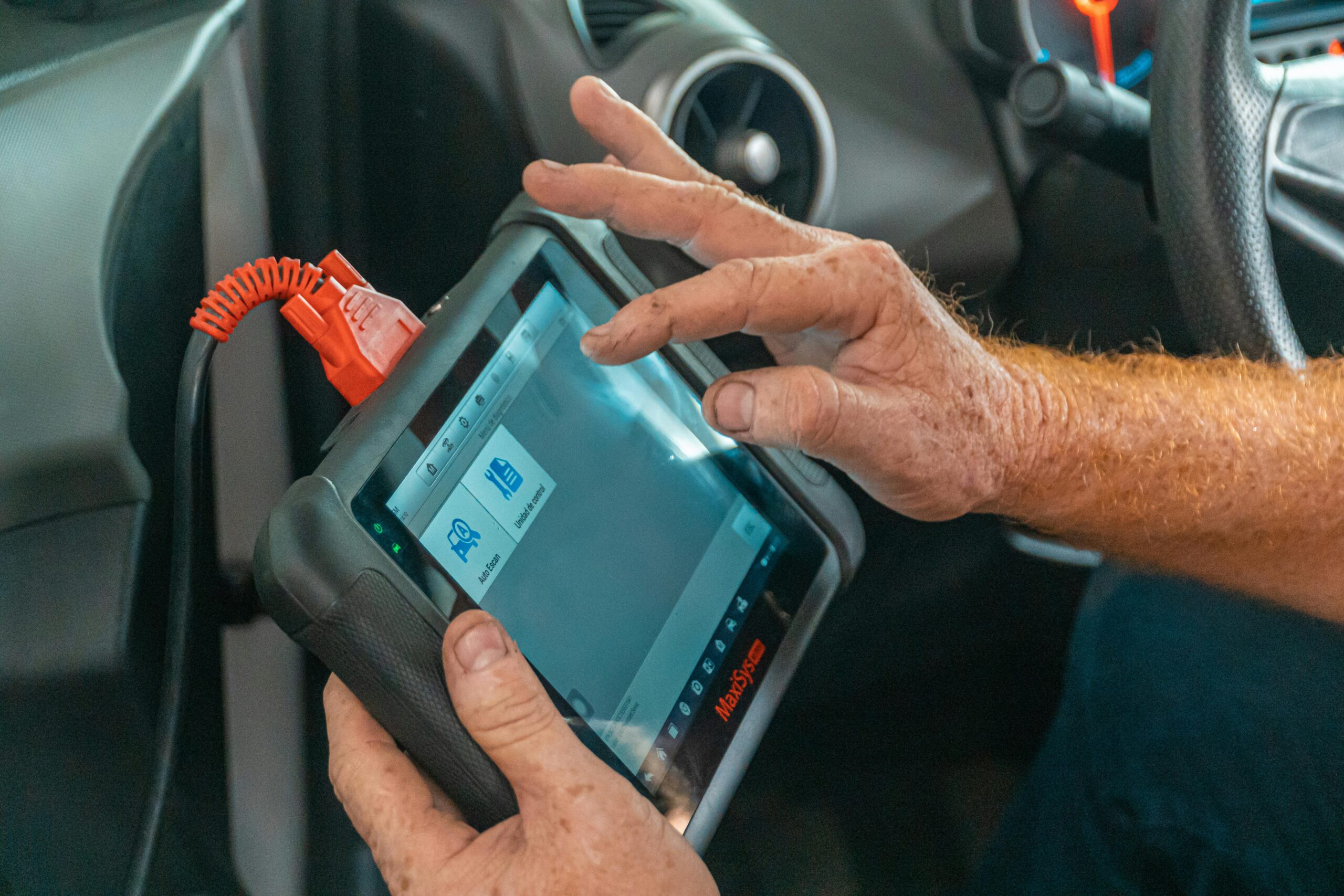
- Diagnostic information: Manufacturers must share diagnostic codes, trouble codes, and other data that helps mechanics identify and fix problems. Click here to learn more about interpreting diagnostic codes.
- Repair information: Manufacturers must provide detailed repair manuals, diagrams, and instructions for fixing common issues.
- Parts availability: Manufacturers must make genuine or equivalent parts available to independent repair shops and consumers.
How Right-to-Repair laws affect car owners is by leveling the playing field with the above requirements, allowing independent mechanics to compete with dealerships and giving consumers more choices.
The Benefits of Right-to-Repair Laws
So, how does Right-to-Repair laws affect car owners, like you? Here are some significant benefits:
- 1. Cost savings: With more repair options, you can shop around for better prices and find affordable alternatives to dealership repairs.
- 2. Increased competition: Independent mechanics can offer competitive pricing and services, driving down costs and improving overall quality.
- 3. More repair choices: You’re no longer limited to dealerships or manufacturer-approved repair shops. You can choose who fixes your car and how it’s done.
- 4. Environmental benefits: By promoting the use of aftermarket parts and extending the life of vehicles, Right-to-Repair laws can reduce waste and support sustainability.
- 5. Job creation: As independent repair shops thrive, they’ll create new job opportunities and stimulate local economies.
The Impact on Auto Maintenance Markets
Another way how Right-to-Repair laws affect car owners is they are already reshaping the auto maintenance market in several states, including Massachusetts, California, and Vermont. Here’s what’s happening:
- 1. Shift to independent repair shops: As consumers gain more control over repairs, independent shops are seeing an increase in business, forcing dealerships to adapt and become more competitive.
- 2. Rise of aftermarket parts: With more access to repair information, aftermarket parts manufacturers are seeing a surge in demand, offering affordable alternatives to OEM parts.
- 3. New business models: Companies like RepairSmith and YourMechanic are emerging, offering mobile repair services and subscription-based maintenance plans that cater to consumers’ changing needs.
- 4. Increased transparency: Right-to-Repair laws promote transparency in repair costs, procedures, and parts, making it easier for consumers to make informed decisions.
The Future of Auto Maintenance
As Right-to-Repair laws continue to gain momentum, how Right-to-Repair laws affects car owners can expect to see significant changes upcoming in the auto industry. Here are a few predictions:
- 1. More states will adopt Right-to-Repair laws: As consumers become more aware of their rights, more states will follow the lead of Massachusetts, California, and Vermont.
- 2. Dealerships will adapt: To remain competitive, dealerships will need to offer more affordable and transparent repair services, potentially leading to a shift in their business models.
- 3. New technologies will emerge: With increased access to repair information, startups and entrepreneurs will develop innovative tools and services that make car maintenance easier, faster, and more affordable.
Conclusion
How Right-to-Repair laws are affecting car owners now is by revolutionizing the auto maintenance and repair markets, by giving consumers more control, choices, and savings. As these laws continue to spread, we can expect to see a more competitive, transparent, and sustainable market that benefits car owners, independent mechanics, and the environment.
Remember how Right-to-Repair affects car owners like you the next time your car needs repairs or maintenance, that you have the right to choose who fixes it, how it’s done, and what parts are used. The power is in your hands. I’ve included some more information below about the Right-to-Repair movement.
Right-to-Repair is a right not a privilege.
To learn more about Right-to-Repair:
Louis Rossmann | Founder, Right to Repair Advocate, Electronics Technician | Rossmann Group





























Leave a Reply
You must be logged in to post a comment.