
























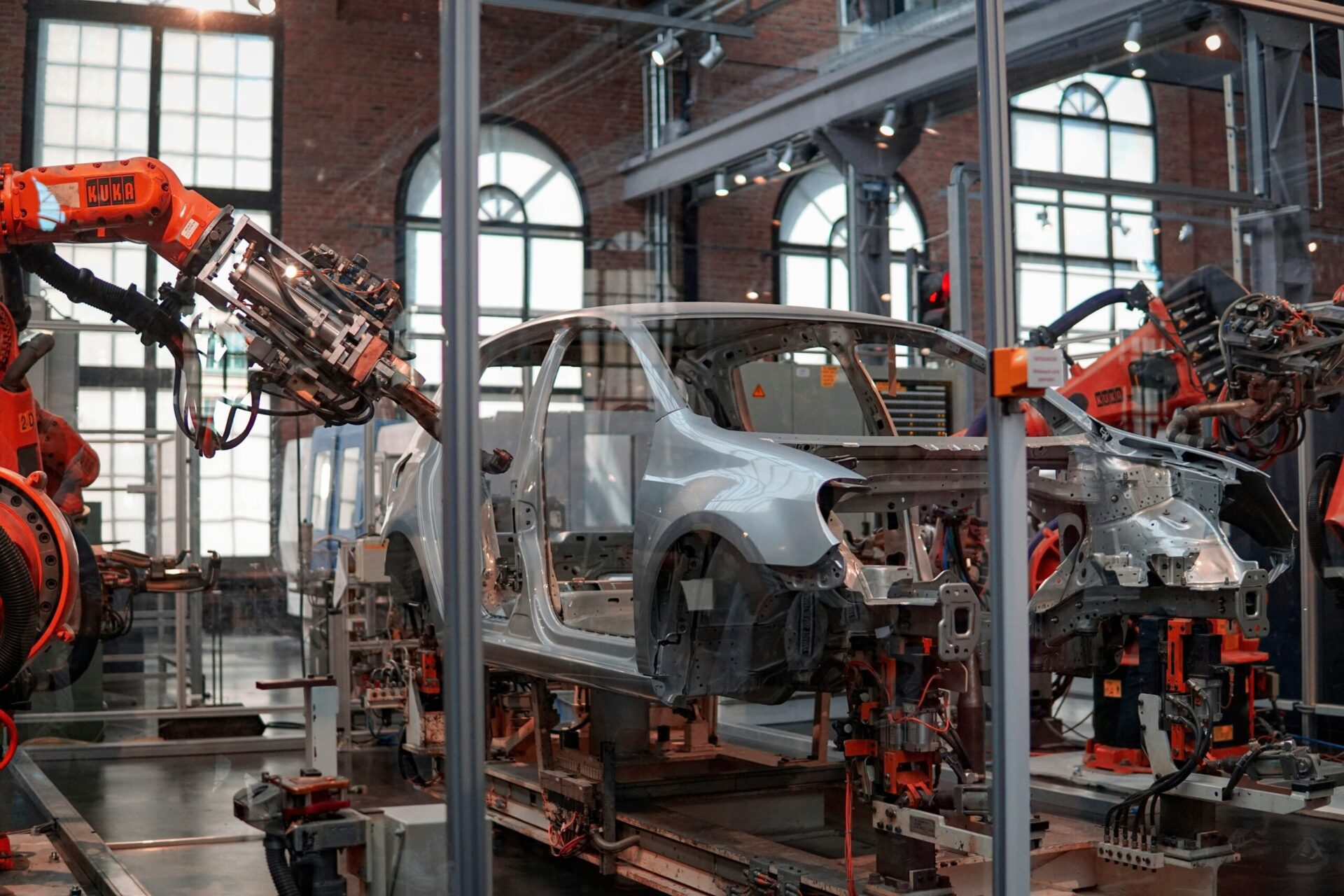
The global automaker competitive landscape has undergone significant changes in recent years, driven by shifting consumer preferences, technological advancements, and changing regulatory requirements.
How Global Automakers Compete Worldwide
As a result, major automakers are adapting their strategies to stay ahead of the competition and meet the evolving needs of customers. In this article, we’ll explore the current state of how global automakers compete worldwide, the global automaker competitive landscape, highlighting key trends, players, and implications for consumers.
Shifting Consumer Preferences
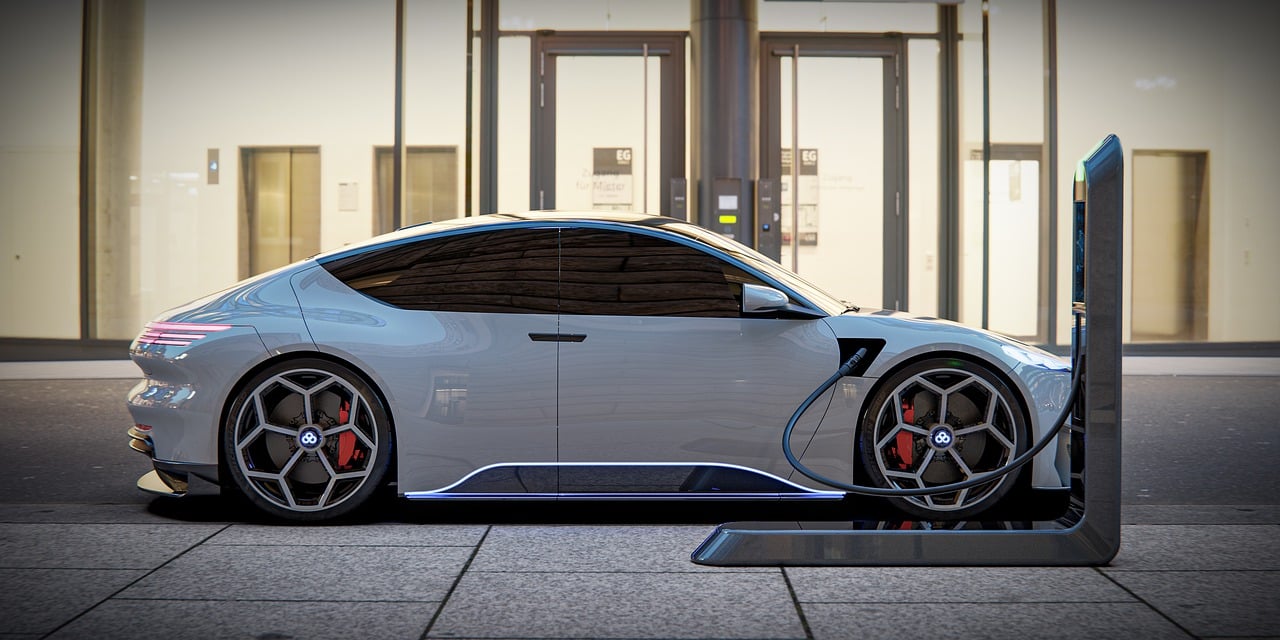
One of the primary drivers of change affecting how global automakers compete worldwide is shifting consumer preferences. With growing concerns about climate change, air quality, and environmental sustainability, consumers are increasingly seeking eco-friendly and fuel-efficient vehicles. According to a recent survey, 71% of Americans consider the environmental impact of a vehicle when making a purchase decision. This shift has led automakers to invest heavily in electric and hybrid vehicles, as well as alternative propulsion technologies. Recently however, automakers are pulling back their EV investments.
Originally, Volkswagen has committed to launching 70 new electric models by 2029, with a goal of becoming carbon neutral by 2050. Similarly, General Motors has announced plans to offer 20 electric models by 2025, with a focus on affordable, long-range options. These investments were driven by consumer demand for more sustainable transportation options and the need to comply with increasingly stringent emissions regulations. But since the new administration in the white house has rescinded those stringent emissions regulations, and coupled with eye-popping financial losses, the drive towards EVs has slowed down immensely in the United States.
Electrification and Autonomous Driving
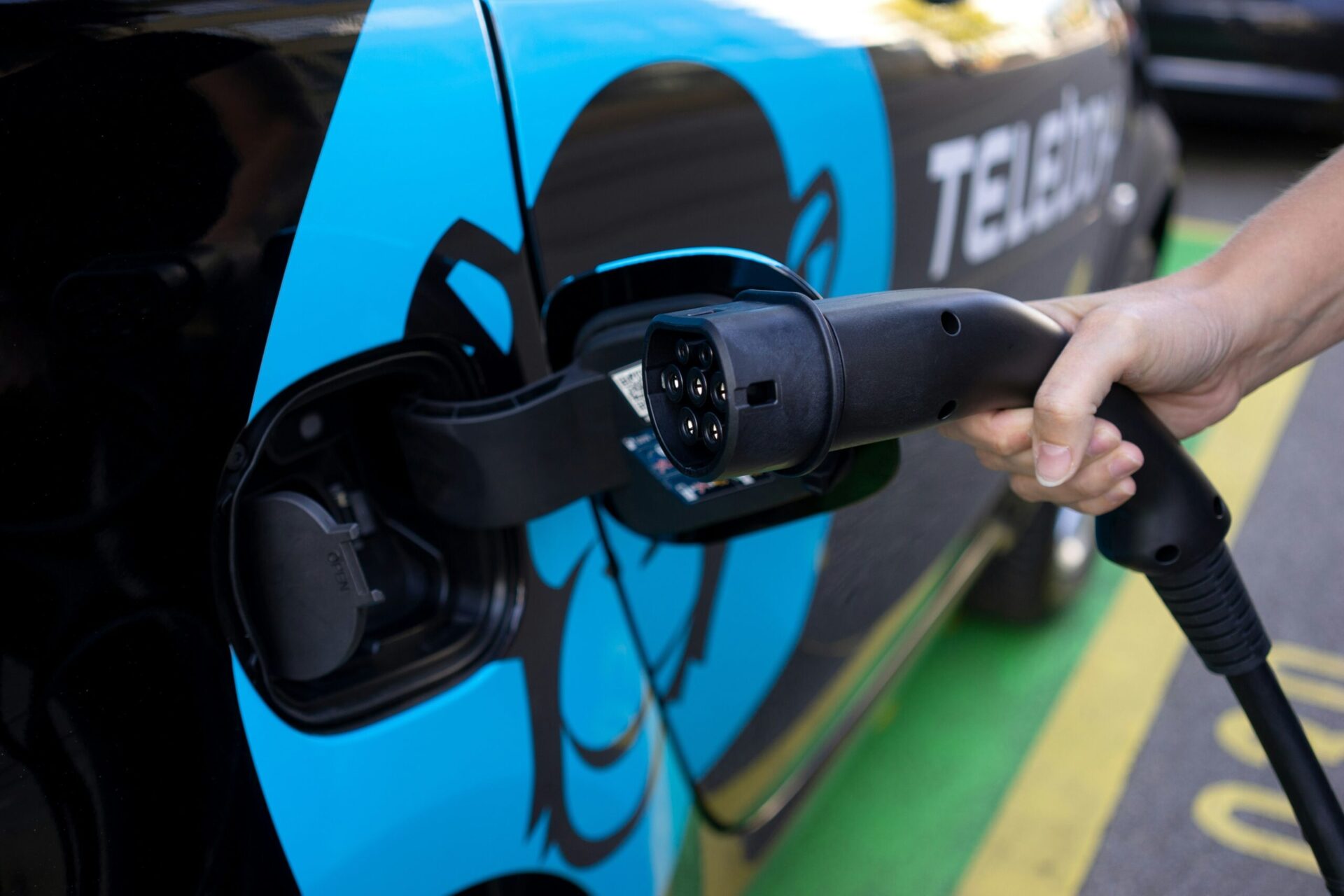
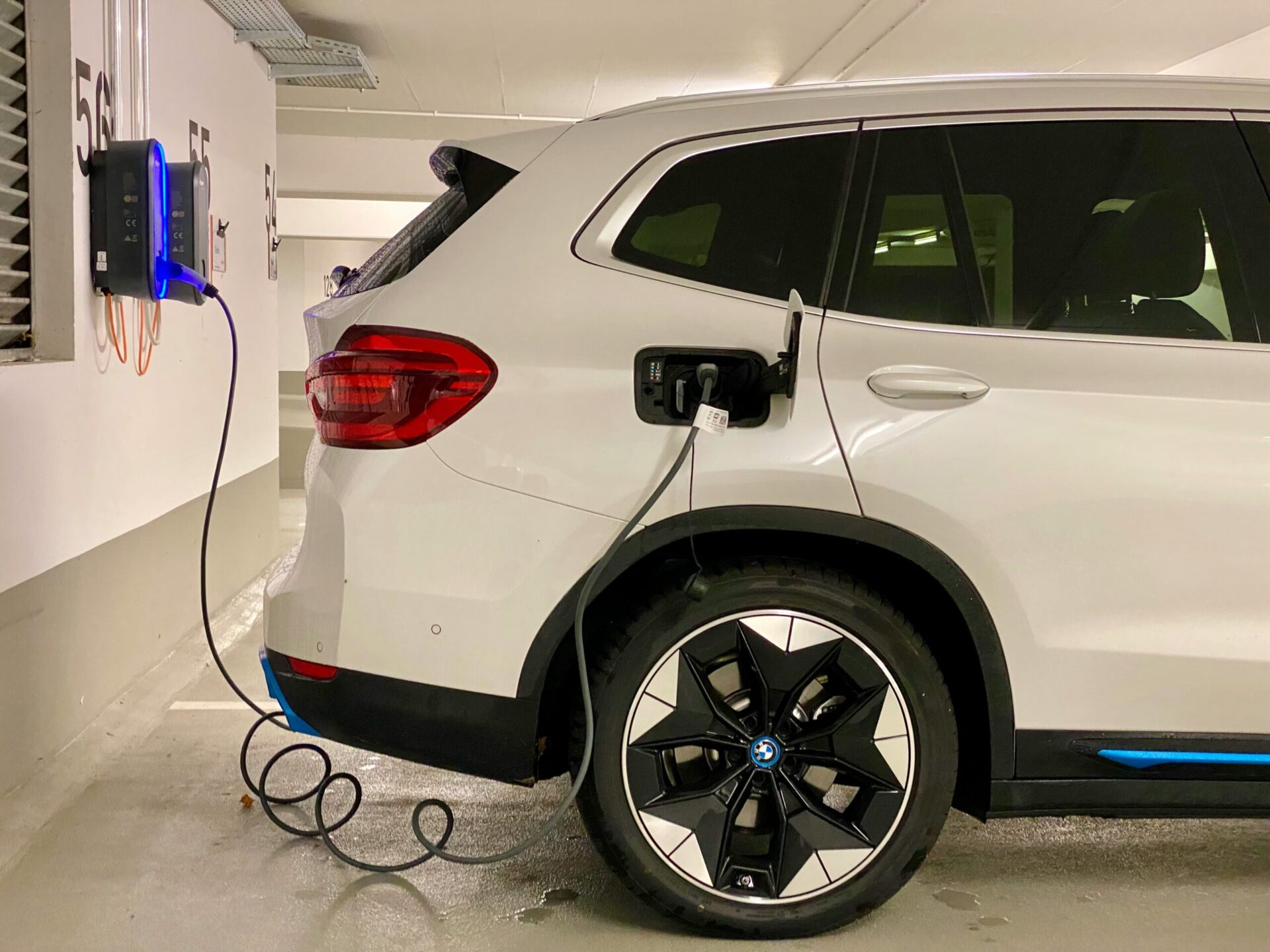
Electrification and autonomous driving are two key areas of focus for how global automakers compete worldwide. Before the Trump Administration, governments around the world were implementing stricter emissions standards, electric vehicles (EVs) were important for meeting regulatory requirements. In the US, for instance, the California Air Resources Board has set a goal of having 5 million EVs on the road by 2030. Click here for more information on EVs.
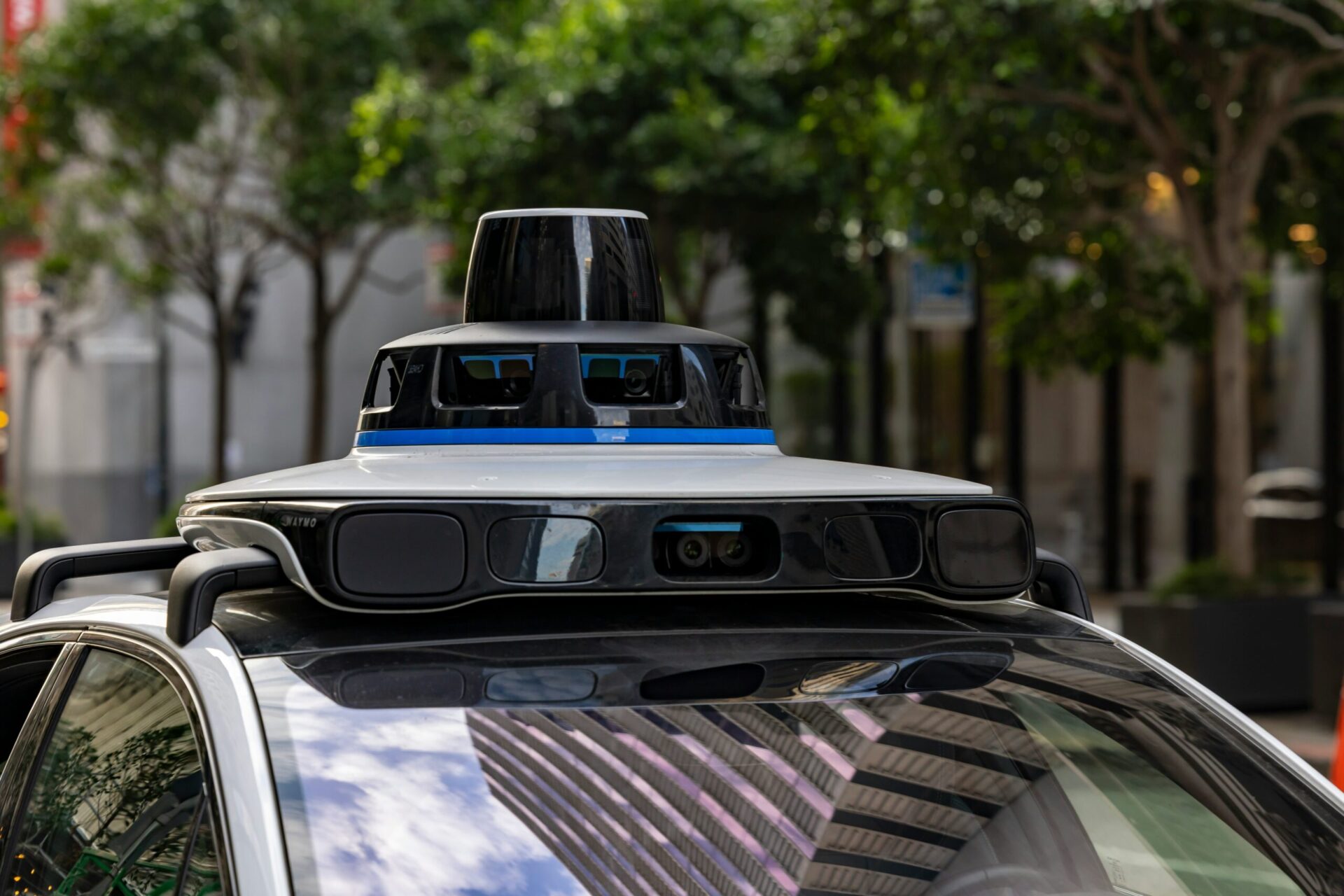
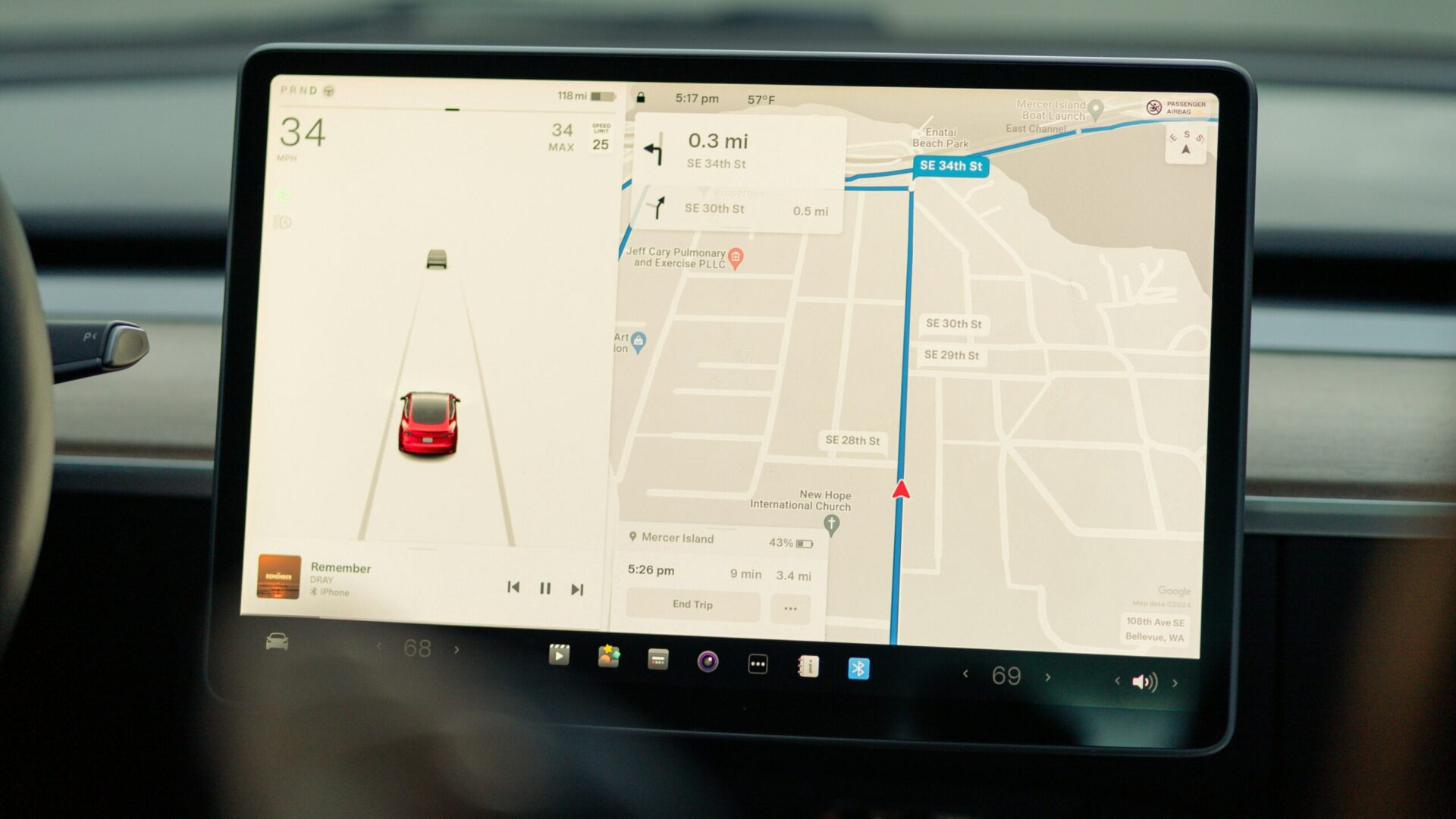
Meanwhile, autonomous driving technology is still rapidly advancing and affecting how global automakers compete worldwide, with many automakers investing in research and development to stay ahead of the curve. Companies like Waymo (formerly Google Self-Driving Car project) and Cruise (backed by General Motors) are leading the charge, with plans to launch commercial autonomous ride-hailing services in the near future.
Global Players and Market Share
How global automakers compete worldwide is dominated by a few major players, with the top 10 manufacturers accounting for over 80% of global sales. Here’s a breakdown of market share:
- Toyota: 14.4%
- Volkswagen: 12.9%
- General Motors: 10.8%
- Ford: 8.4%
- Honda: 6.2%
- Nissan: 5.8%
- Hyundai/Kia: 5.5%
- Peugeot: 4.5%
- Renault: 4.3%
- Fiat Chrysler Automobiles (FCA): 4.1%
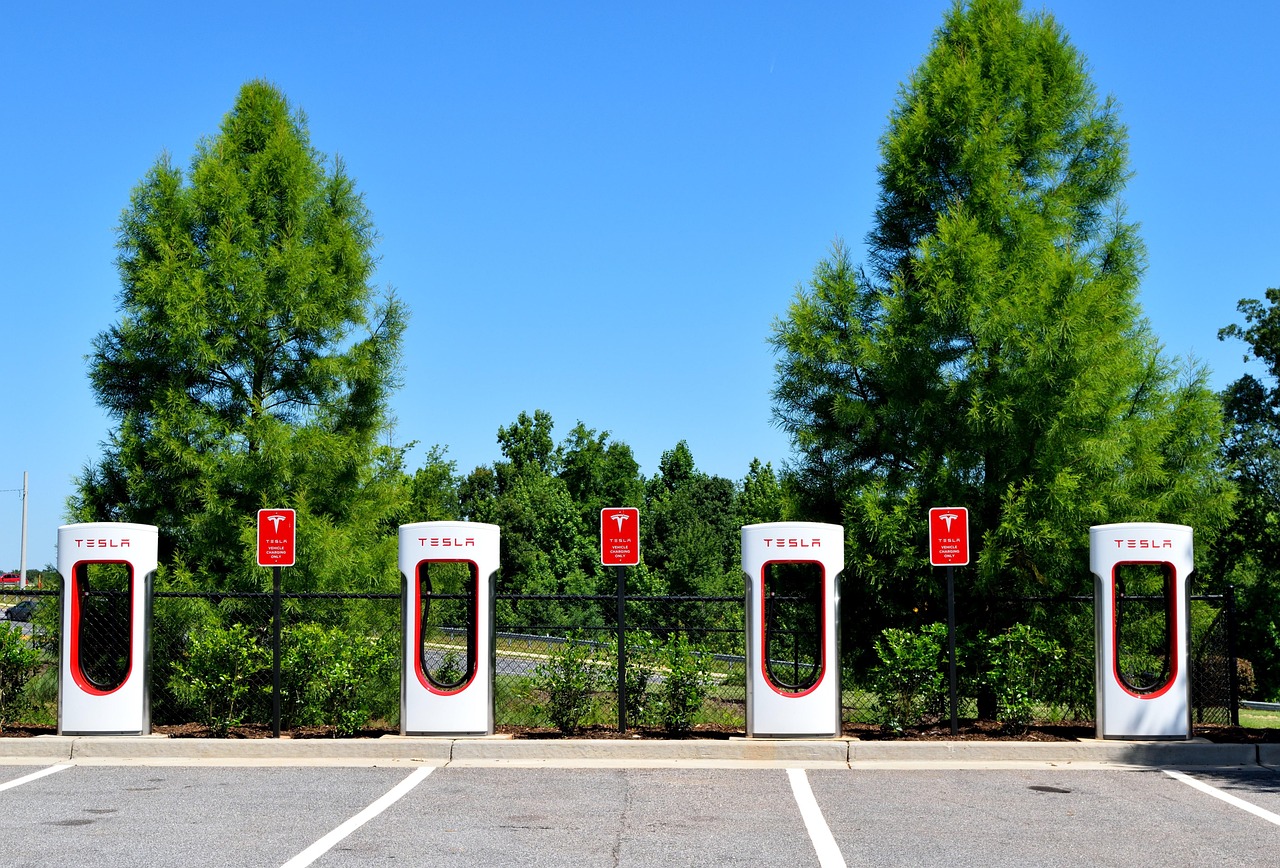
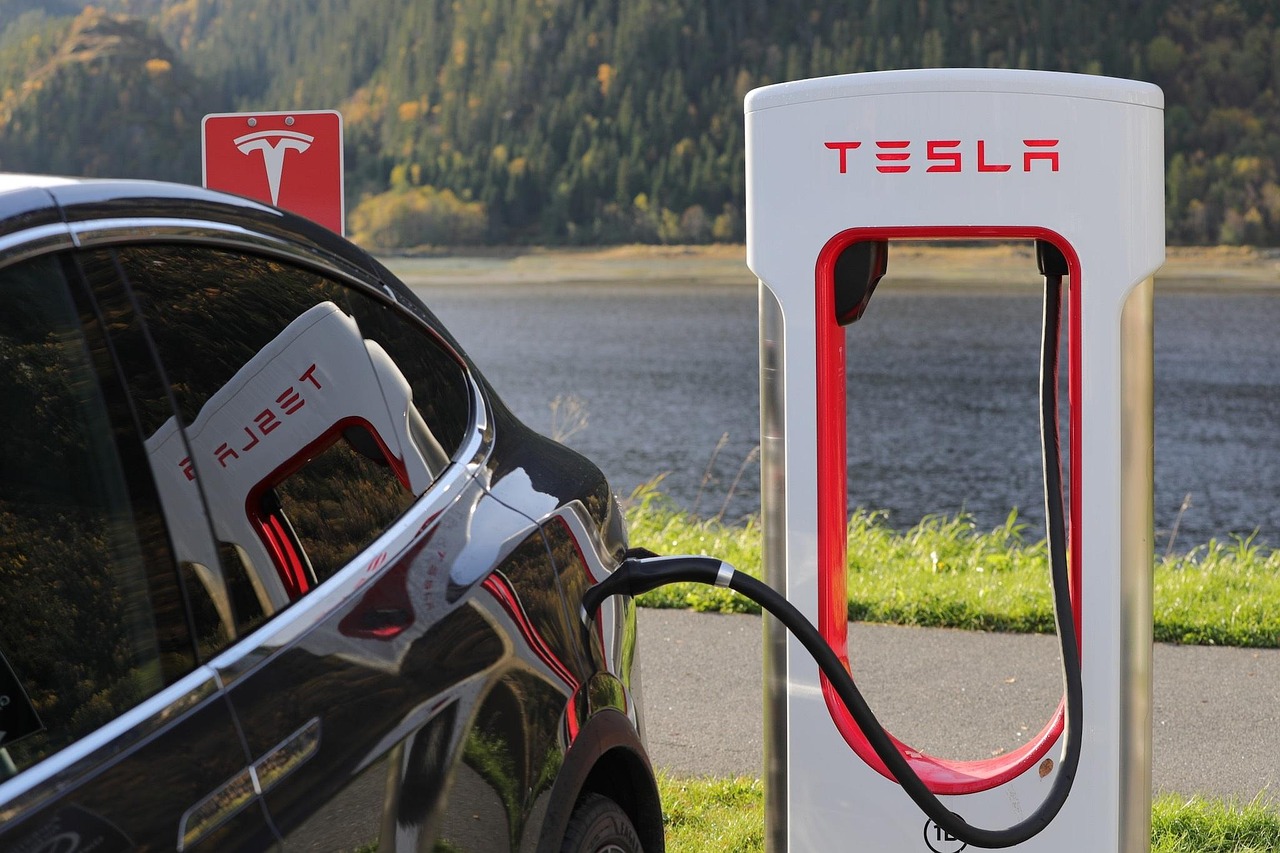
While these players dominate the market, new entrants like Tesla, Rivian, and Byton are disrupting the status quo with innovative electric and autonomous offerings. Tesla, in particular, has become a major force in the industry, with a market capitalization of over $1.5 trillion as of 2/14/2026.
Implications for Consumers
So, what does this mean for consumers? Here are a few key takeaways:
- Increased choice: With the rise of new players and innovative technologies, consumers have more options than ever before. Whether you’re looking for an eco-friendly EV or a feature-packed autonomous vehicle, there’s a growing range of choices available.
- Improved fuel efficiency: As automakers focus on meeting emissions standards, consumers can expect to see significant improvements in fuel efficiency across the board. This means lower operating costs and reduced environmental impact.
- Enhanced safety features: Autonomous driving technology is rapidly advancing, with many vehicles now offering advanced safety features like lane departure warning, blind spot detection, and automatic emergency braking.
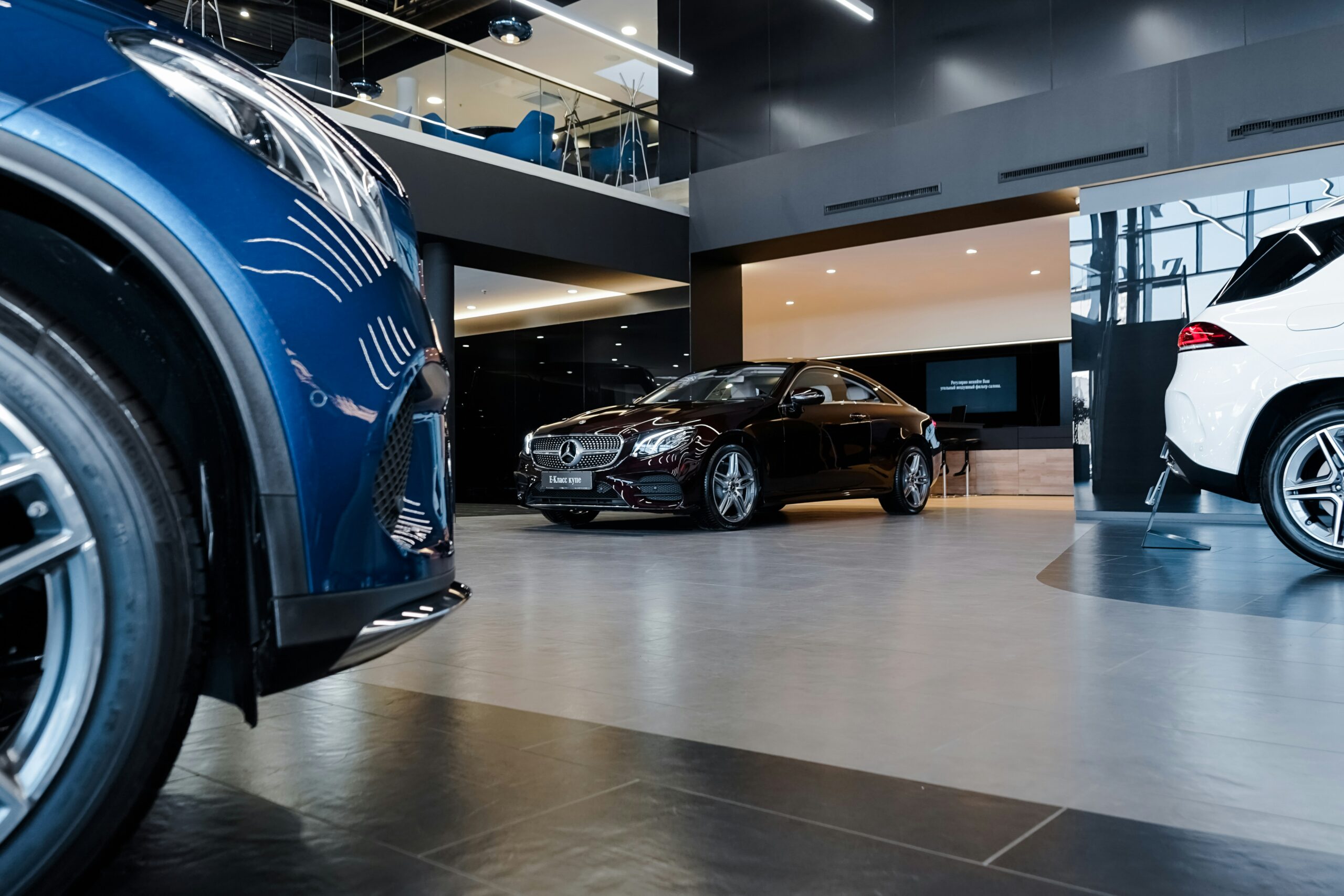
- Changing dealership experience: As online sales and direct-to-consumer models become more prevalent, the traditional dealership experience is evolving. Expect to see more streamlined, tech-enabled buying experiences in the future.
Conclusion
The global automaker competitive landscape is undergoing a significant transformation, driven by shifting consumer preferences, technological advancements, and changing regulatory requirements. As major automakers adapt to these changes, consumers can expect to see a wider range of innovative, eco-friendly, and feature-packed vehicles on the market.
Whether you’re in the market for a new car or simply interested in the future of transportation, understanding the global automaker competitive landscape is essential for making informed decisions and staying ahead of the curve.























Leave a Reply
You must be logged in to post a comment.