

















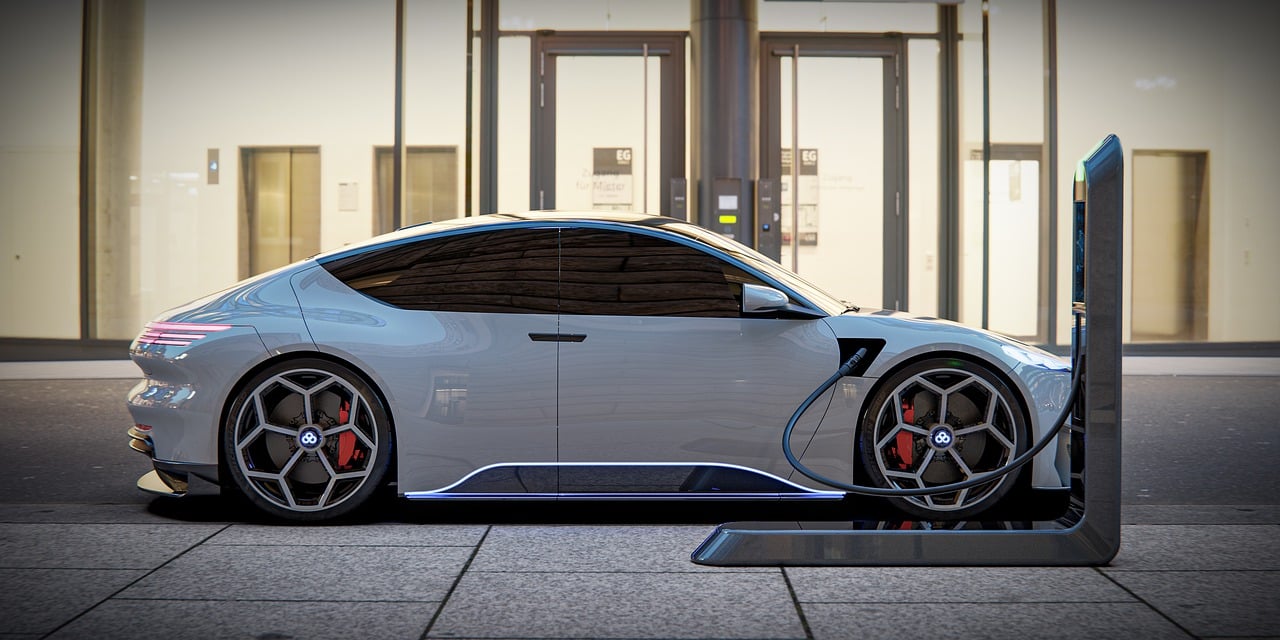
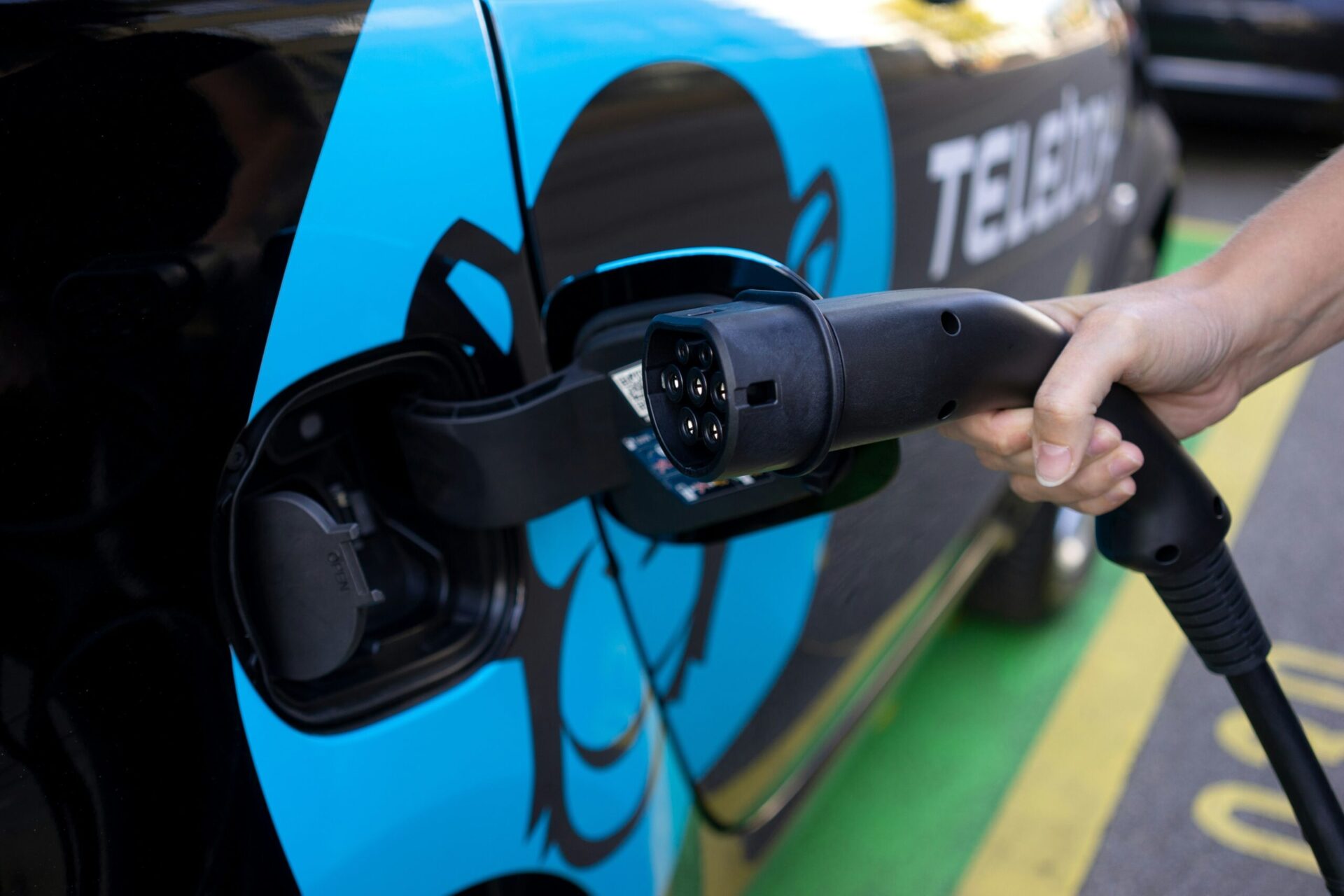
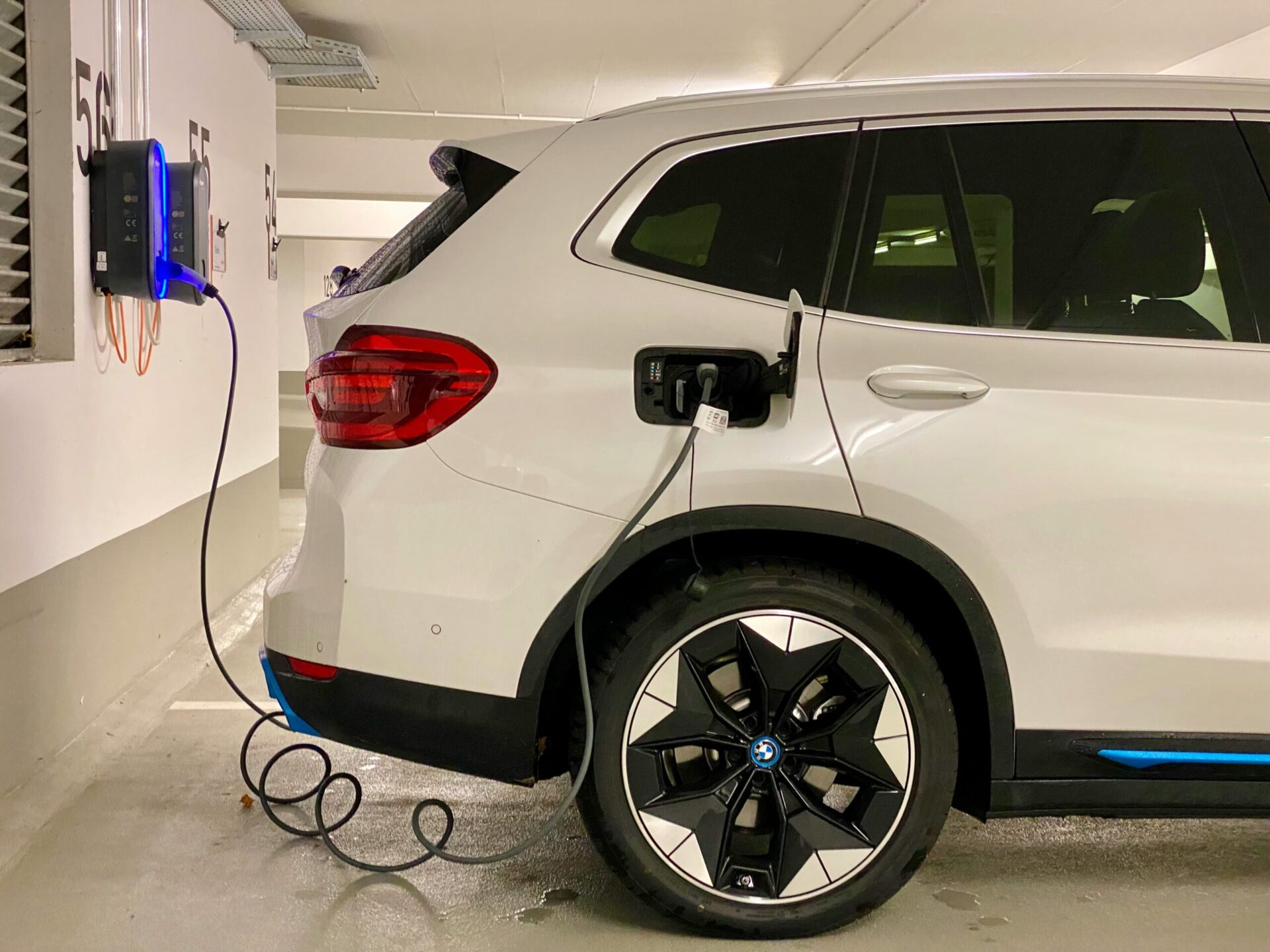
Imagine you’re driving on a road trip, and your electric vehicle (EV) is running low on battery. You stop at a charging station, and as you plug in, you notice the charging speed is lightning-fast at first, but then slows down significantly.
EV Fast-Charging Curves
This phenomenon is known as the fast-charging curve and understanding it can help you optimize your EV charging experience.
What Exactly Are EV Fast-Charging Curves?
The EV fast-charging curves represents the rate at which your EV’s battery charges when connected to a high-power charging station. The curve is typically divided into three stages: rapid charging, moderate charging, and trickle charging.
Stage 1: Rapid Charging (0-80%)
In the first stage of the EV fast-charging curves, the battery charges extremely quickly, often at rates of 53-350 kW, depending on your batteries max-charging speed. This is because the battery is almost empty, and the charging station can supply a large amount of energy without overheating the battery. For example, if your EV has a 75kWh battery, it might take around 35 minutes to charge from 0-80% at a 150-kW charging station.
Stage 2: Moderate Charging (80-90%)
In the second stage of the EV fast-charging curves, as the battery approaches 80% capacity, the charging speed slows down to around 20-70 kW. This is because the battery is getting fuller, and the charging station needs to reduce the power output to prevent overheating. In our previous example, it might take an additional 8-15 minutes to charge from 80-90% at a 150kW charging station.
Stage 3: Trickle Charging (90-100%)
In the final stage, the charging speed slows down dramatically to around 5-20 kW. This is because the battery is almost full, and the charging station needs to trickle-charge the battery to avoid overheating and damage. It might take an additional 10-20 minutes to charge from 90-100% at a 150kW charging station.
Why Does the Fast-Charging Curve Matter?
Understanding the fast-charging curve can help you optimize your EV charging experience in several ways:
- Plan your charging stops: Knowing the charging curve can help you plan your charging stops more effectively. For example, if you’re on a road trip, you might want to stop at a charging station when your battery is around 20-30% full, allowing you to take advantage of the rapid charging stage.
- Save time and money: By charging your EV during the rapid charging stage, you can save time and money. For instance, if you charge your EV from 0-80% in 30 minutes, you’ll spend less time and money compared to charging from 0-100% in an hour.
- Preserve battery health: The fast-charging curve can also help you preserve your EV’s battery health. By avoiding excessive heat generated during rapid charging, you can reduce wear and tear on your battery, extending its lifespan.
Real-World Examples and Tips
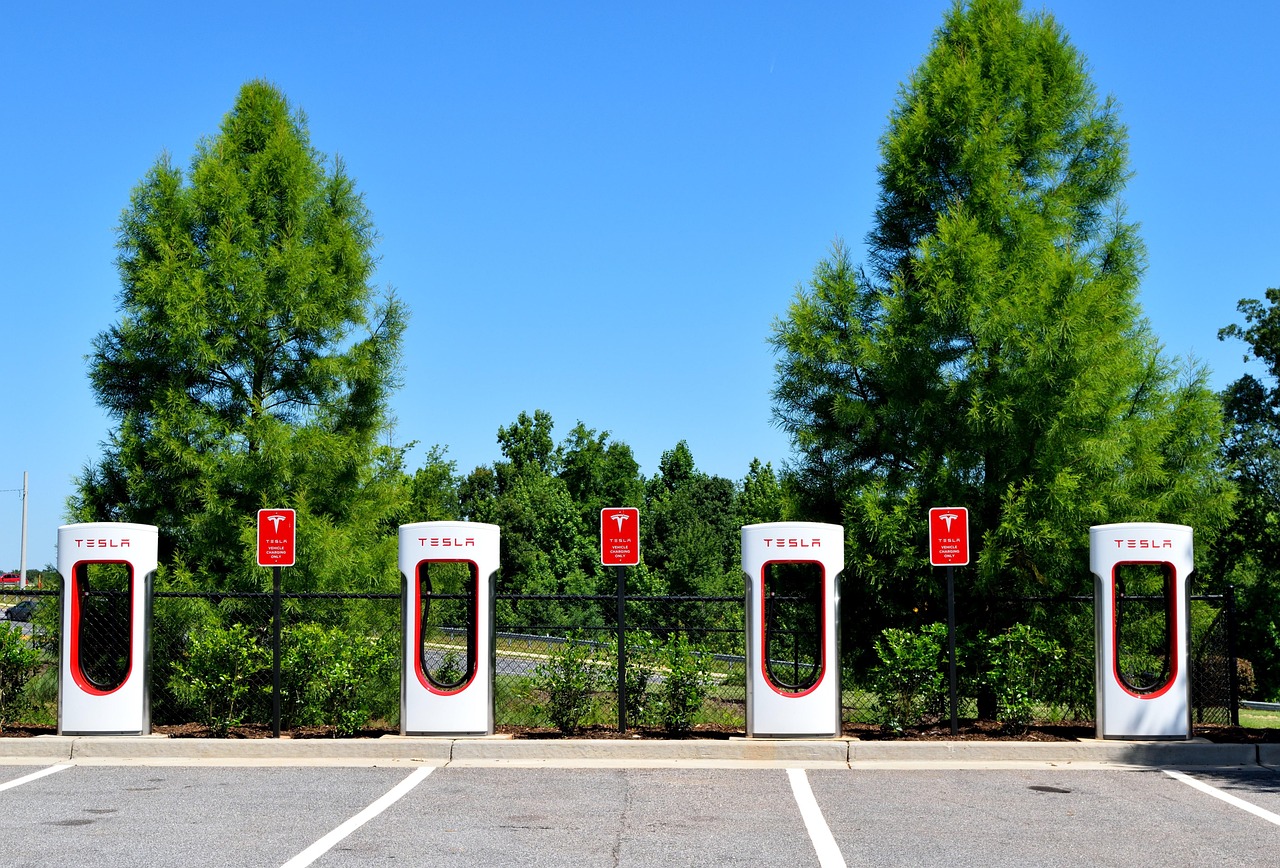
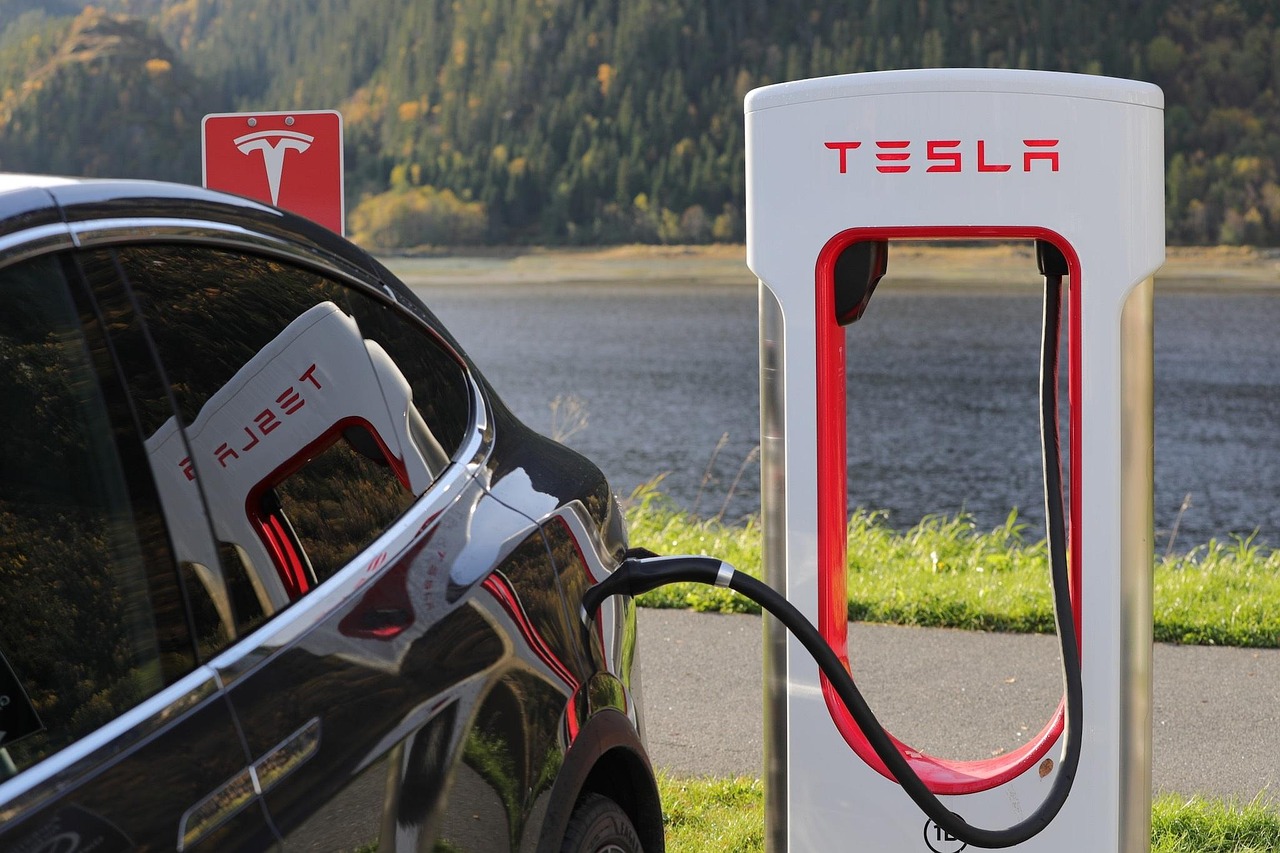
- If you have a Tesla Model 3 with a 75kWh battery, you can expect to charge from 0-80% in around 30-40 minutes at a 150kW Supercharger station, 20-30 minutes at a 250kW Supercharger station.
- If you have a Hyundai Kona Electric with a 64kWh battery, you can expect to charge from 0-80% in around 45-55 minutes at a 100kW charging station.
- To take advantage of the rapid charging stage, try to charge your EV when the battery is between 20-30% full.
- Know your EV’s max-battery charging speed. It’s impossible to charge faster than its max-charging speed.
- Consider using a charging station with a higher power output (e.g., 350kW vs. 50kW) to reduce charging times and take advantage of the rapid charging stage. But if you have a car’s battery has a low-max charging speed, for example, the 2022 Chevy Bolt, which has a max-charging speed of 55kWh, choosing a faster charging station will save roughly a minute. The Bolt’s battery max-charging speed becomes the bottleneck.
Conclusion
EV fast-charging curves is an essential concept for EV owners to understand, as it can help them optimize their charging experience, save time and money, and preserve their battery’s health. By recognizing the three stages of charging and planning their charging stops accordingly, EV owners can make the most of their electric vehicles. Click here for a list of max-charging speeds for EVs.
So, the next time you stop at a charging station, remember to take advantage of the rapid charging stage and make the most of your EV’s capabilities! Click here for more information on EVs and EV batteries.



















Leave a Reply
You must be logged in to post a comment.