














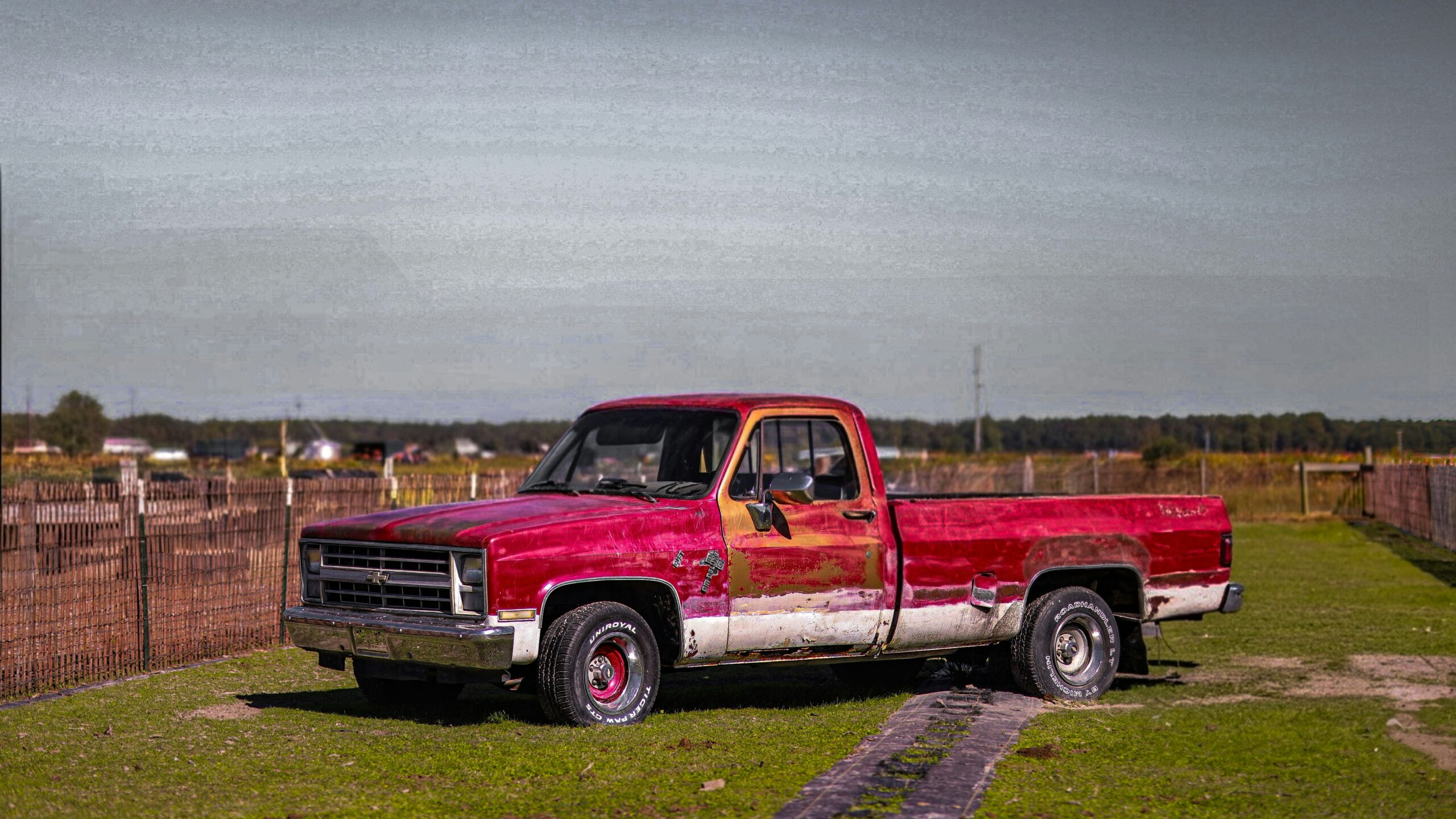






Two identical vehicles — same year, same trim, same mileage — can have completely different lifespans depending on where they spent the last 10 years. A 2015 Toyota Tacoma that lived its whole life in Phoenix is a fundamentally different vehicle than the same truck from Buffalo, New York. One has spent a decade under desert sun; the other has spent a decade marinating in road salt every winter. When you’re shopping for a used car, the region it came from can matter more than the brand or trim level.
Most used car buyers don’t think about this carefully enough. They focus on price, mileage, and Carfax accident history — all important — while overlooking the single biggest long-term reliability factor: regional environmental exposure. This guide uses real data from Carfax, AAA, and government sources to help you understand which regions produce the best used cars, which ones to avoid, and how to verify what you’re actually buying.
Why Region Matters More Than Most Buyers Realize
Three environmental factors do the majority of long-term damage to used vehicles: road salt, prolonged heat, and humidity. Each region of the country has its own unique combination of these factors, which creates predictable wear patterns.

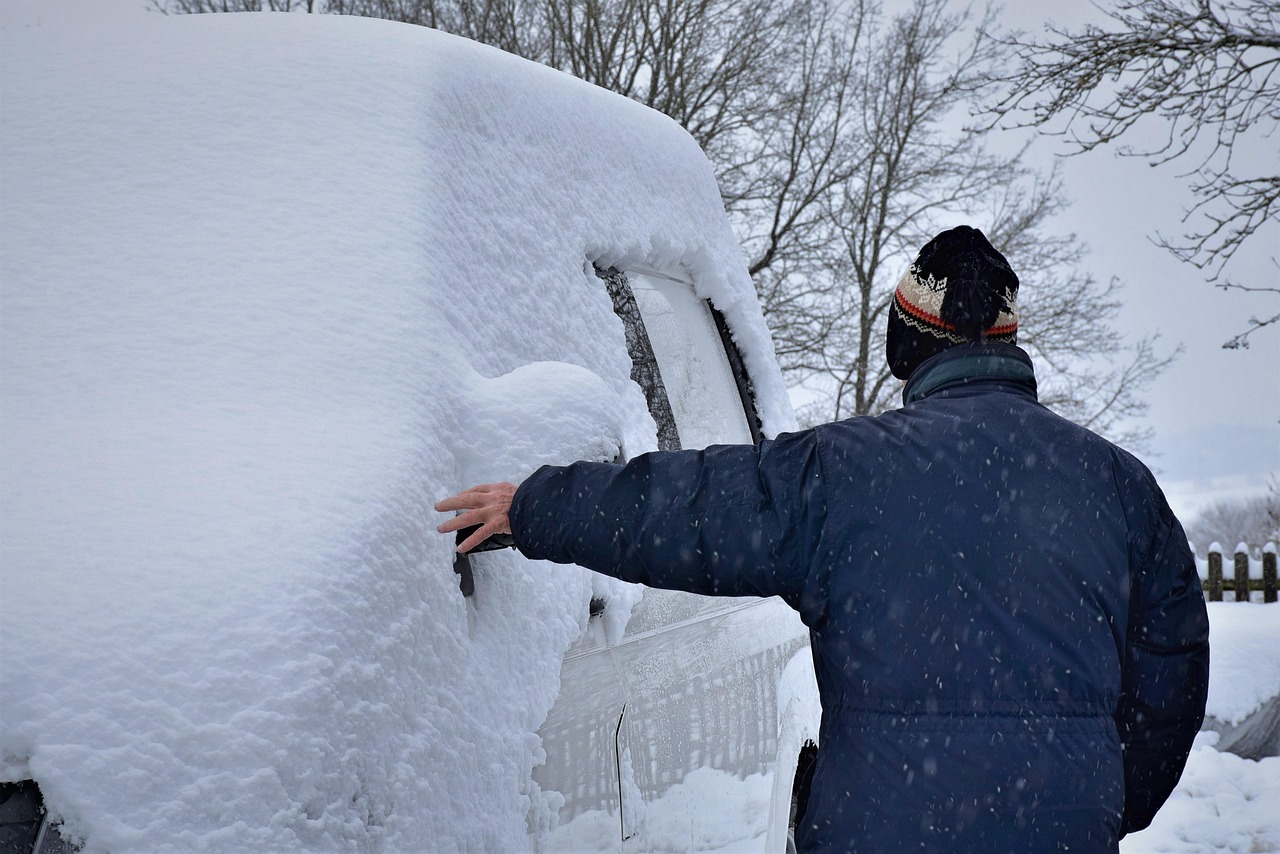
Road salt is by far the most destructive of the three. According to Wikipedia’s Salt Belt entry, 27 states plus Washington, D.C. use road salt heavily during winter: Alaska, Connecticut, Delaware, Illinois, Indiana, Iowa, Kansas, Kentucky, Maine, Maryland, Massachusetts, Michigan, Minnesota, Missouri, Nebraska, New Hampshire, New Jersey, New York, North Dakota, Ohio, Pennsylvania, Rhode Island, South Dakota, Vermont, Virginia, West Virginia, and Wisconsin. Several additional states — Montana, Wyoming, Colorado, Idaho, and Utah — use de-icing substances but generally less corrosive ones than traditional rock salt.
The scale is staggering. New York state uses over 8.5 million tons of road salt each year — enough to cover 30,000 football fields under a foot of salt. That salt ends up in wheel wells, on brake lines, on frames, on exhaust systems, and on fuel tanks. It accelerates rust formation by disrupting the protective oxide layers that normally form on steel.
Heat is the second major factor. Vehicles from Arizona, Nevada, New Mexico, and inland Texas experience intense sun exposure that degrades interiors, cracks dashboards, fades paint, dries out rubber seals, and strains A/C systems. Heat is also hard on batteries — both traditional 12V batteries and EV lithium-ion packs, as covered in our guide to how extreme temperatures affect EV battery health.
Humidity is the quiet third factor. Florida, coastal Georgia, Louisiana, and other high-humidity regions accelerate corrosion even without road salt, create mold and mildew issues inside vehicles, and strain A/C systems through near-constant use.
The Salt Belt: What to Avoid and Why
The Salt Belt is where rust begins — but “rust” barely captures the full extent of the problem. According to Carmula’s rust research, road salt doesn’t just affect appearance. It compromises:
Frame and subframe integrity. On trucks and body-on-frame SUVs, corroded frames can become structural total losses. Repair costs can exceed $5,000 — or make the vehicle unrepairable entirely.
Brake lines. Corroded steel brake lines fail without warning. This is a safety issue, not a cosmetic one. Replacement typically runs $500–$1,500 but requires finding the problem before it causes a brake failure.
Fuel and hydraulic lines. Similar to brake lines, these corrode from the outside and can leak catastrophically.
Electrical wiring and connectors. Salt infiltrates wiring harnesses through small cracks in insulation, causing intermittent electrical failures that are notoriously difficult to diagnose.
Suspension components. Strut mounts, control arms, and subframe bolts all suffer accelerated wear in salt-belt regions. A full suspension rebuild on a 10-year-old salt-belt vehicle can run $2,000–$4,000.
Exhaust systems. Salt eats through exhaust pipes, catalytic converters, and muffler hangers.
The States That Produce the Worst Salt Belt Used Cars
Within the Salt Belt, some regions are worse than others. The absolute worst used cars tend to come from:
- Western New York (Buffalo, Rochester, Syracuse) — the Lake Ontario snow belt produces some of the saltiest roads in America
- Michigan — particularly the Detroit metro area and anywhere along the Great Lakes
- Northern Ohio and Pennsylvania (Cleveland, Erie, Pittsburgh)
- Greater Boston and inland New England
- Minnesota and Wisconsin — brutal winters and heavy salt usage
Interestingly, there’s significant within-state variation. Western North Dakota (Bismarck to the Montana border) uses mostly sand/brine mixes and produces relatively rust-free vehicles, while eastern North Dakota (Fargo, Grand Forks) uses heavy salt and produces typical salt-belt rust. Southern Indiana near the Kentucky border has less salt exposure than Indianapolis. Northern Virginia salts heavily; southern Virginia is much milder. State of origin alone isn’t always enough — city-level data is more reliable.
The Rust Belt Is Spilling Into the South
This is the part most buyers miss. As documented by Action News Jax reporting on Carfax data, Salt Belt vehicles are actively migrating south and being resold as if they were local.

Carfax data showed that 19.8% of used cars for sale in Florida and 26.1% of used cars for sale in Georgia were previously registered in Salt Belt states. That’s roughly one in four cars on a Georgia dealer lot that may have serious underlying corrosion. The most common source states were New York, New Jersey, and Michigan.
This matters for your purchase because “I bought it in Florida” is no longer a reliable signal that the car is rust-free. You have to verify. A 2016 Ford Escape profiled in the Action News Jax report had just 34,000 miles and no exterior scratches, but the undercarriage was severely corroded because the car spent most of its life in the Northeast before being shipped south and resold.
The Best Regions to Buy From
Now for the good news. Several regions of the country reliably produce used vehicles with minimal rust and corrosion.
The Dry Southwest
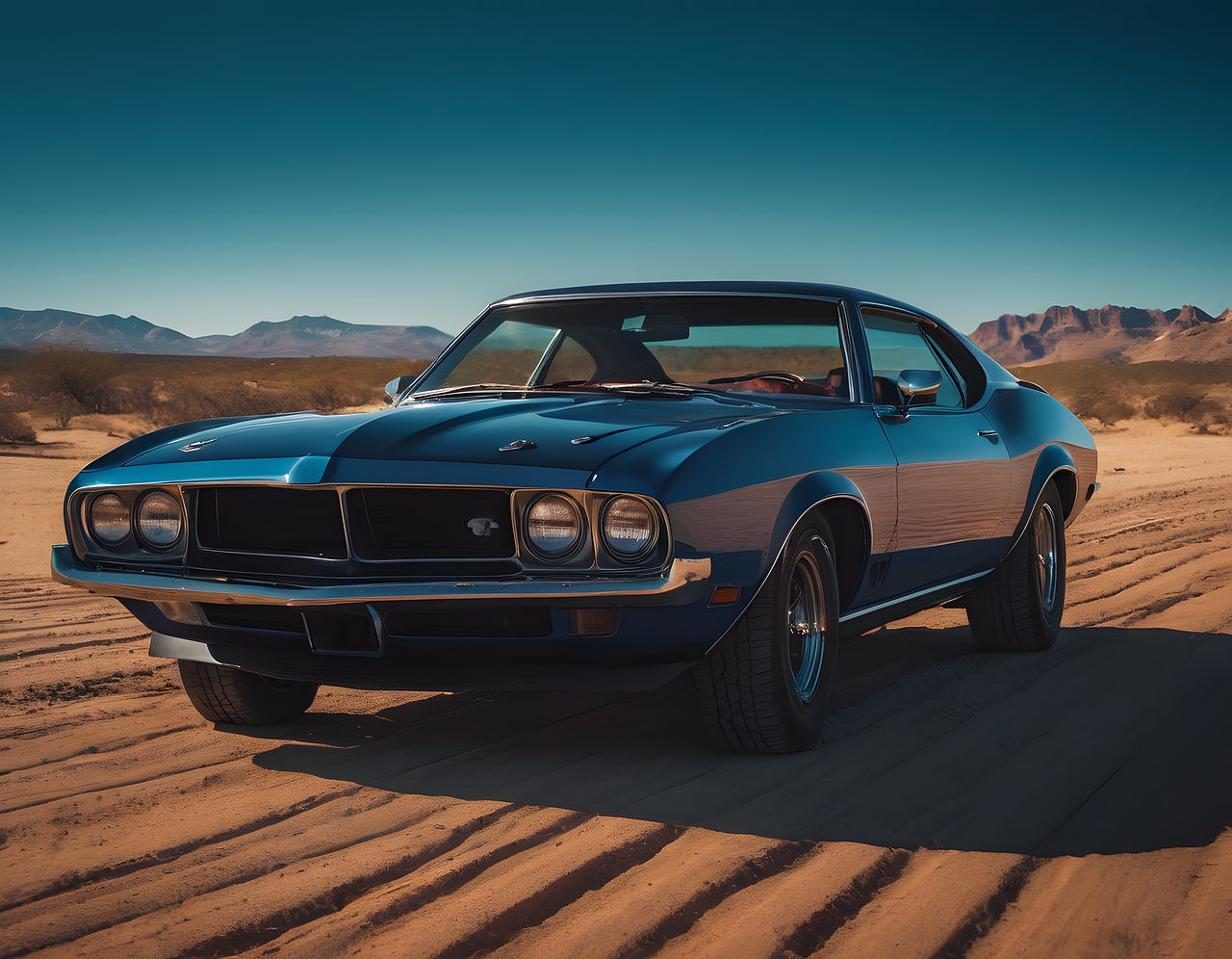
Arizona, New Mexico, Nevada, and dry parts of Texas are the gold standard for rust-free used cars. According to Schaefer Autobody’s regional analysis, these states combine mild winters, low humidity, and limited road salt usage to produce vehicles that can go 15+ years with virtually no rust on the body or frame.
The tradeoff: Desert Southwest vehicles often have significant sun damage. Expect faded paint, cracked dashboards, dried-out rubber seals, deteriorated plastic trim, and potentially pitted windshields from gravel used on roads. Air conditioning systems work overtime in these climates and may need more frequent service. Paint can look chalky or oxidized, particularly on red, black, and dark blue vehicles.
For most buyers, these are much better tradeoffs than dealing with rust. A cracked dash is an aesthetic issue. A rusted frame is a safety issue.
The Mild South
Georgia, the Carolinas, Tennessee, Alabama, and Mississippi occupy a sweet spot: warm enough to avoid road salt, but not so hot that interiors get destroyed. These states produce some of the most balanced used cars in the country — minimal rust, minimal sun damage, and generally good condition across both exterior and interior.
The tradeoff: Humidity can still cause issues with A/C systems, mold in upholstery if the car wasn’t maintained, and slow corrosion over many years. Coastal areas (Charleston, Savannah, Mobile) have salt air exposure that can mimic mild road-salt damage.
The Pacific Northwest
Washington and Oregon (particularly western portions near the coast) have mild climates with minimal temperature extremes, limited salt usage, and lots of rain but not enough snow to warrant heavy de-icing. Cars from this region tend to be well-preserved mechanically with minimal rust.
The tradeoff: Persistent moisture can cause mold, mildew in interiors, and accelerated wear on convertible tops and exterior trim. Some Seattle-area roads have started using salt in recent years, and cars that regularly cross mountain passes may have more wear than coastal vehicles.
The Mountain West (Conditional)
Colorado, Utah, Montana, Wyoming, and Idaho are in a gray zone. They get snow, and they use de-icing substances — but most use less corrosive alternatives like magnesium chloride or brine mixtures rather than rock salt. Vehicles from these states tend to have moderate rust risk, significantly less than the Salt Belt but more than pure desert regions.
How to Verify a Vehicle’s True Regional History
Before you buy any used vehicle — especially in a southern market where salt-belt migration is common — run these checks.
Pull a Full Vehicle History Report
Carfax ($39.99) and AutoCheck are the two main services. The critical thing to look for is the registration history by state, not just the accident history. The report will show every state where the vehicle was registered and approximately when. A car with 7 years in New York followed by 2 years in Florida is a salt-belt car being resold — ignore the current registration.
Run a Free VIN Check First
Before paying for Carfax, use the free National Insurance Crime Bureau VINCheck or NHTSA VIN lookup to verify the vehicle’s basic history and look for any title issues (salvage, flood, total loss). These won’t show registration history but will catch major red flags.
Look at the Car Itself
Even with a clean Carfax showing southern history, physically inspect for tell-tale signs:
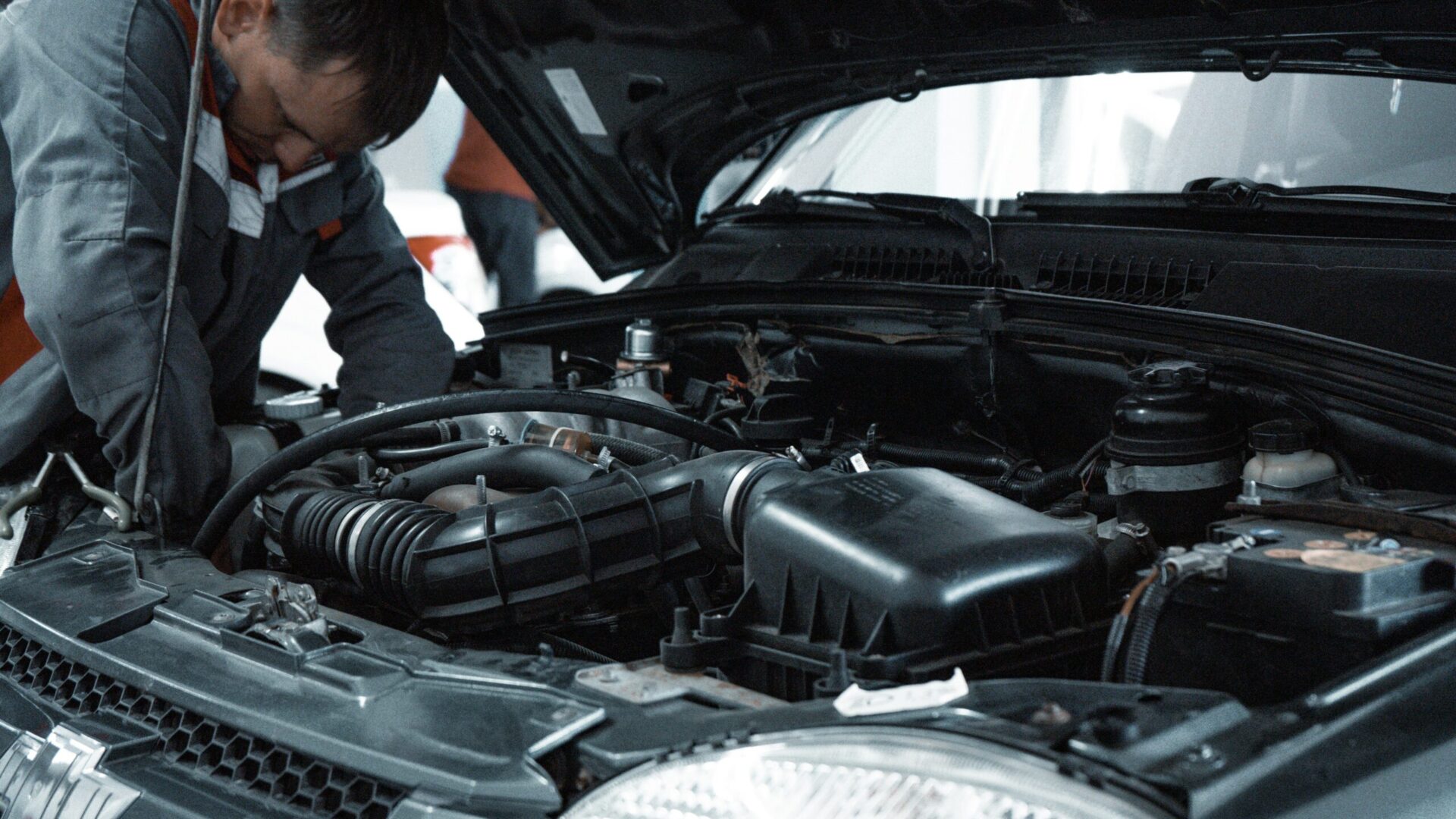
Undercarriage condition. Get under the vehicle or have a mechanic do it. Look for fresh undercoating spray that may be hiding corrosion (this is a dealer trick). Check frame rails, subframes, and suspension mounting points. Some surface rust on exhaust components is normal; flaking, crumbling, or heavily scaled metal anywhere is not.
Fastener heads. Salt-belt vehicles have rust-crusted bolts and brackets throughout the undercarriage. Southern-lived vehicles have bolts that still look silver or lightly oxidized.
Hood release, hood hinges, door hinges. These are often overlooked but reveal a lot. A southern car has smooth, lubricated hinges. A salt-belt car often has hinges that squeal, stick, or show orange corrosion.
Wheel well edges and rocker panels. These are typical first rust points. Look for bubbling paint, which indicates rust forming underneath.
Hire a Pre-Purchase Inspection (PPI)
For any used car purchase over $10,000 — and especially for anything with potential out-of-state history — pay $100–$200 for a pre-purchase inspection from an independent mechanic (not the selling dealer). A good mechanic will spot regional damage the buyer won’t. This is one of the best single investments you can make in the used car buying process, and it’s covered in more detail in our guide to the hidden costs of owning an older vehicle.
What to Inspect Based on Where the Car Lived
Each region has its own predictable wear patterns. Use this as your regional inspection checklist.

Salt Belt vehicles: Prioritize undercarriage, frame, brake lines, subframe bolts, exhaust system, and suspension components. The interior is usually fine, but the metal underneath can be catastrophic.
Desert Southwest vehicles: Focus on the dashboard (cracking from UV), seats (fading/cracking), door panel vinyl, clearcoat condition, A/C system function, all rubber seals (doors, sunroof, windshield), and the 12V battery (heat dramatically shortens battery life).
Coastal/humid South vehicles: Test the A/C thoroughly (humid climates destroy compressors faster), check for mold or mildew in carpet and upholstery, inspect for salt-air corrosion on chrome and unpainted aluminum, and verify there’s no hidden flood damage from hurricane regions.
Pacific Northwest vehicles: Check for mildew, verify the A/C still works (often underused), inspect brake rotors for heavy surface rust from damp conditions, and verify drivetrain health on mountain-crossing vehicles.
Mountain West vehicles: Moderate rust check, stronger focus on suspension wear from rough roads, and UV damage to paint and interior (high altitude = more intense UV).
EV-Specific Regional Concerns
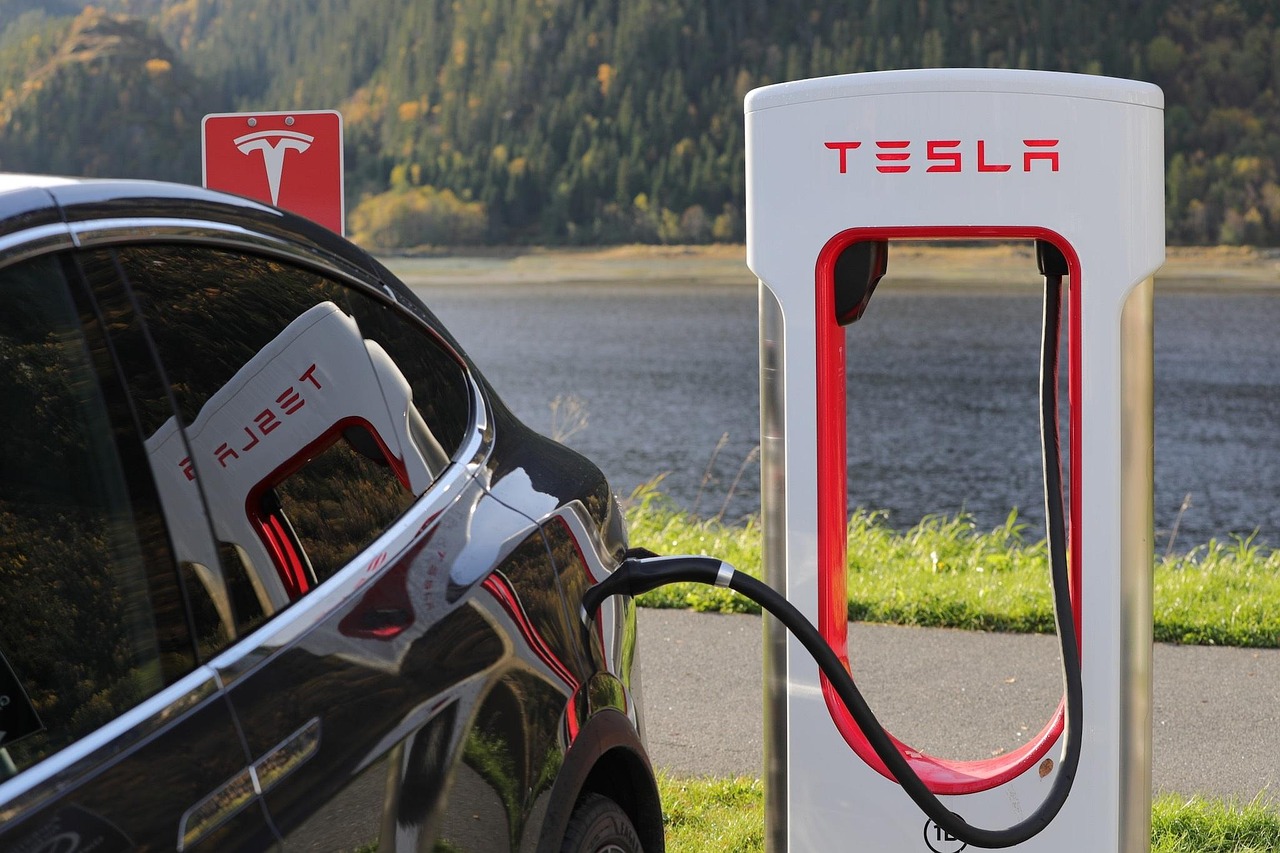
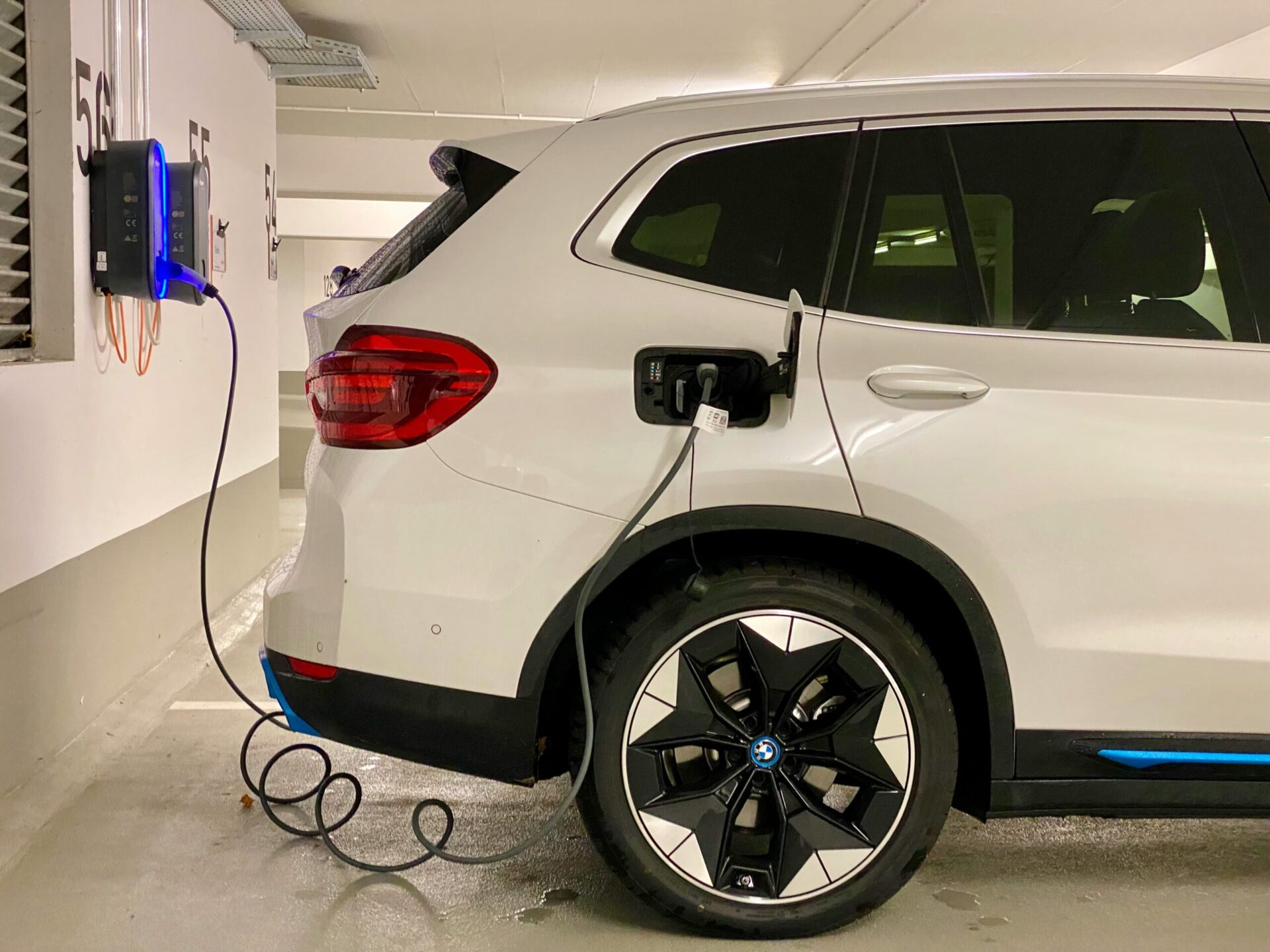
Electric vehicles add another layer of regional risk. As covered in our guide to how extreme temperatures affect EV battery health, EV batteries degrade significantly faster in extreme heat — the opposite of what most gas-car shoppers expect.
A used Tesla Model Y, Ford Mustang Mach-E, or Hyundai Ioniq 5 that lived its life in Phoenix will have meaningfully less battery capacity than the same model from Seattle or Minneapolis. Phoenix cars often show 5-15% more battery degradation at the same age and mileage. This matters at resale because battery capacity directly affects usable range.
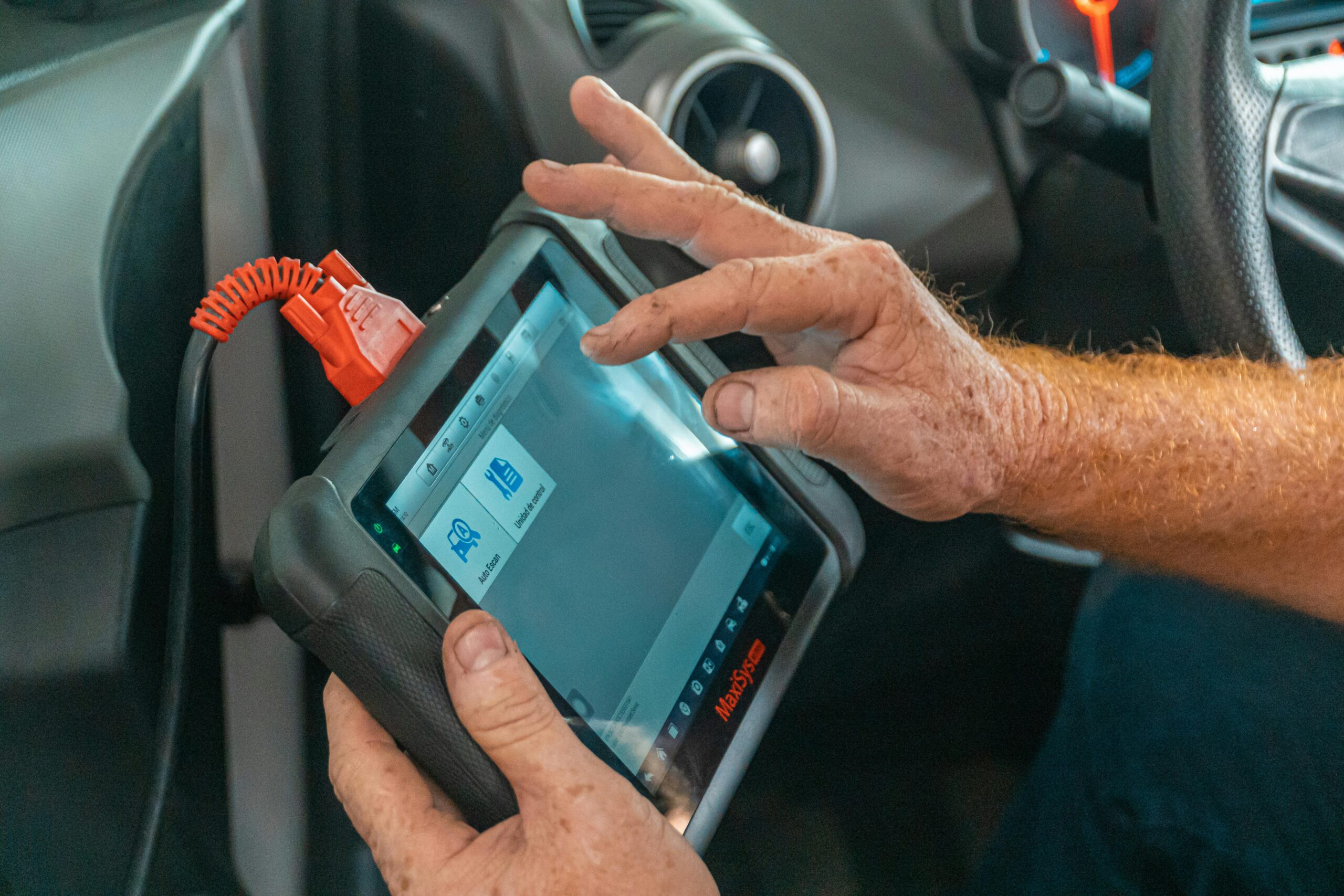
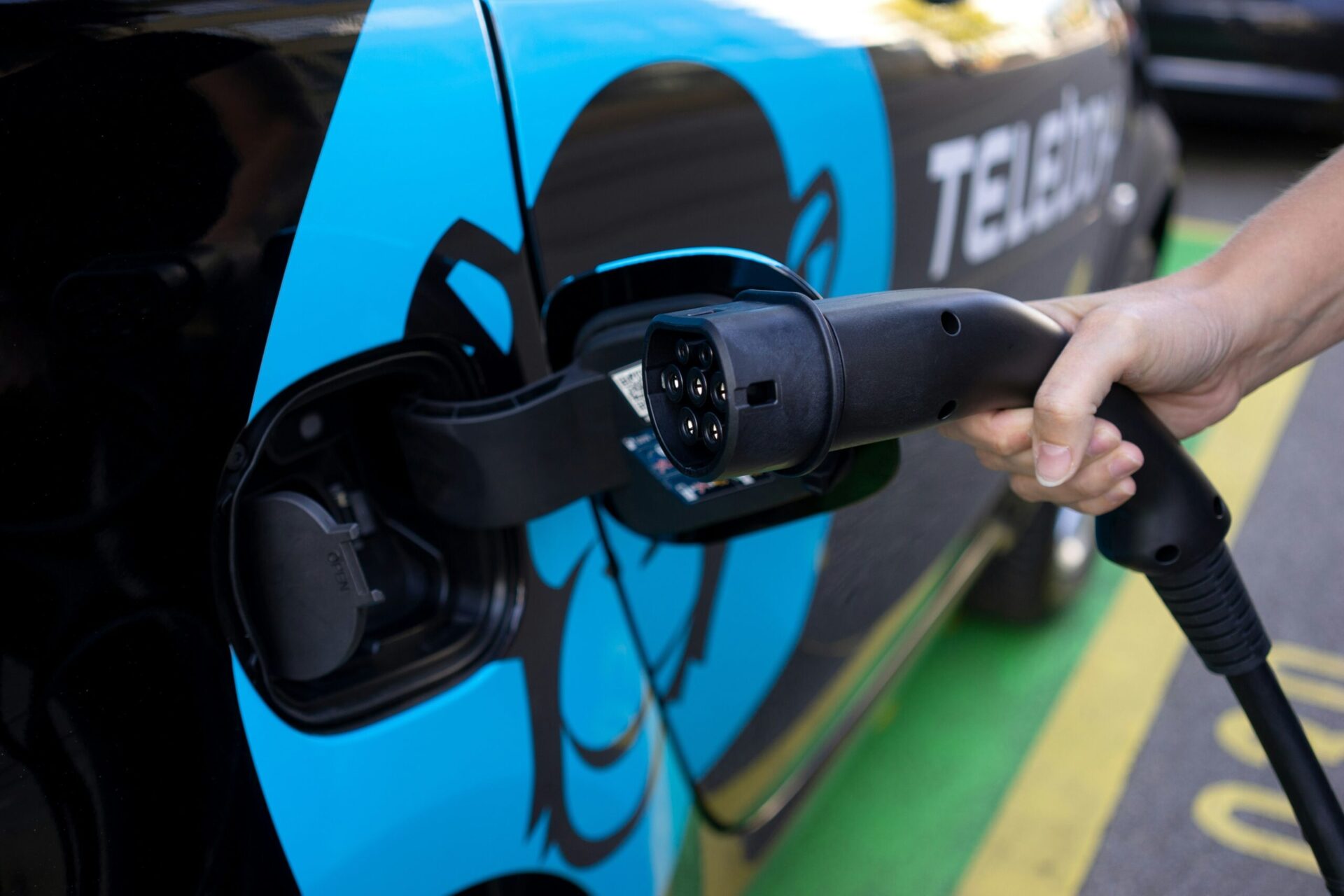
When buying a used EV, check the regional origin carefully and, if possible, request a battery health report from the manufacturer’s diagnostic system. Tesla’s app shows battery health indicators; most other EVs require a dealer diagnostic scan. A car with 8% battery degradation is very different from one with 18%, even if both have 60,000 miles.
Cold climates are actually better for long-term EV battery preservation, though they reduce range during cold weather. An EV from Colorado or Minnesota will likely have better battery health than one from Texas or Arizona, assuming similar mileage.
The Regional Pricing Arbitrage Opportunity
There’s a financial angle to all this. Because cars from the Salt Belt are often in worse condition, they tend to be priced lower. Conversely, cars from the dry Southwest and mild South often command a premium — especially in enthusiast and off-road markets, where rust-free examples are prized.
For buyers with patience and willingness to travel, there’s real arbitrage opportunity. A rust-free used Toyota 4Runner, Tacoma, or Jeep Wrangler from Arizona can be worth significantly more to the next owner (especially if that owner lives in the Salt Belt and wants a clean vehicle). Similarly, a well-maintained BMW or Mercedes-Benz from California can outperform Northeast examples by thousands of dollars at resale.
This ties back to our discussion in how new cars depreciate over time and which factory-order options are worth it: the specifications and condition of a used vehicle at purchase determine its long-term value trajectory. Buying a clean Southwest vehicle at a modest premium often results in better resale than buying a cheaper salt-belt vehicle that continues to corrode under your ownership.
Regional history is one of several factors that determine your real ownership cost — see our pillar guide on total cost of ownership beyond the purchase price for how depreciation, maintenance, financing, fuel, and insurance combine into the actual 5-year cost of any used or new vehicle.
Pairing regional sourcing with smart timing compounds the savings. See our breakdown of how seasonality affects used car prices for the monthly buying calendar and the holidays that actually deliver real discounts.
Practical Regional Buying Strategy
Here’s a framework for applying all this:
If you live in the Salt Belt and want a long-lasting vehicle: Consider a fly-and-drive purchase from the Southwest or mild South. The travel cost ($500–$1,500) is easily justified by avoiding a decade of accelerated corrosion. Atlanta, Phoenix, Dallas, and Charlotte are popular target markets with large inventories and good airport access.
If you live in a mild climate (Southeast, West Coast, Southwest): Buy local whenever possible. You have the regional advantage — use it. Verify that the vehicle you’re buying actually has local history via Carfax rather than being a salt-belt car that was shipped south.
If you’re shopping for a truck or SUV: Regional origin matters more than for sedans, because frame corrosion is the biggest risk factor and trucks are more exposed. A used Tacoma, 4Runner, F-150, or Silverado from the Southwest can have double the remaining lifespan of the same truck from the Salt Belt.
If you’re shopping for an EV: Prioritize cooler climates over hot ones for battery health. A Tesla Model Y, Hyundai Ioniq 5, or Ford Mustang Mach-E from the Pacific Northwest or Mountain West is likely to have better long-term battery performance than one from the Southwest.
If you’re shopping for a luxury car (BMW, Mercedes-Benz, Lexus, Audi): Rust-free regional origin is especially important. These vehicles have complex underbody components and electronic systems that suffer enormously from salt exposure, and their repair costs are high.
Conclusion
The region a used vehicle came from is one of the most predictive pieces of information you can have about its true condition. A clean Carfax accident history tells you the car wasn’t crashed. Regional history tells you whether the metal underneath has been marinating in salt or baking in the sun — and that information is arguably more important for long-term reliability.
Don’t skip this step. Pull the vehicle history. Look at the state-by-state registration timeline. Physically inspect for the wear patterns specific to that region. Hire an independent pre-purchase inspection. And understand that “car from the South” is no longer synonymous with “rust-free” — roughly one in four cars on southern dealer lots originally came from the Salt Belt.
The used car market rewards buyers who do this homework. A well-chosen used vehicle from the right region can easily outlast an equivalently priced vehicle from the wrong region by five years or more. That’s real money — and real peace of mind.
Sources and Further Reading
- Wikipedia — Salt Belt
- Action News Jax — How Corroded Salt Belt Cars Are Ending Up on Florida Roads
- Carmula — What States Are the Worst for Car Rust
- Schaefer Autobody — Best Regions in the US for Car Exteriors
- Raybuck — Worst States for Road Salt
- The Rust Map — Community-Sourced Regional Rust Data
- CarComplaints — Salt Belt States
- NHTSA — Free VIN Decoder
- NICB — Free VINCheck






















Leave a Reply
You must be logged in to post a comment.