




























As the world shifts towards a more sustainable and environmentally friendly future, electric vehicles (EVs) are becoming increasingly popular.
Rental Car EV Availability and Charging Policies
With many rental car companies now offering EVs as an option, it’s essential to understand the rental car EV availability and charging policies of these vehicles. In this article, we’ll delve into the world of EV rentals, exploring what you need to know before booking your next rental car.
Rental Car EV Availability
Many major rental car companies, such as Hertz, Avis, and Enterprise, now offer electric vehicles in their fleets. However, the availability of EVs can vary greatly depending on the location and rental duration. Here are some key points to consider:
- Location: EVs are more commonly found in urban areas, particularly in cities with strong environmental policies. If you’re renting in a rural area, you may have limited or no EV options.
- Rental duration: Longer rental periods may offer more EV options, as companies are more likely to have a steady supply of vehicles.
- Seasonality: Peak travel seasons, such as summer or holidays, may result in limited EV availability. Plan ahead and book early to ensure you get the vehicle you want.
To increase your chances of renting an EV, research the rental company’s fleet before booking. You can usually find this information on their website or by contacting their customer service team.
Rental Car EV Charging Policy
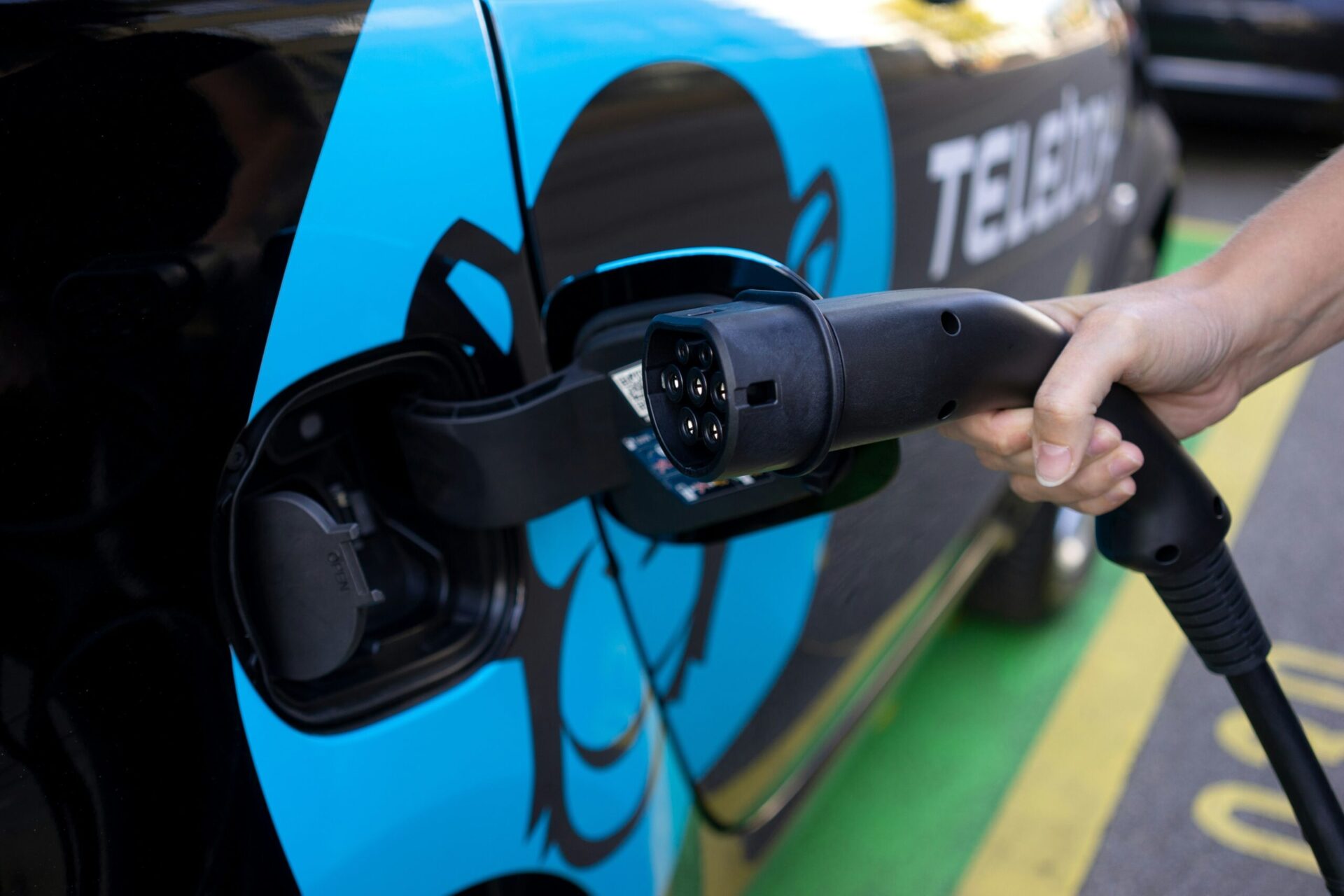
One of the most significant concerns when renting an EV is charging. Here’s what you need to know:
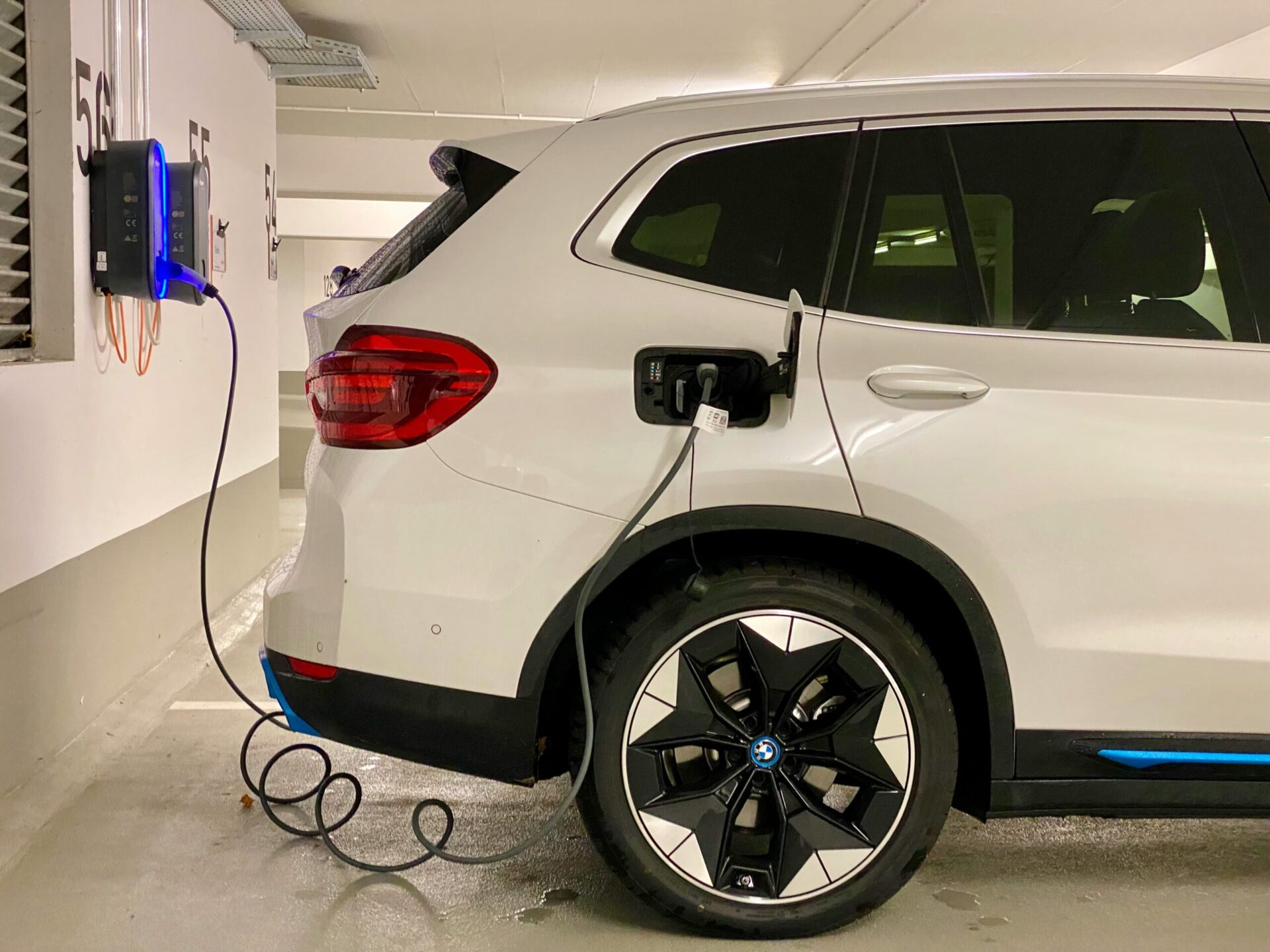
- Charging types: There are three types of charging: Level 1 (120V), Level 2 (240V), and DC Fast Charging. Level 2 is the most common type used in public charging stations.
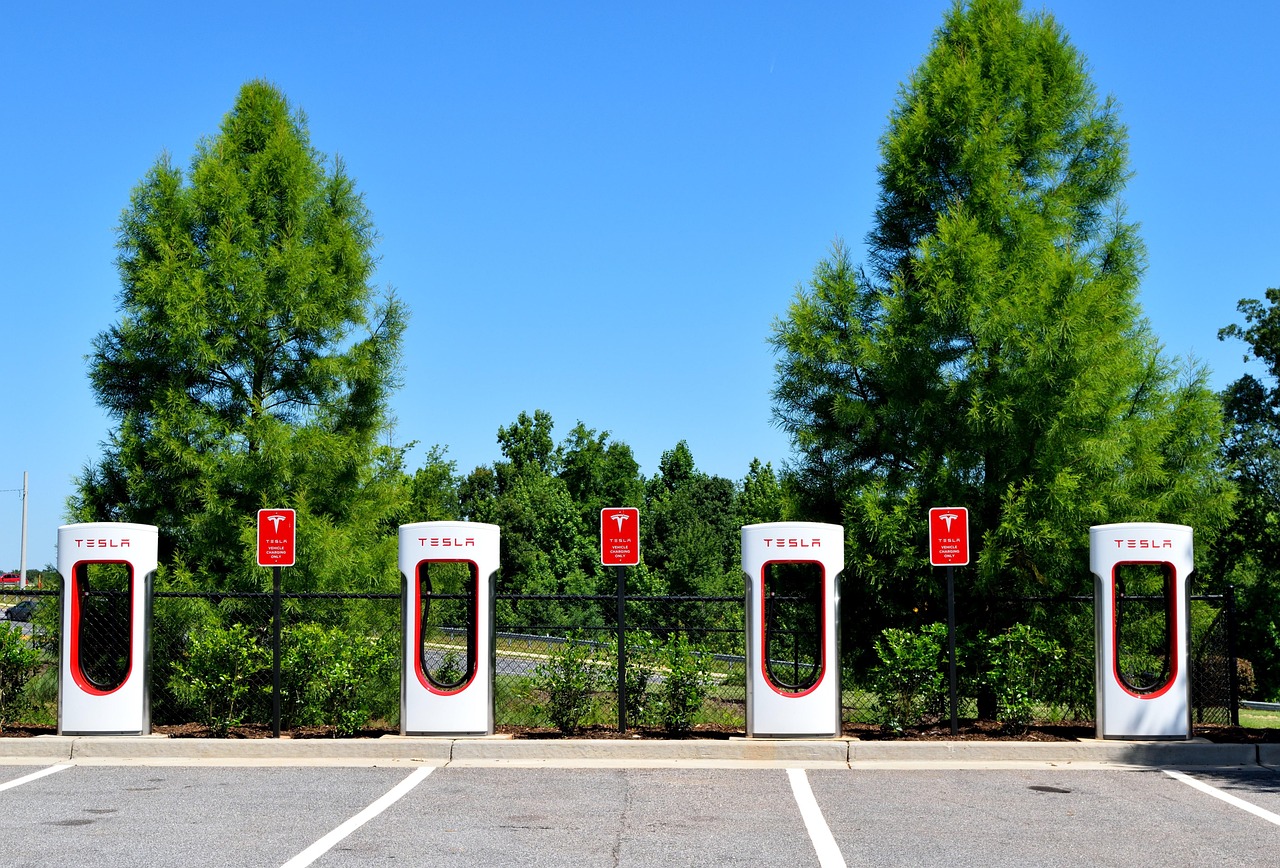
- Charging networks: Many rental companies partner with charging networks, such as ChargePoint or EVgo, to provide customers with access to a vast network of charging stations.
- Charging costs: Some rental companies include charging costs in the rental fee, while others may charge separately. Be sure to check the rental agreement for specific details.
When renting an EV, it’s essential to understand the charging policy. Here are some questions to ask:
- Is charging included in the rental fee, or will I be charged separately?
- What type of charging is available (Level 1, Level 2, or DC Fast Charging)?
- Are there any restrictions on charging, such as limited access to charging networks?
- Are there any additional fees for charging, such as tolls or parking fees?
Tips for Renting an Electric Vehicle
Renting an EV can be a great way to reduce your carbon footprint while exploring a new city. Here are some tips to keep in mind:
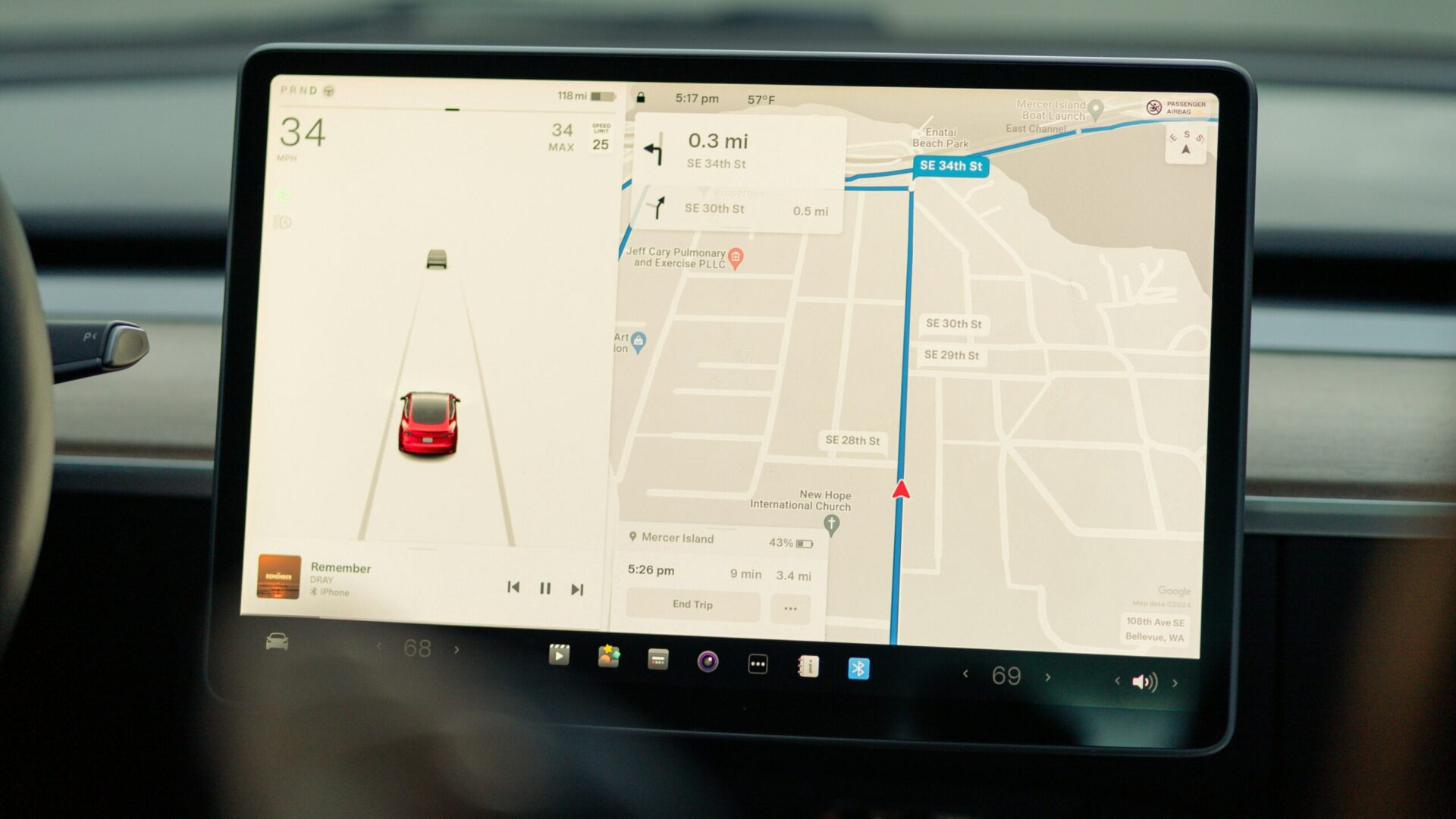
- Plan your route: Research charging stations along your route to ensure you have access to charging points when needed. Use the charging networks apps to research, but I recommend the PlugShare app for best reliability and up-to-date information.
- Charge regularly: Try to charge your vehicle regularly, especially if you’re driving long distances. Try to charge before you hit 20% battery.
- Understand the vehicle’s range: Know the estimated range of your rental EV to avoid running out of charge. EVs lose range over time so double range with the rental company. Be careful, in colder climates during winter, you could lose as much as 40% total range.
- Check the vehicle’s condition: Before renting, inspect the vehicle for any damage or issues with the charging system. Good time to check the range on the vehicle.
- Check the vehicle’s max charging speed: Newer EVs can charge as fast as 300+ kWh, while other EVs are much slower, i.e. the Chevy Bolt (pre-2025), has a max speed of 53kWh.
Conclusion
Renting an electric vehicle can be a great option for those looking to reduce their environmental impact. However, it’s essential to understand rental car EV availability and charging policies of these vehicles.
By researching the rental company’s fleet, understanding charging policies, and planning your route, you can have a seamless and enjoyable EV rental experience.
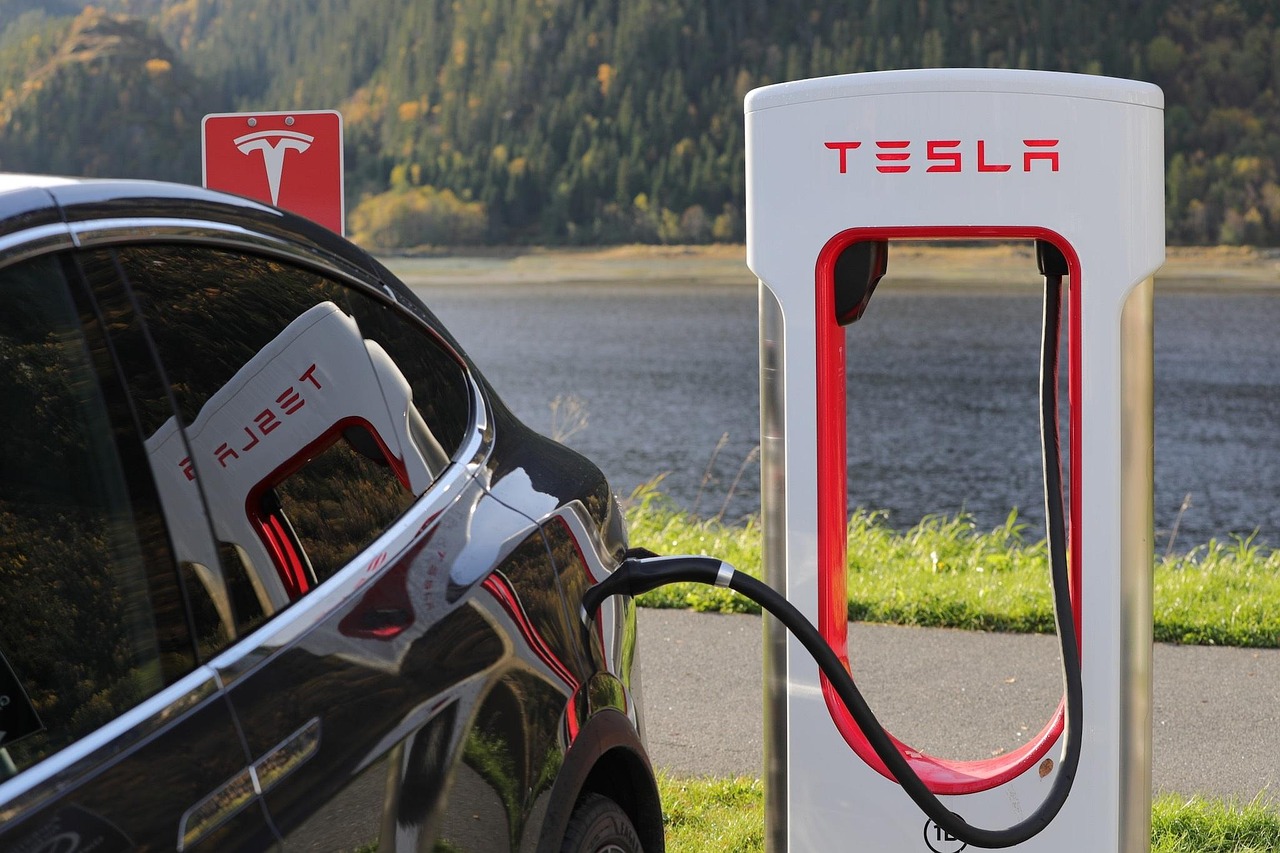
I made the initial mistake of renting an EV without knowing anything about rental car EV availability and charging policies. I currently own a Model Y Performance but have rented a Chevy Bolt and Model 3 Standard for months driving using the Uber app, and in my experience, Tesla’s charging network is leaps and bounds better than the competition.
There is nothing worse than pulling up to a charging station with very little battery power to only find out that the charging pumps/stations are physically broken, their network is down or they can’t process payments. That’s why I recommend having 20% battery power remaining when pulling up to a charging station, because you may have to leave and find a different location.
Between February and March 2024, within a five-week window, I had to leave a charging station without a charge about 4 times. But those stories (and the maddening customer support received by those charging networks) are for another post. Click here to learn more about EVs.
When in doubt, rent a Tesla! The only thing better than their EVs is their charging infrastructure. They just work.
Remember to always check the rental agreement and ask questions before booking your next rental car. Lastly, make sure Hertz does not charge you $277 for failing to fill up your EV rental with gasoline after you return the vehicle! Seriously!


























Leave a Reply
You must be logged in to post a comment.