
























When it comes to driving, safety should always be the top priority. While many factors contribute to a vehicle’s overall safety, one often overlooked aspect is the tires.
How Tire Choice Affects Emergency Handling
The right tire choice can significantly impact emergency handling dynamics and understanding how tire choice affects emergency handling can help drivers stay safe on the road.
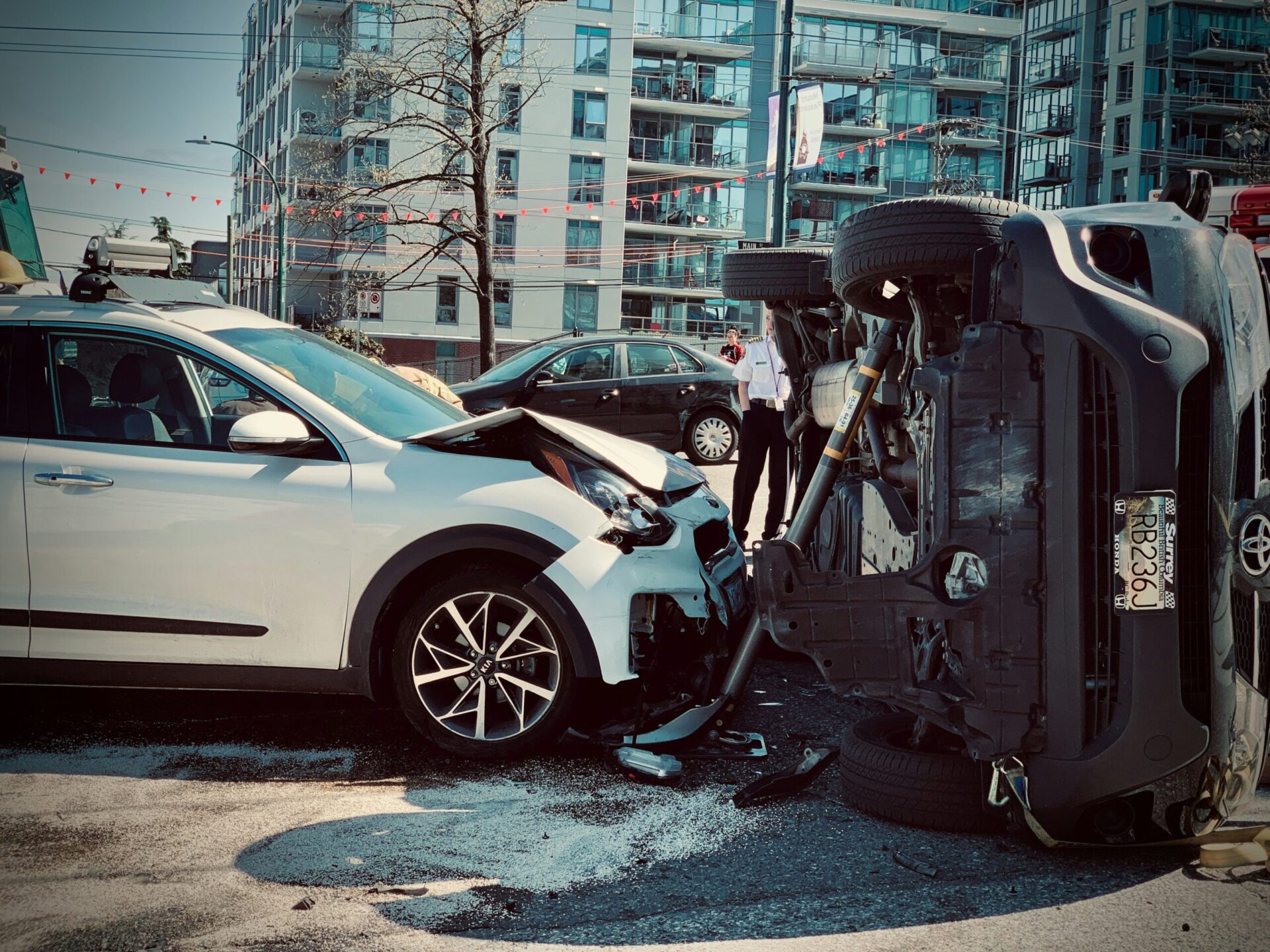
Emergency handling dynamics refer to a vehicle’s ability to respond to unexpected situations, such as sudden stops or sharp turns. In these moments, the tires play a crucial role in maintaining control and preventing accidents. How does tire choice affects emergency handling dynamics, and what can drivers do to ensure they’re making the right choice for their vehicle?
What Are Emergency Handling Dynamics?
Emergency handling dynamics involve a vehicle’s ability to respond to unexpected events, such as:
- Sudden stops: Slamming on the brakes to avoid a pedestrian or unexpected obstacle
- Sharp turns: Taking a tight corner to avoid a collision or navigate through a narrow road
- Sudden maneuvers: Swerving to avoid a pothole or debris on the road
In these situations, the tires are the only contact point between the vehicle and the road. The tires’ ability to grip, brake, and corner determines the vehicle’s overall response and safety.
How Tire Choice Affects Emergency Handling Dynamics
Tire characteristics, such as tread pattern, compound, and pressure, significantly impact emergency handling dynamics. Here’s how:
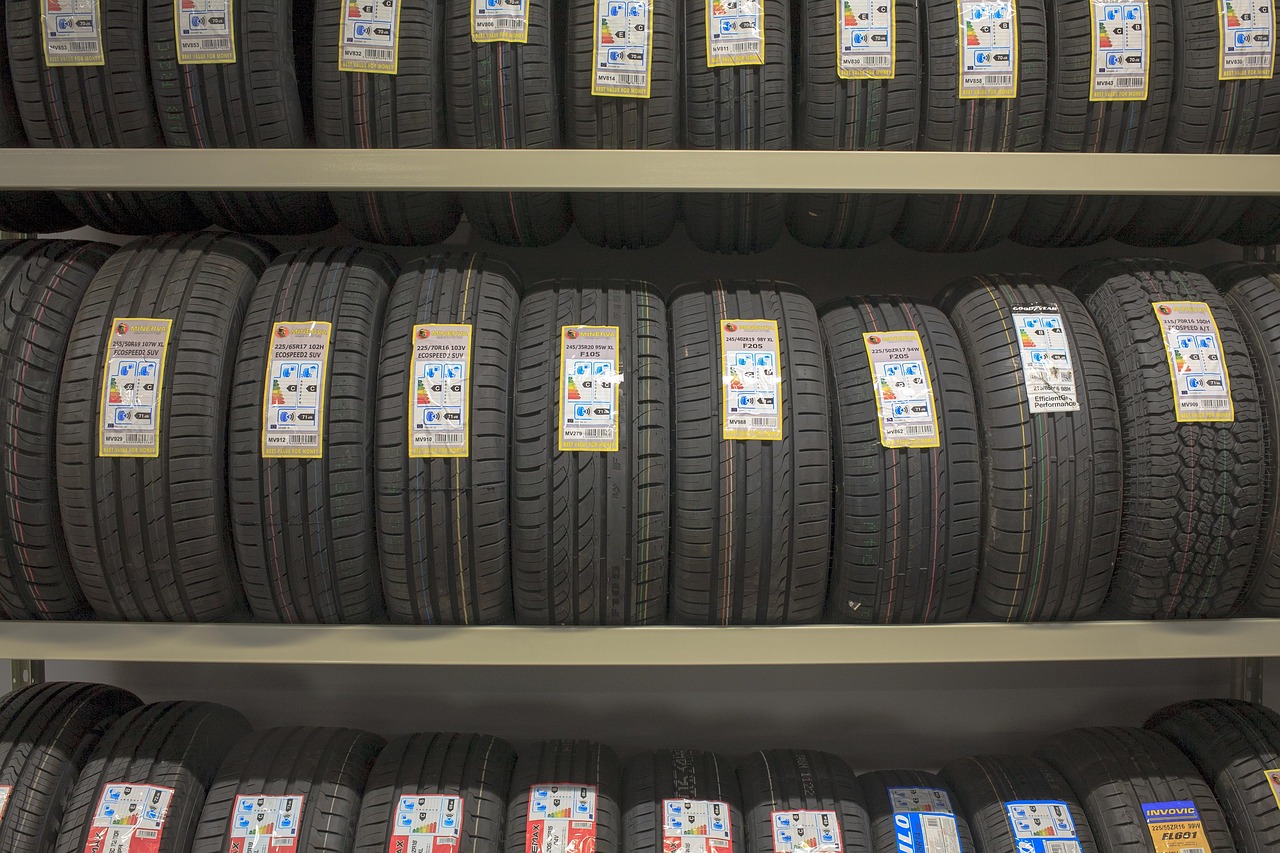
- Tread pattern: A tire’s tread pattern affects its ability to grip the road. Different tread patterns are designed for specific driving conditions, such as snow, rain, or dry roads. A tire with a tread pattern suited to the driving conditions can provide better grip and control in emergency situations.
- Compound: The tire compound affects its ability to grip and brake. Softer compounds provide better grip but may wear faster, while harder compounds provide longer tread life but may compromise grip.
- Tire pressure: Proper tire pressure ensures optimal tire performance. Underinflated tires can lead to reduced grip and increased stopping distances, making them more prone to accidents.
Different tire types, such as all-season, high-performance, and winter tires, are designed to perform optimally in specific driving conditions. For example:
- All-season tires provide a balance of grip, traction, and durability in a variety of driving conditions.
- High-performance tires are designed for speed and agility, with softer compounds and unique tread patterns that provide better grip and handling.
- Winter tires are specifically designed for snowy and icy conditions, with unique tread patterns and compounds that provide better traction and control.
Real-World Examples of Tire Choice Impacting Emergency Handling Dynamics
Let’s consider a few real-world scenarios to illustrate the impact of tire choice on emergency handling dynamics:
- Stopping distance: A driver traveling at 60 mph on a wet road with all-season tires may take 120 feet to stop. However, switching to high-performance tires with a softer compound and unique tread pattern could reduce the stopping distance to 100 feet.
- Cornering ability: A driver taking a sharp turn on a dry road with winter tires may struggle to maintain control due to the tires’ unique tread pattern and compound. Switching to high-performance tires could improve cornering ability and reduce the risk of skidding.
Choosing the Right Tires for Your Vehicle
So, how can drivers choose the right tires for their vehicle? Here are some practical tips:
- Consider your driving habits: If you drive aggressively or frequently encounter rough roads, you may need tires with a softer compound and unique tread pattern.
- Climate: If you live in an area with frequent snow or rain, consider tires specifically designed for those conditions.
- Vehicle type: If you drive a sports car or SUV, you may need tires with a focus on speed and agility or traction and control.
Regular tire maintenance is also crucial. Check your tire pressure monthly and rotate your tires every 5,000 to 8,000 miles to ensure even wear and optimal performance.
Conclusion
The right tire choice can significantly impact emergency handling dynamics, and understanding this relationship can help drivers stay safe on the road. By considering tire characteristics, driving habits, climate, and vehicle type, drivers can make informed decisions about their tires. Click here for independent tire reviews by Consumer Reports. Remember, regular tire maintenance is also crucial to ensure optimal tire performance. Click here for other tips about car maintenance. By taking these steps, drivers can reduce their risk of accidents and stay safe on the road.
























Leave a Reply
You must be logged in to post a comment.