
















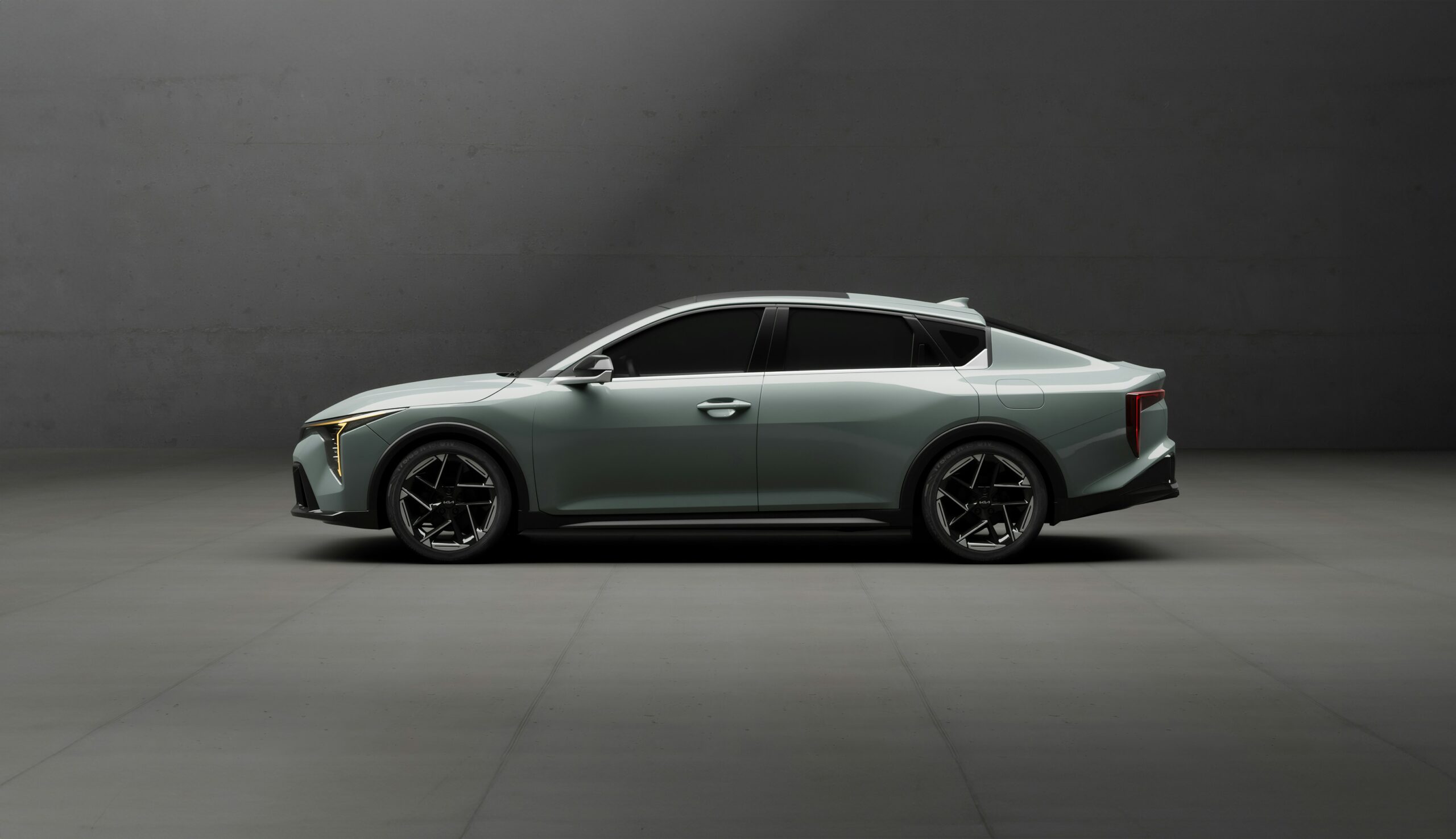





When it comes to buying a new car, one of the most significant coThere’s an old piece of car-buying wisdom that’s been around for decades: “Never buy the first model year.” The logic is straightforward — new designs haven’t been tested by hundreds of thousands of real-world drivers yet, and the manufacturer hasn’t had the opportunity to work out the inevitable bugs. Let the early adopters find the problems. Buy in year two or three, once they’ve been fixed.
But is that advice still valid in 2026? Modern vehicles are essentially rolling computers, receiving over-the-air software updates that can fix problems months or even years after the car was built. Does that change the calculus? Or does the explosion of new technology — advanced driver assistance systems, massive touchscreens, complex EV powertrains — actually make first-year models riskier than ever?
The data provides a clear answer, and it might not be what you’d expect.
The Data Is Unambiguous: First-Year Models Have More Problems

The J.D. Power 2025 U.S. Vehicle Dependability Study, which surveyed 34,175 owners of 2022 model-year vehicles after three years of ownership, delivered a striking finding: of the 27 new models that launched in the 2022 model year, only 4 performed better than their segment average for dependability.
New model launches averaged 241 problems per 100 vehicles (PP100), compared to just 196 PP100 for carryover models — a gap of 45 problems per 100 vehicles. That’s not a subtle difference. It means a brand-new model design is roughly 23% more likely to give you trouble than a model that’s been on the market for a few years.
The industry average sits at 202 PP100, meaning even the “typical” car has about two reported problems per vehicle after three years. But first-year models blow past that average and sit in a category of their own.
This pattern isn’t unique to 2022 launches. Consumer Reports’ annual reliability survey, which analyzes data from approximately 380,000 vehicles, consistently finds that redesigned and all-new models carry higher risk. Their 2025 survey noted that “even models that underwent updates instead of full redesigns have teething pains,” citing the Hyundai Sonata Hybrid, Ram 1500, and several GM SUVs as examples. Some models remain unreliable into their second year, including the Cadillac Lyriq, Chevrolet Blazer EV, and Mazda CX-90.
Where the Problems Live: Infotainment Leads the Pack

Understanding what goes wrong in first-year models is just as important as knowing how often things go wrong. The J.D. Power 2025 Initial Quality Study, which surveyed 92,694 owners of 2025 model-year vehicles within their first 90 days, found that infotainment systems remain the most problematic category for the second consecutive year, at 42.6 PP100.
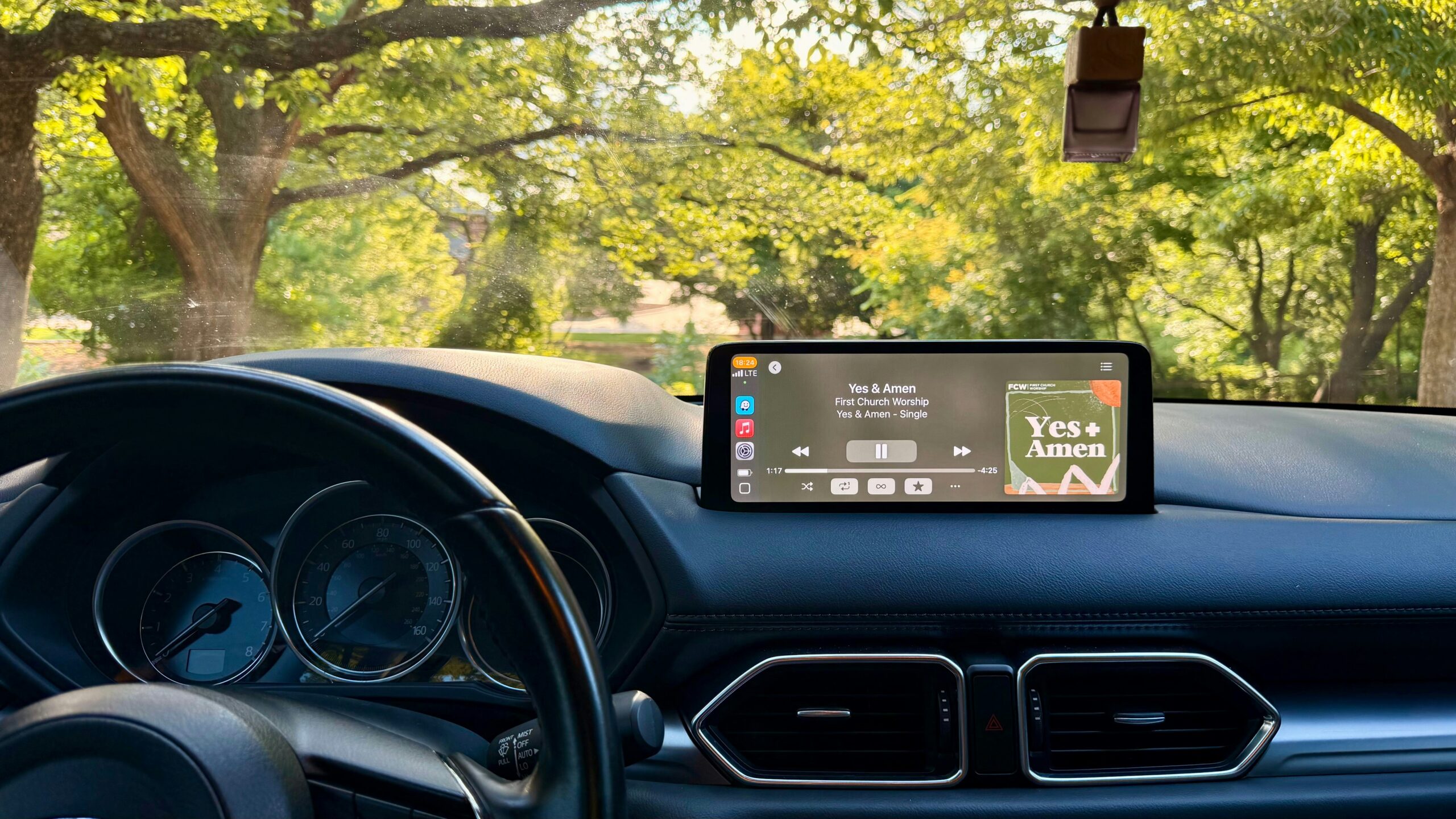
The single most common complaint across the entire industry? Android Auto and Apple CarPlay connectivity, which increased to 8.4 PP100 from 6.3 PP100 the previous year. That’s a 33% jump in one year for a feature that nearly every driver relies on daily.
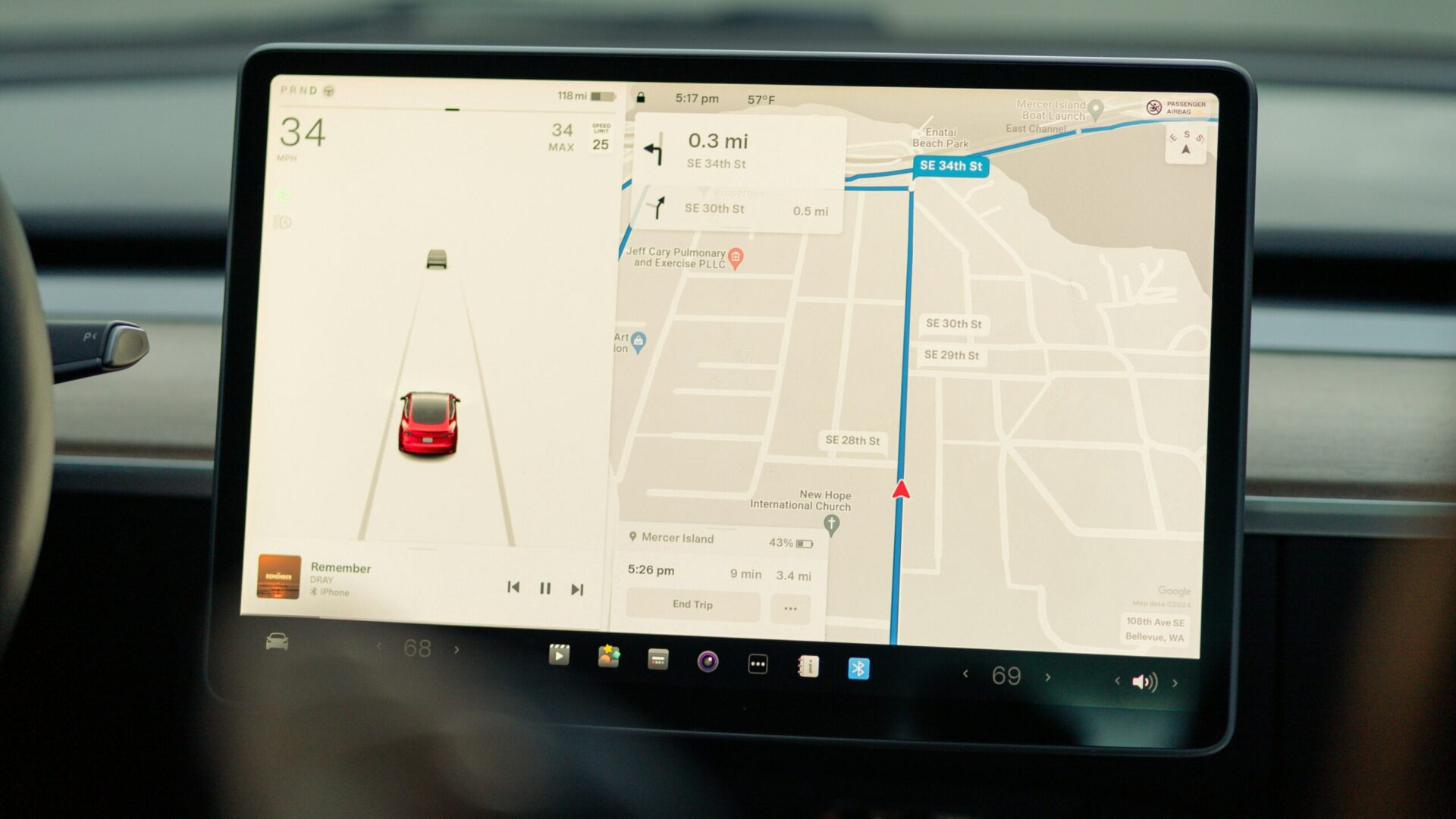
Other technology-related problem areas include driver assistance systems (features like adaptive cruise control, lane-keeping assist, and automatic emergency braking), touchscreen interfaces that have absorbed functions previously handled by physical buttons (like climate controls), and software integration issues between the vehicle’s systems and third-party apps.
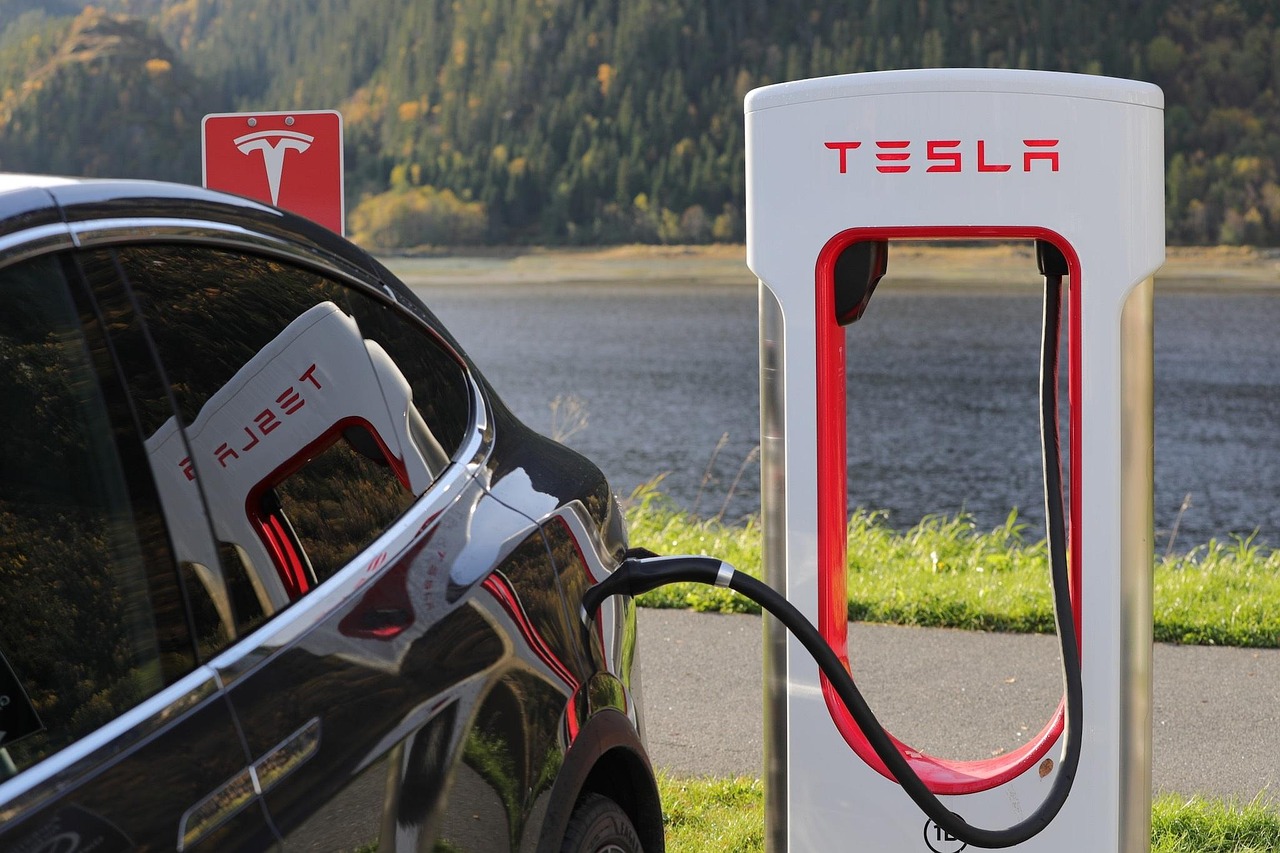
For EVs specifically, the technology challenges compound. On top of infotainment and driver-assistance issues, first-year electric models face potential problems with battery management software, regenerative braking calibration, charging system compatibility, and thermal management — all systems that are more complex and less proven than their ICE equivalents. The J.D. Power dependability study found that EVs averaged 223 PP100 compared to 200 PP100 for internal combustion vehicles.
Real-World Case Studies: When First-Year Tech Goes Wrong (and Right)
Abstract statistics are useful, but specific examples tell the real story. Here’s how several notable first-year launches have played out:
Ford Mustang Mach-E (2021 Launch)
Ford’s first purpose-built EV launched with significant ambition — and significant software issues. Early owners reported freezing touchscreens, phantom braking from the driver-assistance systems, and a 12-volt battery drain issue that could leave the vehicle completely inoperable. Ford issued multiple software updates and a recall affecting the 12-volt battery. The Mach-E improved substantially in subsequent model years, but early adopters bore the cost of Ford’s learning curve in EV software.
Rivian R1T / R1S (2021–2022 Launch)
Rivian’s debut as a startup automaker was technically impressive but predictably rocky. Early R1T and R1S owners experienced software glitches, inconsistent range estimates, and build quality issues including panel gaps and water intrusion. Consumer Reports’ 2025 survey rates both Rivian models as having “well-below-average reliability.” Rivian has addressed many issues through over-the-air updates, but the vehicles remain among the least reliable in Consumer Reports’ rankings — a common pattern for first-generation products from new manufacturers.
Hyundai Ioniq 5 (2022 Launch)
The Ioniq 5 is a more encouraging story. While it launched with some software quirks in its infotainment system and occasional issues with the 12-volt battery (a common weak point across many EVs), the vehicle’s core technology — its 800-volt charging architecture and E-GMP platform — worked impressively from day one. The Ioniq 5 quickly became one of the fastest-charging EVs on the market, and Hyundai’s responsive software updates addressed most early complaints within the first year.
Tesla Model 3 (2017 Launch)
Tesla’s mass-market debut was famously chaotic. Elon Musk described the production ramp as “manufacturing hell,” and early Model 3s suffered from panel alignment issues, paint defects, and software bugs. However, Tesla’s aggressive over-the-air update strategy meant that many software issues were resolved without owners ever visiting a service center. By 2019, the Model 3’s build quality had improved markedly. Today, Consumer Reports rates the Model Y (which shares the Model 3’s platform) as “well above average” for reliability — a dramatic turnaround from the first-year experience.
Toyota Tacoma (2024 Redesign)
Even Toyota, the brand most synonymous with reliability, isn’t immune to first-year growing pains. The completely redesigned 2024 Tacoma launched with a new engine and platform, and Consumer Reports initially rated it below average for reliability. However, in a testament to Toyota’s engineering responsiveness, the 2025 Tacoma improved to above-average reliability in just one year — one of the fastest turnarounds in recent memory.
BMW iX (2022 Launch)
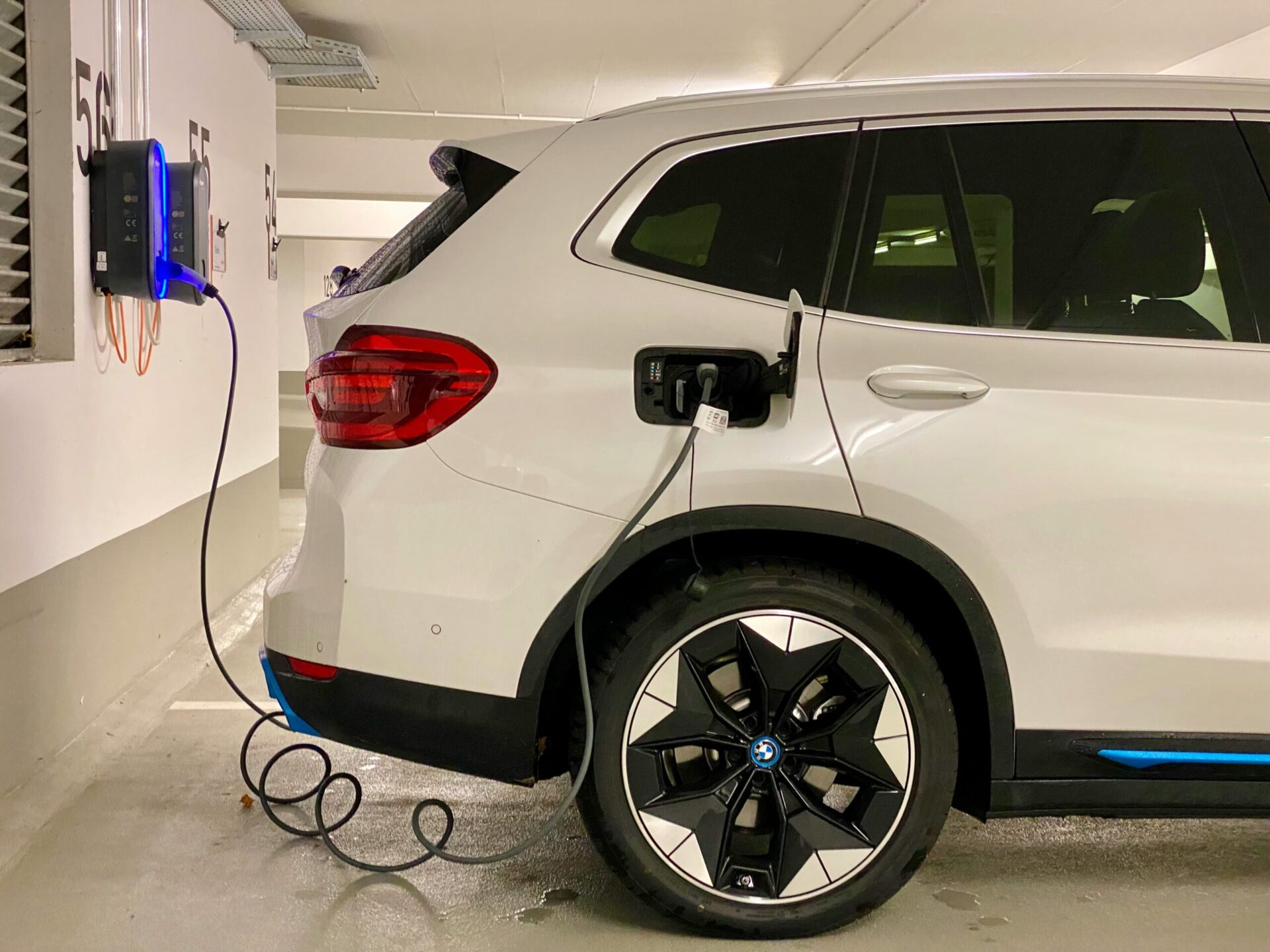
BMW’s electric flagship SUV launched with an ambitious technology suite, including a massive curved display and Level 2+ driver assistance. Early owners reported software freezes, inconsistent voice recognition, and confusing menu structures in iDrive 8. BMW issued numerous over-the-air updates, but the vehicle’s first-year reliability was below the premium segment average. The iX demonstrates how even established luxury manufacturers struggle with first-generation technology integration.
Has Over-the-Air Software Changed the Equation?
One of the most significant developments in modern automotive technology is the ability to push software updates to vehicles remotely — the same way your smartphone receives updates. Tesla pioneered this approach, and most major manufacturers now offer some form of over-the-air (OTA) update capability.
This is genuinely important and does change the first-year model calculus — but not as much as some buyers assume.
What OTA can fix: Software bugs in infotainment systems, calibration issues with driver-assistance features, optimization of battery management and charging curves, performance improvements to regenerative braking, and even certain powertrain software parameters.
What OTA cannot fix: Hardware defects (panel gaps, paint quality, seat mechanisms), fundamental design flaws in physical components, poorly designed user interfaces that require a hardware redesign, battery cell manufacturing defects, and structural or mechanical issues.
The J.D. Power data suggests that while OTA updates have improved the speed at which software problems get resolved, they haven’t eliminated the overall reliability gap between first-year and established models. Hardware issues — which require physical recalls and service visits — still represent a significant portion of first-year problems, and no software update can fix a misaligned door panel or a leaking sunroof.
When First-Year Risk Is Higher (and Lower) Than You Think
Not all “first-year” models carry equal risk. Understanding the difference between types of launches can help you assess how much uncertainty you’re taking on:
Higher Risk: All-New Platform
When a manufacturer launches an entirely new vehicle on a completely new platform — new chassis, new powertrain, new electrical architecture — everything is unproven simultaneously. This is the highest-risk scenario. Examples include the first Rivian R1T, the first Hyundai Ioniq 5, and the first Ford Mustang Mach-E. Even if the manufacturer has a strong track record, the sheer number of new systems means more potential failure points.
Moderate Risk: Major Redesign on Existing Platform
When a vehicle gets a significant visual and technological overhaul but retains its underlying platform and powertrain, the risk is lower. The mechanical fundamentals are proven; it’s the new technology layer that introduces uncertainty. The 2024 Toyota Tacoma redesign falls into this category — new engine and styling, but the broader Toyota manufacturing expertise carried over.
Lower Risk: Mid-Cycle Refresh
A “facelift” or mid-cycle update — new front end, updated infotainment, minor feature additions — carries minimal additional risk. The core vehicle has been in production for 2–3 years, and the changes are incremental. This is often the sweet spot for buyers who want the latest features without the first-year gamble.
Highest Risk: New Manufacturer
Buying the first product from a brand-new automaker (Rivian, Lucid, Fisker) is inherently the riskiest proposition. The company has no production track record, no established service network, and no history of resolving problems at scale. Fisker’s bankruptcy in 2024 — leaving Ocean owners with vehicles that may become impossible to service — is a cautionary tale.
A Practical Framework for Evaluating First-Year Tech
If you’re considering a first-year model, here’s a concrete evaluation process:
Step 1: Check the platform lineage. Is the vehicle built on an entirely new platform, or does it share architecture with an existing, proven model? A new body on a proven platform is far less risky than everything being new simultaneously.
Step 2: Read owner forums, not just professional reviews. Professional reviews typically evaluate pre-production or very early production vehicles. Real-world issues often surface weeks or months after launch. Forums like Reddit’s r/electricvehicles, model-specific subreddits, and enthusiast communities provide unfiltered owner feedback.
Step 3: Check NHTSA for recalls and complaints. The National Highway Traffic Safety Administration maintains a searchable database of recalls and owner complaints. A high volume of complaints in the first few months of production is a red flag.
Step 4: Wait 3–6 months after launch. If you can resist the urge to be first, waiting even a few months allows the earliest production issues to surface and often gives the manufacturer time to implement fixes on the production line. Vehicles built six months after launch are frequently better-assembled than those from the first weeks of production.
Step 5: Evaluate the manufacturer’s update track record. Does the manufacturer have a history of responsive OTA updates (Tesla, Hyundai)? Or do they have a pattern of slow, dealer-dependent fixes (some legacy automakers)? This directly affects how quickly first-year problems get resolved.
Step 6: Factor in warranty coverage. A strong warranty reduces your financial risk. Hyundai’s 10-year/100,000-mile powertrain warranty, Rivian’s 8-year/175,000-mile battery warranty, and Tesla’s 8-year/120,000-mile battery warranty provide meaningful protection if first-year issues emerge.
Step 7: Consider the depreciation impact. First-year models that develop a reputation for reliability issues depreciate faster than established models. If resale value matters to you, this is an additional financial risk beyond the inconvenience of dealing with problems.
Step 8: If you’re factory-ordering a first-year model, choose your trim level and options with extra care — first-year depreciation is steeper, so overspending on options compounds the loss.
The EV Factor: Why Electric First-Year Models Deserve Extra Scrutiny
Electric vehicles add layers of technology complexity that make the first-year question even more relevant. Beyond the standard infotainment and driver-assistance systems, EVs introduce battery management software, thermal management systems, regenerative braking calibration, and charging compatibility — all of which can have first-year growing pains.
Understanding how your EV’s battery responds to extreme temperatures and how its fast-charging curve performs in the real world requires data that simply doesn’t exist until real owners put miles on the vehicle. Solid-state battery technology, expected to begin appearing in vehicles around 2027–2028, will introduce yet another layer of first-generation uncertainty.
J.D. Power found that EVs averaged 223 PP100 in the 2025 dependability study — 23 problems more per 100 vehicles than ICE models. Consumer Reports noted that “on average, new electric vehicles have 79% more problems than internal combustion engine vehicles.” These numbers reflect the reality that EV technology is evolving rapidly, and first-year EV models carry more unknowns than their gas-powered equivalents.
The Bottom Line: Trust, but Verify
The old advice to avoid first-year models isn’t outdated — the data actually supports it more strongly than ever. J.D. Power’s finding that first-year launches average 23% more problems than established models is hard to argue with.
But the advice needs nuance. Not all first-year models are equally risky. A mid-cycle refresh from Toyota is a fundamentally different proposition than the debut vehicle from a startup manufacturer. Over-the-air updates have genuinely improved the speed of problem resolution, even if they haven’t eliminated the problems themselves. And some first-year models — like the Hyundai Ioniq 5 — get their core technology right from day one, even if peripheral software needs polish. On the flip side, older vehicles carry their own risks — see our guide to the hidden costs of owning an older vehicle for the full picture.
The smartest approach is to treat first-year models the way you’d treat any other significant financial decision: do your research, understand the risks, wait for real-world data when possible, and make sure the warranty has you covered if things go wrong.
Sources and Further Reading
NHTSA Recalls and Complaints Database
J.D. Power 2025 U.S. Vehicle Dependability Study
J.D. Power 2025 U.S. Initial Quality Study





















Leave a Reply
You must be logged in to post a comment.