


















When it comes to car safety, understanding National Highway Traffic Safety Administration (NHTSA) recall classifications and severity is crucial for every car owner in the United States. In this article, we will delve into the different recall classifications and severity levels, helping you to better comprehend the risks associated with your vehicle and take necessary actions to ensure your safety on the road.
Recall Classifications: What Do They Mean?
The NHTSA categorizes recalls into three main categories: safety recalls, emissions recalls, and fuel economy recalls. Let’s break each of these down:
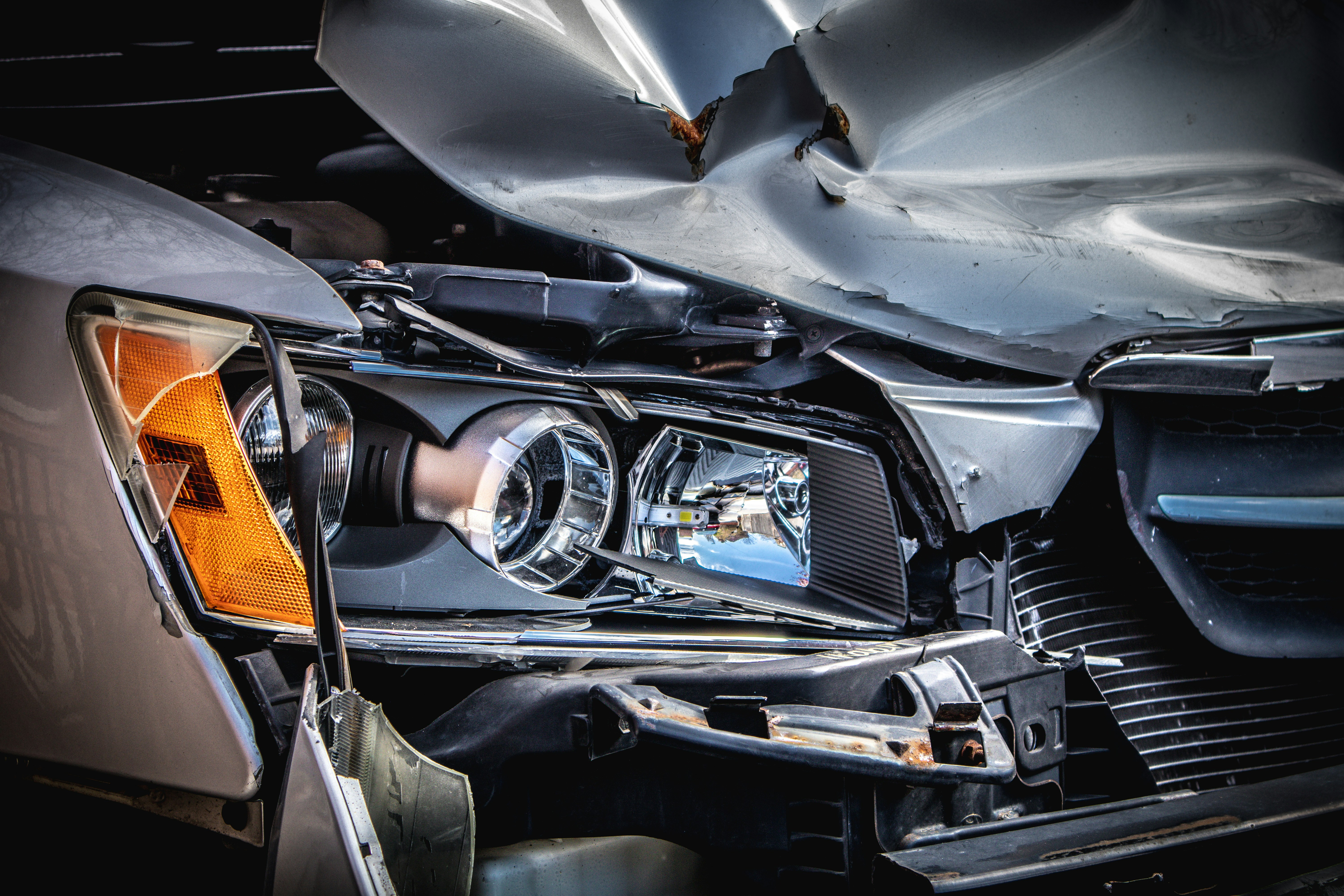
- Safety Recalls: These recalls involve defects or issues that can cause a crash, injury, or even death. Examples of safety recalls include faulty airbags, brake system failures, and steering system malfunctions. Safety recalls are the most critical type of recall, as they directly impact the safety of drivers and passengers.
- Emissions Recalls: These recalls are related to vehicle emissions that exceed federal or state standards. Emissions recalls often involve issues with the exhaust system, fuel system, or engine control module. While emissions recalls are important for environmental reasons, they do not typically pose an immediate safety risk to drivers.
- Fuel Economy Recalls: These recalls involve incorrect fuel economy ratings or other issues that affect a vehicle’s fuel efficiency. Fuel economy recalls are typically less critical than safety or emissions recalls, but they can still impact your wallet and the environment.
Recall Severity: Understanding the Risks
In addition to recall classifications, the NHTSA also assigns a severity level to each recall. This severity level indicates the potential risk associated with the defect or issue. There are three severity levels:
- High Severity: These recalls involve defects or issues that can cause serious injury or death. Examples of high-severity recalls include faulty airbags, brake system failures, and steering system malfunctions. If your vehicle is subject to a high-severity recall, it is essential to take immediate action to address the issue.
- Medium Severity: These recalls involve defects or issues that can cause minor injuries or property damage. Examples of medium-severity recalls include faulty wipers, malfunctioning headlights, or loose trim components. While medium-severity recalls are less critical than high-severity recalls, they still require attention to prevent potential problems.
- Low Severity: These recalls involve defects or issues that are unlikely to cause injuries or property damage. Examples of low-severity recalls include incorrect labeling, minor software glitches, or cosmetic issues. Low-severity recalls are often addressed through software updates or minor repairs.
What to Do if Your Vehicle is Recalled
If your vehicle is subject to a recall, follow these steps:
- Check the NHTSA Website: Visit the NHTSA website (nhtsa.gov) and enter your vehicle’s identification number (VIN) to see if it has any outstanding recalls.
- Contact a Dealer: Reach out to a local dealership or authorized repair center to schedule an appointment to address the recall.
- Get it Fixed: Ensure that the recall repair is completed by a qualified technician, and keep a record of the repair for your vehicle’s maintenance history.
- Stay Informed: Register with the NHTSA to receive recall notifications and stay up-to-date on any future recalls affecting your vehicle.
Conclusion
Understanding NHTSA recall classifications and severity is crucial for every car owner in the United States. By knowing the type of recall and its associated severity level, you can take necessary actions to ensure your safety on the road. Remember to stay informed, check the NHTSA website regularly, and address any outstanding recalls promptly to protect yourself and your loved ones. Stay safe, and happy driving!






















Leave a Reply
You must be logged in to post a comment.