



























When researching a new vehicle, reading professional reviews can be an invaluable resource. These reviews provide an unbiased, in-depth look at a vehicle’s features, performance, and overall value. However, understanding the methodologies behind these reviews is crucial to making an informed decision. In this article, we’ll break down the key elements of professional vehicle review methodologies, empowering you to make the most of these valuable resources.
Understanding the Reviewer’s Perspective
Professional vehicle reviewers come from various backgrounds, including automotive journalism, testing, and research. Their expertise and experience play a significant role in shaping their review methodologies. It’s essential to consider the reviewer’s perspective and potential biases when interpreting their review.
For instance, a reviewer from a performance-focused publication may prioritize acceleration and handling over comfort and fuel efficiency. Conversely, a reviewer from a family-oriented publication may emphasize safety features and interior space. Being aware of these perspectives helps you understand the reviewer’s priorities and how they might influence their assessment.
The Testing Process
Professional reviewers typically put vehicles through a rigorous testing process, which may include:
- Track testing: Evaluating a vehicle’s performance, handling, and braking capabilities on a controlled track.
- Road testing: Assessing a vehicle’s comfort, noise levels, and overall driving experience on public roads.
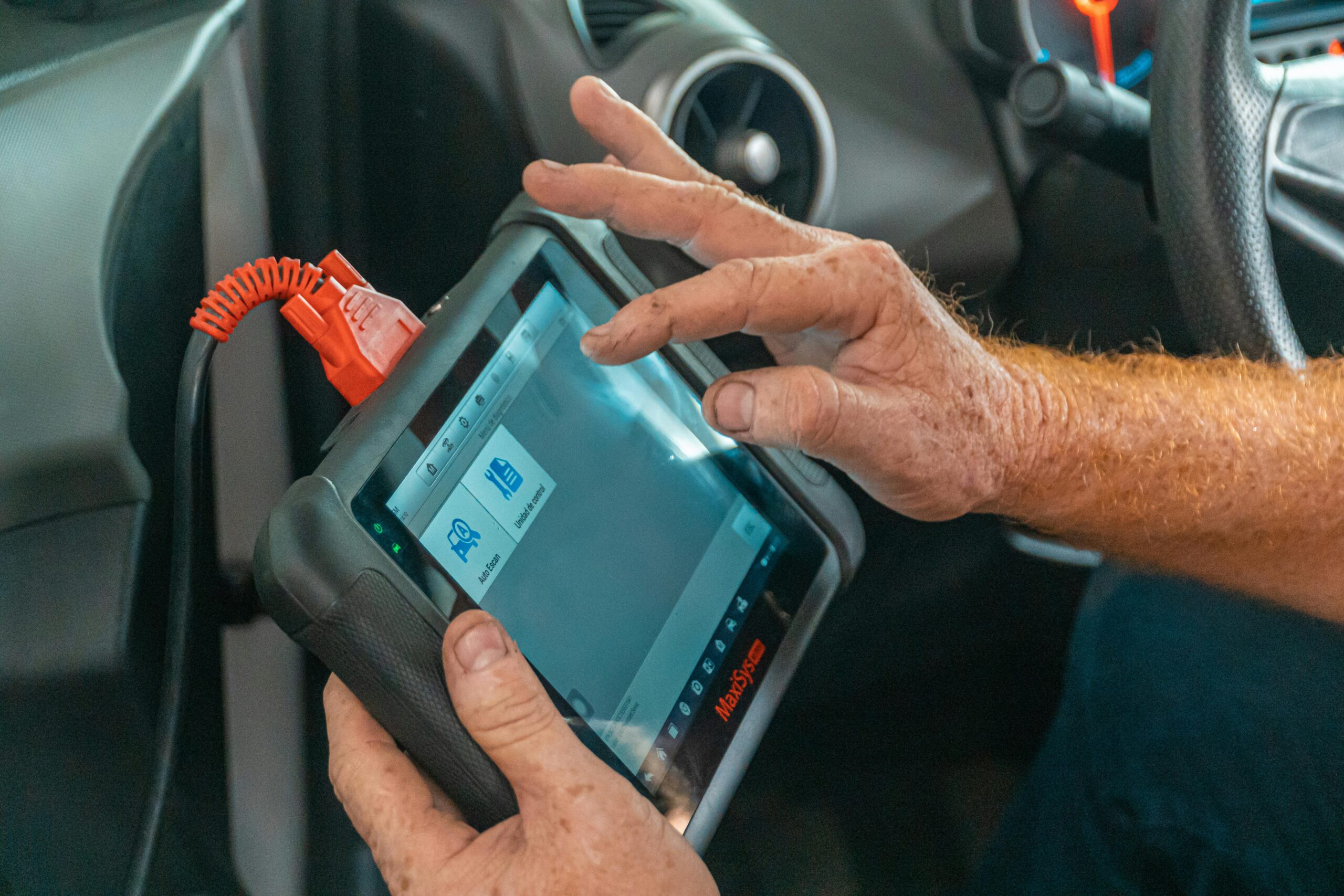
- Instrumented testing: Using specialized equipment to measure a vehicle’s acceleration, braking, and other performance metrics.
Understanding the testing process helps you appreciate the reviewer’s findings and how they were obtained. For example, if a reviewer praises a vehicle’s handling, you know it’s based on their experience on a track or twisty roads, rather than just driving on a straight highway.
Rating Systems and Scoring
Many professional reviewers use rating systems or scoring methods to quantify their assessment of a vehicle. These systems can be based on various criteria, such as:
- Performance: Acceleration, handling, braking, and transmission performance.
- Comfort and Features: Interior space, comfort, infotainment systems, and convenience features.
- Safety: Crash test ratings, advanced safety features, and driver assistance systems.
- Value: Pricing, fuel efficiency, and overall cost of ownership.
Familiarize yourself with the reviewer’s rating system or scoring method to understand the weight they give to each criterion. This helps you identify areas where a vehicle excels or falls short.
Real-World Relevance
Professional reviewers often focus on a vehicle’s performance in ideal conditions, which may not reflect real-world driving scenarios. Consider how the reviewer’s findings translate to your daily driving needs. For example:
- City driving: If you spend most of your time driving in heavy traffic, a vehicle’s acceleration and braking performance may be more important than its track performance.
- Long road trips: If you frequently take long road trips, a vehicle’s comfort, fuel efficiency, and infotainment system may be more crucial.
Comparing Reviews
When reading multiple reviews, it’s essential to compare apples to apples. Look for consistency in the testing process, rating systems, and criteria used by different reviewers. This helps you identify areas of agreement and disagreement, providing a more comprehensive understanding of a vehicle’s strengths and weaknesses.
Red Flags and Biases
Be cautious of reviews with:
- Overly positive or negative language: Reviews that use exaggerated language may indicate bias or a lack of objectivity.
- Limited testing or data: Reviews that rely on incomplete or outdated information may not provide an accurate assessment.
- Conflicts of interest: Reviews written by individuals with ties to the manufacturer or other conflicts of interest may be biased.
Making Informed Decisions
By understanding professional vehicle review methodologies, you can make informed decisions when researching a new vehicle. Remember to:
- Consider multiple reviews: Aggregate reviews from different sources to get a well-rounded perspective.
- Evaluate the reviewer’s perspective: Understand the reviewer’s priorities and potential biases.
- Focus on real-world relevance: Assess how the reviewer’s findings apply to your daily driving needs.
- Watch for red flags and biases: Be cautious of reviews with incomplete information, exaggerated language, or conflicts of interest.
By following these steps, you’ll be better equipped to navigate professional vehicle reviews, making it easier to find the right vehicle for your needs and budget. Remember, an informed decision is a smart decision, and with these tools, you’ll be driving away in your new vehicle with confidence.






























Leave a Reply
You must be logged in to post a comment.