















Are you in the market for a used car? Whether you’re a first-time buyer or a seasoned pro, understanding how market seasonality affects used car prices can save you thousands of dollars. In this article, we’ll break down the seasonal trends that influence used car prices, so you can make an informed purchase decision.
What is Market Seasonality?
Market seasonality refers to the predictable patterns of price fluctuations that occur throughout the year due to various factors, such as weather, holidays, and consumer behavior. In the used car market, seasonality plays a significant role in determining prices. By understanding these patterns, you can time your purchase to get the best deal.
The Four Seasons of Used Car Prices
Let’s dive into the four seasons of used car prices and how they impact the market:
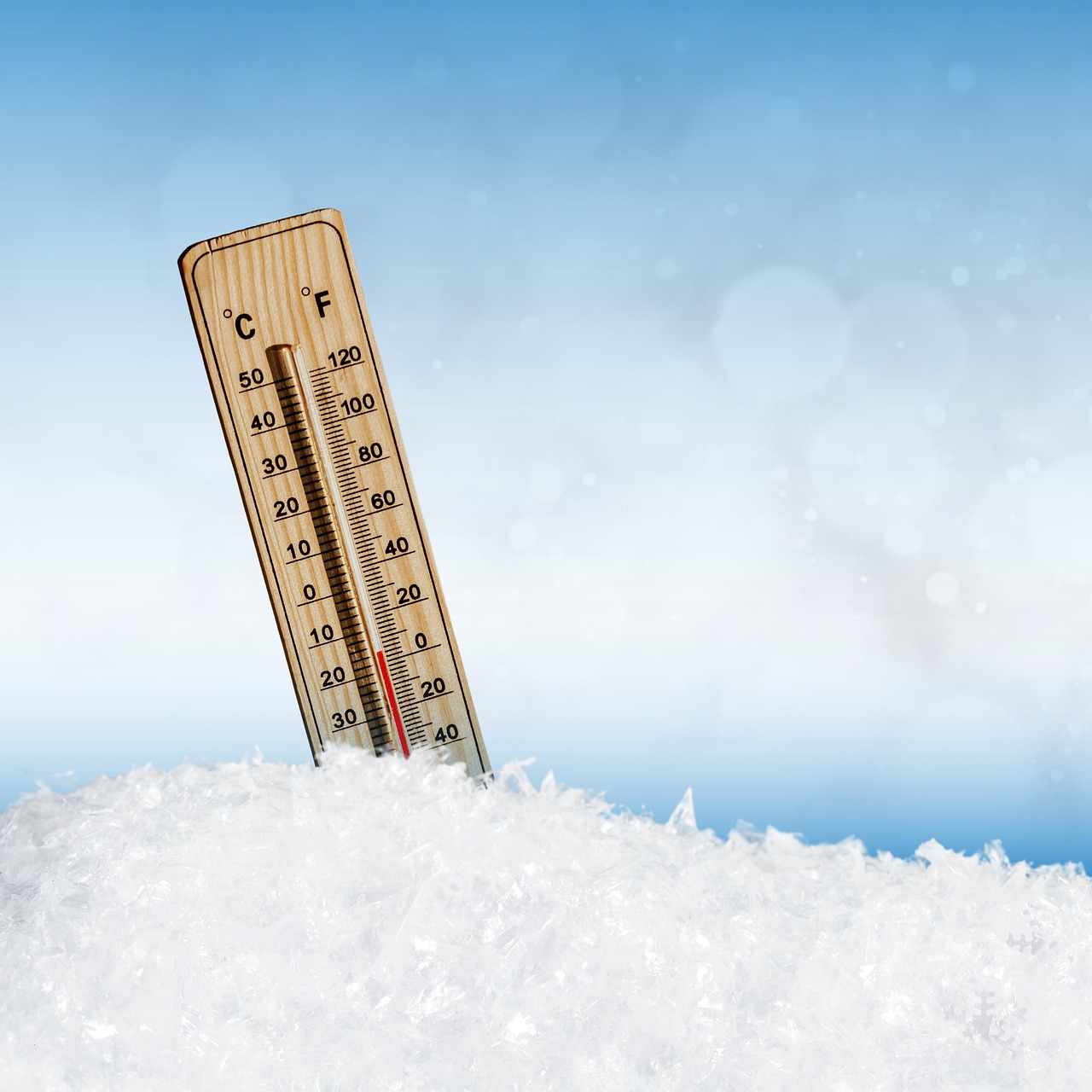
1. Winter (December to February)
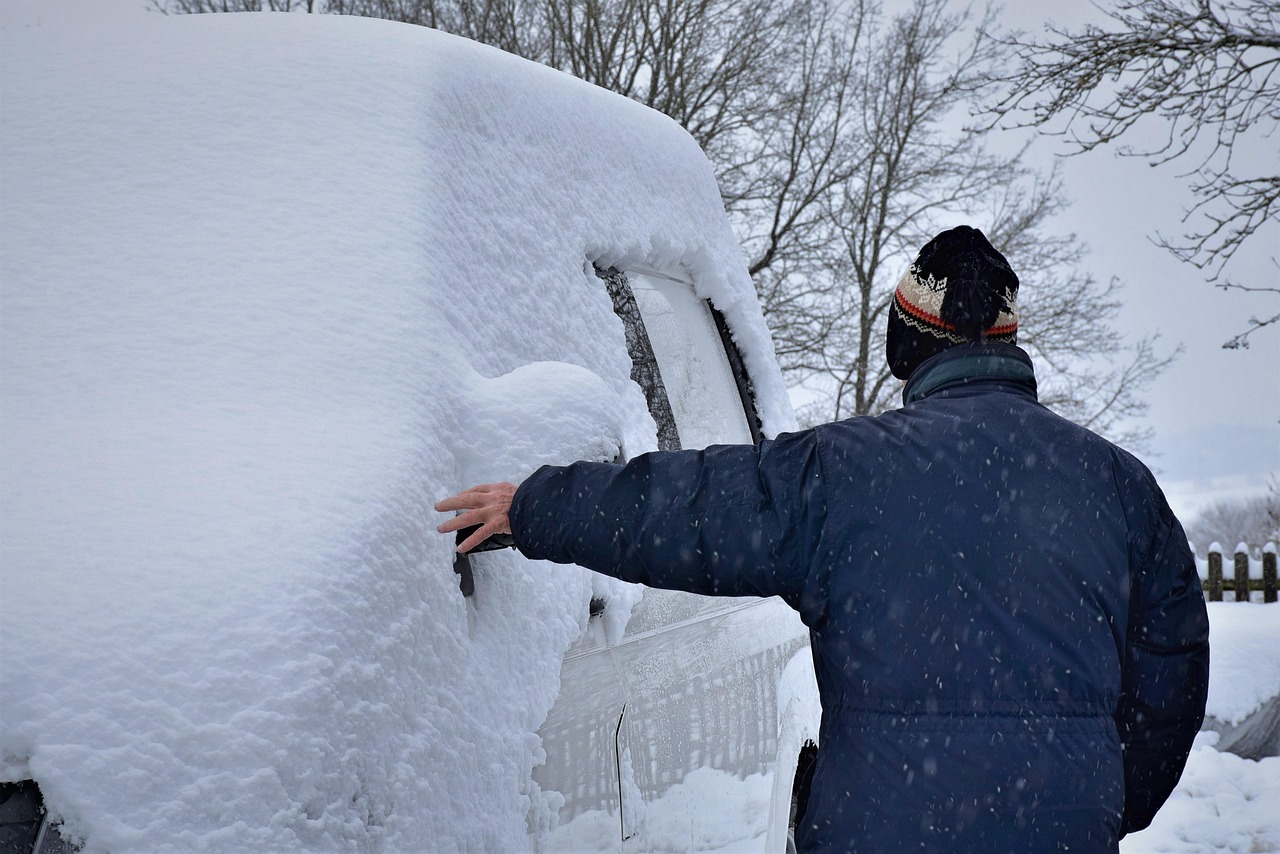
During the winter months, used car prices tend to be lower due to several factors:
- Fewer buyers: Inclement weather and holiday distractions reduce the number of potential buyers, leading to lower demand and prices.
- Inventory buildup: Dealerships often stockpile inventory during the winter to prepare for the upcoming spring season, which means they may be more willing to negotiate prices to clear out older models.
- End-of-year clearance: Dealers may offer discounts on remaining inventory to meet year-end sales targets or make room for new models.
Example: A 2018 Honda Civic with 30,000 miles might cost around $15,000 in December, but its price could drop to $13,500 by February as dealerships try to clear out inventory.
2. Spring (March to May)
As the weather warms up, used car prices tend to rise due to:
- Increased demand: With better weather, more people start shopping for cars, driving up demand and prices.
- New model releases: Dealerships receive new inventory, and prices for older models may increase as they become less available.
- Tax refund season: Many consumers receive tax refunds during this period, which can boost car sales and prices.
Example: That same 2018 Honda Civic might increase in price to $16,500 by April as demand picks up and dealerships take advantage of the influx of tax refund cash.
3. Summer (June to August)
Summer is peak car-buying season, which means prices tend to be higher due to:
- Vacation mode: Families often purchase cars during the summer for road trips and vacations, increasing demand.
- Low inventory: Dealerships may have limited inventory, as they’ve sold through their winter stockpiles and haven’t yet received new shipments.
- Higher prices for convertibles and SUVs: As the weather heats up, demand for these types of vehicles increases, driving up prices.
Example: The 2018 Honda Civic might reach its highest price point around $17,500 in July, as families and vacationers drive up demand.
4. Fall (September to November)
As the summer rush ends, used car prices tend to dip due to:
- Back-to-school season: Many families have already purchased cars for the summer, and demand slows down as students head back to school.
- Inventory replenishment: Dealerships receive new shipments of cars, increasing inventory and putting downward pressure on prices.
- End-of-model-year clearance: Dealers may offer discounts on remaining inventory to make room for next year’s models.
Example: The 2018 Honda Civic might drop in price to $15,000 by October, as dealerships clear out inventory and prepare for the next model year.
Timing Your Purchase
Now that you understand the seasonal trends, here are some tips to help you time your used car purchase:
- Buy during the winter or fall seasons when prices are generally lower.
- Avoid buying during peak summer months when prices are highest.
- Keep an eye on inventory levels and be prepared to negotiate if you find a car that’s been on the lot for a while.
- Research and compare prices to ensure you’re getting a good deal, regardless of the season.
Conclusion
Understanding market seasonality can be a powerful tool in your used car buying journey. By recognizing the patterns of price fluctuations, you can make an informed decision and potentially save thousands of dollars. Remember to time your purchase wisely, and don’t be afraid to negotiate. Happy car shopping!
















Leave a Reply
You must be logged in to post a comment.