


















When it comes to car maintenance, many of us follow a standard schedule recommended by our car’s manufacturer or a trusted mechanic. However, what we often overlook is that our driving habits and conditions can significantly impact our vehicle’s maintenance needs. In this article, we’ll explore how different driving conditions can alter your maintenance schedule and provide practical tips to help you adjust accordingly.
Severe Weather Conditions
Severe weather conditions, such as extreme temperatures, heavy snowfall, or torrential rains, can take a toll on your vehicle’s engine, tires, and other components. If you live in an area prone to harsh weather, you may need to adjust your maintenance schedule accordingly.
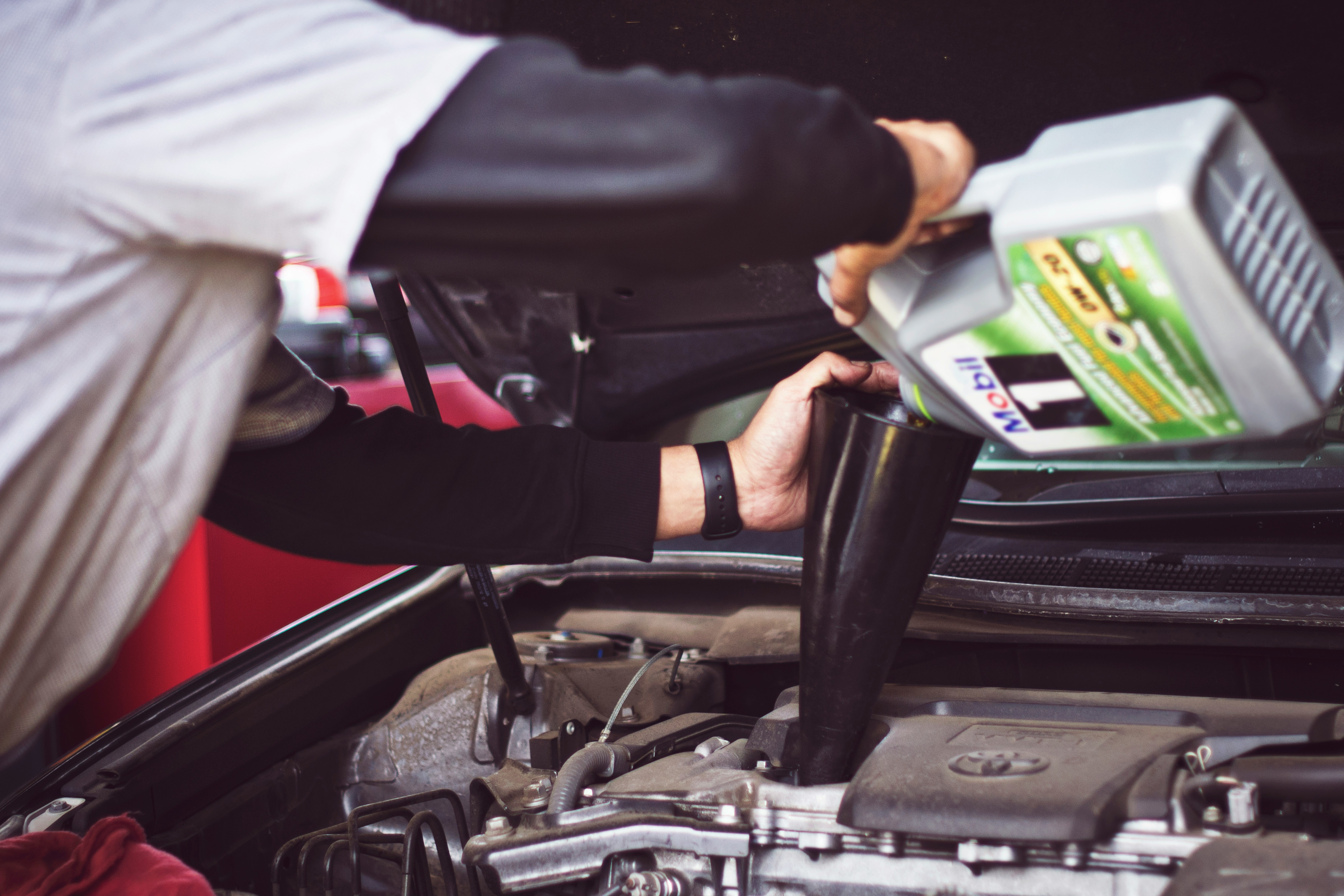
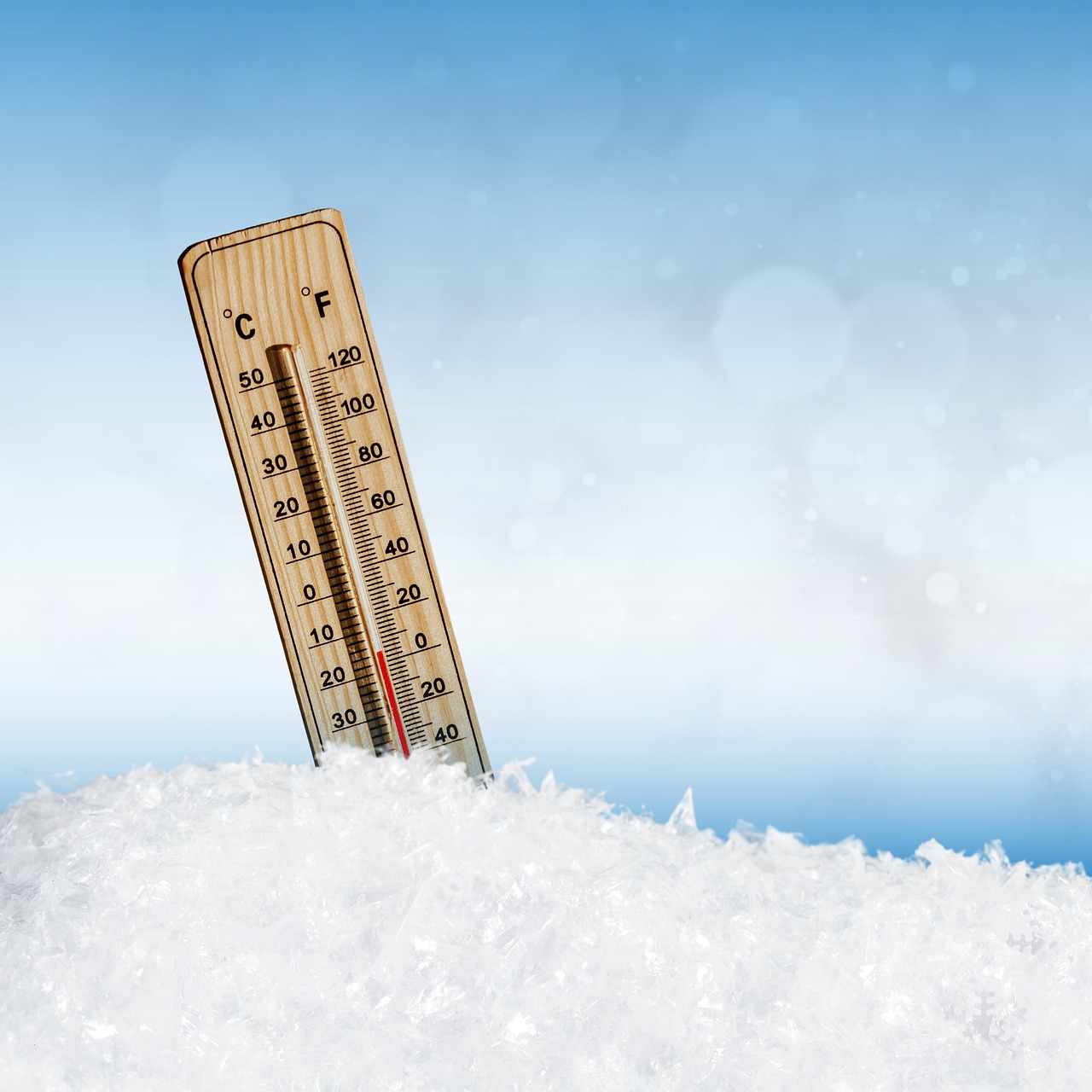
- Extreme Temperatures: If you live in an area with extremely hot or cold temperatures, your engine oil may need to be changed more frequently. In hot temperatures, oil can break down faster, while in cold temperatures, oil can become thicker, making it harder for your engine to start.
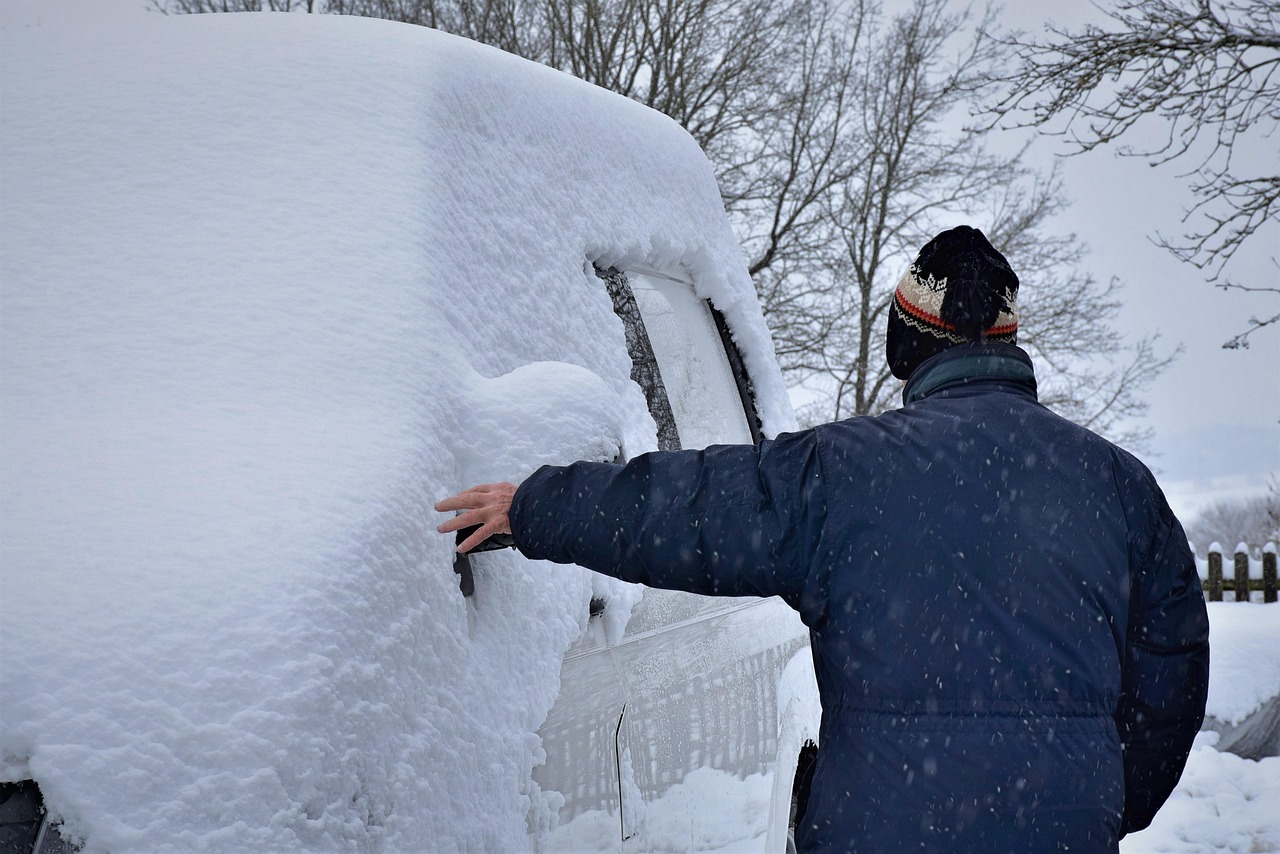
- Snow and Ice: If you live in an area with heavy snowfall, your tires may need to be replaced more frequently due to the increased wear and tear. Additionally, your vehicle’s belts and hoses may need to be inspected and replaced more often due to the added stress of cold temperatures.
- Heavy Rainfall: If you live in an area with heavy rainfall, your vehicle’s air filter may need to be replaced more frequently due to the increased moisture in the air.
City vs. Country Driving
Where you drive can also impact your maintenance schedule. City driving, with its stop-and-go traffic, can be harder on your vehicle than country driving, with its more consistent speeds.
- City Driving: If you drive primarily in the city, your brakes may need to be replaced more frequently due to the increased wear and tear from frequent stopping. Additionally, your vehicle’s transmission may need to be serviced more often due to the added stress of stop-and-go traffic.
- Country Driving: If you drive primarily in the country, your vehicle’s suspension may need to be serviced more frequently due to the added stress of rough roads.
High-Mileage Driving
If you drive long distances frequently, you may need to adjust your maintenance schedule accordingly.
- Oil Changes: If you drive long distances, you may need to change your oil more frequently due to the increased wear and tear on your engine.
- Tire Pressure: If you drive long distances, you may need to check your tire pressure more frequently to ensure it’s at the recommended level.
Towing and Hauling
If you use your vehicle for towing or hauling, you may need to adjust your maintenance schedule accordingly.
- Transmission: If you tow or haul frequently, your transmission may need to be serviced more often due to the added stress of hauling heavy loads.
- Coolant: If you tow or haul frequently, your coolant may need to be checked and replaced more often due to the increased heat generated by your engine.
Practical Tips and Solutions
Now that we’ve explored how different driving conditions can impact your maintenance schedule, here are some practical tips and solutions to help you adjust accordingly:
- Keep a Maintenance Log: Keep a log of your maintenance schedule, including the date and type of service performed. This will help you stay on top of your maintenance needs and make adjustments as needed.
- Consult Your Owner’s Manual: Consult your owner’s manual for recommended maintenance schedules based on your driving conditions.
- Talk to Your Mechanic: Talk to your mechanic about your driving habits and conditions, and ask for their recommendations on how to adjust your maintenance schedule accordingly.
- Be Proactive: Don’t wait until something breaks to address it. Be proactive about your maintenance schedule, and address potential issues before they become major problems.
Conclusion
In conclusion, your driving conditions can significantly impact your maintenance schedule. By understanding how different driving conditions can affect your vehicle, you can adjust your maintenance schedule accordingly and avoid costly repairs down the line. Remember to keep a maintenance log, consult your owner’s manual, talk to your mechanic, and be proactive about your maintenance schedule. With these practical tips and solutions, you can keep your vehicle running smoothly and avoid financial pitfalls.


























Leave a Reply
You must be logged in to post a comment.