













When it comes to buying and owning a car, there’s one crucial factor that can make a significant difference in your wallet: depreciation. Depreciation is the gradual loss of value of an asset over time, and in the case of vehicles, it can be a costly reality. Understanding how depreciation works is essential for car buyers and owners, as it can help you make informed decisions and potentially save thousands of dollars. In this article, we’ll break down the ins and outs of depreciation, exploring how it affects different vehicle types and what factors influence its rate.
How Depreciation Works
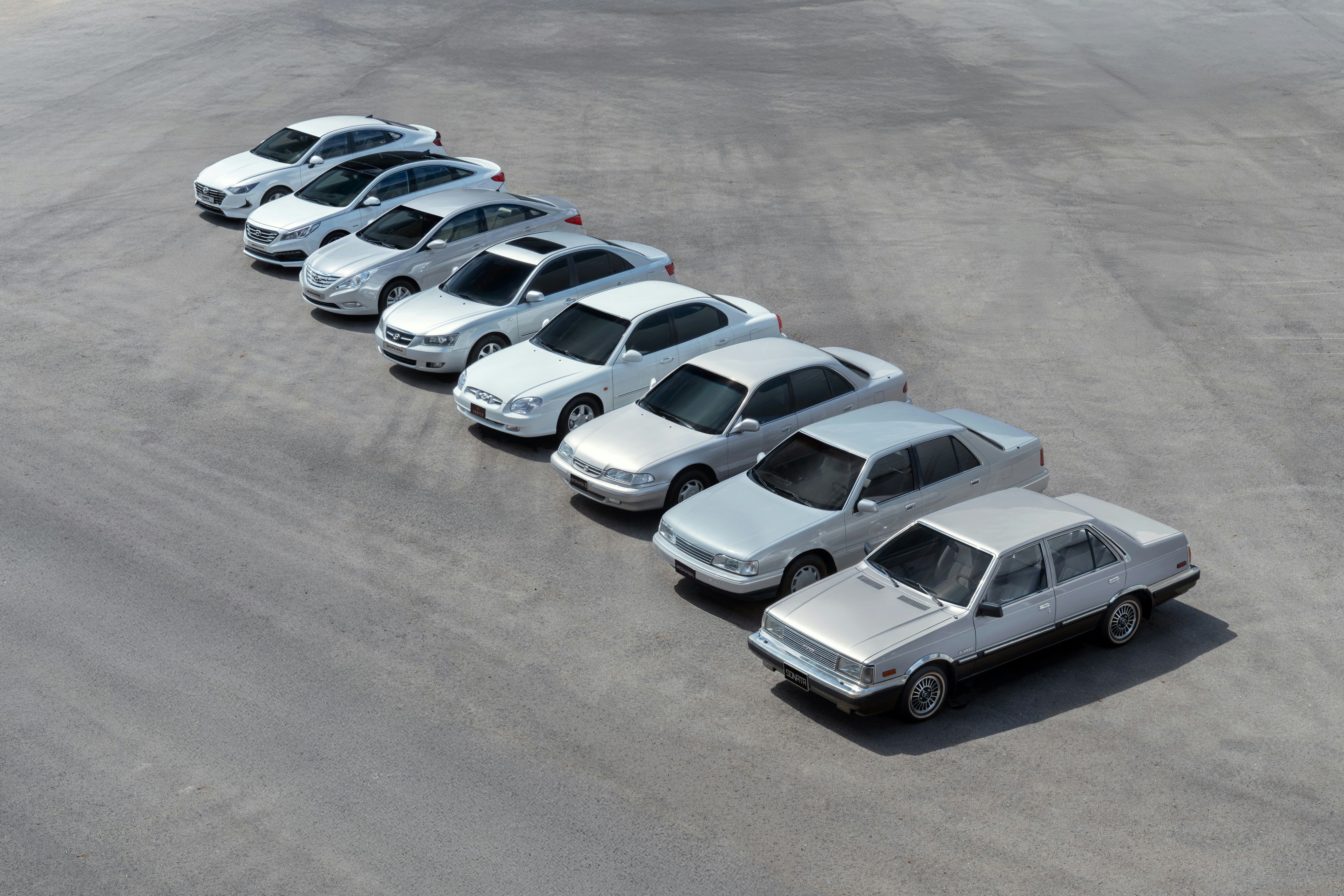
Depreciation is a natural process that occurs as a vehicle ages and accumulates mileage. Its primary purpose is to reflect the decreasing value of an asset over time, taking into account wear and tear, technological advancements, and market changes. The depreciation process can be divided into three stages:
- Initial Depreciation: The initial drop in value occurs immediately after purchasing a new vehicle. This stage is the most significant, with some cars losing up to 10% of their value within the first few months.
- Rapid Depreciation: During the first few years, the vehicle’s value decreases rapidly, with the majority of depreciation occurring within the first five years.
- Slow Depreciation: After the initial rapid depreciation, the vehicle’s value continues to decrease, but at a slower rate.
Depreciation affects the overall value of a vehicle, making it essential to consider when buying or selling a car. For example, a brand-new Toyota Camry worth $25,000 might depreciate to $18,000 within the first three years, losing $7,000 in value.
Depreciation Across Different Vehicle Types
Depreciation rates vary significantly across different vehicle types. Here’s a breakdown of how depreciation works for new and used cars, luxury vehicles, electric vehicles, and trucks:
- New vs. Used Cars: New cars depreciate faster than used cars, with some models losing up to 20% of their value within the first year. Used cars, on the other hand, have already taken the initial depreciation hit, making them a more cost-effective option.
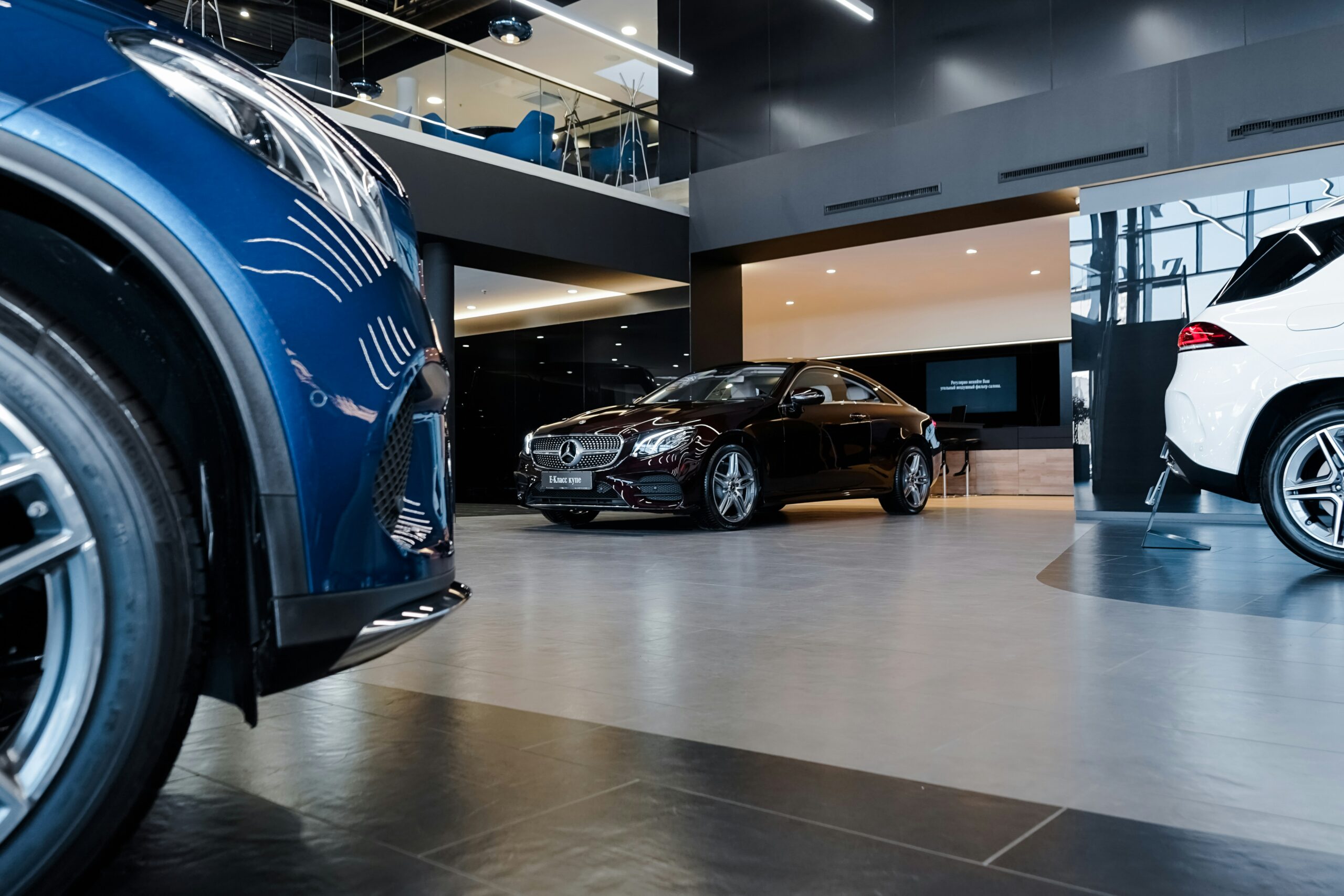
- Luxury Vehicles: Luxury cars tend to depreciate more rapidly than non-luxury vehicles, as their high initial prices make them more susceptible to significant value drops. For instance, a brand-new Mercedes-Benz S-Class might depreciate by 30% within the first three years.
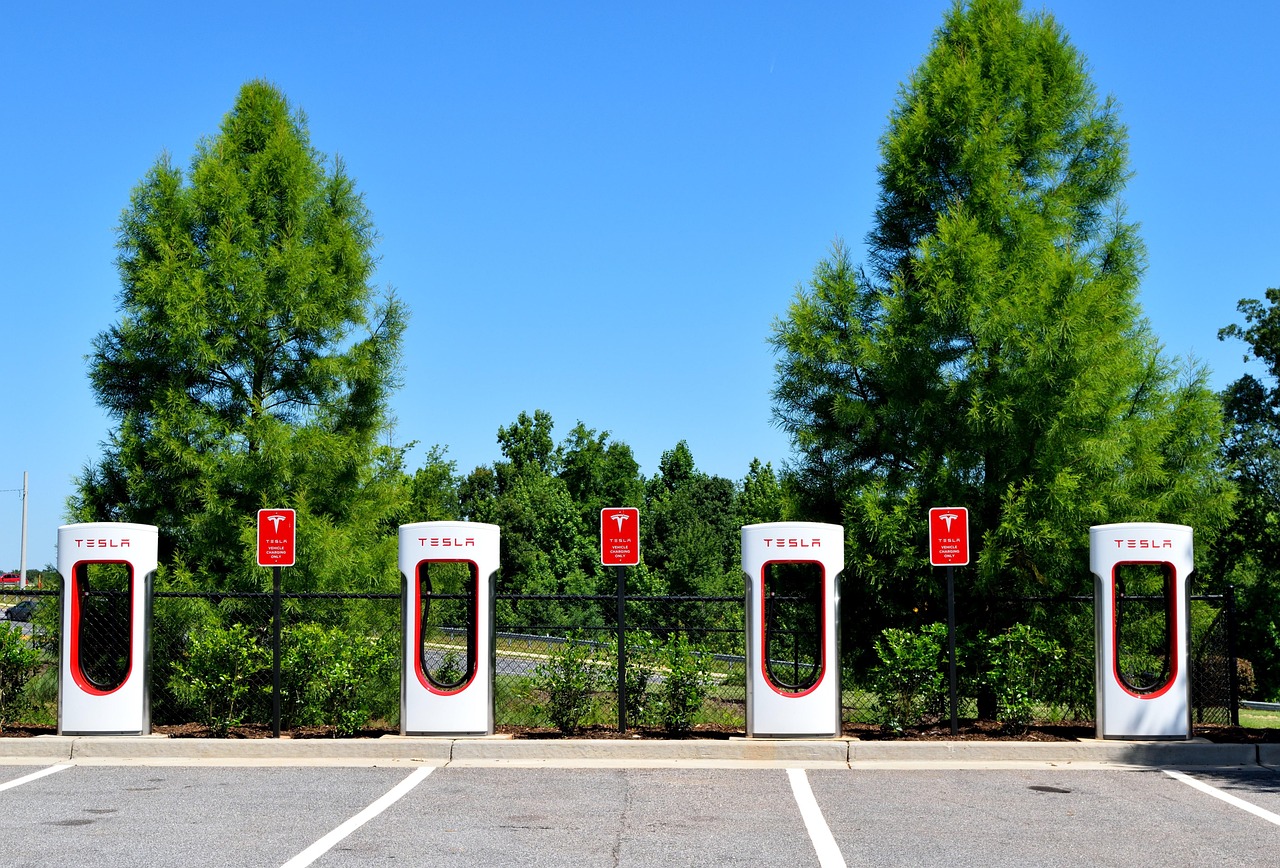
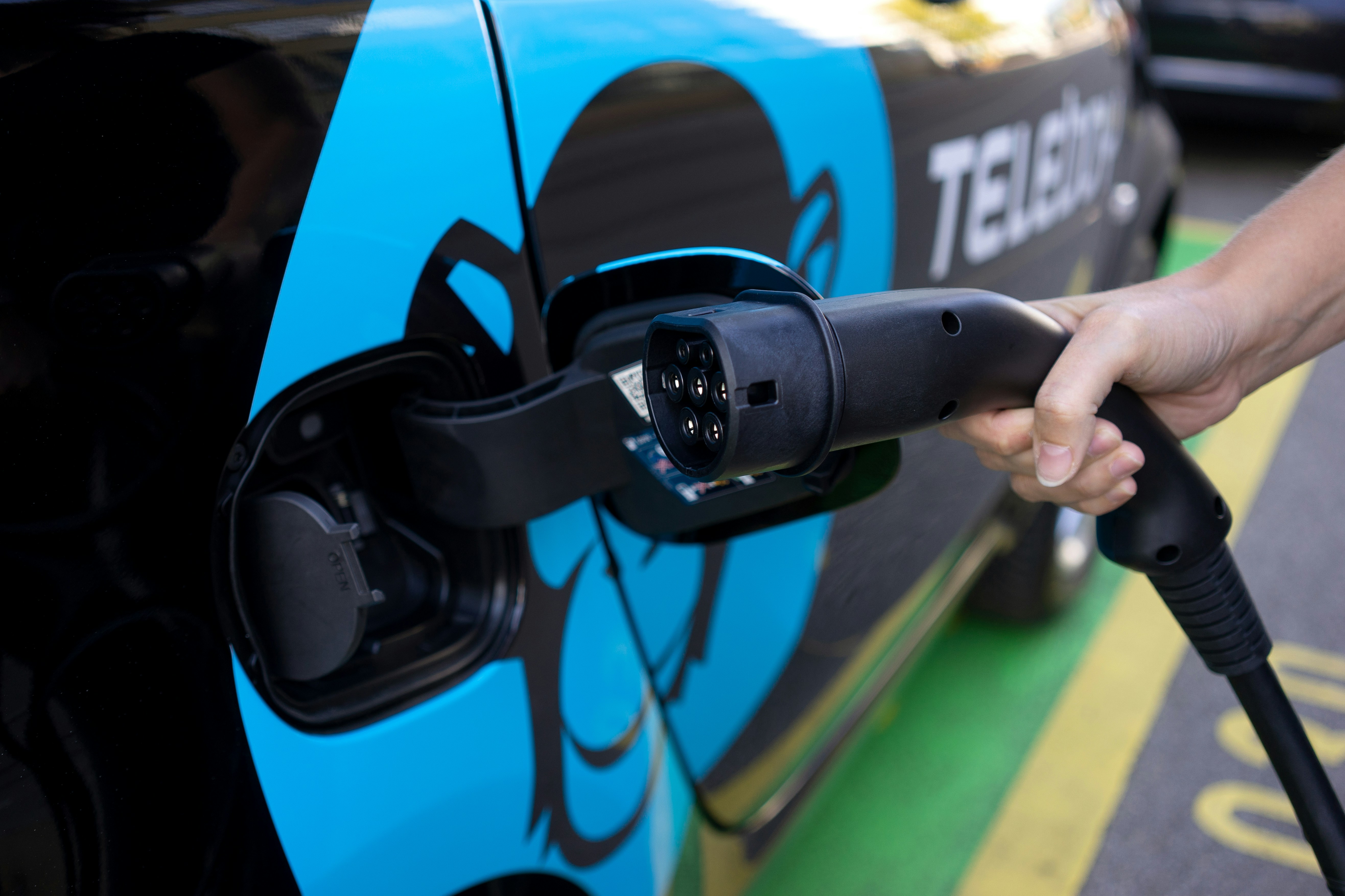
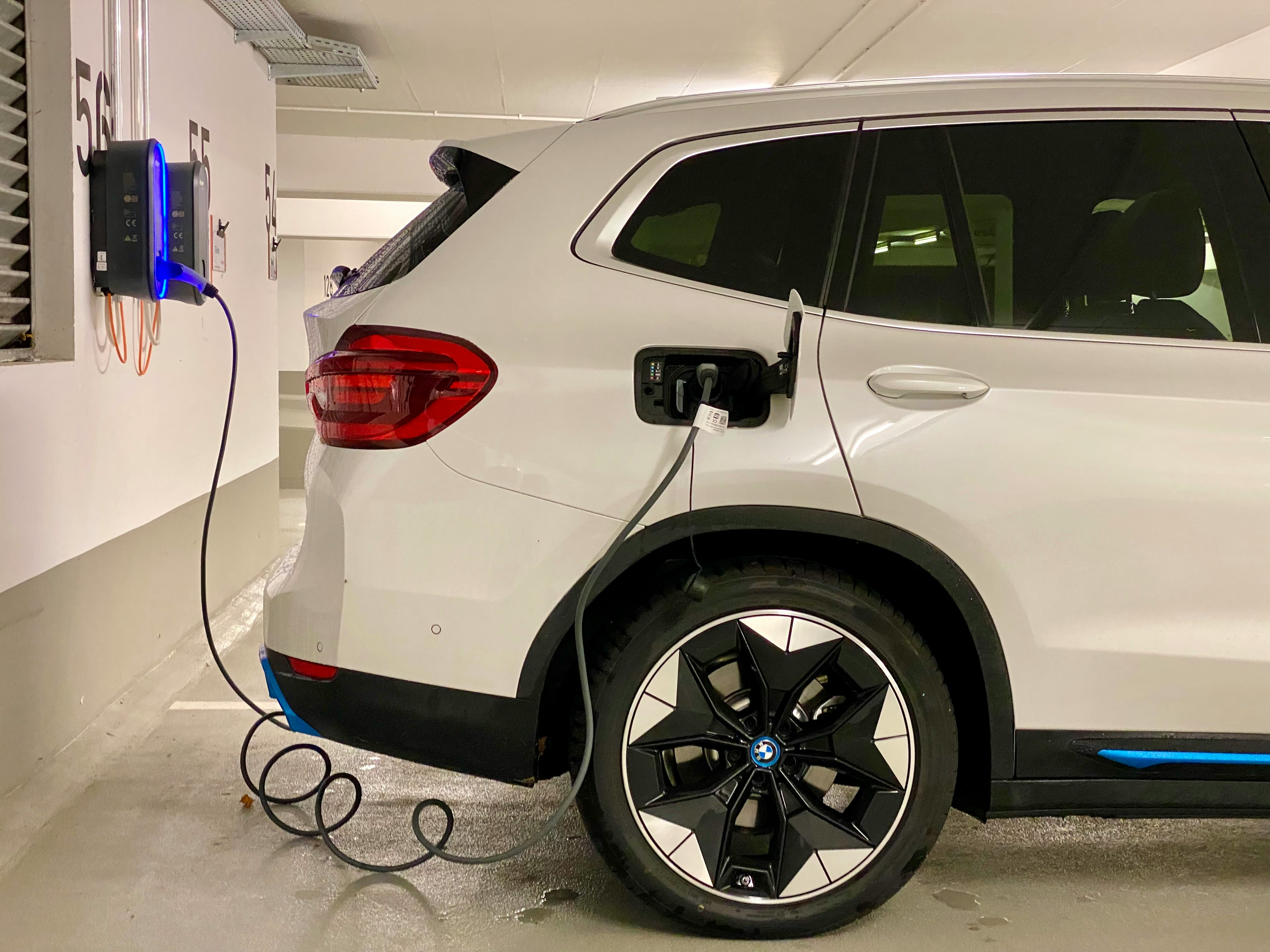
- Electric Vehicles: Electric vehicles (EVs) depreciate at a slower rate than their gasoline-powered counterparts. This is due to government incentives, lower operating costs, and increasing demand for eco-friendly vehicles. A Tesla Model 3, for example, might retain up to 60% of its value after five years.
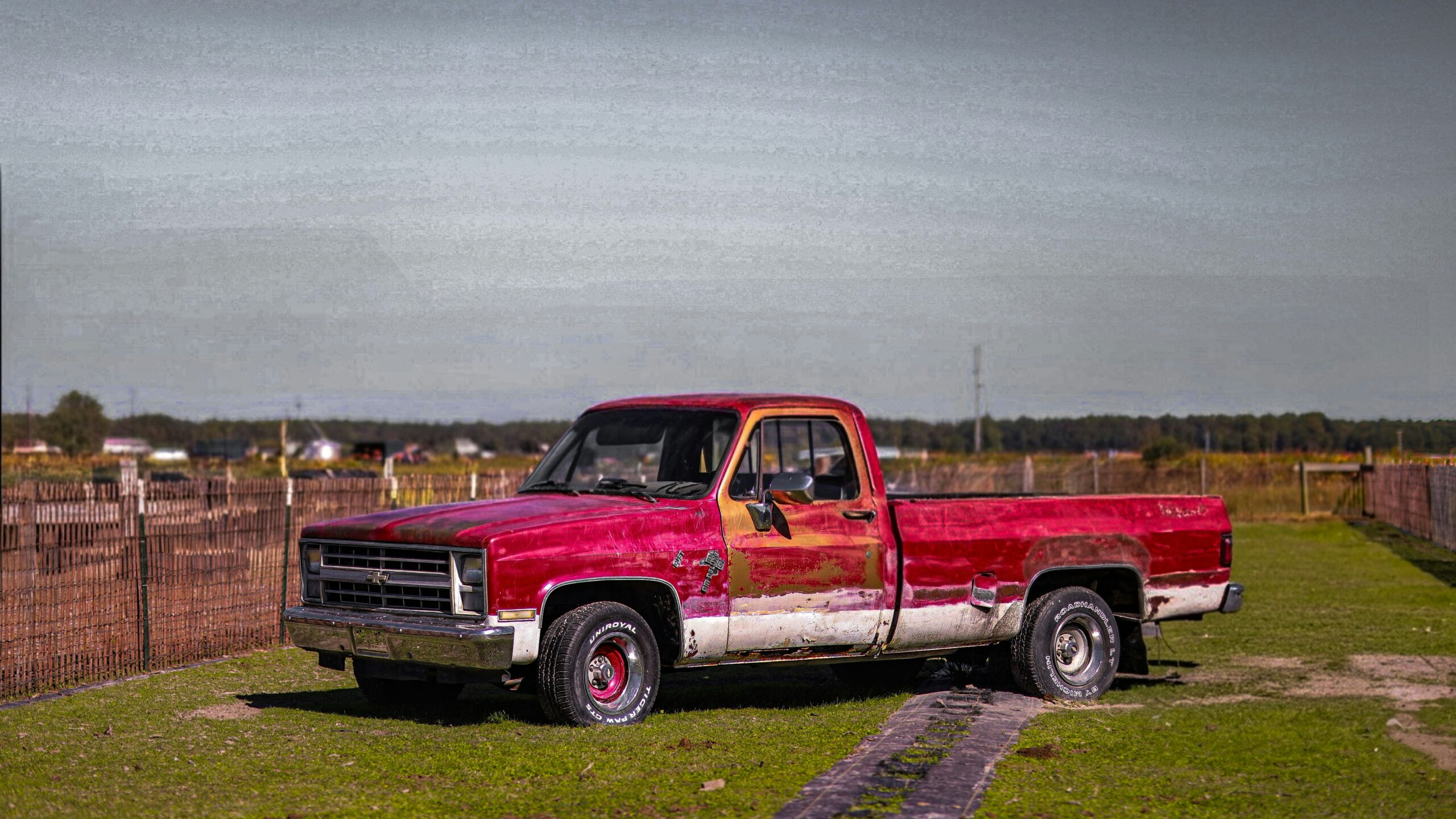
- Trucks: Trucks, particularly those used for commercial purposes, tend to depreciate more slowly than passenger vehicles. A Ford F-150, for instance, might lose around 40% of its value over five years, thanks to its durability and high demand.
Factors Affecting Depreciation
Several factors influence a vehicle’s depreciation rate:
- Mileage: Higher mileage vehicles depreciate more rapidly, as excessive wear and tear reduce their value.
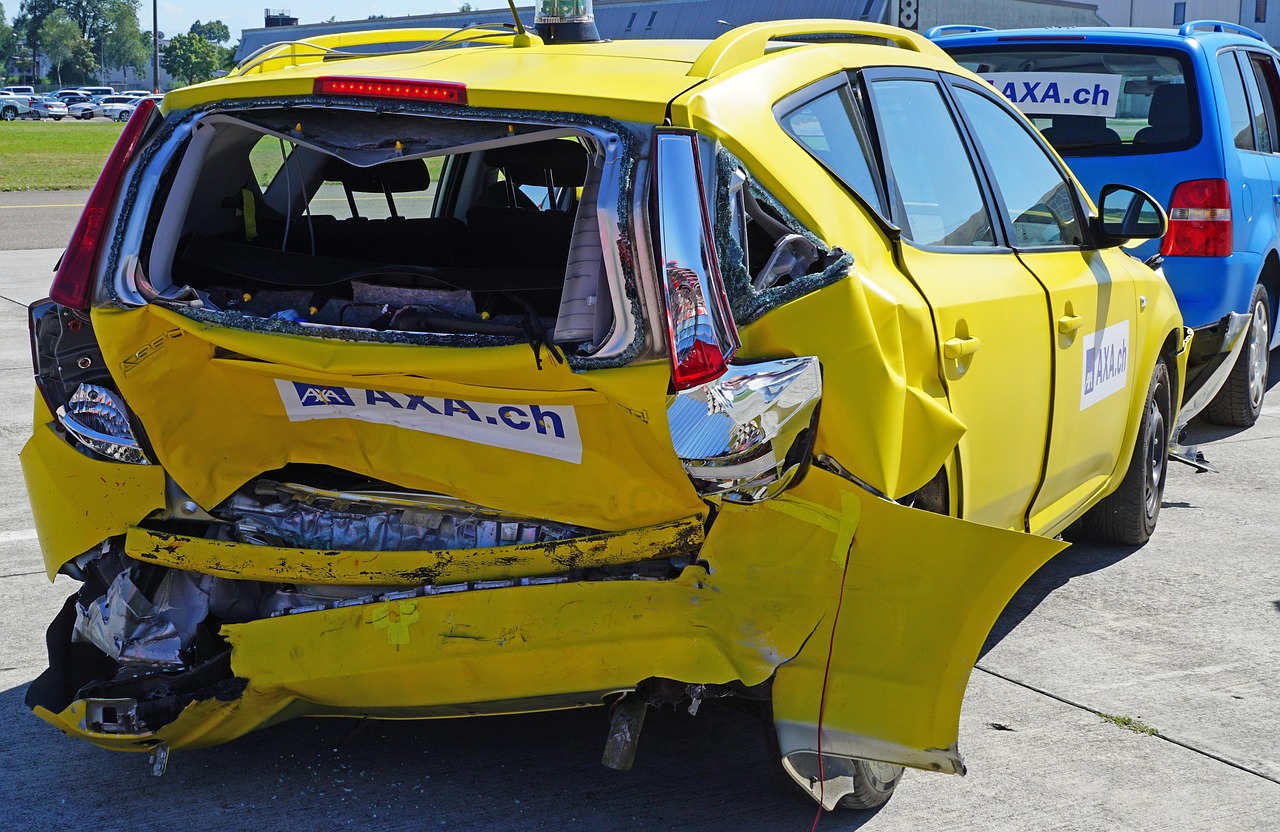
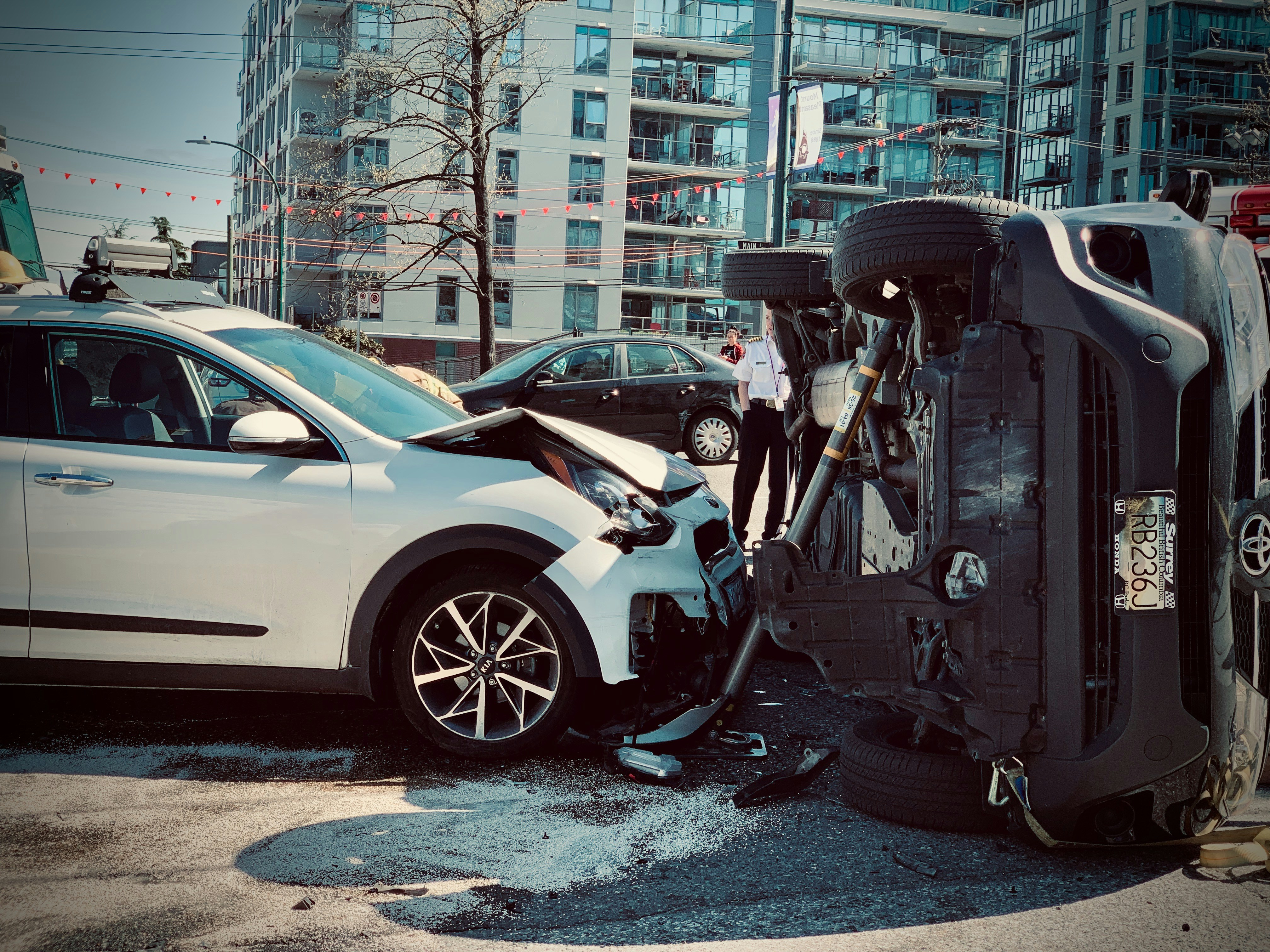
- Condition: A well-maintained vehicle with minimal damage will depreciate more slowly than one with high mileage and cosmetic issues.
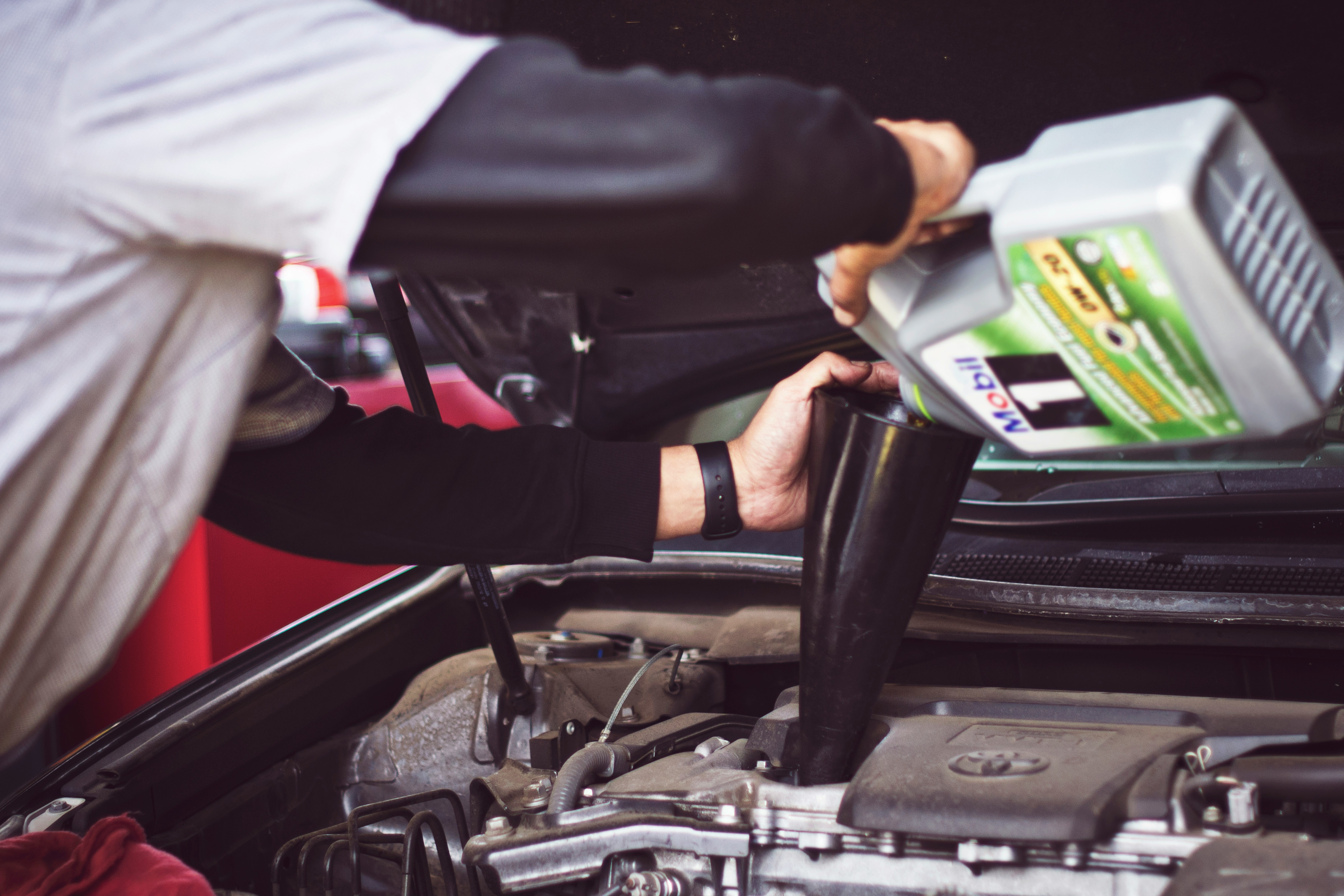
- Maintenance: Regular maintenance and timely repairs can help slow down depreciation, as a well-maintained vehicle is more desirable to potential buyers.
- Supply and Demand: If there’s high demand for a particular model, its depreciation rate may slow down. Conversely, an oversaturated market can lead to faster depreciation.
- Technological Advancements: The introduction of new features, safety technologies, or fuel-efficient engines can make older models less desirable, accelerating their depreciation.
Conclusion
Depreciation is an unavoidable aspect of vehicle ownership, but understanding how it works can help you make informed decisions and potentially save thousands of dollars. When buying or selling a car, consider the vehicle type, mileage, condition, and maintenance records to estimate its depreciation rate. Additionally, keep in mind that luxury vehicles, electric vehicles, and trucks have unique depreciation patterns.
Here’s a practical takeaway: if you’re in the market for a new car, consider purchasing a certified pre-owned vehicle or a model that’s a few years old. This can help you avoid the initial rapid depreciation stage, saving you money in the long run. By grasping the concept of depreciation, you’ll be better equipped to navigate the car-buying process and make smart financial decisions.

















Leave a Reply
You must be logged in to post a comment.