

























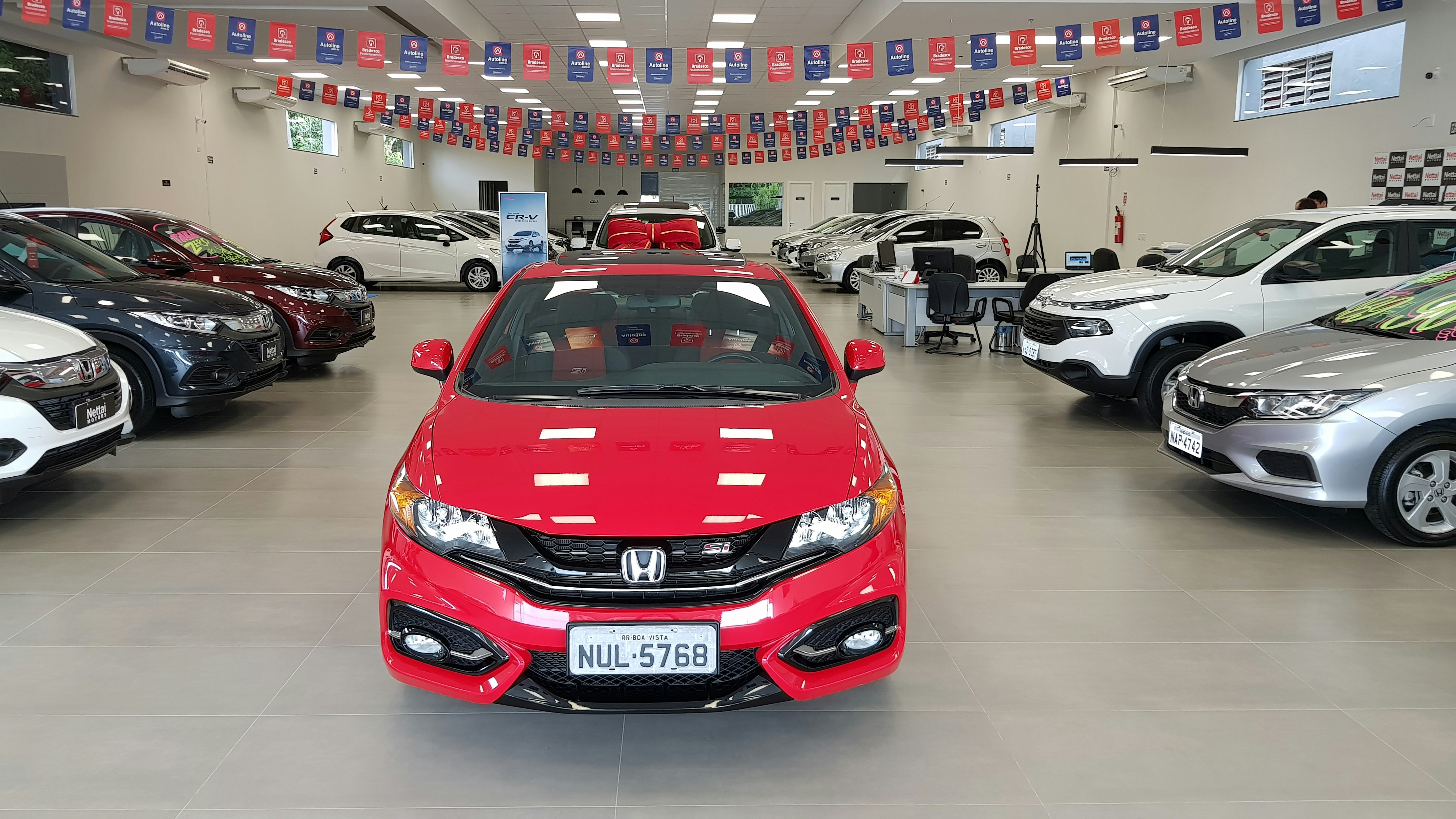
When you’re in the market for a new set of wheels, you might assume that finding the perfect car is the biggest challenge. But what if I told you that getting your hands on that car might be more complicated than you think? Enter dealer allocation – a behind-the-scenes process that can significantly impact new car availability. In this article, we’ll demystify dealer allocation, explain how it works, and provide actionable tips to help you navigate this often-overlooked aspect of car buying.
What is Dealer Allocation?
Dealer allocation is the process by which car manufacturers distribute new vehicles to their network of dealerships. Think of it as a supply chain management system, where the manufacturer decides which cars go to which dealers, and when. This process is crucial because it directly affects the availability of new cars on dealership lots.
Imagine a pipeline of cars flowing from the manufacturer to the dealership. The manufacturer is the supplier, and the dealership is the customer. Just like how a retailer might allocate stock to different stores, car manufacturers allocate vehicles to their dealerships. This ensures that the right cars are sent to the right places, meeting customer demand and maximizing sales.
How Does Dealer Allocation Work?
Here’s a step-by-step breakdown of the dealer allocation process:
- Forecasting: The manufacturer predicts demand for different models, trim levels, and features based on market trends, sales data, and customer preferences.
- Production planning: The manufacturer schedules production to meet forecasted demand, taking into account production capacity, material availability, and other factors.
- Allocation: The manufacturer assigns a specific number of vehicles to each dealership, based on their sales performance, market demand, and other criteria.
- Delivery: The allocated vehicles are shipped to the dealership, usually on a regular schedule (e.g., weekly or bi-weekly).
What Impacts Dealer Allocation?
Several factors can influence dealer allocation, affecting the availability of new cars:
- Sales performance: Dealerships with strong sales records are more likely to receive a larger allocation of vehicles.
- Market demand: Manufacturers allocate more vehicles to dealerships in areas with high demand for specific models or features.
- Inventory levels: Dealerships with low inventory levels may receive priority allocation to restock their lots.
- New model releases: When a new model is launched, manufacturers often allocate a larger number of vehicles to dealerships to generate buzz and drive sales.
- Production constraints: Production bottlenecks, material shortages, or quality issues can limit the number of vehicles allocated to dealerships.
How Does Dealer Allocation Affect You?
Now that you understand the basics of dealer allocation, let’s explore how it impacts your car-buying experience:
- Availability: If a dealership doesn’t receive an allocation of the car you want, you might need to wait or look elsewhere.
- Price: Dealerships with low inventory levels might be more willing to negotiate prices to move existing stock.
- Customization: If you want a specific trim level, color, or feature, you might need to wait for the next allocation or opt for a different car.
- Delivery time: Depending on the allocation schedule, you might need to wait weeks or even months for your car to arrive.
Actionable Tips to Navigate Dealer Allocation
- Research, research, research: Know the market demand and sales performance of the dealership you’re interested in. This can give you an idea of their allocation priority.
- Be flexible: Consider different trim levels, colors, or features to increase your chances of getting the car you want sooner.
- Build relationships: Develop a rapport with the dealership’s sales team to get insights into their allocation schedule and potential availability.
- Check inventory levels: Look for dealerships with low inventory levels, as they might be more willing to negotiate prices or offer incentives.
- Be prepared to wait: If the car you want is in high demand, be prepared to wait for the next allocation or consider alternative options.
- Don’t be afraid to walk away: If the dealership doesn’t have the car you want, be willing to explore other options or wait for the next allocation.
Dealer allocation might seem like a complex, behind-the-scenes process, but understanding how it works can give you an edge in your car-buying journey. By being aware of the factors that impact allocation and using the tips outlined above, you can increase your chances of getting the car you want, when you want it. Remember, knowledge is power, and in the world of car buying, that power can save you time, money, and frustration. Happy car shopping!



























Leave a Reply
You must be logged in to post a comment.