






















In recent years, the automotive industry has witnessed a significant shift towards connected cars. These vehicles are equipped with advanced technologies that enable them to collect and transmit data, making them an integral part of the Internet of Things (IoT). As connected cars become increasingly popular, it’s essential to understand how car connectivity affects insurance and risk scoring.
What are connected cars, and how do they work?
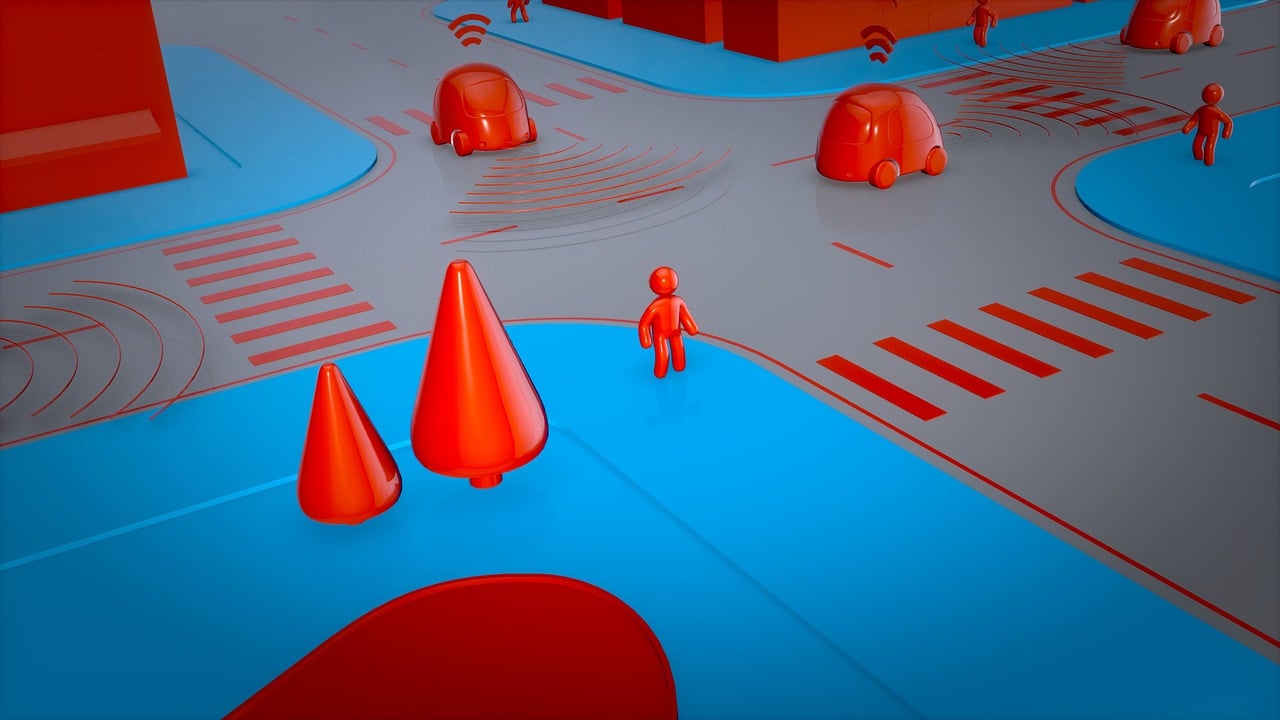
Connected cars are vehicles that use advanced technologies such as sensors, GPS, and cellular connectivity to collect and transmit data. This data can include information about the vehicle’s performance, driver behavior, and environmental conditions. The data is then transmitted to the cloud, where it can be analyzed and used for various purposes, including insurance and risk assessment.
Connected cars use a combination of technologies, including:
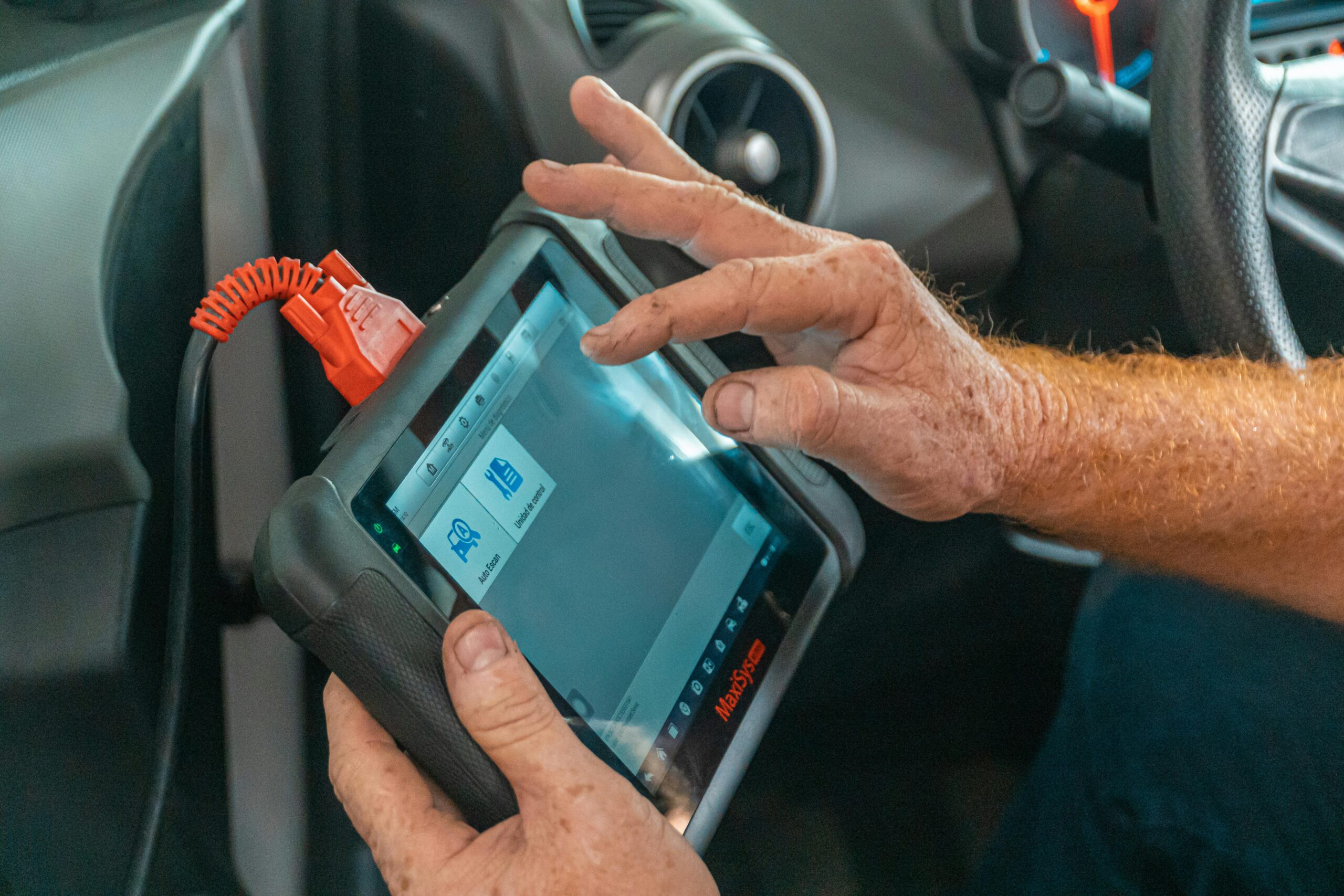
- Onboard Diagnostics (OBD-II) ports, which provide real-time data on the vehicle’s performance and health
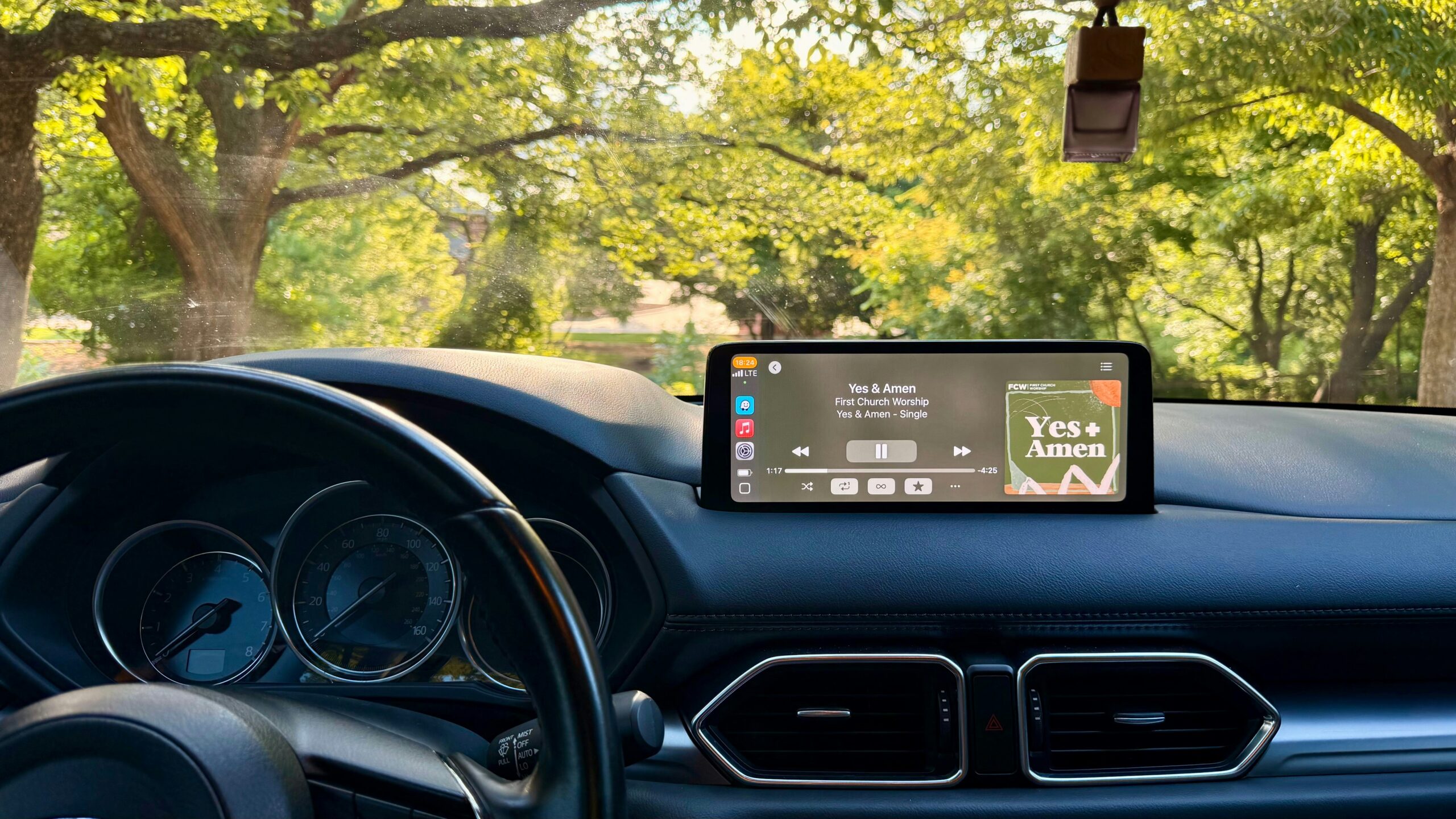
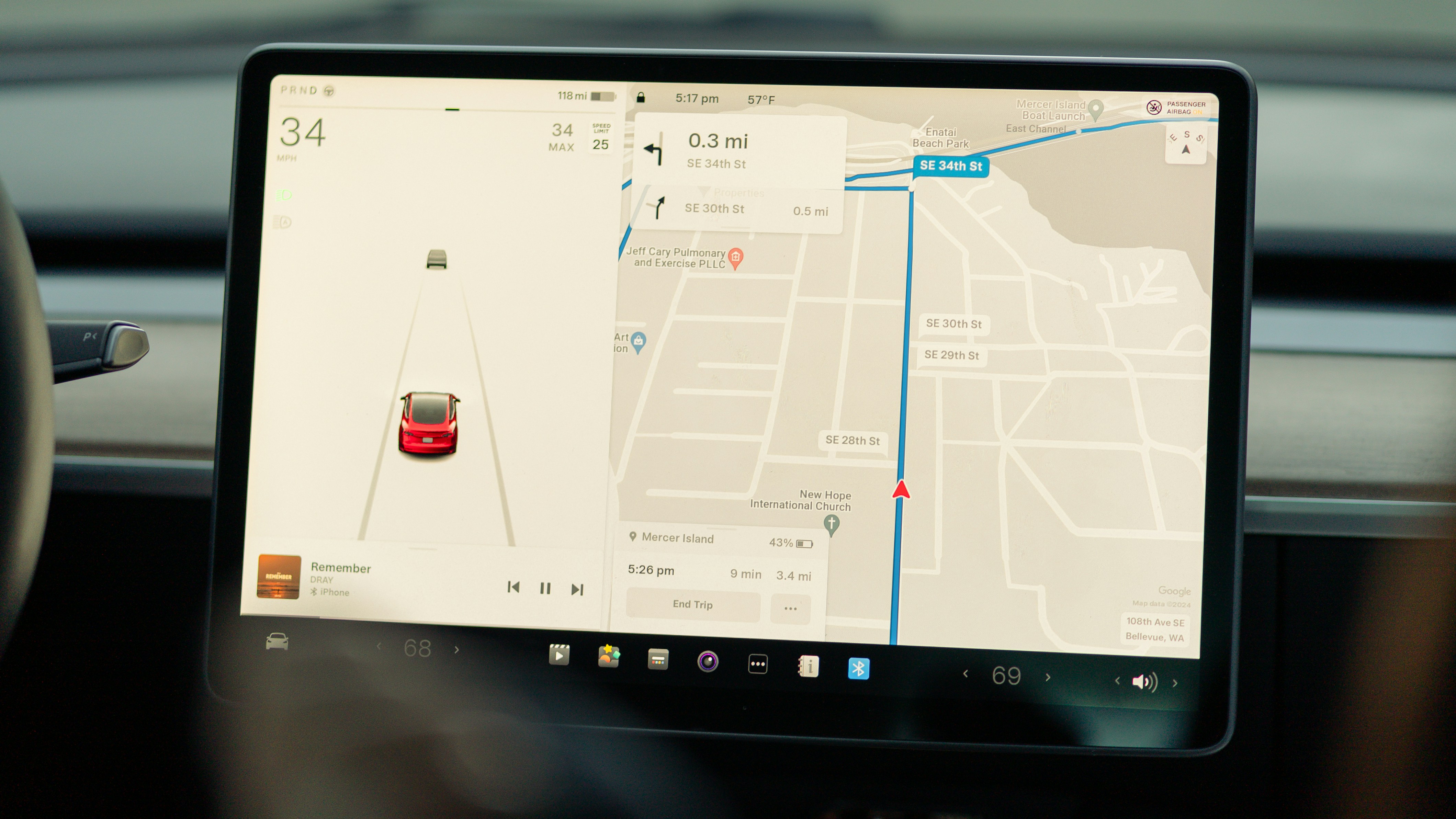
- GPS and cellular connectivity, which enable location tracking and data transmission
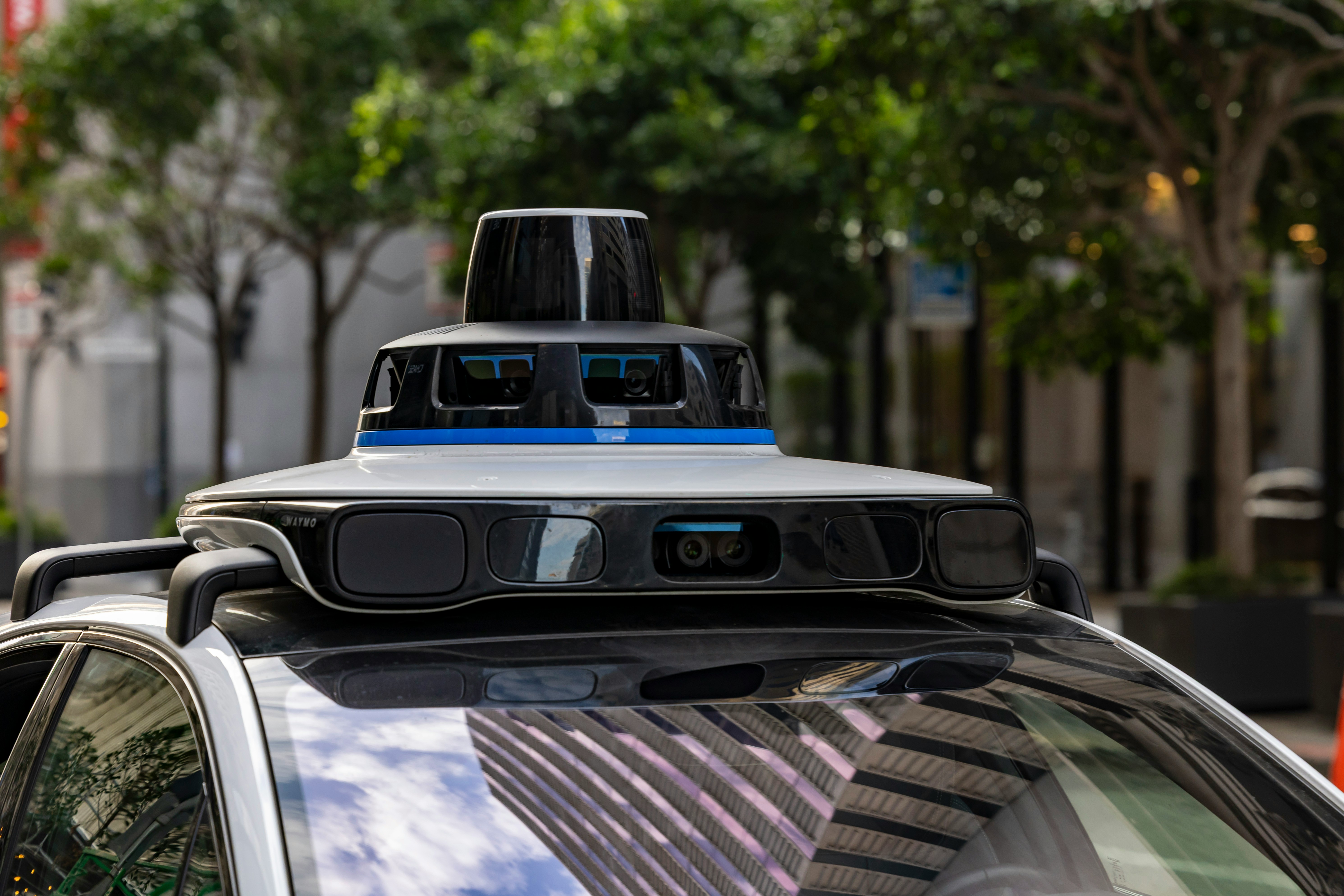
- Sensors, which monitor driver behavior, such as acceleration, braking, and steering patterns
How does car connectivity affect insurance?
Insurance companies are increasingly using data from connected cars to assess risk and determine premiums. The idea is that by analyzing driver behavior and vehicle performance, insurers can identify high-risk drivers and offer them personalized premiums.
The potential benefits of using connected car data for insurance purposes include:
- More accurate risk assessment: By analyzing real-time data, insurers can get a more accurate picture of a driver’s risk profile.
- Personalized premiums: Insurers can offer personalized premiums based on a driver’s behavior, rather than relying on general demographic data.
- Improved safety: Connected cars can provide real-time feedback to drivers, helping them to improve their driving habits and reduce the risk of accidents.
However, there are also potential drawbacks to consider:
- Privacy concerns: The collection and transmission of personal data raises concerns about privacy and data security.
- Bias in data analysis: Insurers may use biased algorithms to analyze data, leading to unfair premium rates for certain groups of drivers.
Several insurance companies are already using connected car data to offer personalized premiums. For example, Progressive’s Snapshot program uses OBD-II data to track driver behavior and offer discounts to safe drivers. Similarly, State Farm’s Drive Safe & Save program uses cellular connectivity to track driver behavior and offer personalized premiums.
Risk scoring and connected cars
Risk scoring is a critical component of the insurance industry. It involves assigning a numerical score to a driver based on their risk profile, which is then used to determine premiums. Connected car data can significantly influence risk scoring by providing insurers with more accurate and detailed information about a driver’s behavior.
The potential impact on insurance premiums is significant. Drivers who exhibit safe behavior, such as gentle acceleration and braking, may be eligible for lower premiums. On the other hand, drivers who engage in risky behavior, such as speeding or reckless driving, may face higher premiums.
Privacy concerns and data security
As connected cars collect and transmit personal data, there are concerns about data privacy and security. Car manufacturers and insurance companies have implemented various measures to protect data, including:
- Encryption: Data is encrypted to prevent unauthorized access.
- Anonymization: Data is anonymized to protect driver identities.
- Secure data storage: Data is stored in secure servers to prevent hacking.
However, despite these measures, there are still concerns about data privacy and security. Drivers should be aware of how their data is being used and take steps to protect their privacy.
What does the future hold for connected cars and insurance?
The integration of connected car technology and insurance is likely to continue in the future. As more vehicles become connected, insurers will have access to a vast amount of data, enabling them to offer more personalized and accurate premiums.
Regulations will play a critical role in shaping the industry’s future. Governments will need to balance the need to protect driver privacy with the benefits of using connected car data for insurance purposes.
Conclusion
Car connectivity is revolutionizing the insurance industry by providing insurers with more accurate and detailed information about driver behavior. While there are potential benefits to using connected car data for insurance purposes, there are also concerns about data privacy and security.
As a consumer, it’s essential to understand how car connectivity affects insurance and risk scoring. Here are some practical tips:
- Research insurance companies that use connected car data and understand how they use it.
- Review your insurance policy to ensure you understand how your data is being used.
- Take steps to protect your privacy, such as reviewing your data settings and opting out of data collection if possible.
By understanding the implications of car connectivity on insurance and risk scoring, you can make informed decisions about your insurance options and protect your privacy in the process.

























Leave a Reply
You must be logged in to post a comment.