


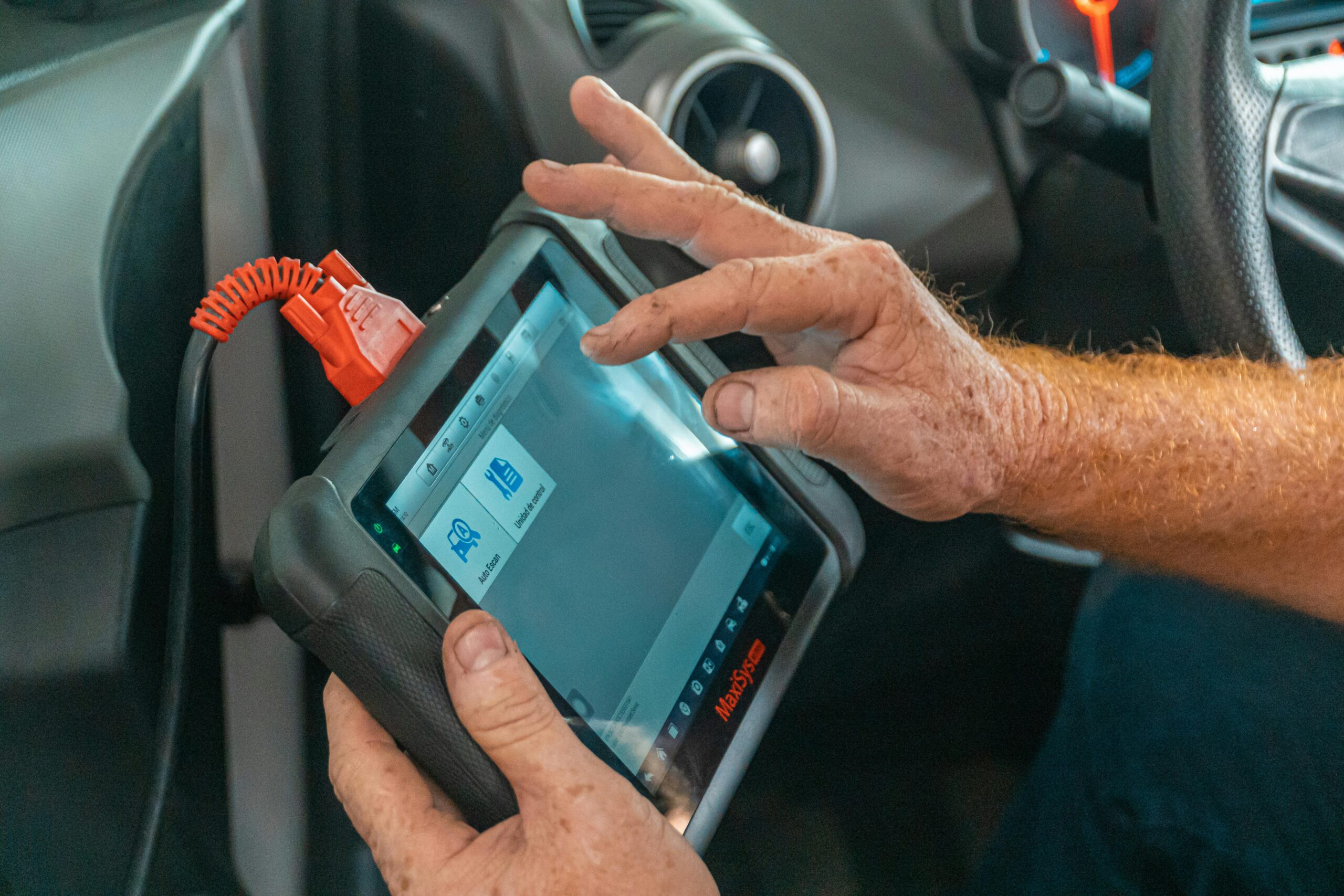



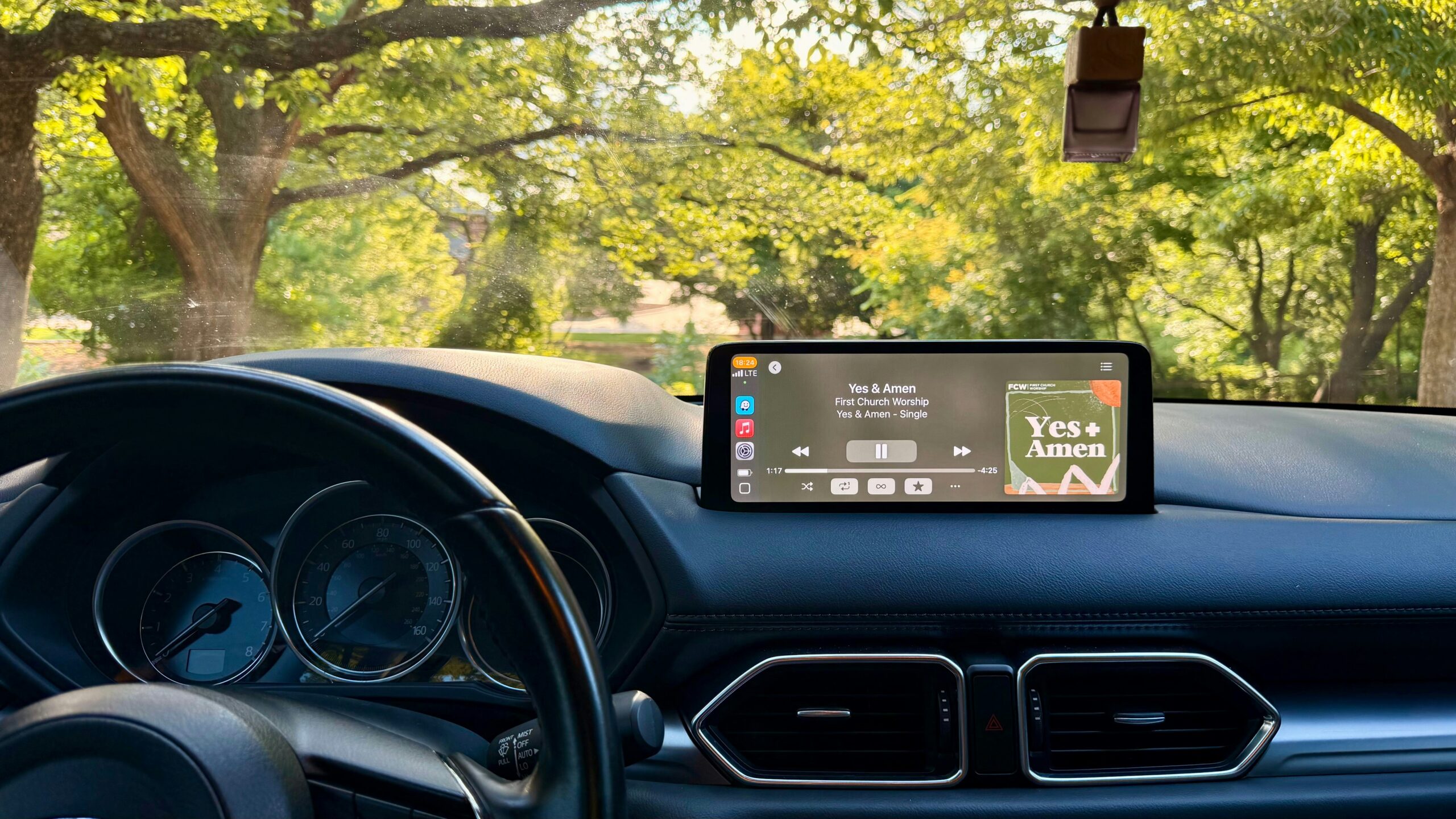
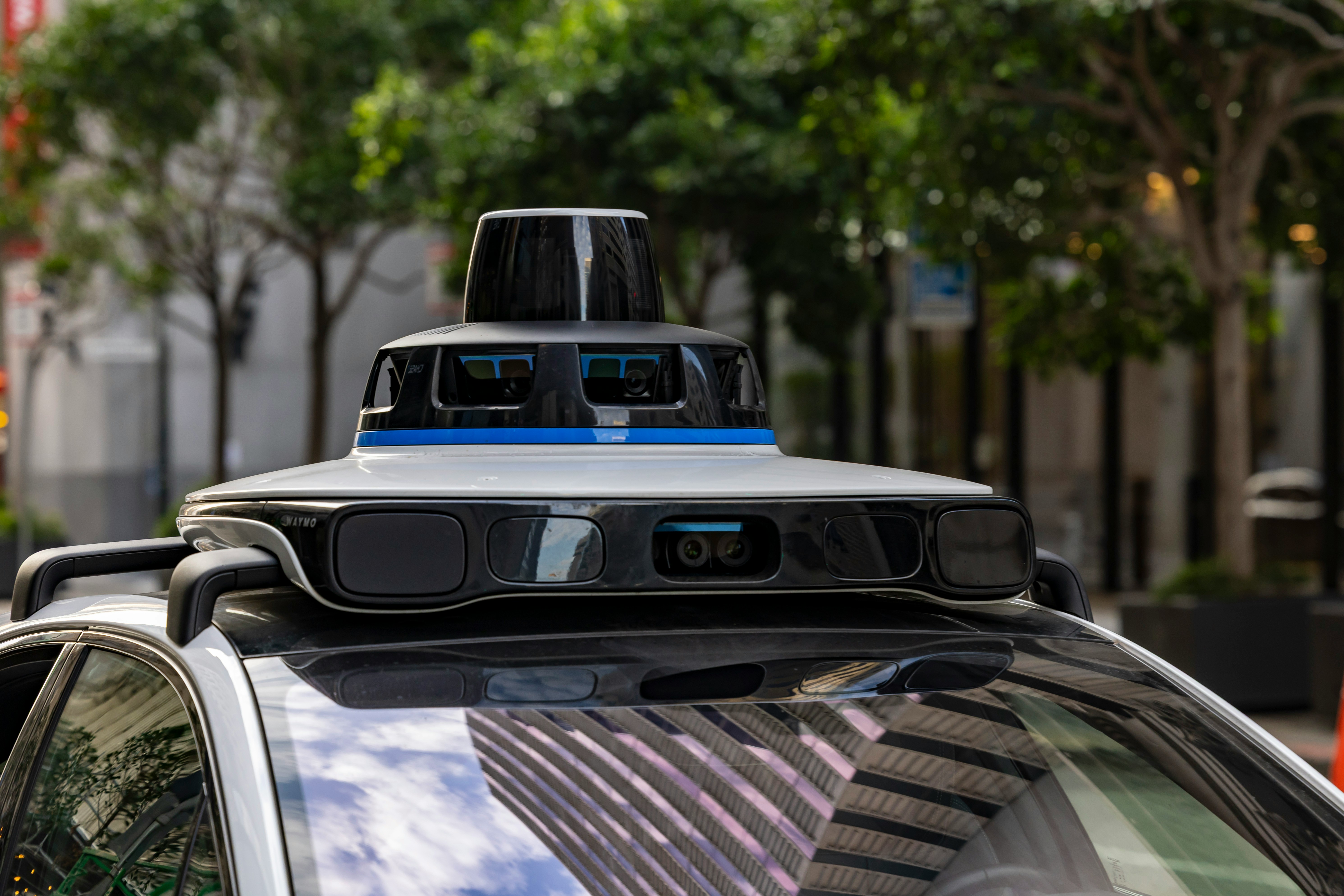
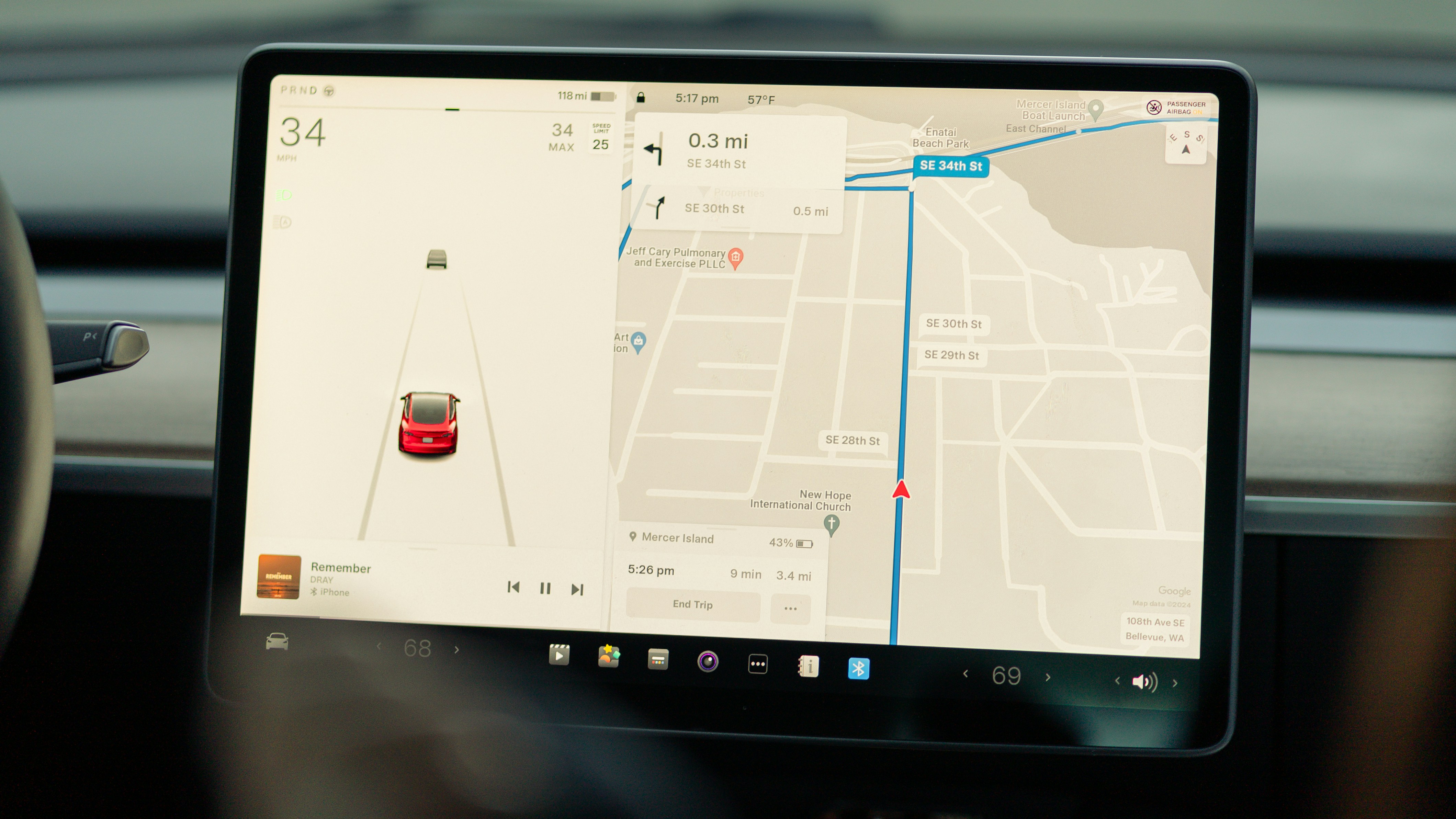

















Imagine stepping into your car, and instead of just starting the engine, you’re greeted with a personalized dashboard, tailored to your preferences and needs. The navigation system knows your daily commute, and the infotainment system is already playing your favorite podcast. This is the promise of software-defined vehicle (SDV) platforms, and automakers are rapidly adopting this technology to transform the driving experience.
But what exactly is an SDV platform, and how are automakers incorporating it into their vehicles?
What is a Software-Defined Vehicle Platform?
A software-defined vehicle platform is an architecture that allows a vehicle’s functionality to be defined and updated through software, rather than traditional mechanical means. This means that instead of relying on physical components, SDV platforms use code to control and customize various aspects of the vehicle, such as the infotainment system, driver assistance features, and even the engine performance.
Think of it like a smartphone, where you can download new apps and update your operating system to access new features and improvements. SDV platforms bring this same level of flexibility and customizability to vehicles.
How Automakers Are Adopting SDV Platforms
So, how are automakers adopting SDV platforms? Here are the key steps they’re taking:
- Developing In-House Software Expertise: Automakers are recognizing the need to develop in-house software expertise to design, develop, and integrate SDV platforms. This requires significant investments in talent acquisition, training, and infrastructure.
- Partnering with Tech Companies: Automakers are partnering with tech companies, such as Google, Amazon, and Microsoft, to leverage their software development capabilities and expertise. These partnerships enable automakers to tap into the latest technologies and accelerate their SDV development.
- Creating Open Architectures: Automakers are designing open architectures that allow third-party developers to create apps and services for their vehicles. This creates an ecosystem of innovation, where developers can create new features and functionality, and drivers can customize their vehicles to their preferences.
- Investing in Cloud Infrastructure: SDV platforms rely on cloud infrastructure to process and store vast amounts of data. Automakers are investing heavily in cloud infrastructure to support their SDV platforms, enabling real-time data analysis, remote software updates, and seamless connectivity.
- Redefining Vehicle Development: SDV platforms are forcing automakers to rethink their traditional vehicle development processes. They’re adopting agile development methodologies, similar to those used in the tech industry, to rapidly develop and iterate on new features and functionality.
Benefits of SDV Platforms
So, what benefits do SDV platforms offer? Here are a few:
- Personalization: SDV platforms enable drivers to customize their vehicles to their preferences, from the layout of the dashboard to the behavior of advanced driver assistance systems.
- Improved Safety: SDV platforms can rapidly deploy software updates to address safety issues, reducing the risk of accidents and improving overall vehicle safety.
- Increased Efficiency: SDV platforms can optimize engine performance, reduce emissions, and improve fuel efficiency, making vehicles more environmentally friendly.
- New Revenue Streams: SDV platforms create new opportunities for automakers to generate revenue, such as subscription-based services, data analytics, and advertising.
What Does This Mean for the Future of Driving?
The adoption of SDV platforms marks a significant shift in the automotive industry. Here are a few ways it will impact the future of driving:
- More Connected Vehicles: SDV platforms will enable vehicles to seamlessly connect with the cloud, other vehicles, and infrastructure, creating a more connected and intelligent transportation ecosystem.
- Autonomous Vehicles: SDV platforms will play a critical role in the development of autonomous vehicles, enabling them to process and analyze vast amounts of data in real-time.
- New Business Models: SDV platforms will enable new business models, such as vehicle-as-a-service, where drivers can subscribe to vehicles and services, rather than owning them outright.
Conclusion
The software-defined vehicle platform is revolutionizing the automotive industry, and automakers are rapidly adopting this technology to transform the driving experience. By understanding how automakers are adopting SDV platforms, we can better appreciate the benefits and implications of this technology for the future of driving. As SDV platforms continue to evolve, we can expect to see even more innovative features, improved safety, and new revenue streams emerge. The future of driving has never been more exciting!




























Leave a Reply
You must be logged in to post a comment.