























As the world shifts towards a more sustainable and eco-friendly future, electric vehicles (EVs) are becoming increasingly popular. However, one of the major concerns for consumers is the limited range and charging time of these vehicles. This is where solid-state batteries come into play. In this article, we’ll explore the future of solid-state batteries in consumer EVs and what it means for you, the consumer.
What are Solid-State Batteries?
Before we dive into the benefits, let’s first understand what solid-state batteries are. Traditional lithium-ion batteries used in EVs have a liquid electrolyte that facilitates the flow of electrical charge between the positive and negative electrodes. Solid-state batteries, on the other hand, replace this liquid electrolyte with a solid material, such as ceramic or glass.
This simple change has a significant impact on the performance and safety of the battery. Solid-state batteries are more energy-dense, which means they can store more energy per unit of weight and volume. They are also less prone to overheating and fires, making them a safer option for consumers.
Benefits of Solid-State Batteries in Consumer EVs
So, what does this mean for consumers? Here are some of the key benefits of solid-state batteries in consumer EVs:
Increased Range
One of the biggest advantages of solid-state batteries is their ability to increase the range of EVs. With a more energy-dense battery, EVs can travel longer distances on a single charge. This is especially important for consumers who need to travel long distances regularly. Imagine being able to drive from New York to Los Angeles without having to stop and charge your car multiple times.
Faster Charging
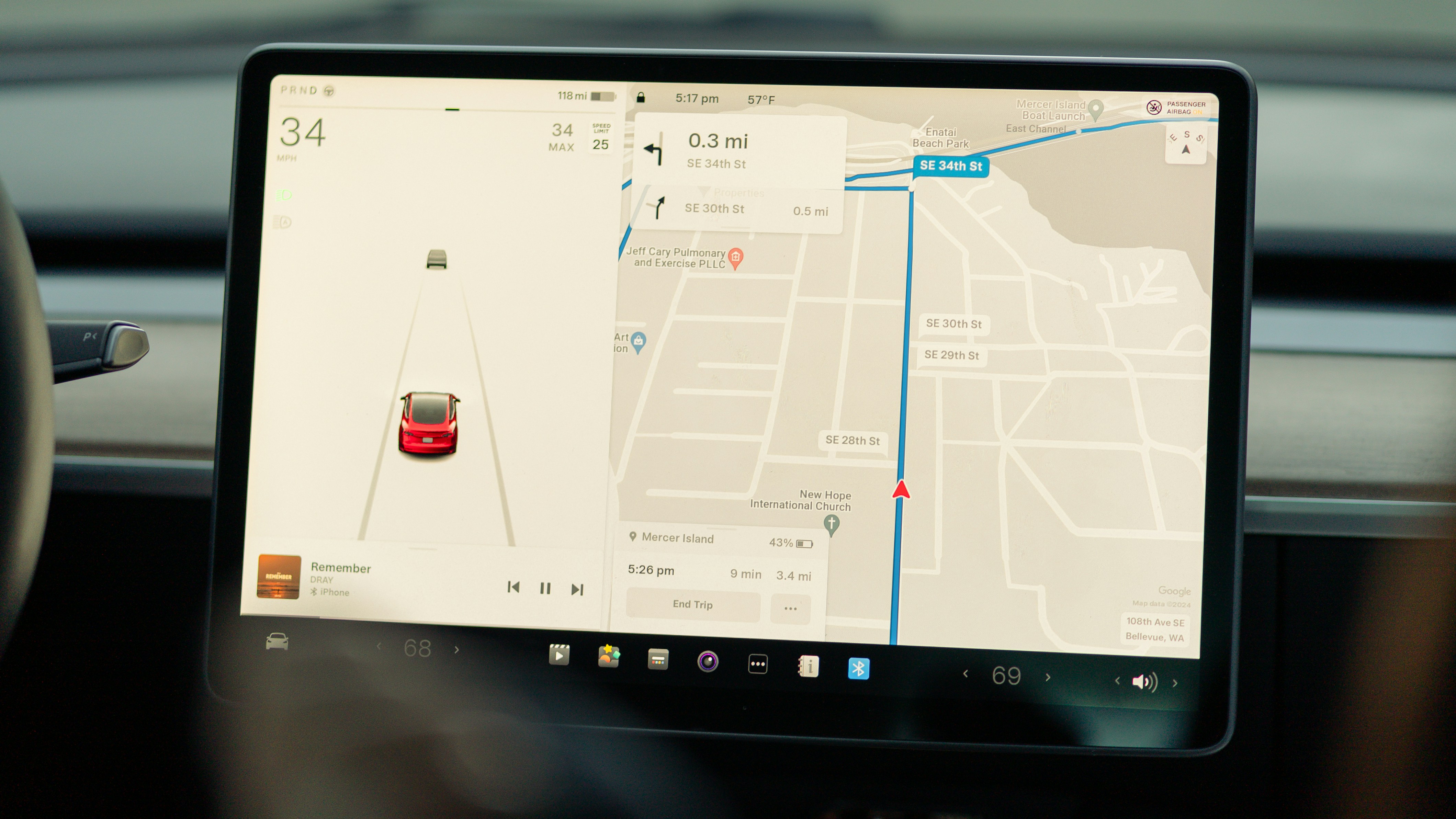
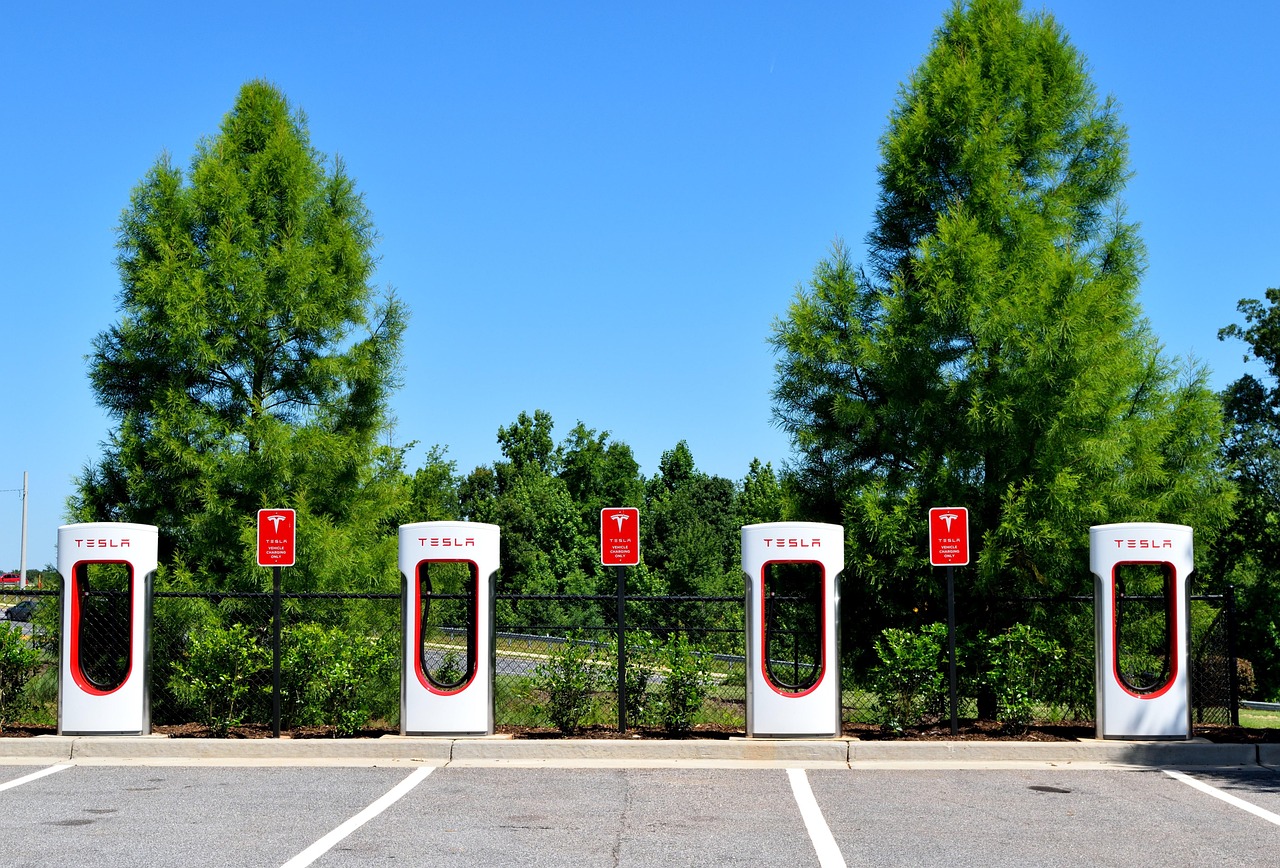
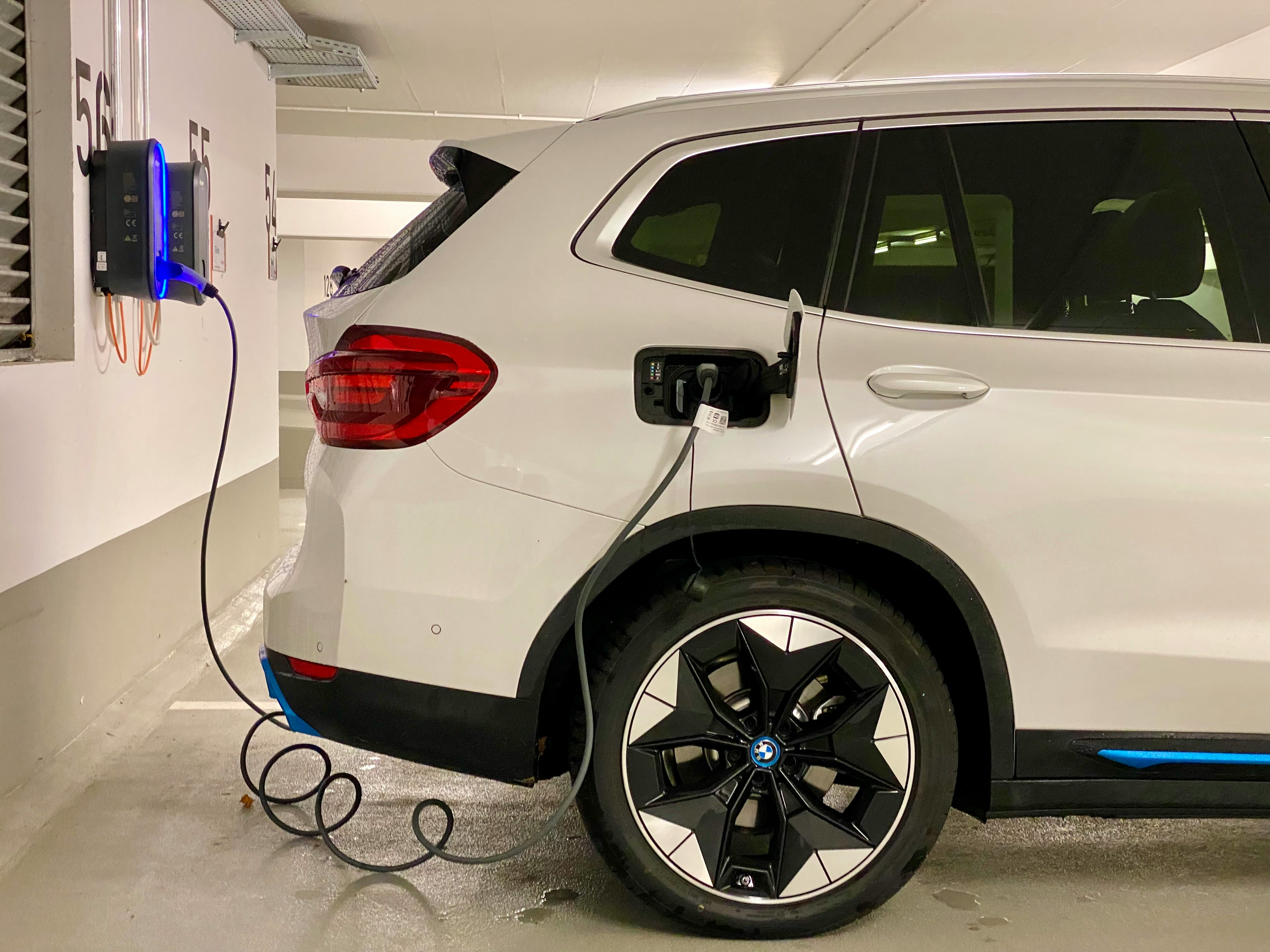
Solid-state batteries can also charge faster than traditional lithium-ion batteries. This means that you can get back on the road sooner, rather than waiting for hours for your car to charge. Imagine being able to charge your car to 80% in just 15 minutes, compared to the 30-60 minutes it takes with current technology.
Improved Safety
As mentioned earlier, solid-state batteries are less prone to overheating and fires. This makes them a safer option for consumers, especially for those who have families or pets. You can have peace of mind knowing that your car is less likely to catch fire or overheat while driving or charging.
Lower Costs
Solid-state batteries are also expected to be cheaper to produce than traditional lithium-ion batteries. This means that the cost of EVs will decrease, making them more accessible to a wider range of consumers. Imagine being able to buy an EV for the same price as a gas-powered car, or even lower.
Sustainability
Finally, solid-state batteries are more sustainable than traditional lithium-ion batteries. They use fewer materials and generate less waste, making them a more environmentally friendly option. As consumers become more environmentally conscious, this is an important consideration when buying a car.
Challenges and Limitations
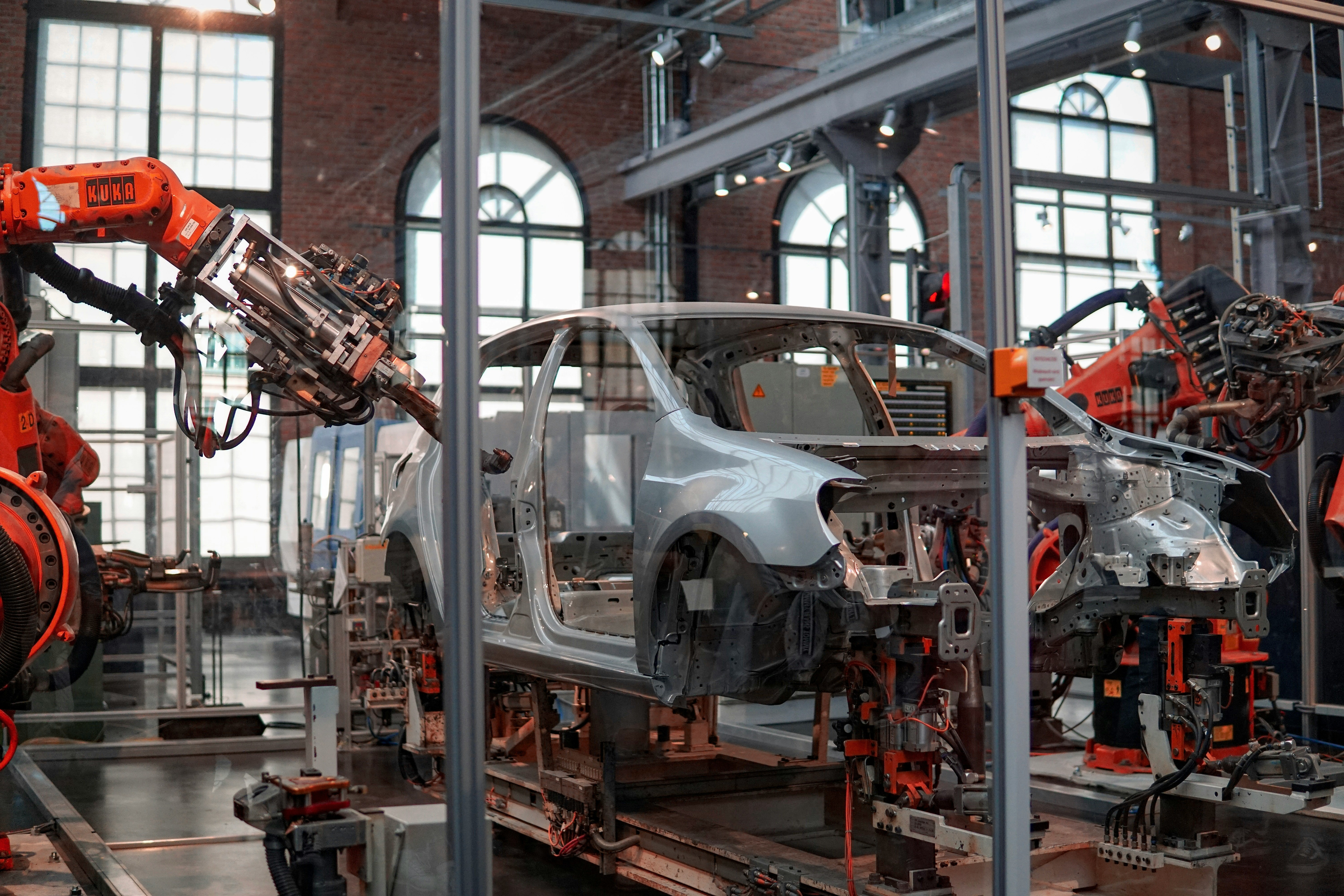
While solid-state batteries offer many benefits, there are still some challenges and limitations to overcome. One of the main challenges is scaling up production to meet the demand for EVs. Currently, solid-state batteries are more expensive to produce than traditional lithium-ion batteries, which makes them less accessible to consumers.
Another limitation is the energy density of solid-state batteries. While they are more energy-dense than traditional lithium-ion batteries, they still have a lower energy density than some other battery technologies. This means that they may not be suitable for all types of EVs, such as long-haul trucks or buses.
What to Expect in the Future
Despite these challenges and limitations, solid-state batteries are expected to play a major role in the future of consumer EVs. Several major car manufacturers, including Toyota, Volkswagen, and Ford, are already investing heavily in solid-state battery technology.
In the next few years, we can expect to see more EVs with solid-state batteries on the market. These cars will have longer ranges, faster charging times, and improved safety features. They will also be more sustainable and environmentally friendly, making them a more attractive option for consumers.
Conclusion
Solid-state batteries are the future of consumer EVs. They offer many benefits, including increased range, faster charging, improved safety, lower costs, and sustainability. While there are still some challenges and limitations to overcome, major car manufacturers are already investing in this technology.
As consumers, we can expect to see more EVs with solid-state batteries on the market in the next few years. These cars will be more efficient, sustainable, and accessible, making them a more attractive option for those looking to switch to an EV. Whether you’re looking to reduce your carbon footprint, save money on fuel costs, or simply want a safer and more convenient driving experience, solid-state batteries are definitely worth considering.

























Leave a Reply
You must be logged in to post a comment.