









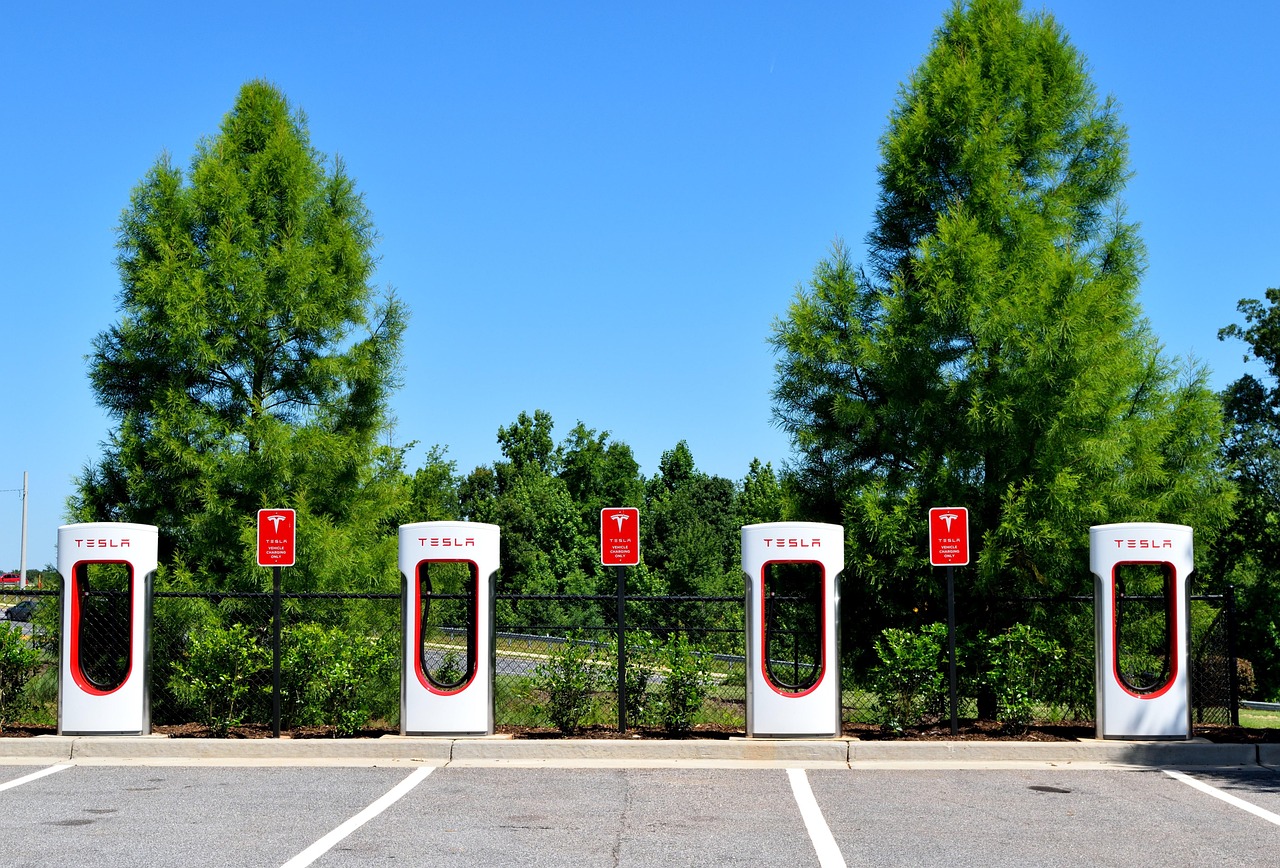


















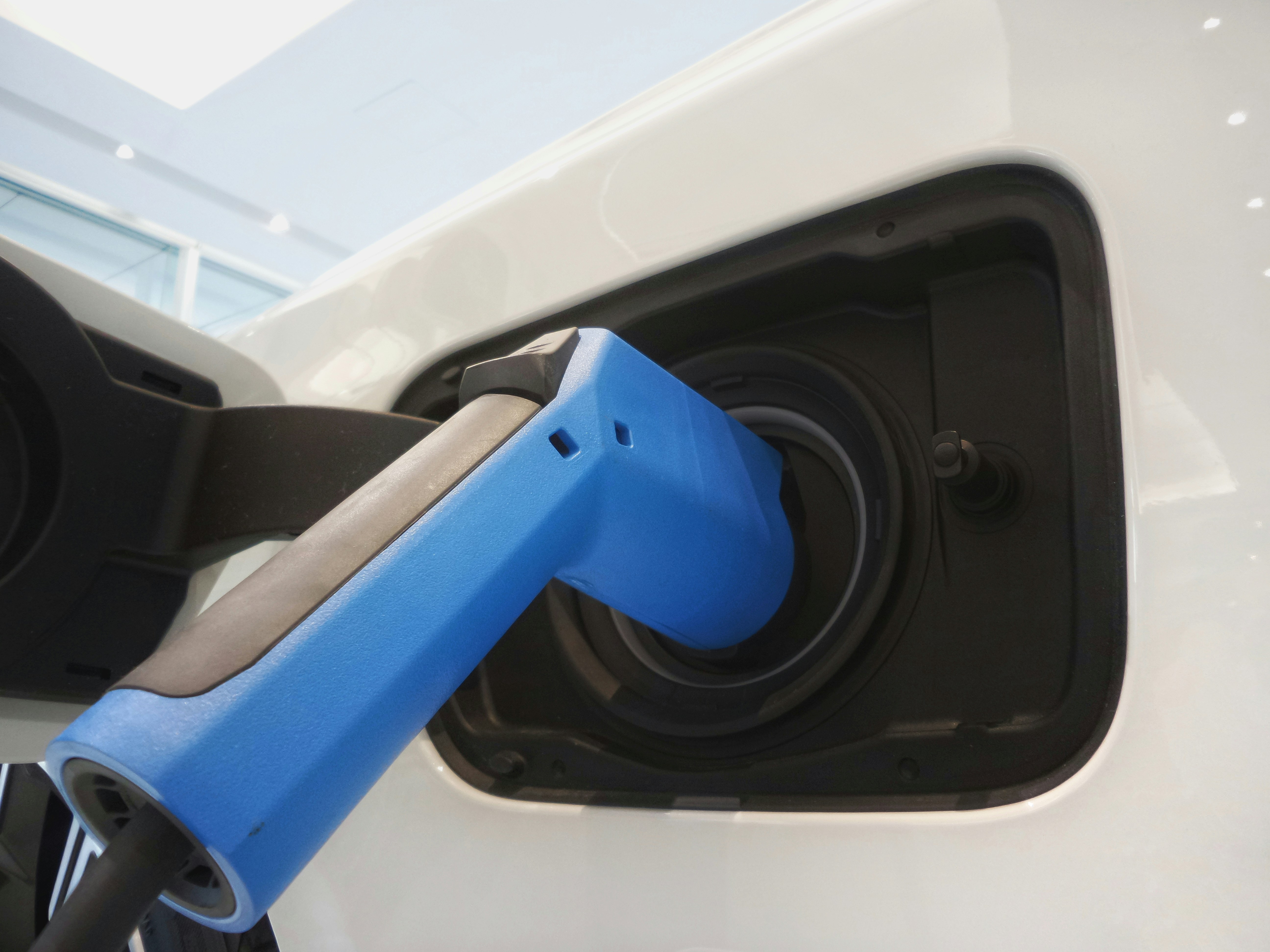
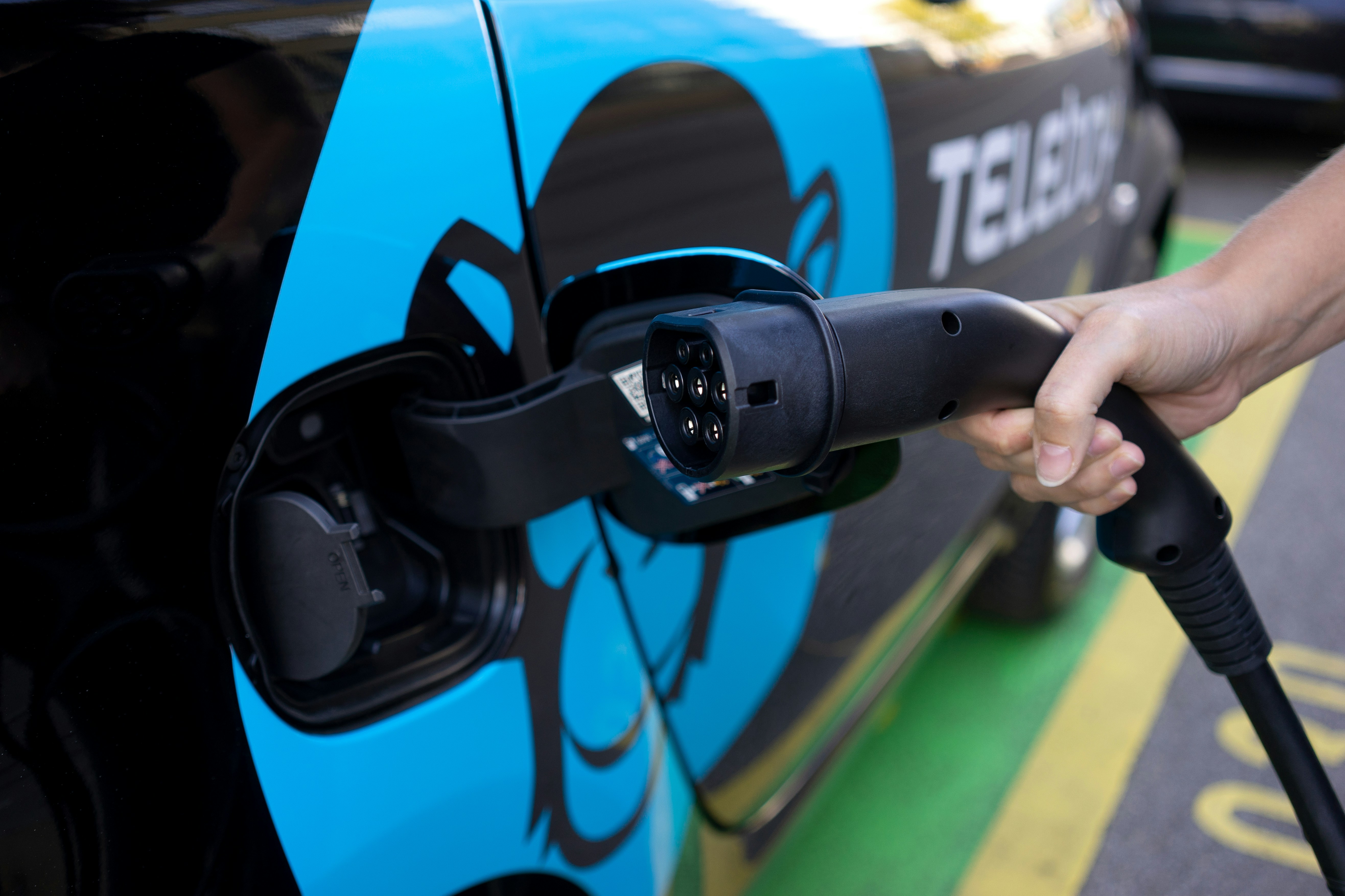
As the world shifts towards a more sustainable future, electric vehicles (EVs) are becoming increasingly popular. With governments offering incentives and manufacturers investing heavily in EV technology, it’s no wonder that more and more people are making the switch. However, one crucial aspect of EV adoption is often overlooked: charging infrastructure. In this article, we’ll delve into the economics of EV charging infrastructure, exploring the costs, benefits, and what it means for you as a consumer.
The Current State of EV Charging Infrastructure
The United States currently has over 20,000 public EV charging stations, with over 68,000 outlets. While this may seem like a lot, it’s essential to note that most of these stations are Level 2 (240-volt) chargers, which can take several hours to fully charge a vehicle. Fast-charging stations, which can replenish an EV’s battery to 80% in under 30 minutes, are much rarer, with only around 3,000 stations nationwide.
The Cost of Building EV Charging Infrastructure
Building out a comprehensive EV charging network requires significant investment. The cost of installing a single Level 2 charger can range from $3,000 to $10,000, depending on the location and complexity of the installation. Fast-charging stations are even more expensive, with prices ranging from $50,000 to $100,000 or more per station.
To put these numbers into perspective, a study by the National Renewable Energy Laboratory estimated that building out a comprehensive EV charging network in the US would require an investment of around $87 billion by 2030. While this may seem like a staggering figure, it’s essential to consider the long-term benefits of such an investment.
The Benefits of EV Charging Infrastructure
So, why is investing in EV charging infrastructure worth the cost? Here are a few key benefits:
- Increased Adoption: Widespread availability of EV charging infrastructure is critical to encouraging more people to switch to electric vehicles. With more charging points, range anxiety – the fear of running out of battery power before reaching a charging station – decreases, making EVs a more appealing option for consumers.
- Job Creation: Building and maintaining EV charging infrastructure creates jobs, from installation and maintenance to manufacturing and supply chain management.
- Economic Growth: As EV adoption increases, so does the demand for EV-related goods and services, such as charging station equipment, vehicle components, and electricity sales.
- Environmental Benefits: EVs produce significantly fewer emissions than traditional gas-powered vehicles, contributing to a cleaner, healthier environment.
Who Pays for EV Charging Infrastructure?
So, who foots the bill for building out EV charging infrastructure? The answer is a combination of government agencies, private companies, and consumers.
- Government Incentives: Federal, state, and local governments offer various incentives, such as tax credits, grants, and rebates, to encourage the development of EV charging infrastructure.
- Private Investment: Companies like Tesla, ChargePoint, and EVgo invest heavily in building out their own charging networks, often in partnership with government agencies and private landowners.
- Consumers: EV owners and users may pay a small fee for charging, which can range from $0.25 to $1.00 per kilowatt-hour (kWh), depending on the charging station and network.
What Does This Mean for You?
As a consumer, you may be wondering how the economics of EV charging infrastructure affect you. Here are a few key takeaways:
- Lower Operating Costs: EVs are generally cheaper to operate than gas-powered vehicles, with lower fuel costs (electricity is often less expensive than gasoline) and reduced maintenance needs.
- Increased Accessibility: As EV charging infrastructure expands, you’ll have more opportunities to charge your vehicle on the go, making EV ownership a more practical option.
- Potential for Savings: If you’re considering purchasing an EV, look for government incentives, such as tax credits or rebates, which can help offset the higher upfront cost of an EV.
Conclusion
The economics of EV charging infrastructure are complex, but the benefits are clear. As the US continues to invest in building out a comprehensive charging network, we can expect to see increased EV adoption, job creation, and economic growth. As a consumer, understanding the costs and benefits of EV charging infrastructure can help you make informed decisions about your transportation options and take advantage of the savings and opportunities that come with EV ownership.




























Leave a Reply
You must be logged in to post a comment.