






















As we navigate the roads, it’s easy to get complacent behind the wheel. However, staying vigilant is crucial, especially when it comes to blind spots. These areas around our vehicles can be hazardous, and even the most attentive drivers can miss them. That’s where blind-spot systems come in – advanced safety features designed to alert us to potential dangers. But how accurate are these systems, and do they vary across different vehicle segments?
In this article, we’ll delve into the world of blind-spot systems, exploring their accuracy, types, and performance across various vehicle segments. Whether you’re in the market for a new car or simply want to stay safe on the road, this guide will provide you with the knowledge you need to make informed decisions.
What are Blind-Spot Systems?
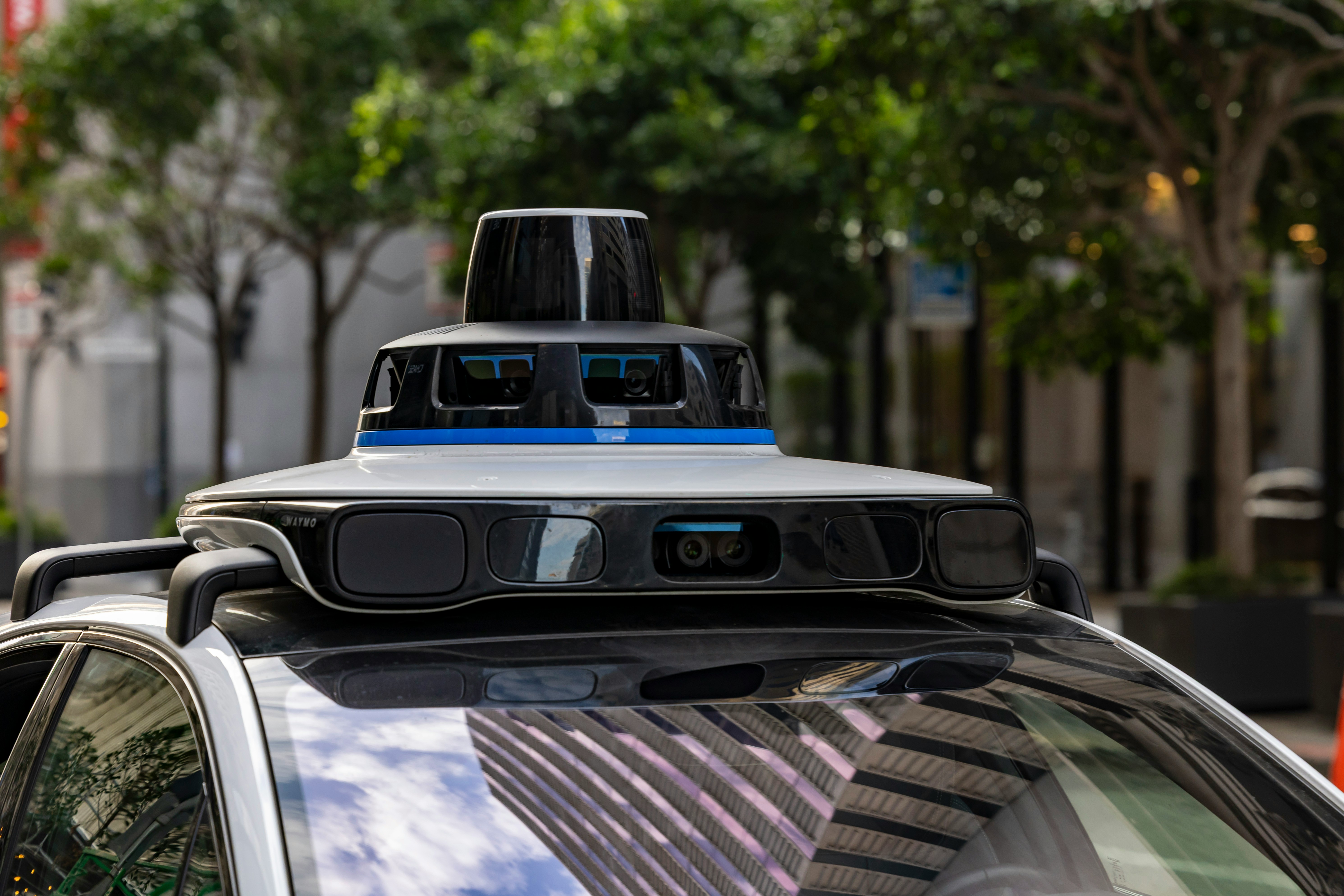
A blind-spot system, also known as a blind-spot monitoring (BSM) system, is an advanced driver-assistance system (ADAS) designed to detect vehicles in the blind spots around your car. These systems typically use a combination of cameras, radar sensors, and ultrasonic sensors to monitor the areas beside and behind your vehicle.
There are two primary types of blind-spot systems:
- Passive systems: These systems use cameras and sensors to detect vehicles in the blind spot and alert the driver through a visual, audible, or tactile warning.
- Active systems: These systems not only alert the driver but also take control of the vehicle to prevent a collision or mitigate its impact.
Accuracy of Blind-Spot Systems
The accuracy of blind-spot systems can vary depending on several factors, including:
- Sensor quality and placement
- Software calibration
- Environmental conditions (weather, road surface, etc.)
- Vehicle design and size
Studies have shown that blind-spot systems can reduce lane-change crashes by up to 14% and injuries by up to 23%. However, they are not foolproof and can be affected by various limitations.
Limitations of Blind-Spot Systems
While blind-spot systems are invaluable, they do have some limitations:
- Sensor blind spots: Sensors can be blocked or obscured by dirt, snow, or other debris, reducing system accuracy.
- False alerts: Systems can trigger false alerts due to road debris, weather conditions, or other factors.
- Sensor range: Systems may not detect vehicles outside a certain range or speed.
Blind-Spot System Performance Across Vehicle Segments
To better understand how blind-spot systems perform across different vehicle segments, let’s examine some data from various studies and tests:
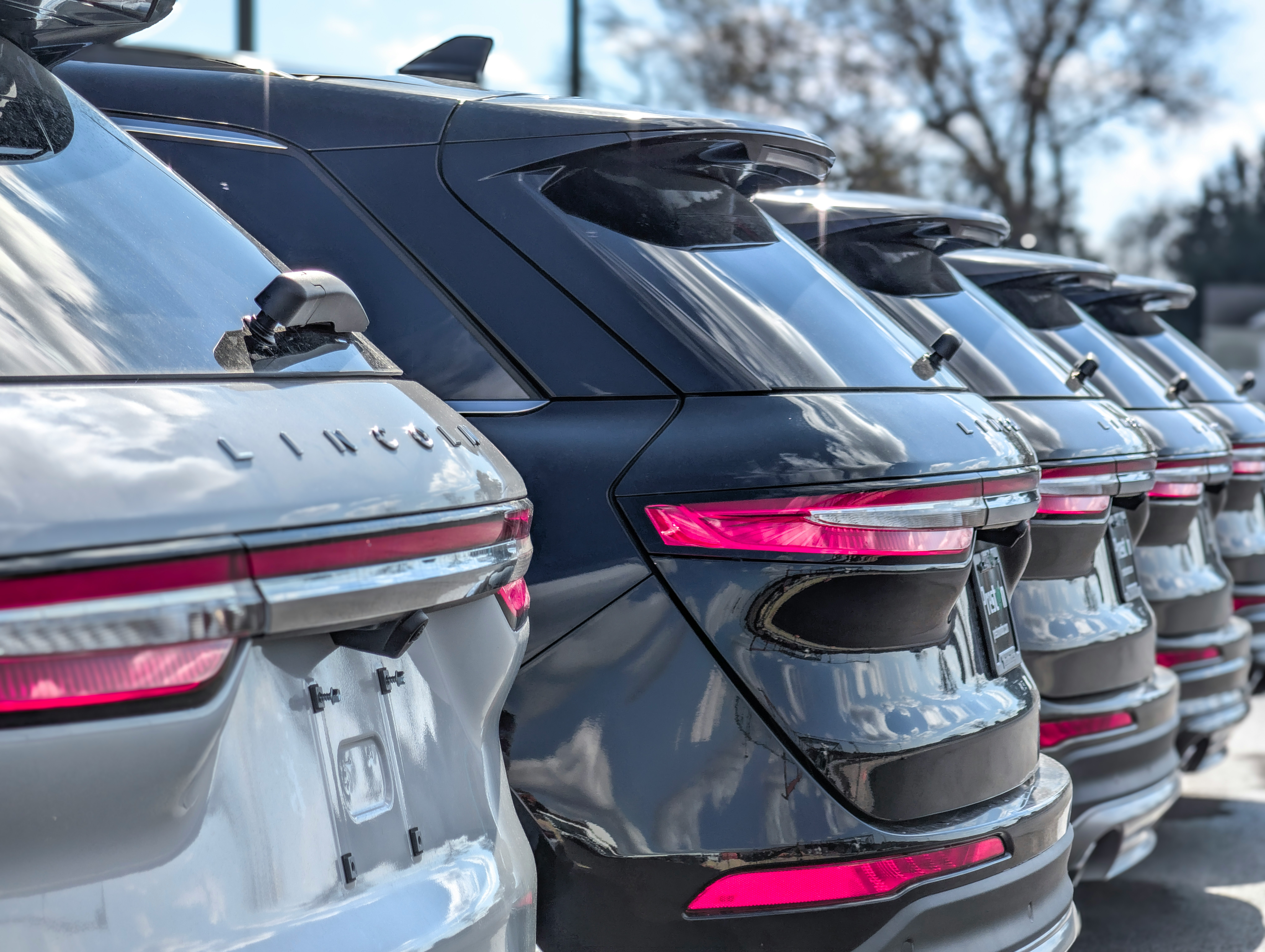
- Luxury vehicles: Luxury vehicles, such as those from Audi, BMW, and Mercedes-Benz, tend to have more advanced blind-spot systems with higher accuracy rates (around 90-95%). These systems often feature multiple cameras and sensors, providing a wider range of detection.
- Mid-range vehicles: Mid-range vehicles, like those from Honda, Toyota, and Ford, typically have less advanced blind-spot systems with accuracy rates around 80-85%. These systems may rely on a single camera or sensor, reducing their detection range.
- Budget vehicles: Budget vehicles, such as those from Kia, Hyundai, and Chevrolet, often have basic blind-spot systems with accuracy rates around 70-75%. These systems may be limited to a single sensor or camera, making them more prone to false alerts.
- Trucks and SUVs: Trucks and SUVs, due to their larger size, can have larger blind spots. Blind-spot systems in these vehicles may have lower accuracy rates (around 60-70%) due to the increased distance between the sensors and the blind spot.
Real-World Examples
To illustrate the differences in blind-spot system accuracy, let’s consider a few real-world examples:
- Audi A4: The Audi A4’s blind-spot system has been praised for its high accuracy rate (around 95%). This is due to its advanced camera and sensor setup, which provides a wide range of detection.
- Honda Civic: The Honda Civic’s blind-spot system has an accuracy rate around 80%. While it’s still effective, it may not be as reliable as more advanced systems.
- Ford F-150: The Ford F-150’s blind-spot system has an accuracy rate around 65%. This is due to the truck’s larger size and the increased distance between the sensors and the blind spot.
Conclusion
Blind-spot systems are a crucial safety feature in modern vehicles, but their accuracy can vary depending on the vehicle segment and system design. While luxury vehicles tend to have more advanced systems with higher accuracy rates, mid-range and budget vehicles may have more basic systems with lower accuracy rates.
When shopping for a new vehicle, consider the following:
- Check the system’s specifications: Look for systems with multiple cameras and sensors, as these tend to be more accurate.
- Read reviews and ratings: Research the vehicle’s blind-spot system performance in real-world tests and reviews.
- Test drive the vehicle: Get behind the wheel and experience the blind-spot system firsthand.
By understanding the strengths and limitations of blind-spot systems, you can make informed decisions and stay safer on the road. Remember, even with advanced safety features, it’s still essential to remain vigilant and attentive while driving.
Remember, safety comes first!






















Leave a Reply
You must be logged in to post a comment.