























As the world shifts towards electric vehicles (EVs), the demand for advanced battery technology has skyrocketed. Automakers are racing to develop and secure reliable, high-performance batteries to power their EV lineups. To stay ahead of the curve, many are forming partnerships and joint ventures with battery manufacturers, startups, and technology companies. These collaborations are crucial for the automotive industry’s electrification, and in this article, we’ll explore the importance of automaker battery partnerships and joint ventures, highlighting key players, their collaborations, and the benefits they bring.
Why Battery Partnerships Matter
Battery technology is a critical component of electric vehicles, accounting for up to 40% of the vehicle’s cost. Developing high-performance, cost-effective batteries in-house is a significant challenge for automakers. By partnering with specialized battery manufacturers, they can tap into their expertise, reduce development costs, and accelerate the production of high-quality batteries. This strategy allows automakers to focus on their core business – designing and building vehicles – while leveraging the strengths of their battery partners.
Key Players and Their Collaborations
- Volkswagen and QuantumScape: Volkswagen has invested $100 million in QuantumScape, a California-based startup developing solid-state batteries. This partnership aims to accelerate the development of high-energy density batteries, which will enable longer driving ranges and faster charging times.
- General Motors and LG Chem: General Motors has partnered with LG Chem, a leading battery manufacturer, to develop and produce advanced battery cells. This collaboration will support GM’s goal of offering 20 EV models by 2025.
- Ford and SK Innovation: Ford has formed a joint venture with SK Innovation, a South Korean battery manufacturer, to develop and produce battery cells for its EV lineup. This partnership will help Ford achieve its target of 600,000 EV sales annually by 2025.
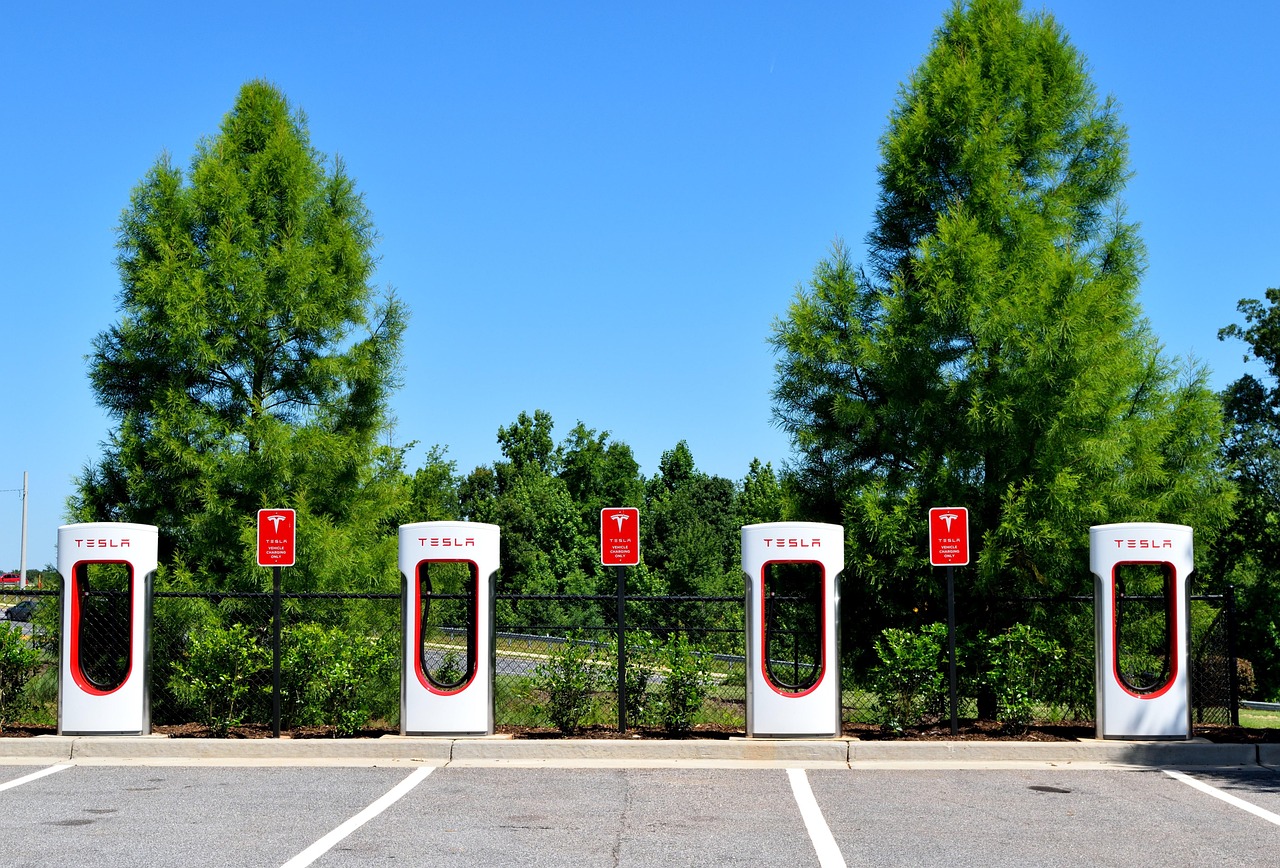
- Tesla and Panasonic: Tesla’s partnership with Panasonic has been instrumental in the development of its battery technology. The two companies have collaborated on the Gigafactory, a massive battery production facility in Nevada, which has significantly reduced Tesla’s battery costs.
Benefits of Battery Partnerships
- Accelerated Innovation: Partnerships facilitate the exchange of ideas, expertise, and resources, driving innovation and speeding up the development of advanced battery technologies.
- Cost Savings: By sharing development costs and leveraging the strengths of their partners, automakers can reduce their investment in battery technology and focus on other areas of their business.
- Improved Quality and Reliability: Collaborations with specialized battery manufacturers ensure that automakers can access high-quality, reliable batteries that meet their performance and safety standards.
- Scalability and Flexibility: Partnerships provide automakers with the flexibility to scale up or down according to demand, ensuring they can meet the needs of their customers and respond to changes in the market.
The Future of Electric Vehicles
As the electric vehicle market continues to grow, the importance of battery partnerships and joint ventures will only increase. These collaborations will play a crucial role in driving innovation, reducing costs, and ensuring the widespread adoption of EVs. With key players like Volkswagen, General Motors, Ford, and Tesla leading the charge, the future of electric vehicles looks bright.
In conclusion, automaker battery partnerships and joint ventures are essential for the development and production of high-performance, cost-effective batteries. By understanding the importance of these collaborations and the benefits they bring, investors, consumers, and industry stakeholders can better appreciate the efforts of automakers to electrify their lineups and create a more sustainable transportation ecosystem. As the EV market continues to evolve, one thing is clear – battery partnerships will be the key to unlocking its full potential.




























Leave a Reply
You must be logged in to post a comment.