

























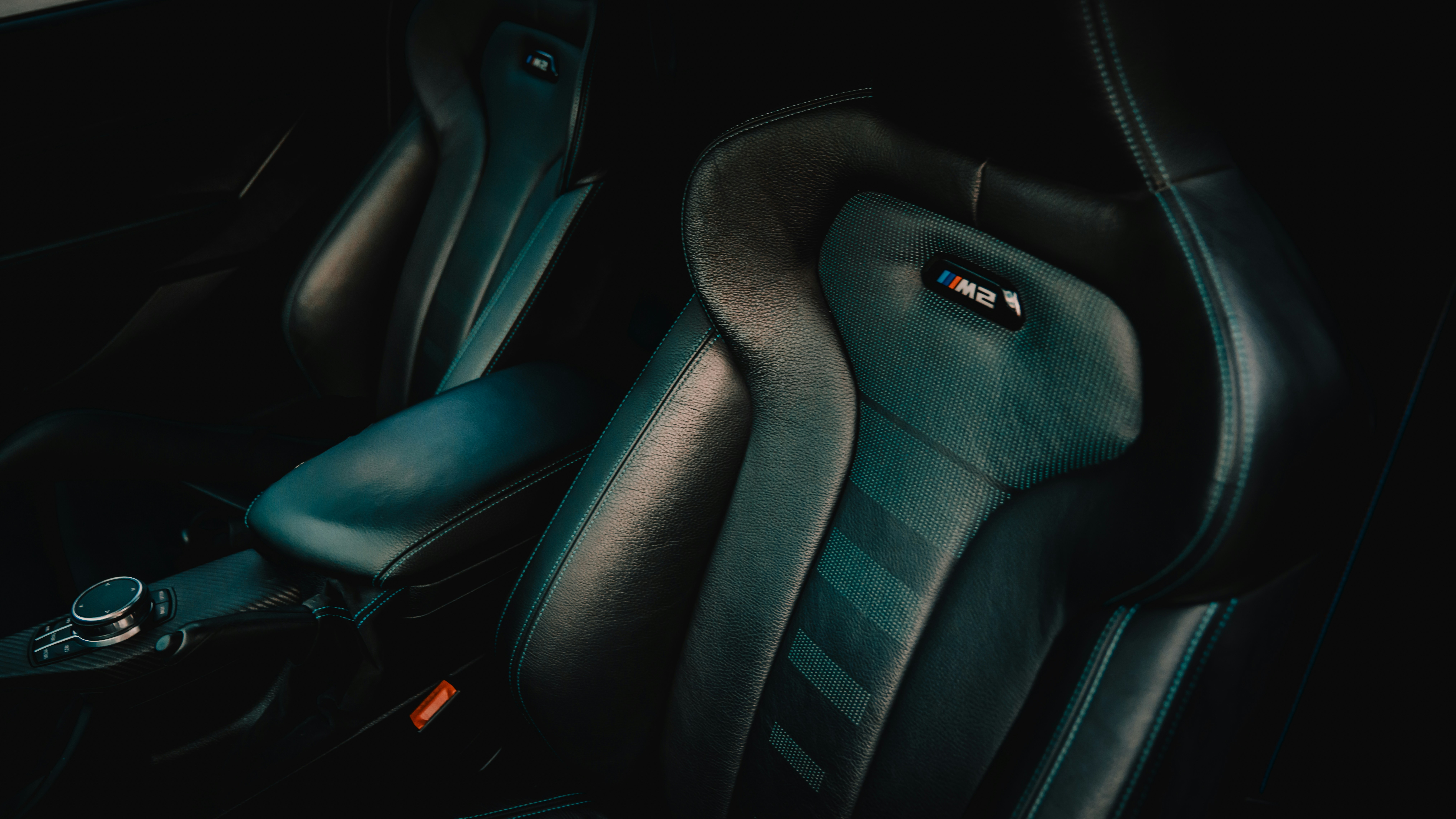
When buying a new car, one of the most crucial decisions you’ll make is which trim level to choose. With multiple options available, each with its own set of features and price tag, it can be overwhelming to determine which one offers the best value. In this article, we’ll break down the process of analyzing trim level pricing versus feature value, empowering you to make an informed decision and get the most bang for your buck.
Understanding Trim Levels
Before we dive into the analysis, let’s quickly cover what trim levels are. A trim level refers to a specific version of a car model, characterized by a unique set of features, options, and equipment. Think of it as a bundle of goodies that differentiate one trim from another. Common trim levels include base, mid-level, and high-end trims, each with its own price point.
The Importance of Feature Value
When evaluating trim levels, it’s essential to focus on the feature value rather than just the price. Feature value represents the benefits you receive from a particular feature or set of features. Ask yourself: “What do I gain from this feature, and is it worth the additional cost?”
To illustrate this concept, consider the following example:
Example 1: Heated Seats
Let’s say you’re deciding between two trim levels of the same car model: the mid-level trim with heated seats ($25,000) and the base trim without heated seats ($22,000). The question is, are heated seats worth the additional $3,000?
If you live in a region with harsh winters and appreciate the comfort of heated seats, the feature value might be high for you. You might consider the extra cost justified, as it enhances your driving experience. On the other hand, if you live in a warm climate or don’t care about heated seats, the feature value is low, and you might opt for the base trim to save money.
Analyzing Trim Level Pricing
Now that we’ve discussed feature value, let’s examine how to analyze trim level pricing. Follow these steps:
- Research the trim levels: Start by researching the available trim levels for your desired car model. Make a list of the features included in each trim, along with their corresponding prices.
- Identify must-have features: Determine which features are essential to you. These might include safety features, infotainment systems, or driver assistance technologies.
- Calculate the cost of each feature: Estimate the cost of each feature by comparing the prices of trim levels that differ only by that feature. This will give you an idea of the premium you’re paying for each feature.
- Evaluate feature value: Assess the feature value of each feature based on your needs and preferences. Ask yourself if the feature is worth the additional cost.
- Compare trim levels: Compare the trim levels, taking into account the features, prices, and feature values. Identify the trim level that offers the best balance of features and price.
Example 2: Trim Level Comparison
Let’s say you’re considering three trim levels of the same car model:
- Base Trim: $22,000 (includes basic features like power windows and cloth seats)
- Mid-Level Trim: $25,000 (adds features like heated seats, blind-spot monitoring, and a premium audio system)
- High-End Trim: $30,000 (includes all mid-level features plus advanced safety features, a panoramic sunroof, and a more powerful engine)
To analyze these trim levels, follow the steps above:
- Research the trim levels and identify the features included in each.
- Identify must-have features, such as blind-spot monitoring and advanced safety features.
- Calculate the cost of each feature:
- Heated seats: $3,000 (mid-level trim – base trim)
- Blind-spot monitoring: $1,500 (mid-level trim – base trim)
- Advanced safety features: $2,000 (high-end trim – mid-level trim)
- Evaluate feature value:
- Heated seats: high value for those who appreciate comfort and live in cold climates
- Blind-spot monitoring: high value for safety-conscious drivers
- Advanced safety features: high value for those who prioritize safety and are willing to pay a premium
- Compare trim levels:
- The mid-level trim offers a good balance of features and price, with a high feature value for heated seats and blind-spot monitoring.
- The high-end trim is only justified if you place a high value on advanced safety features and the panoramic sunroof.
Conclusion
Analyzing trim level pricing versus feature value is a crucial step in making an informed car-buying decision. By understanding the concept of feature value, researching trim levels, and evaluating the cost and value of each feature, you can determine which trim level offers the best value for your money. Remember to prioritize your needs, assess the feature value of each feature, and compare trim levels to find the perfect balance of features and price. Happy car shopping!

























Leave a Reply
You must be logged in to post a comment.