

























Managing your finances effectively requires a thorough understanding of your expenses. One crucial aspect of personal finance is estimating annual maintenance and operating costs. These expenses can add up quickly, and failing to account for them can lead to financial stress and uncertainty. In this article, we’ll guide you through a step-by-step process to accurately estimate your annual maintenance and operating costs, empowering you to take control of your finances.
Step 1: Identify Your Assets
The first step in estimating annual maintenance and operating costs is to identify the assets that require regular upkeep. These may include:
- Your home (including appliances, HVAC systems, and plumbing)
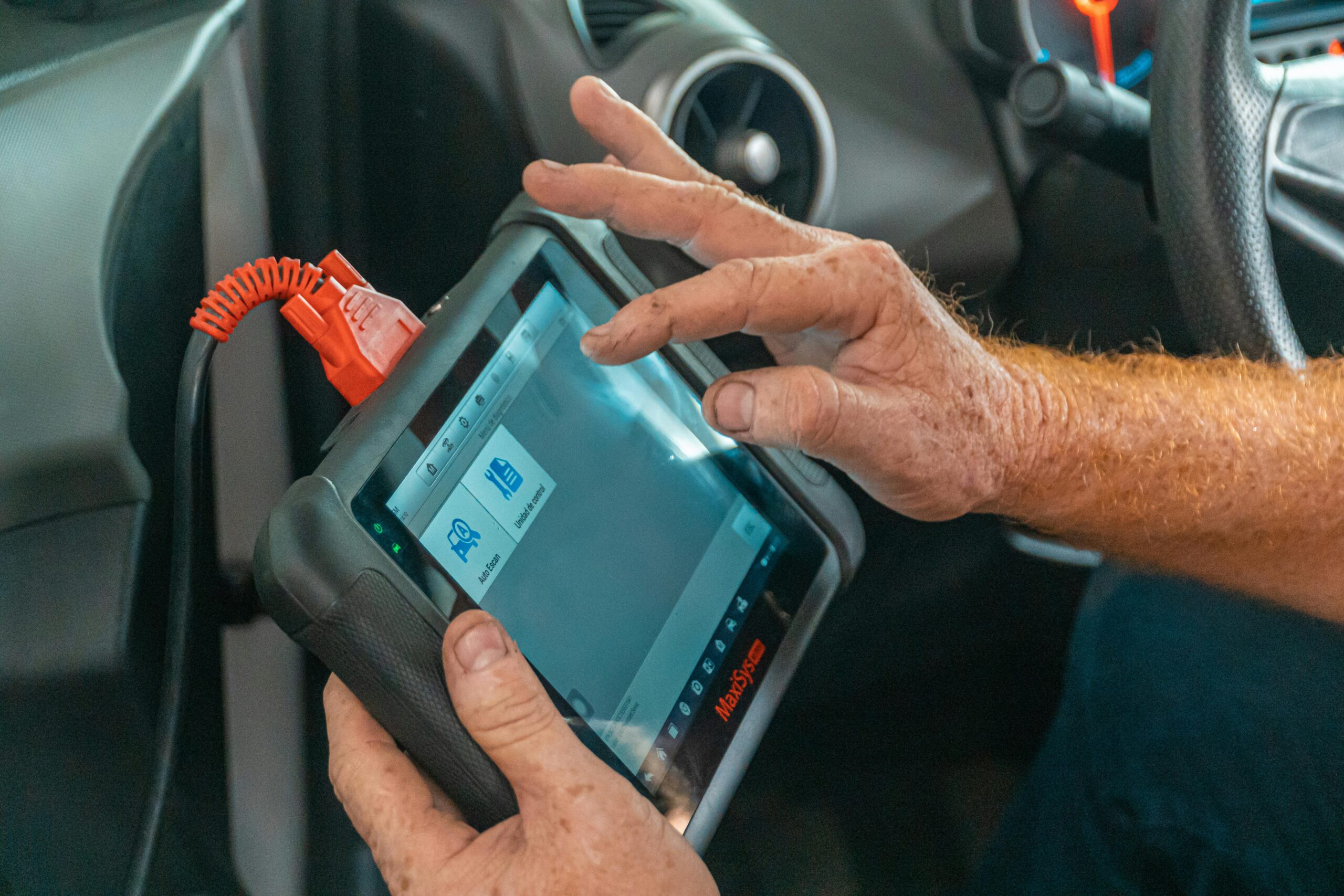
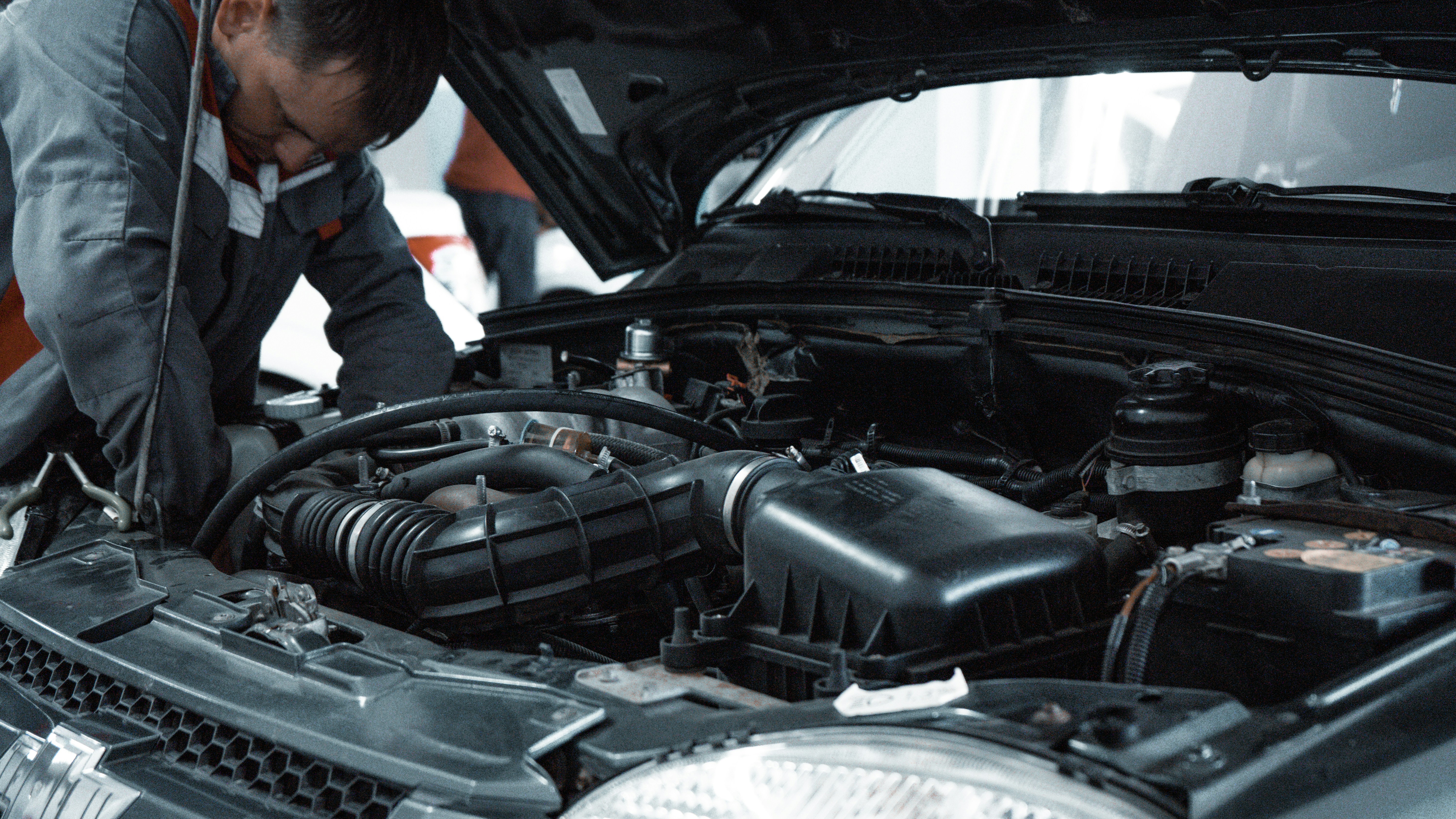
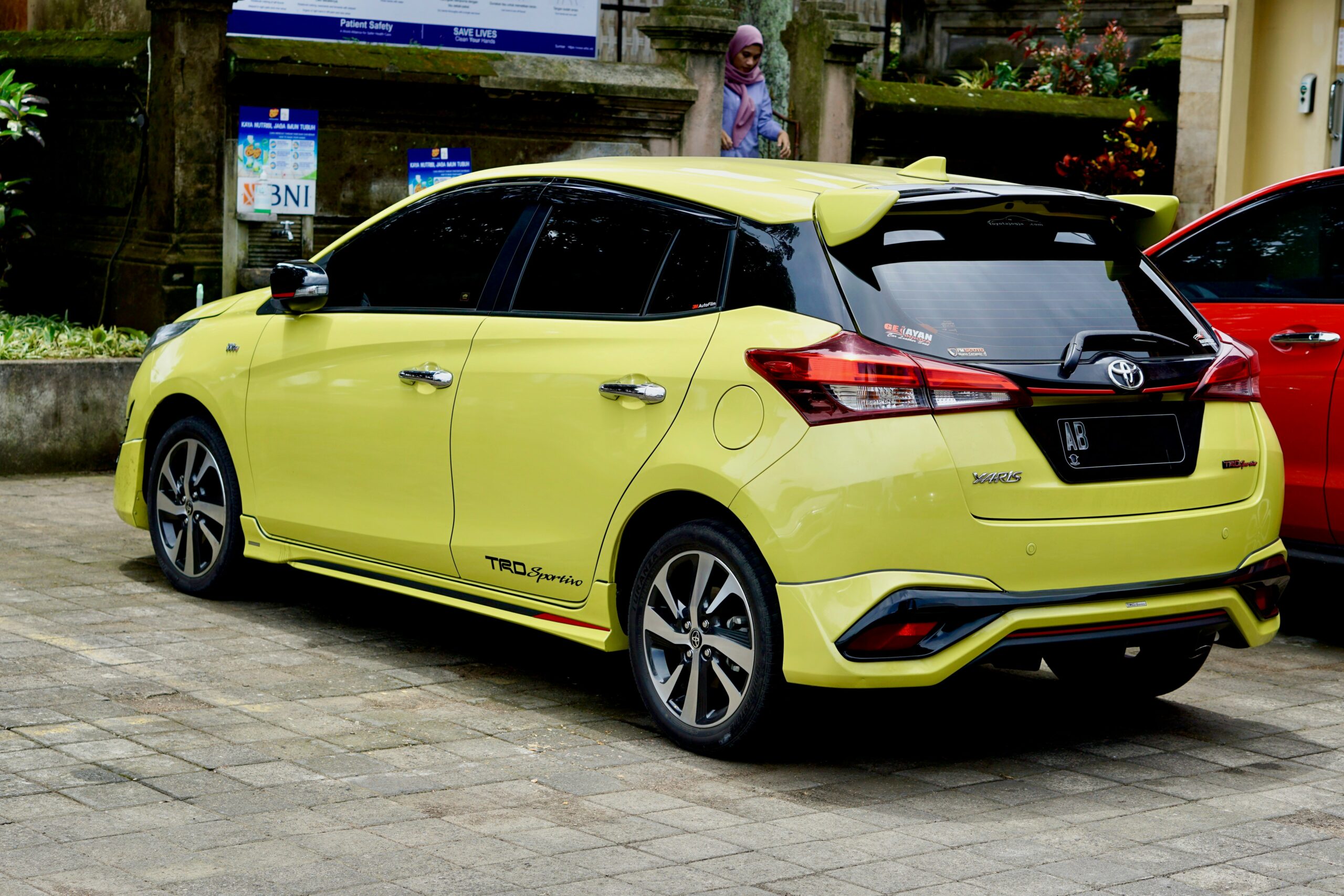
- Vehicles (cars, trucks, motorcycles, etc.)
- Electronics and gadgets (smartphones, laptops, tablets, etc.)
- Furniture and appliances
- Recreational equipment (bicycles, boats, etc.)
Make a list of all your assets and categorize them based on their type and age. This will help you prioritize your expenses and focus on the most critical maintenance tasks.
Step 2: Research Average Maintenance Costs
Once you have your list of assets, research the average maintenance costs for each category. You can find this information through:
- Manufacturer guidelines and recommendations
- Online forums and discussion groups
- Professional associations and trade organizations
- Government websites and consumer protection agencies
For example, if you own a 5-year-old car, you can expect to pay around $1,500 to $2,000 per year in maintenance costs, including oil changes, tire replacements, and brake pad replacements.
Step 3: Estimate Operating Costs
In addition to maintenance costs, you need to estimate operating costs for each asset. These expenses include:
- Fuel and energy consumption
- Insurance premiums
- Registration and licensing fees
- Subscription services (e.g., software updates, streaming services)
For instance, if you own a smartphone, your operating costs might include your monthly phone bill, data plan, and app subscriptions.
Step 4: Calculate Total Annual Costs
Now that you have estimated the maintenance and operating costs for each asset, calculate the total annual costs. Add up the costs for each category, and then add a 10% to 20% buffer to account for unexpected expenses.
Using our previous example, if your estimated annual maintenance cost for your car is $1,500, and your operating costs are $2,000, your total annual cost would be $3,500. Adding a 15% buffer, your total estimated annual cost would be $4,025.
Step 5: Review and Adjust
Review your estimated annual costs regularly to ensure they remain accurate. As your assets age or change, your maintenance and operating costs may increase or decrease. Adjust your estimates accordingly to maintain a realistic picture of your expenses.
Tips and Tricks
- Consider setting aside a portion of your annual costs in a separate fund to cover unexpected expenses.
- Prioritize maintenance tasks based on urgency and importance to ensure you’re addressing critical issues first.
- Take advantage of manufacturer warranties, loyalty programs, and discounts to reduce your maintenance and operating costs.
- Consider DIY maintenance tasks or hiring a professional to save money.
Conclusion
Accurately estimating annual maintenance and operating costs is crucial for effective financial management. By following these steps, you’ll be better equipped to anticipate and prepare for expenses, reducing financial stress and uncertainty. Remember to review and adjust your estimates regularly to ensure you’re staying on top of your finances. With a clear understanding of your maintenance and operating costs, you’ll be able to make informed decisions about your money and achieve long-term financial stability.




























Leave a Reply
You must be logged in to post a comment.