























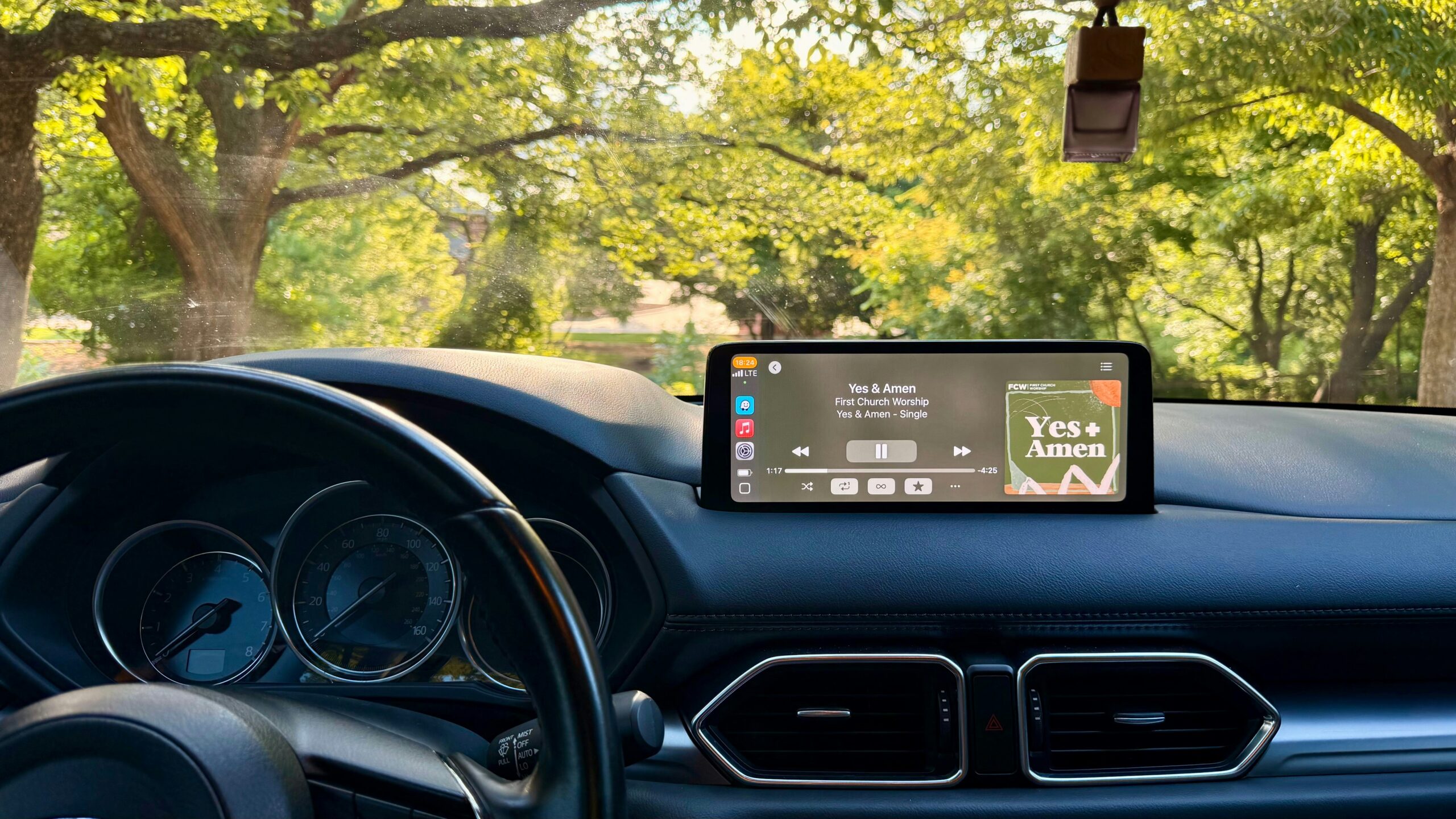
The average American spends over four hours daily on their smartphone, scrolling through social media, checking emails, and accessing various apps. With the rise of in-car infotainment systems, it’s no surprise that users expect seamless interactions and instant responses, just like on their personal devices.
Why Infotainment System Lag Hurts User Experience
However, latency – the delay between input and response – can significantly impact the user experience, leading to frustration, distraction, and even safety concerns.
In this article, we’ll delve into the world of infotainment system latency, and why infotainment system lag hurts user experience, its implications on user experience, and provide tips to create intuitive and responsive interfaces that meet user expectations.
Understanding Infotainment System Latency
Infotainment systems, also known as in-vehicle infotainment (IVI) systems, are the central hubs of modern vehicles, providing entertainment, navigation, and communication features. These systems rely on complex software and hardware to process user inputs, retrieve data, and display information on the screen. Latency, the main reason why infotainment system lag hurts user experience, occurs when there’s a delay between the user’s input (e.g., tapping a button or speaking a voice command) and the system’s response.
Latency can be attributed to various factors which affect why infotainment system lag hurts user experience, including:
- Hardware limitations: The processing power and memory of the infotainment system’s hardware can cause delays in data processing and rendering.
- Software inefficiencies: Poorly optimized software can lead to sluggish performance, contributing to latency.
- Network connectivity: Slow or unstable internet connections can cause delays in data retrieval, affecting the overall user experience.
- User interface design: Complex or poorly designed user interfaces can confuse users, leading to slower interactions and increased latency.
The Consequences of Why Infotainment System Lag Hurts User Experience
Latency in infotainment systems can have significant consequences, including:
- Driver distraction: Frustration caused by latency can lead to increased driver distraction, compromising road safety.
- User frustration: Slow responses can lead to user frustration, negatively impacting the overall driving experience.
- Decreased adoption: Users may abandon infotainment systems if they’re perceived as slow or unresponsive, reducing adoption rates.
Designing for Low Latency: Tips for a Seamless User Experience
To create an intuitive and responsive infotainment system, designers should focus on the following strategies:
- Simplify user interfaces: Streamline user interfaces to reduce cognitive load and minimize user input errors.
- Optimize software performance: Ensure software is optimized for the hardware, using efficient algorithms and data structures to reduce processing times. Click here to learn more about how Centralized computing increases performance for your car.
- Implement responsive design: Design interfaces that adapt to various screen sizes, resolutions, and input methods (e.g., touch, voice, or gesture-based).
- Leverage caching and data storage: Implement caching and data storage strategies to reduce the need for frequent data retrieval, minimizing latency.
- Conduct user testing: Perform user testing to identify latency pain points and optimize the system accordingly.
- Set realistic expectations: Clearly communicate system limitations and expectations to users, managing their expectations and reducing frustration.
Real-World Examples of Low-Latency Infotainment Systems
Several automakers have successfully implemented low-latency infotainment systems, including:
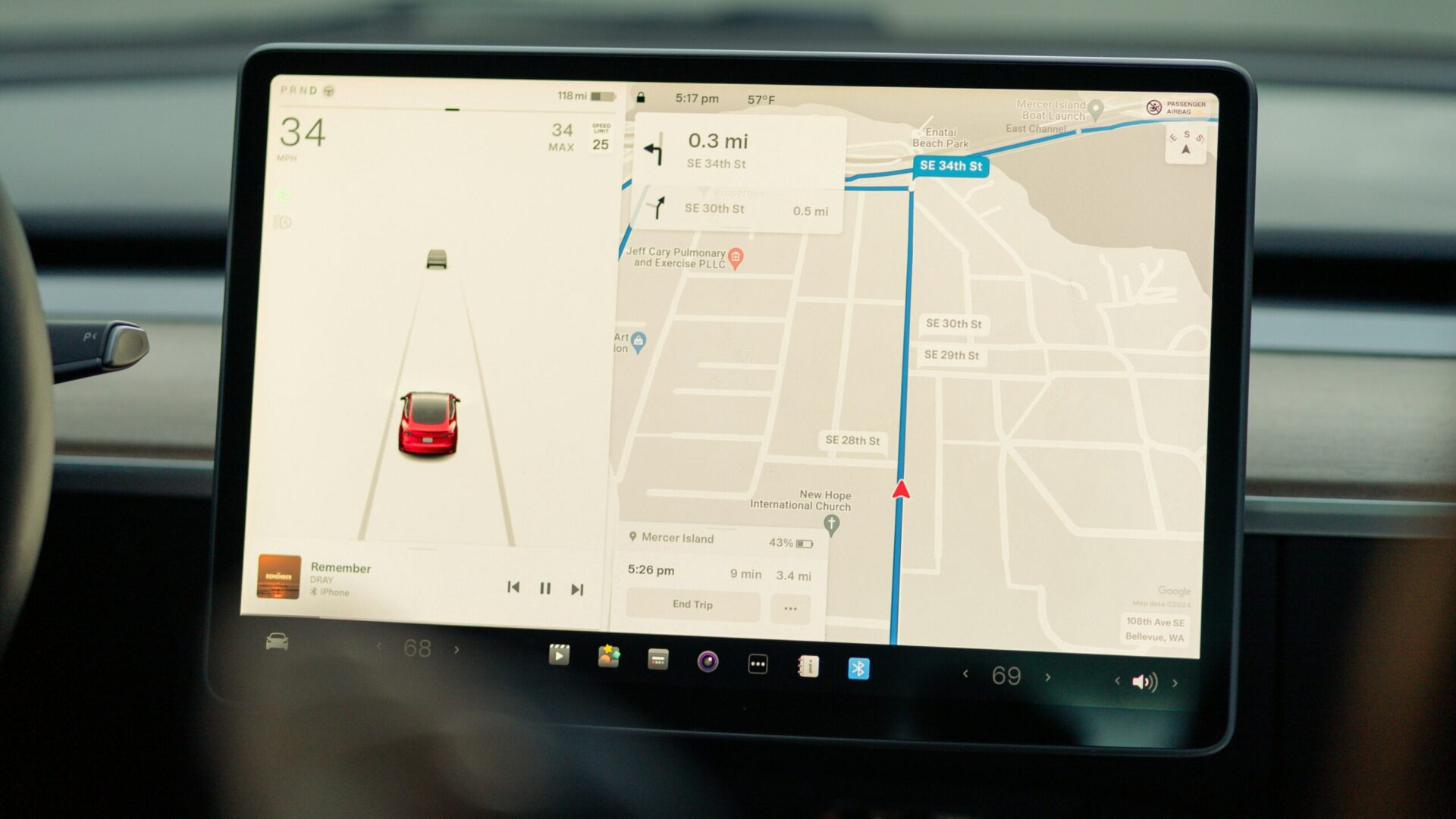
- Tesla’s User Interface: Tesla’s system is renowned for its responsiveness, thanks to its optimized software and sleek user interface. Learn more about Tesla’s User Interface here.
- Ford’s SYNC 4: Ford’s latest infotainment system features a streamlined user interface, faster processing, and improved voice recognition, reducing latency and improving the user experience.
Conclusion
Infotainment system latency can significantly impact the user experience, leading to frustration, distraction, and safety concerns. By understanding why infotainment system lag hurts user experience, designers can create intuitive and engaging interfaces that meet user expectations. As the automotive industry continues to evolve, it’s crucial to prioritize low-latency infotainment systems that enhance the driving experience while ensuring safety and convenience.
























Leave a Reply
You must be logged in to post a comment.