


























Rental car companies need to make informed decisions about the types and quantities of vehicles to include in their fleets to meet customer demand and stay profitable. This complex task involves analyzing various factors, including market trends, customer preferences, and operational costs. In this article, we’ll delve into the key considerations rental car companies use to determine their fleet composition.
Understanding Customer Demand
Rental car companies start by analyzing customer demand to determine which types of vehicles are in high demand. They consider factors such as:
- Seasonality: Rental car companies know that certain types of vehicles are more popular during specific times of the year. For example, convertibles and SUVs are often in higher demand during summer months, while sedans and economy cars are more popular during the winter.
- Location: Rental car companies consider the location of their rental facilities. For instance, companies with locations near beaches or national parks may stock more SUVs and convertibles, while those near city centers may focus on sedans and compact cars.
- Customer demographics: Rental car companies analyze the demographics of their target customers, including age, income, and occupation. For example, companies catering to business travelers may stock more luxury vehicles, while those targeting families may focus on minivans and SUVs.
Assessing Operational Costs
Rental car companies also need to consider operational costs when determining their fleet composition. These costs include:
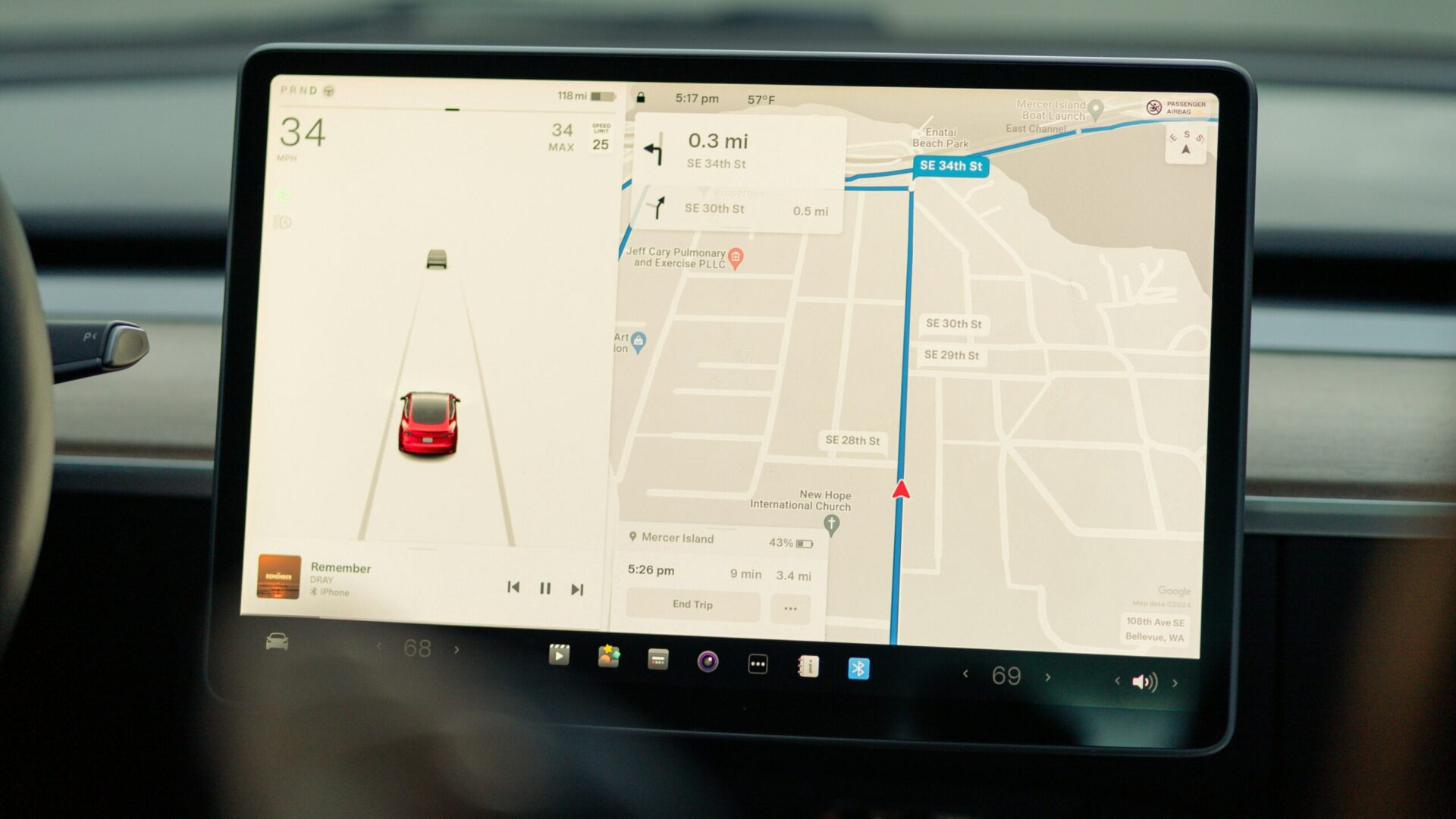
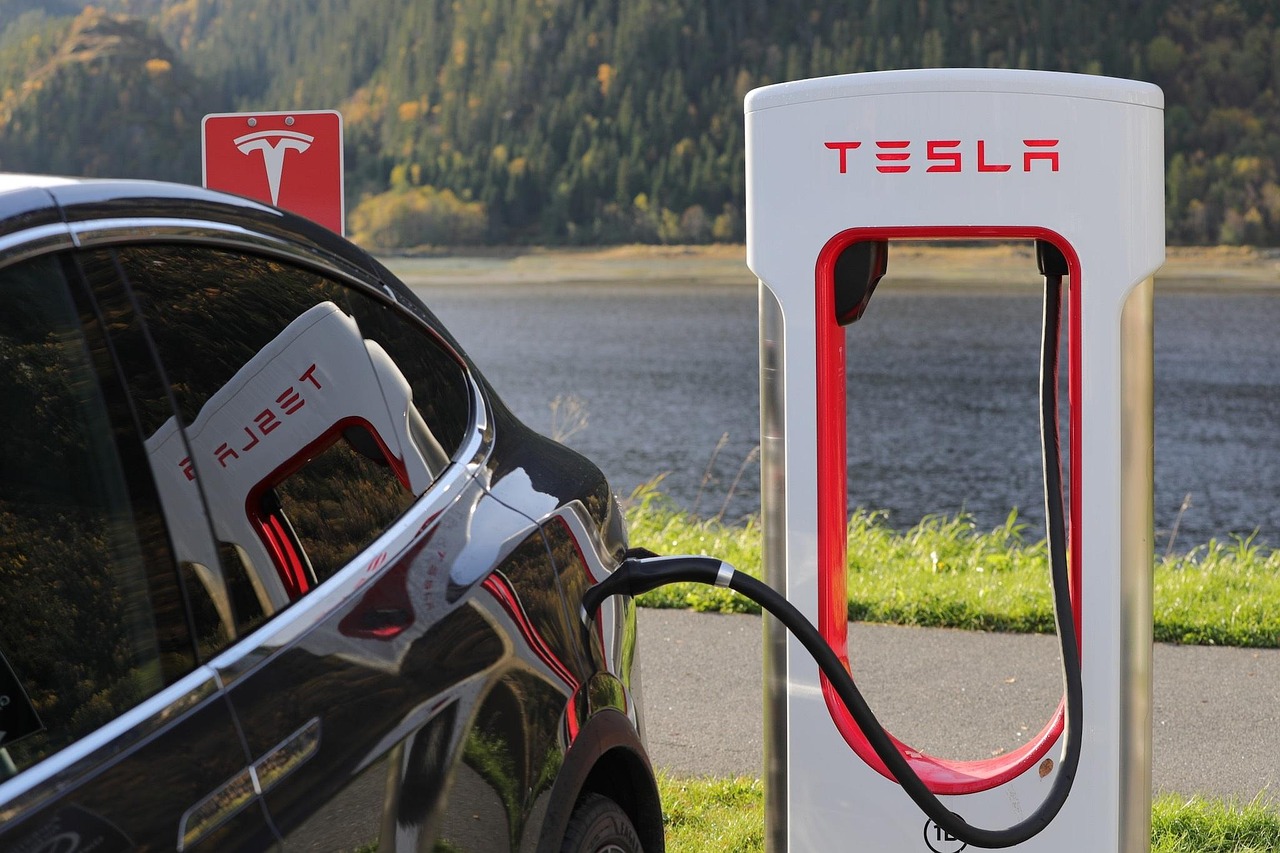
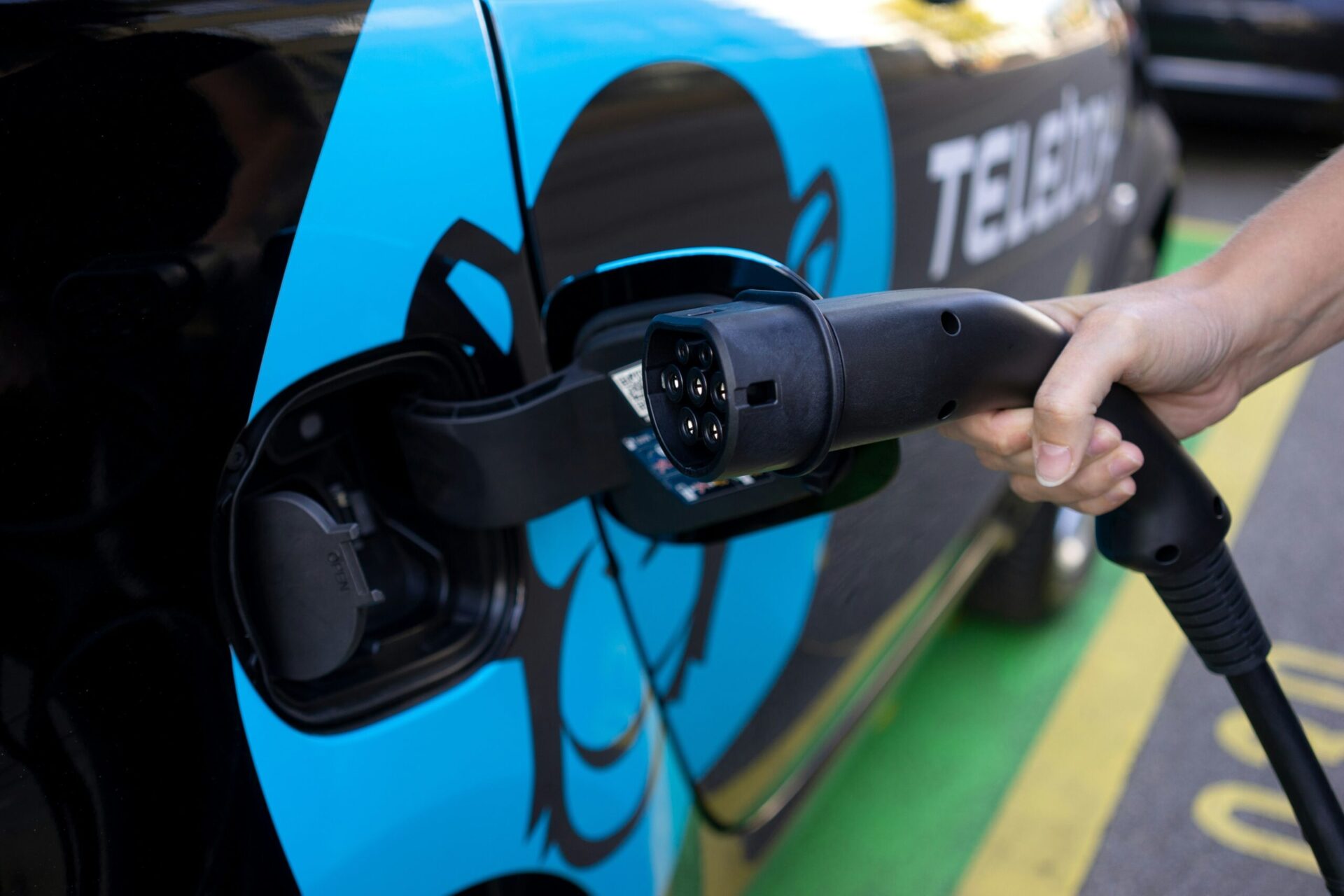
- Fuel efficiency: Rental car companies prefer vehicles with good fuel economy to reduce fuel costs. They may opt for hybrid or electric vehicles, which are becoming increasingly popular.
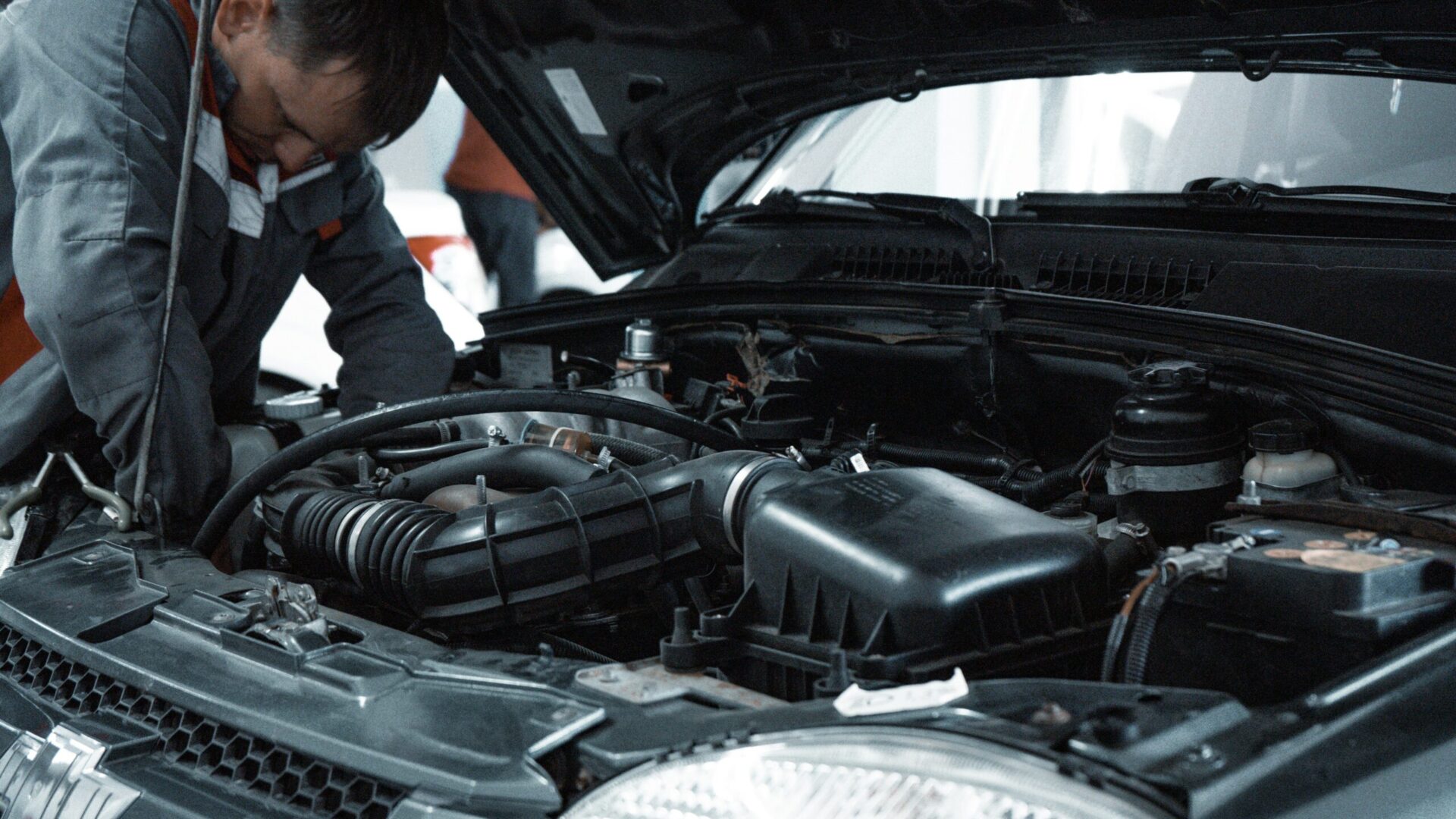
- Maintenance costs: Companies consider the maintenance costs associated with different vehicle types. For example, luxury vehicles may require more frequent and costly maintenance than economy cars.
- Depreciation: Rental car companies need to consider the depreciation costs of their vehicles. They may opt for vehicles with slower depreciation rates, such as Toyota or Honda models.
Market Trends and Competition
Rental car companies also keep an eye on market trends and competitor activity when determining their fleet composition. They consider:
- Industry trends: Rental car companies stay up-to-date with the latest industry trends, such as the growing demand for electric and hybrid vehicles.
- Competitor activity: Companies analyze their competitors’ fleet compositions to stay competitive. They may adjust their own fleets to match or surpass their competitors’ offerings.
- Manufacturer incentives: Rental car companies may take advantage of manufacturer incentives, such as discounts or special financing options, to acquire certain types of vehicles.
Fleet Optimization Strategies
Rental car companies use various strategies to optimize their fleets and ensure they have the right mix of vehicles. These strategies include:
- Fleet segmentation: Companies divide their fleets into segments based on vehicle type, age, and condition. This helps them to manage their fleets more efficiently and allocate resources effectively.
- Vehicle rotation: Rental car companies rotate their vehicles regularly to ensure that older vehicles are replaced with newer ones. This helps to maintain a consistent level of quality and reduce maintenance costs.
- Fleet rebalancing: Companies rebalance their fleets by moving vehicles from one location to another to meet changing demand patterns.
Real-World Examples
Let’s consider a few real-world examples of how rental car companies determine their fleet composition:
- Enterprise Rent-A-Car: Enterprise focuses on providing a wide range of vehicles to cater to different customer needs. They offer a mix of sedans, SUVs, trucks, and vans, and have introduced hybrid and electric vehicles to their fleet in response to growing demand.
- Hertz: Hertz has invested heavily in its luxury car collection, offering high-end vehicles from brands like Mercedes-Benz and BMW. They also offer a range of electric and hybrid vehicles, recognizing the growing demand for eco-friendly options.
Conclusion
Determining the right fleet composition is crucial for rental car companies to meet customer demand, stay profitable, and remain competitive. By analyzing customer demand, assessing operational costs, considering market trends and competition, and using fleet optimization strategies, rental car companies can create a well-balanced fleet that meets the needs of their customers.
Whether you’re a frequent renter or an occasional user, understanding how rental car companies determine their fleet composition can help you make informed choices when booking your next rental car.


























Leave a Reply
You must be logged in to post a comment.