





























When it comes to vehicle safety, most people think about advanced features like lane departure warnings, blind-spot detection, and automatic emergency braking. While these features are undoubtedly important, there’s another crucial aspect that often flies under the radar: human factors engineering. This discipline is responsible for designing vehicles that are intuitive, user-friendly, and safe for drivers and passengers alike. In this article, we’ll delve into the world of human factors engineering and explore how it influences vehicle safety, ultimately saving lives on our roads.
What is Human Factors Engineering?
Human factors engineering, also known as ergonomics, is the study of how humans interact with products, systems, and environments. In the context of vehicle design, human factors engineers focus on creating vehicles that are easy to operate, comfortable, and safe. They consider factors like driver behavior, physical limitations, and cognitive abilities to design vehicles that minimize the risk of accidents and injuries.
The Importance of Human Factors in Vehicle Safety
Vehicle safety is not just about the mechanical aspects of a car; it’s also about how humans interact with the vehicle. According to the National Highway Traffic Safety Administration (NHTSA), human error is a contributing factor in over 90% of all crashes. This staggering statistic highlights the critical role human factors engineering plays in preventing accidents.
Let’s consider a few examples of how human factors engineering influences vehicle safety:
- Intuitive Controls: Imagine driving a car with confusing controls or poorly labeled buttons. In a high-stress situation, like an emergency stop, a driver might accidentally press the wrong button, leading to disastrous consequences. Human factors engineers design intuitive controls that are easy to understand and use, reducing the likelihood of driver error.
- Ergonomic Design: A well-designed vehicle interior can greatly reduce driver fatigue and discomfort. When drivers are comfortable, they’re more alert and focused on the road, reducing the risk of accidents. Human factors engineers consider factors like seat design, steering wheel placement, and pedal layout to create an ergonomic environment that supports safe driving.
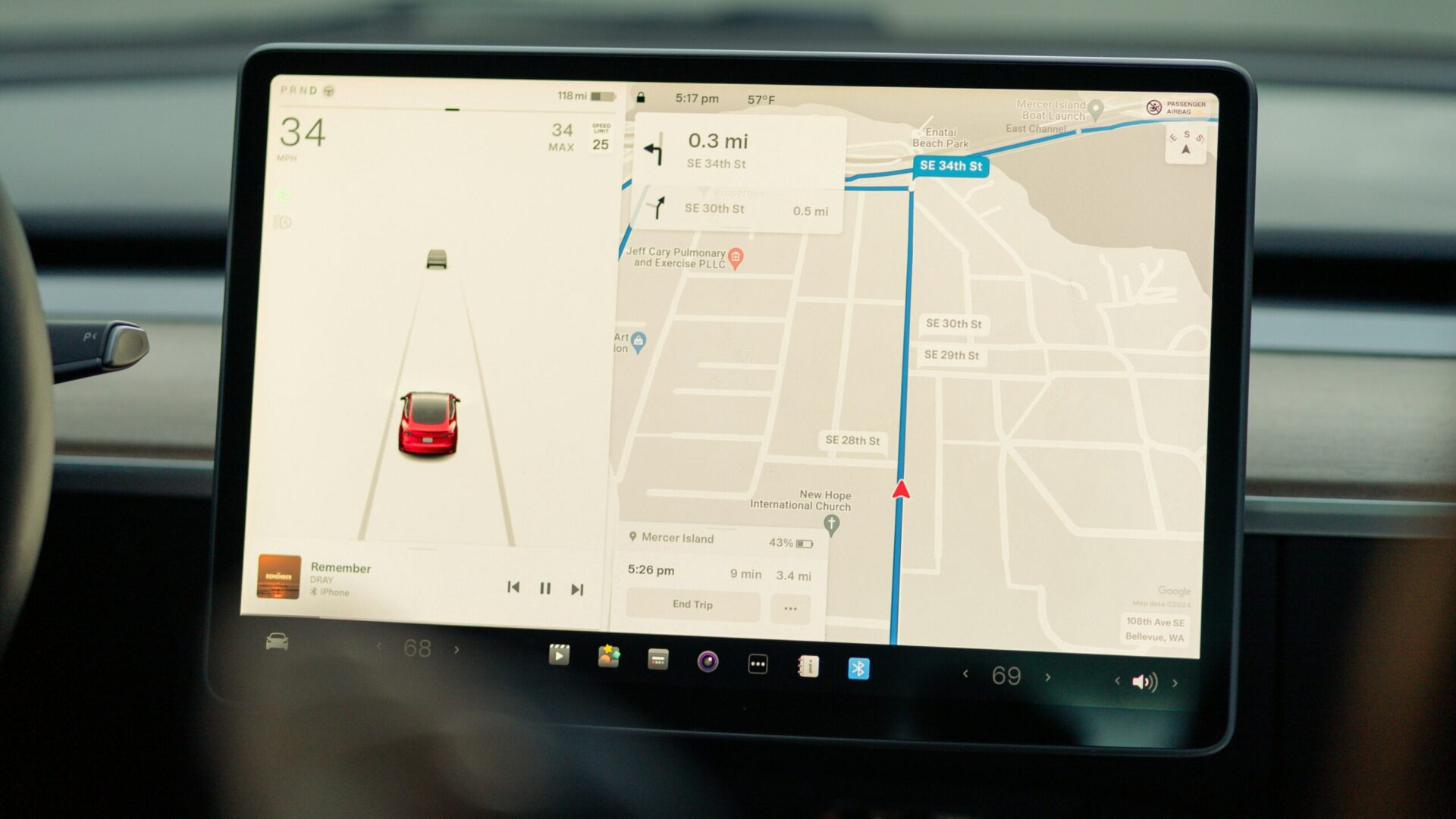
- Visual and Auditory Cues: Drivers rely heavily on visual and auditory cues to navigate the road safely. Human factors engineers design vehicles with clear and consistent visual displays, like dashboard warning lights, and auditory cues, like alerts for lane departures or blind spots. These cues help drivers stay aware of their surroundings and make informed decisions.
- Driver Distraction: With the rise of in-car technology, driver distraction has become a major concern. Human factors engineers design vehicles with features like voice-activated systems, simplified infotainment menus, and minimal visual distractions to minimize the likelihood of driver distraction.
Real-World Examples of Human Factors Engineering in Action
Several car manufacturers have successfully incorporated human factors engineering into their vehicle design. Here are a few examples:
- Toyota’s Safety Sense: Toyota’s Safety Sense suite of features includes advanced safety technologies like lane departure warning, adaptive cruise control, and automatic emergency braking. However, it’s the human-centered design of these features that sets Toyota apart. The system is designed to be intuitive and easy to use, with clear visual and auditory cues that minimize driver distraction.
- Volvo’s Driver Attention Monitoring: Volvo’s Driver Attention Monitoring system uses cameras and sensors to detect signs of driver distraction, like eyelid movements and head position. If the system detects distraction, it alerts the driver with a visual and auditory warning. This feature is a prime example of human factors engineering in action, as it addresses a critical safety concern through clever design and technology.
- Ford’s SYNC 3 Infotainment System: Ford’s SYNC 3 infotainment system is designed with human factors engineering principles in mind. The system features a simplified menu structure, voice-activated controls, and minimal visual distractions, making it easy for drivers to stay focused on the road.
The Future of Human Factors Engineering in Vehicle Safety
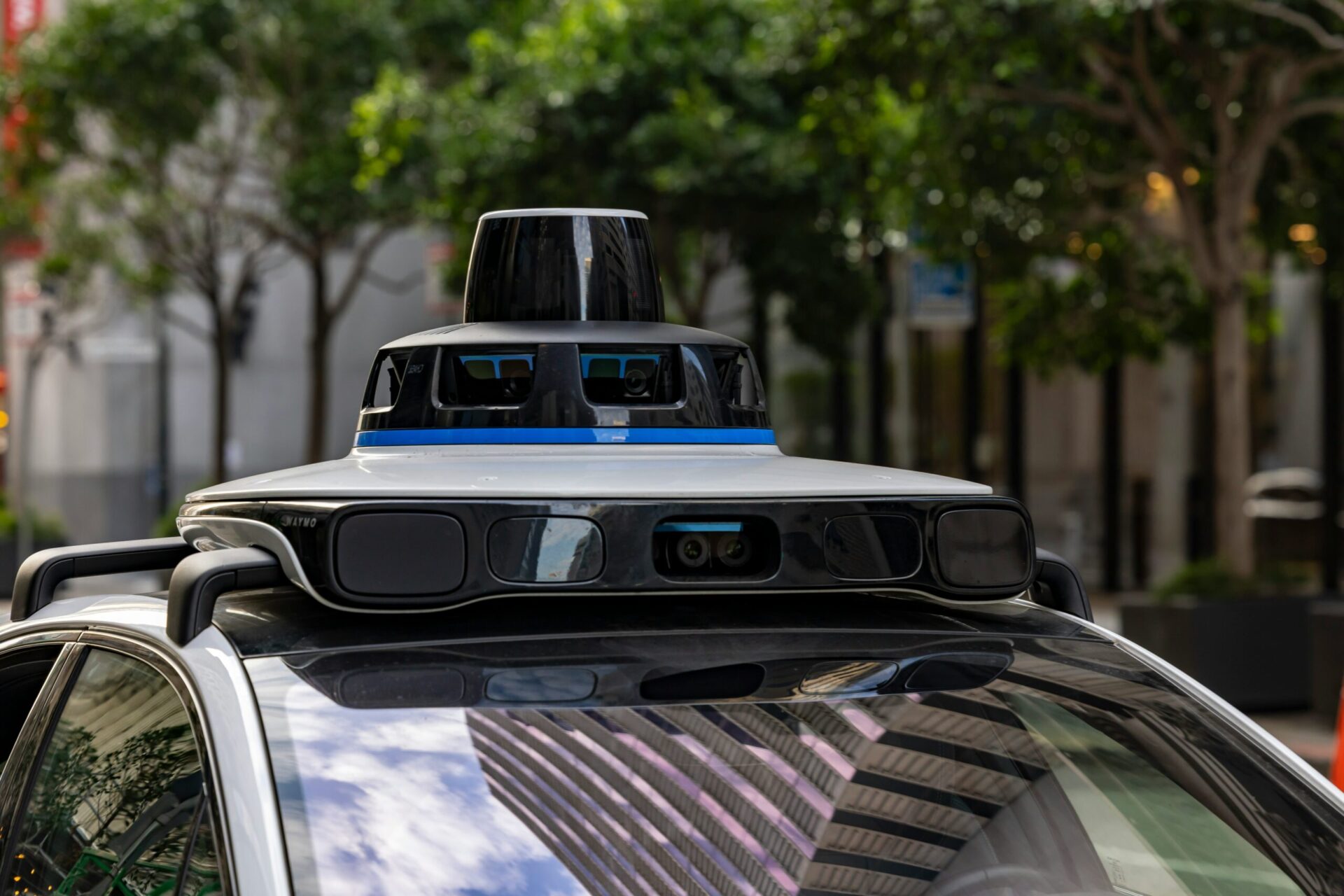
As vehicles become increasingly complex and autonomous, the role of human factors engineering will become even more critical. With the rise of autonomous vehicles, human factors engineers will need to design systems that seamlessly transition control between human and machine, minimizing the risk of accidents.
In the near future, we can expect to see more advanced safety features that incorporate human factors engineering principles. For example, vehicles might include biometric sensors to detect driver fatigue or stress, or use artificial intelligence to adapt to individual driver behaviors and preferences.
Conclusion
Vehicle safety is a multifaceted issue that requires a comprehensive approach. While advanced safety features like lane departure warnings and automatic emergency braking are crucial, human factors engineering plays a vital role in preventing accidents and saving lives. By designing vehicles that are intuitive, user-friendly, and safe, human factors engineers can greatly reduce the risk of human error, ultimately making our roads safer for everyone.
As consumers, we have the power to demand safer vehicles that prioritize human factors engineering. By supporting manufacturers that invest in human-centered design, we can create a safer and more responsible driving culture.
Remember, the next time you get behind the wheel, the safety of you and your passengers depends on more than just advanced technology – it depends on the careful consideration of human factors engineering.






























Leave a Reply
You must be logged in to post a comment.