
























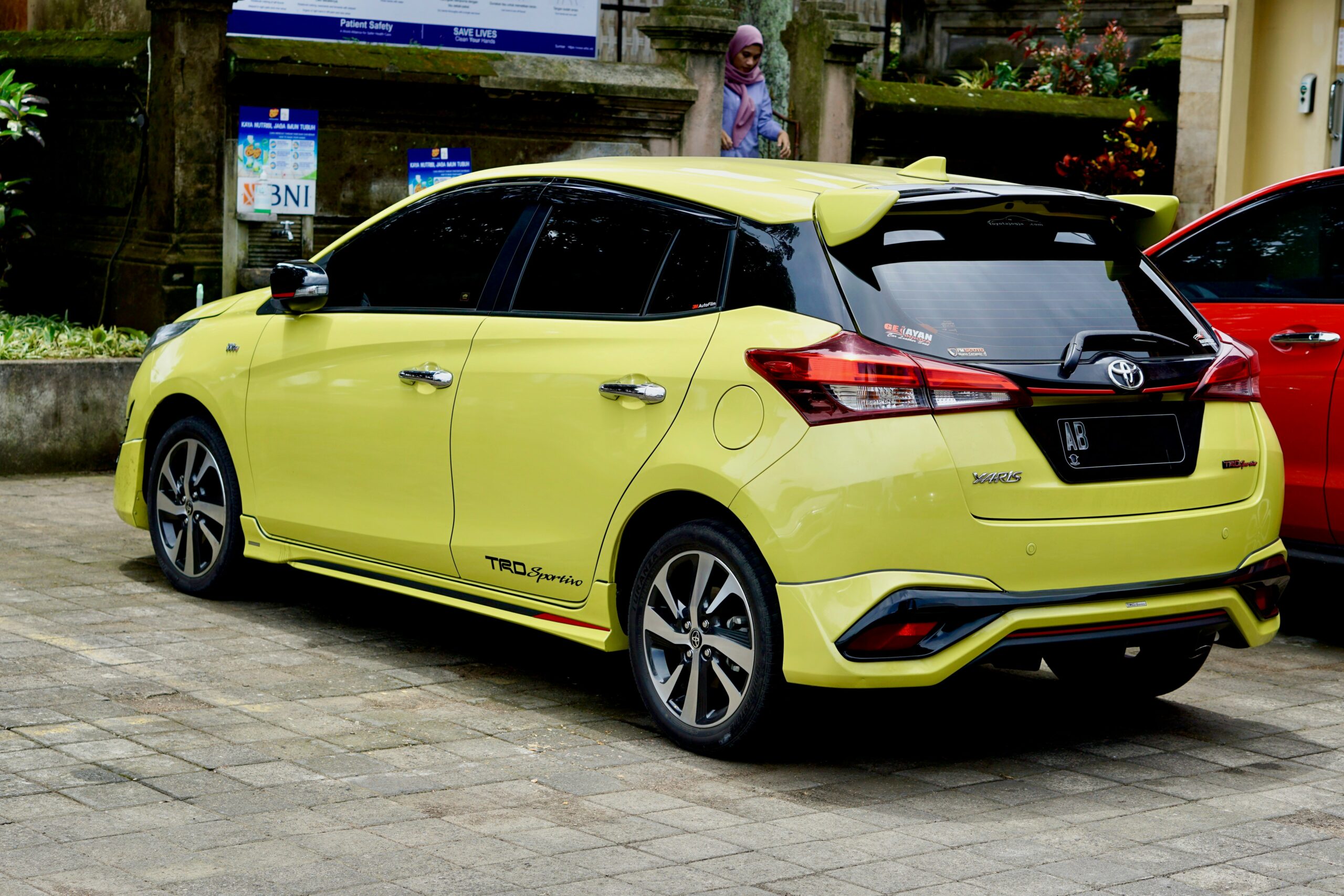








When it comes to the automotive industry, one of the most fascinating aspects is the complex web of brands and companies that make up the major conglomerates. From General Motors to Volkswagen, these companies have developed intricate structures to manage their numerous brands, each with its own unique identity and target market. In this article, we’ll delve into the world of automotive conglomerates and explore how they structure their brands.
What is an Automotive Conglomerate?
Before we dive into the specifics of brand structuring, it’s essential to understand what an automotive conglomerate is. An automotive conglomerate is a large company that owns and operates multiple automobile brands, often with diverse product lines, target markets, and geographic presence. These companies have grown through strategic acquisitions, mergers, and partnerships, allowing them to expand their reach and diversify their offerings.
The Benefits of Brand Structuring
So, why do automotive conglomerates structure their brands in such a way? The primary reason is to create a clear distinction between each brand, allowing them to cater to specific customer segments and market needs. This approach offers several benefits, including:
- Targeted Marketing: By separating brands, companies can tailor their marketing efforts to specific demographics, preferences, and purchasing habits.
- Product Differentiation: Each brand can focus on unique features, design, and technology, setting them apart from competitors and sibling brands.
- Brand Loyalty: Distinct brands foster loyalty among customers, who become attached to a particular brand’s values, image, and reputation.
- Cost Savings: Shared resources, such as manufacturing facilities and supply chains, can be leveraged across multiple brands, reducing costs and increasing efficiency.
The Structure of Automotive Conglomerates
Now, let’s examine the typical structure of an automotive conglomerate and how they organize their brands.
- Parent Company: The parent company is the overarching entity that owns and operates the various brands. Examples include General Motors, Volkswagen, and Toyota.
- Brand Hierarchy: Brands are typically organized in a hierarchical structure, with premium brands at the top and more affordable options below. For instance, Volkswagen’s brand hierarchy includes:
- Audi (luxury)
- Volkswagen (mainstream)
- ŠKODA (budget-friendly)
- SEAT (youth-oriented)
- Regional Brands: Some conglomerates have regional brands that cater to specific markets or geographic areas. For example:
- General Motors’ Holden brand is exclusive to Australia and New Zealand.
- Ford’s Troller brand is focused on the Brazilian market.
- Niche Brands: These brands target specific niches or customer groups, such as:
- BMW’s MINI brand, which focuses on compact, premium vehicles.
- Fiat’s Alfa Romeo brand, which emphasizes performance and luxury.
Examples of Automotive Conglomerates
Let’s look at a few examples of well-known automotive conglomerates and their brand structures:
- General Motors:
- Chevrolet (mainstream)
- Buick (premium)
- GMC (trucks and SUVs)
- Cadillac (luxury)
- Volkswagen:
- Audi (luxury)
- Volkswagen (mainstream)
- ŠKODA (budget-friendly)
- SEAT (youth-oriented)
- Porsche (performance)
- Toyota:
- Toyota (mainstream)
- Lexus (luxury)
- Daihatsu (compact cars)
- Hino (trucks and buses)
Takeaways
In conclusion, automotive conglomerates structure their brands to create a clear distinction between each brand, allowing them to cater to specific customer segments and market needs. By understanding the benefits of brand structuring, including targeted marketing, product differentiation, brand loyalty, and cost savings, we can appreciate the complexities of the automotive industry.
As consumers, it’s essential to recognize the different brands within a conglomerate, as each brand offers unique features, values, and experiences. By doing so, we can make informed purchasing decisions that align with our needs and preferences.






























Leave a Reply
You must be logged in to post a comment.