

























Thermal management is a crucial aspect of electric vehicle (EV) performance, yet it’s often overlooked by EV owners and enthusiasts. In this article, we’ll delve into the world of thermal management and explore how it affects EV performance, range, and overall driving experience.
What is Thermal Management?
Thermal management refers to the process of controlling and regulating the temperature of various components in an electric vehicle. This includes the battery, electric motor, power electronics, and other critical systems. The goal of thermal management is to maintain optimal operating temperatures, ensuring the EV performs efficiently, reliably, and safely.
Why is Thermal Management Important in EVs?
In traditional internal combustion engine vehicles, the engine generates heat, which is dissipated through the cooling system. However, in EVs, the electric motor and battery generate heat as well, but in different ways. The battery, in particular, is prone to overheating, which can lead to:
- Reduced Range: High temperatures can reduce the battery’s capacity, resulting in decreased range and overall performance.
- Increased Charging Times: Elevated temperatures can slow down the charging process, making it take longer to top up your battery.
- Premature Aging: Excessive heat can cause the battery to degrade faster, reducing its overall lifespan.
- Safety Risks: Overheating can lead to battery fires or other safety issues, which can be catastrophic.
How Does Thermal Management Affect EV Performance?
Thermal management has a direct impact on EV performance, particularly in the following areas:
- Acceleration: When the battery is at optimal temperatures, the EV can accelerate faster and more efficiently. Conversely, high temperatures can reduce acceleration, making the vehicle feel sluggish.
- Range: As mentioned earlier, high temperatures can reduce the battery’s capacity, resulting in decreased range. Effective thermal management helps maintain optimal temperatures, ensuring the battery operates at its best.
- Efficiency: Thermal management plays a crucial role in maintaining the EV’s overall efficiency. When components are at optimal temperatures, the vehicle can achieve better fuel economy, reducing energy consumption and emissions.
Thermal Management Strategies in EVs
To mitigate the effects of heat, EV manufacturers employ various thermal management strategies, including:
- Liquid Cooling: This involves circulating a coolant through the battery and other components to absorb and dissipate heat.
- Air Cooling: Some EVs use air cooling systems, which rely on fans or air ducts to circulate air and dissipate heat.
- Thermal Insulation: Manufacturers use thermal insulation materials to reduce heat transfer between components and the environment.
- Active Cooling: Some EVs feature active cooling systems, which use fans or pumps to circulate coolant and maintain optimal temperatures.
Real-World Examples of Thermal Management in Action
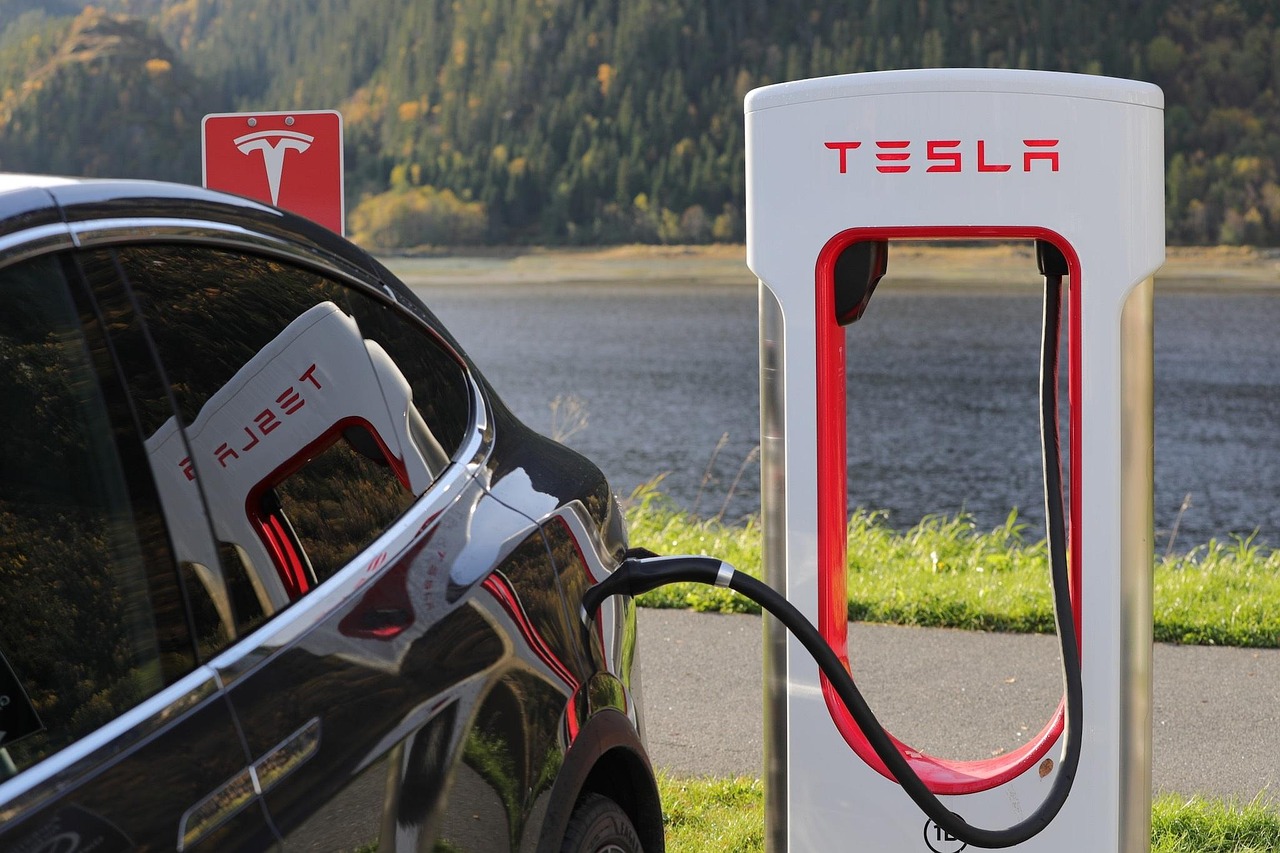
- Tesla Model S: Tesla’s flagship sedan features a sophisticated thermal management system, which includes liquid cooling for the battery and electric motor. This enables the vehicle to maintain optimal performance and range, even in extreme temperatures.
- Chevrolet Bolt: The Chevrolet Bolt uses a combination of air cooling and thermal insulation to manage temperatures. This approach helps reduce weight and complexity while maintaining optimal performance.
- Nissan Leaf: The Nissan Leaf features an advanced thermal management system, which includes a heat pump to recover waste heat and reduce energy consumption.
Practical Tips for Optimizing Thermal Management in Your EV
While EV manufacturers employ advanced thermal management strategies, there are steps you can take to optimize thermal management in your vehicle:
- Park in the Shade: Whenever possible, park your EV in the shade to reduce direct sunlight, which can heat up the battery and other components.
- Use a Thermal Shield: Consider investing in a thermal shield or sunshade to block direct sunlight and reduce heat buildup.
- Avoid Extreme Temperatures: Try to avoid extreme temperatures (above 90°F or below 32°F) when charging or operating your EV.
- Monitor Your Vehicle’s Temperature: Keep an eye on your vehicle’s temperature gauges and warning systems to ensure optimal operating conditions.
- Maintain Your Vehicle: Regular maintenance, such as software updates and battery checks, can help ensure your EV’s thermal management system operates efficiently.
Conclusion
Thermal management plays a critical role in EV performance, range, and overall driving experience. By understanding the importance of thermal management and employing practical strategies, you can optimize your EV’s performance, reduce energy consumption, and ensure a safe and reliable driving experience.
Remember, a well-managed thermal system is key to unlocking your EV’s full potential.



























Leave a Reply
You must be logged in to post a comment.