



















The moment you drive a new car off the dealer’s lot, it’s already worth less than what you paid. That’s not an exaggeration — Carfax data shows that most new cars lose more than 10% of their value in the first month alone. Within a year, the average new vehicle has shed roughly 20% of its purchase price. After five years, it’s typically worth only about 40% of what you originally paid.
Depreciation is the single largest cost of owning a new car — larger than fuel, insurance, or maintenance combined. Yet most buyers focus almost entirely on the sticker price and monthly payment, barely considering what the vehicle will be worth when it’s time to sell or trade in. That’s a mistake that can cost you tens of thousands of dollars over a few years of ownership.
This guide breaks down how depreciation actually works, shows you the real data on which vehicles hold their value and which don’t, and gives you actionable strategies to minimize the financial hit.
What Is Depreciation, and Why Does It Hit So Hard?
Depreciation is the decrease in a vehicle’s market value over time. It’s driven by a simple economic reality: a used car is worth less than a new one because it has fewer remaining miles of useful life, older technology, and more wear. But the rate at which that value drops is far from uniform — it varies dramatically based on the brand, model, vehicle type, and market conditions.
According to Kelley Blue Book, the average new car depreciates approximately 30% over the first two years and continues losing 8–12% per year after that. By the five-year mark, most vehicles have shed about 55% of their original purchase price.
To put that in dollar terms: if you buy a new car for $45,000, it will be worth roughly $36,000 after one year, $27,000 after three years, and just $20,000 after five years. That’s $25,000 in lost value — money that simply disappears from your balance sheet.
Depreciation is just the largest piece of the broader cost picture — see our breakdown of total cost of ownership beyond the purchase price for how depreciation, financing, fuel, insurance, and maintenance combine into the real cost of any new vehicle.
The Depreciation Curve: Year by Year

Depreciation doesn’t happen at a steady, predictable rate. It follows a curve that’s steepest in the first year and gradually flattens over time.
Year 1 is the most brutal. The car goes from “new” to “used” the moment it’s titled, and buyers in the used market immediately apply a discount. Most vehicles lose 15–20% of their value in the first 12 months. Some luxury and electric models lose even more.
Years 2–3 see continued decline, though the rate slows somewhat. By the end of year three, the average vehicle has lost roughly 40% of its original price. This is the window where leased vehicles are typically returned, flooding the used market with three-year-old models and putting additional downward pressure on prices.
Years 4–5 bring more gradual declines. The depreciation curve begins to flatten, meaning the car loses less value per year in both percentage and dollar terms. By year five, the average vehicle retains about 40–45% of its original value, according to iSeeCars’ 2026 analysis of over 950,000 vehicles.
Years 6–10 see the curve flatten further. A car that’s already lost 60% of its value isn’t going to lose another 60% in the next five years. The rate of decline slows significantly, which is why buying a well-maintained 3- to 5-year-old vehicle is often the financial sweet spot — you let someone else absorb the steepest part of the curve. Depreciation also slows because maintenance and repair costs start accelerating. For a deep dive on this, see our guide to the hidden costs of owning an older vehicle.
Which Vehicles Depreciate the Most — and the Least?

Not all vehicles lose value at the same rate. iSeeCars’ 2026 study found that the average 5-year depreciation across all vehicles is 41.8%, but the spread between the best and worst categories is enormous.
Vehicles That Hold Their Value Best
Trucks depreciate the least of any segment, losing just 34.8% after five years. Midsize trucks like the Toyota Tacoma, Ford Ranger, and Chevrolet Colorado are particularly strong. The Tacoma has been one of the best value-retention vehicles in the industry for years, thanks to a reputation for bulletproof reliability and high demand in the used market.
Hybrids are close behind at 35.4% depreciation. Toyota dominates this segment — the RAV4 Hybrid, Camry Hybrid, and Highlander Hybrid all hold value exceptionally well. As fuel prices remain volatile, buyers increasingly see hybrids as the practical middle ground between gas and electric, which keeps used hybrid demand strong.
Compact SUVs depreciate at roughly 38%, in line with the overall average. Models like the Subaru Forester, Honda CR-V, and Hyundai Tucson perform well here due to practical sizing and strong reliability records.
Vehicles That Lose Value Fastest
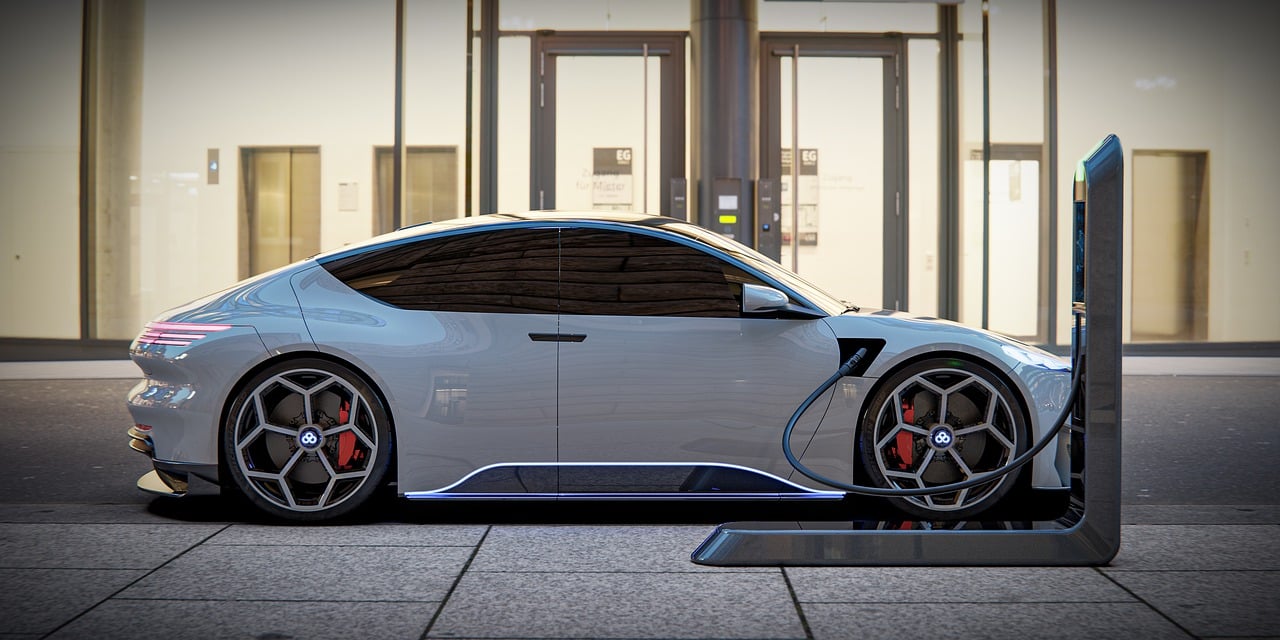
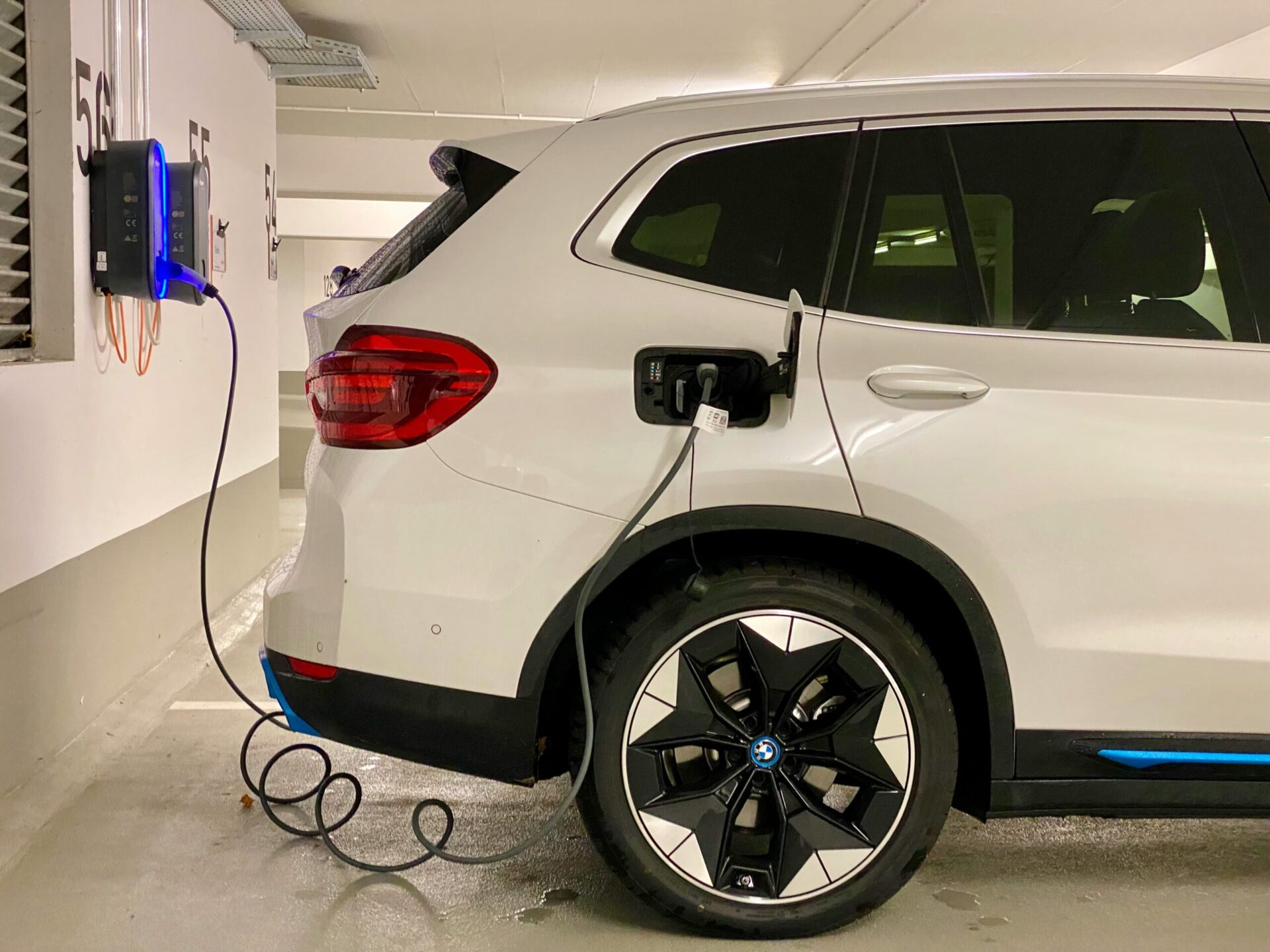
Electric vehicles depreciate the most of any segment, losing 57.2% after five years in iSeeCars’ 2026 data. This is driven by several factors: rapid technology improvements make older EVs feel outdated quickly, high original MSRPs set a steep starting point, battery health concerns reduce used buyer confidence, and the expiration or inconsistency of federal tax credits affects pricing in the used market.
However, not all EVs are equal. The Tesla Model 3 and Porsche Taycan depreciate less than the EV average, while the Nissan Leaf, Ford Mustang Mach-E, and Volkswagen ID.4 depreciate more. The Jaguar I-Pace holds the dubious distinction of being the single fastest-depreciating vehicle in iSeeCars’ study, losing 72.2% of its value after five years.
If you’re an EV owner concerned about battery health and how it affects resale value, understanding your vehicle’s fast-charging curve and how temperature impacts battery longevity can help you preserve your battery’s condition — which directly translates to better resale value.
Luxury vehicles lose an average of 48.1% after five years. Brands like BMW, Mercedes-Benz, Land Rover, and Audi consistently appear among the fastest-depreciating models. The Mercedes-Benz S-Class, BMW 7 Series, and Land Rover Range Rover are particularly poor performers. The core issue is a gap between high new-car pricing and what the used market is willing to pay for a vehicle whose technology and styling are no longer cutting-edge.
Large SUVs depreciate at 51.9%, reflecting their high original prices and the shifting market preference toward smaller, more efficient vehicles.
Brand-Level Depreciation: Who Wins and Who Loses
The brand on the badge matters enormously for long-term value. Kelley Blue Book’s 2025 analysis named Toyota and Lexus as the brands with the best overall resale value, a distinction both brands have held for years.
Here’s how some key brands stack up:
Toyota is the gold standard for value retention. The Tacoma, 4Runner, Corolla, and RAV4 consistently rank among the slowest-depreciating vehicles in their segments. Toyota’s reputation for reliability, conservative styling that ages well, and strong dealer network all contribute. If you buy a Toyota and sell it after five years, you’ll typically get back more of your investment than with almost any other mainstream brand.
Honda follows closely. The Civic, CR-V, and Accord all hold value well, driven by high reliability ratings and consistent demand. Honda’s vehicles may not be flashy, but they’re predictable — and the used market rewards predictability.
Hyundai has improved significantly. A decade ago, Hyundai was among the faster-depreciating brands. Today, models like the Tucson, Santa Fe, and Ioniq 5 have much stronger residual values, thanks to better quality, longer warranties (5-year/60,000-mile bumper-to-bumper, 10-year/100,000-mile powertrain), and growing brand perception.
Ford is mixed. The F-150 and Bronco hold value very well. The Mustang Mach-E and Explorer depreciate faster than average, partly due to heavy incentives on new models that pull down used prices.
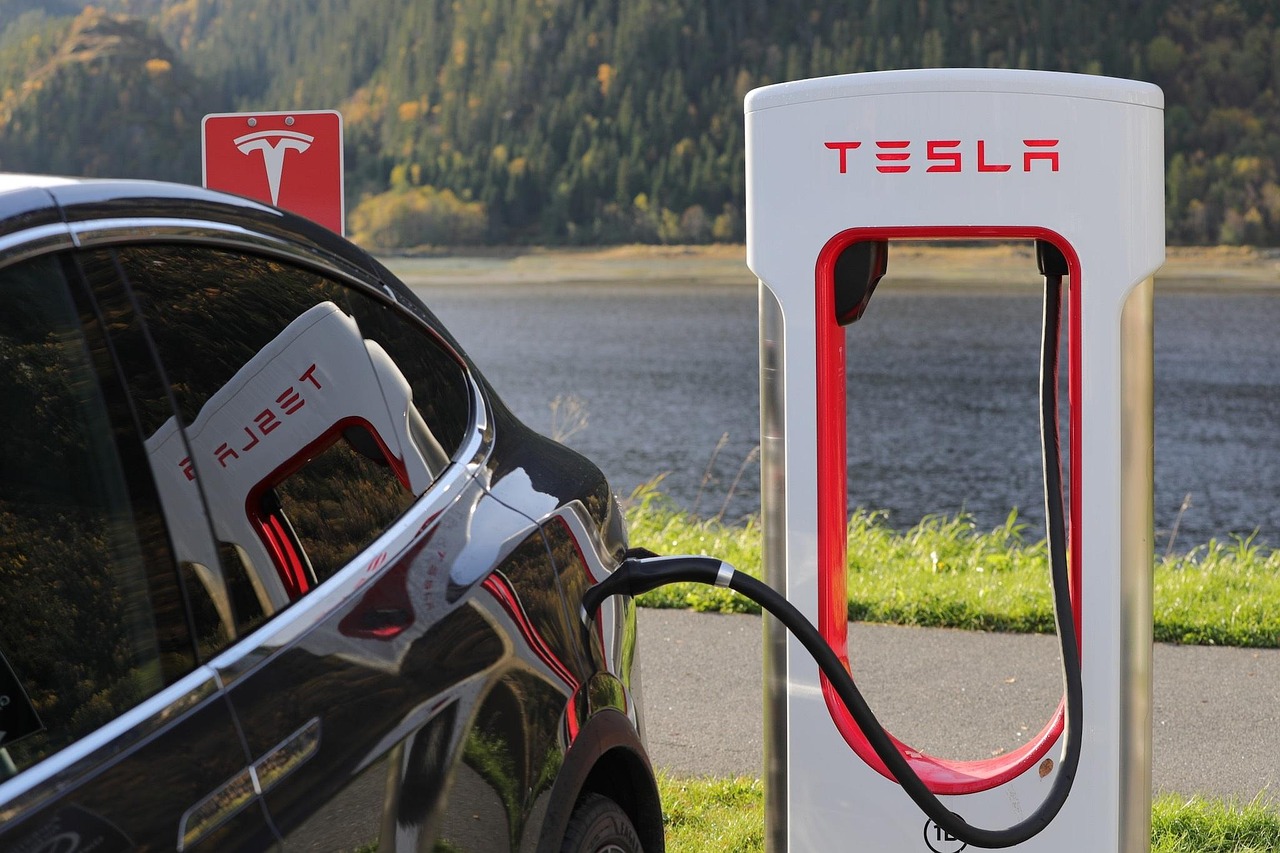
Tesla presents a complicated picture. Tesla vehicles have experienced significant depreciation in recent years, driven by aggressive price cuts on new models (which immediately reduce the value of existing vehicles on the used market) and increasing competition. The Model 3 holds its value better than most EVs, but the Model S and Model X depreciate steeply. U.S. News noted that Tesla’s pricing volatility makes it one of the harder brands to predict for resale value.
Rivian is too new to have robust 5-year depreciation data, but early indications show that the R1T and R1S are holding value relatively well for the EV segment, helped by limited supply, strong brand enthusiasm, and long warranty coverage (5-year vehicle, 8-year/175,000-mile battery).
BMW and Mercedes-Benz consistently rank among the fastest-depreciating mainstream luxury brands. The 5 Series, 7 Series, E-Class, and S-Class all lose significant value. Buyers who love these brands can actually benefit from this by purchasing certified pre-owned (CPO) models at two to three years old, capturing the quality without absorbing the steepest depreciation.
What Drives Depreciation? The Key Factors
Understanding why cars depreciate helps you make smarter buying and selling decisions.
Mileage is one of the strongest predictors. Americans drive an average of 13,476 miles per year, according to the Federal Highway Administration. Vehicles with significantly higher mileage depreciate faster because buyers perceive them as having less remaining useful life. Conversely, low-mileage vehicles command a premium on the used market.
Reliability reputation matters enormously. Brands and models known for expensive repairs — Land Rover, Jaguar, some European luxury models — depreciate faster because used buyers factor in the cost of ownership beyond the purchase price. Brands with reputations for low maintenance costs — Toyota, Honda, Subaru — retain more value.
New model redesigns can tank the value of the outgoing generation overnight. When a manufacturer launches a significantly updated version of a popular model, the previous generation immediately looks dated, and its resale value drops.
Market incentives on new vehicles have a cascading effect. When manufacturers offer large cash rebates or discounted financing on new models, it becomes harder for used versions of the same model to compete on price, pushing their values down. This is particularly relevant for EVs, where federal tax credits of up to $7,500 on new vehicles effectively reduce the new-car price, making used EVs comparatively less attractive.
The broader interest rate environment magnifies this effect — when rates are high, even modest manufacturer incentives can reshape segment-level depreciation. See our breakdown of how interest rates impact car loans for the current rate climate and what it means for new and used pricing.
Fuel prices influence segment-level depreciation. When gas prices spike, demand shifts toward hybrids and fuel-efficient cars, boosting their resale values. When gas is cheap, trucks and SUVs hold value better. This market sensitivity is one reason hybrids have been among the best value-retention segments in recent years — they hedge against fuel price uncertainty.
The 2026 Iran/Strait of Hormuz crisis has put this dynamic on full display — see our deep dive on how fuel prices affect car ownership for the current state of pump prices, segment-level impact, and what it means for buyers right now.
Condition and maintenance history are the factors you have the most direct control over. A well-documented service history, clean interior, and absence of body damage all support higher resale prices. Carfax notes that vehicles with complete service records and no accident history consistently command premiums in the used market.
The options you choose when buying also affect long-term value. See our guides to which factory-order options are worth it and how trim level selection impacts value for data-driven advice on this.
Regional origin also affects condition and therefore resale value — see our guide to used car reliability by region for the full picture on how climate and geography shape long-term value.
How to Beat the Depreciation Curve: Practical Strategies
You can’t avoid depreciation entirely, but you can minimize its financial impact with smart decisions at the time of purchase and throughout ownership.
Buy Vehicles That Hold Value
This is the simplest and most impactful strategy. Before purchasing any new car, research its projected 5-year depreciation using tools like Kelley Blue Book’s depreciation calculator, iSeeCars’ resale value rankings, or CarEdge’s depreciation calculator. Two vehicles with the same $40,000 sticker price can have dramatically different residual values five years later — one might retain $22,000 while the other retains only $14,000. That $8,000 difference is real money.
Buy Slightly Used (1–3 Years Old)
The most effective way to beat depreciation is to let someone else absorb the steepest part of the curve. A certified pre-owned vehicle that’s one to three years old has already lost 20–40% of its value but typically has plenty of life and warranty coverage remaining. You get a nearly new vehicle at a significant discount, and your own depreciation going forward will be much more gradual.
Maintain Your Vehicle Meticulously
Keep up with every scheduled service and keep records. Avoid modifications that narrow the pool of potential buyers (aftermarket wheels, loud exhaust, aggressive tint). Keep the interior clean. These small habits can add thousands to your resale value when it’s time to sell.
Watch Your Mileage
If you drive significantly more than the national average of 13,500 miles per year, your vehicle will depreciate faster. If you have the option to spread driving across two vehicles or use alternative transportation for some commuting, it can pay off in long-term value retention.
Sell Strategically
Timing matters. Selling a convertible in spring, a 4WD truck before winter, or any vehicle before a major model redesign can help you capture higher prices. Private party sales also yield significantly more than dealer trade-ins — typically 15–25% more, according to Kelley Blue Book — though they require more effort.
The same timing logic applies in reverse when buying. See our guide to how seasonality affects used car prices for the monthly buying calendar — January and February consistently produce the strongest deals, while spring and early summer are the worst times to buy.
Negotiate the Purchase Price
The less you pay for a new vehicle, the less you lose to depreciation in absolute dollar terms. A $3,000 discount on the purchase price means $3,000 less in total depreciation over your ownership period. Never pay full MSRP without exploring available incentives, dealer holdback, or competitive offers.
The way you finance the purchase matters as much as the price you pay. See our breakdown of how loan terms affect total cost of ownership — APR, term length, and lender choice can swing the lifetime cost of the same vehicle by $10,000 or more.
Your trade-in equity position shapes that math even more — see our deep dive on how trade-in equity affects loan decisions for how positive vs. negative equity at the trade-in stage can add or subtract thousands from your next loan’s principal, with the average underwater trade-in now adding over $7,000!
Conclusion
Depreciation is the quiet financial force that erodes the value of every new car purchase. The average vehicle loses 20% in year one, 40% by year three, and roughly 55–60% by year five. But the gap between the best and worst performers is staggering — a Toyota Tacoma retains nearly twice the percentage value of a Nissan Leaf or BMW 7 Series over the same period.
The key to managing depreciation isn’t avoiding it (you can’t) — it’s understanding the curve and making decisions that work with it rather than against it. Buy vehicles known for value retention. Consider certified pre-owned. Maintain your car carefully. And always factor depreciation into your total cost of ownership — not just the sticker price and monthly payment.
The car you buy is not just a means of transportation. It’s a depreciating asset, and treating it with that financial awareness will save you thousands over your ownership period.
Sources and Further Reading
DVGA — 2025 Car Value and Depreciation Overviewt.
iSeeCars — Top 25 Cars That Hold Their Value Best and Worst (2026)
iSeeCars — Best Resale Value Cars
Kelley Blue Book — How to Beat Car Depreciation
Kelley Blue Book — Car Depreciation Calculator
Carfax — Car Depreciation: How Much Value Does a Car Lose Per Year?
Experian — How Much Do Cars Depreciate Per Year?
LendingTree — Car Depreciation: How Much Is My Car Worth?




















Leave a Reply
You must be logged in to post a comment.