














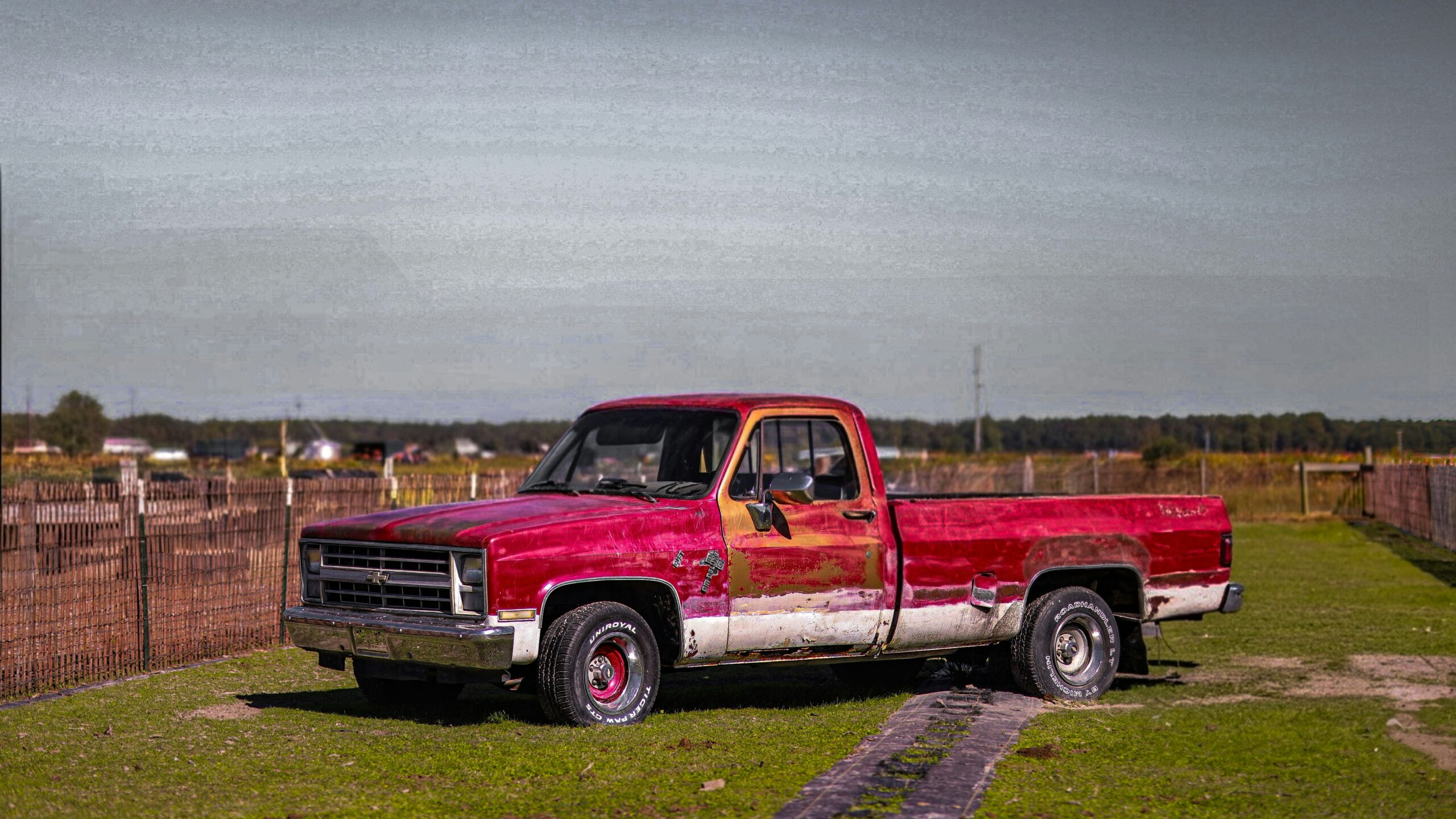





The average age of passenger vehicles on U.S. roads is now approximately 12.8 years, according to S&P Global Mobility data — the highest in history. People are keeping their cars longer because new car prices have soared and interest rates remain elevated. In many cases, that’s a smart financial decision. But it comes with a catch: the costs of owning an older vehicle are real, and they don’t show up on a sticker price.
Most drivers think about fuel, insurance, and car payments when budgeting for their vehicle. What they often miss are the hidden costs that sneak up on older cars — the $800 repair here, the $2,400 repair there, the slow erosion of resale value, the higher insurance premiums on cars without modern safety tech. Over a few years, these can add up to thousands of dollars that could have been invested in a newer, more reliable vehicle.
This guide breaks down the real data on older vehicle ownership so you can make an informed decision about whether to keep driving your current car or start planning for a replacement.
How Maintenance Costs Actually Scale With Vehicle Age

The most important reality of older vehicle ownership is that maintenance and repair costs don’t rise linearly — they accelerate. According to AAA’s 2024 Driving Costs data, the average driver spends approximately 10 cents per mile on maintenance, repairs, and tires.
AAA’s 2025 update put total annual ownership cost (including maintenance, fuel, insurance, depreciation, and finance) at $11,577 for the average new vehicle — see our pillar guide on total cost of ownership beyond the purchase price for the full breakdown of where that money goes. At 13,476 miles per year (the U.S. average per the Federal Highway Administration), that works out to about $1,330 annually on average.
AAA’s 2025 update put total annual ownership cost (including maintenance, fuel, insurance, depreciation, and finance) at $11,577 for the average new vehicle — see our pillar guide on total cost of ownership beyond the purchase price for the full breakdown of where that money goes.
But that average masks huge variation by age:
Years 1–3 are typically very cheap. Most new vehicles come with complimentary maintenance programs covering oil changes and basic service. Repairs are rare because components haven’t worn out yet. You’ll likely spend under $500 per year total.
Years 4–6 see costs rise as warranties expire and wear items start requiring replacement — brake pads, tires, battery, some sensors. Annual costs typically land in the $700–$1,100 range.
Years 7–10 are where the curve steepens noticeably. Major wear items like timing belts, water pumps, suspension components, and transmission services start coming due. Consumer Reports’ 2025 Annual Auto Survey found that maintenance costs typically double between years 5 and 10.
Years 10–15 are where many owners face the toughest decision. Annual costs routinely exceed $1,500 per year for mainstream vehicles — and significantly more for luxury brands. This is where the “is it worth keeping?” question becomes urgent.
Years 15+ enter high-cost territory where a single major repair (engine, transmission, EV battery) can exceed the vehicle’s total market value.
The key insight: by year 10, you’re often spending more on maintenance each year than a newer used vehicle would cost in depreciation. That’s the crossover point most owners don’t recognize until after they’ve already put thousands into repairs.
Brand Choice Makes a Massive Difference

Not all older vehicles cost the same to own. The Consumer Reports 2025 Annual Auto Survey found that the 10-year cumulative maintenance cost of a Mercedes-Benz is more than double that of a Lincoln or Buick. Between the cheapest and most expensive brands, the gap can exceed $10,000 over a decade.
The Cheapest Brands to Maintain Long-Term
Buick and Lincoln top the list, which surprises many buyers. Both are American brands with relatively simple mechanical designs and widely available parts. They benefit from being related to Chevrolet and Ford platforms, which means shared components and lower parts prices.
Toyota, Lexus, and Honda make up the next tier. These brands are legendary for a reason — their engineering prioritizes longevity, their parts are produced in massive volumes (which keeps prices down), and their designs tend to be mechanically conservative. A 15-year-old Toyota Corolla or Honda Accord with documented maintenance is often still running strong.
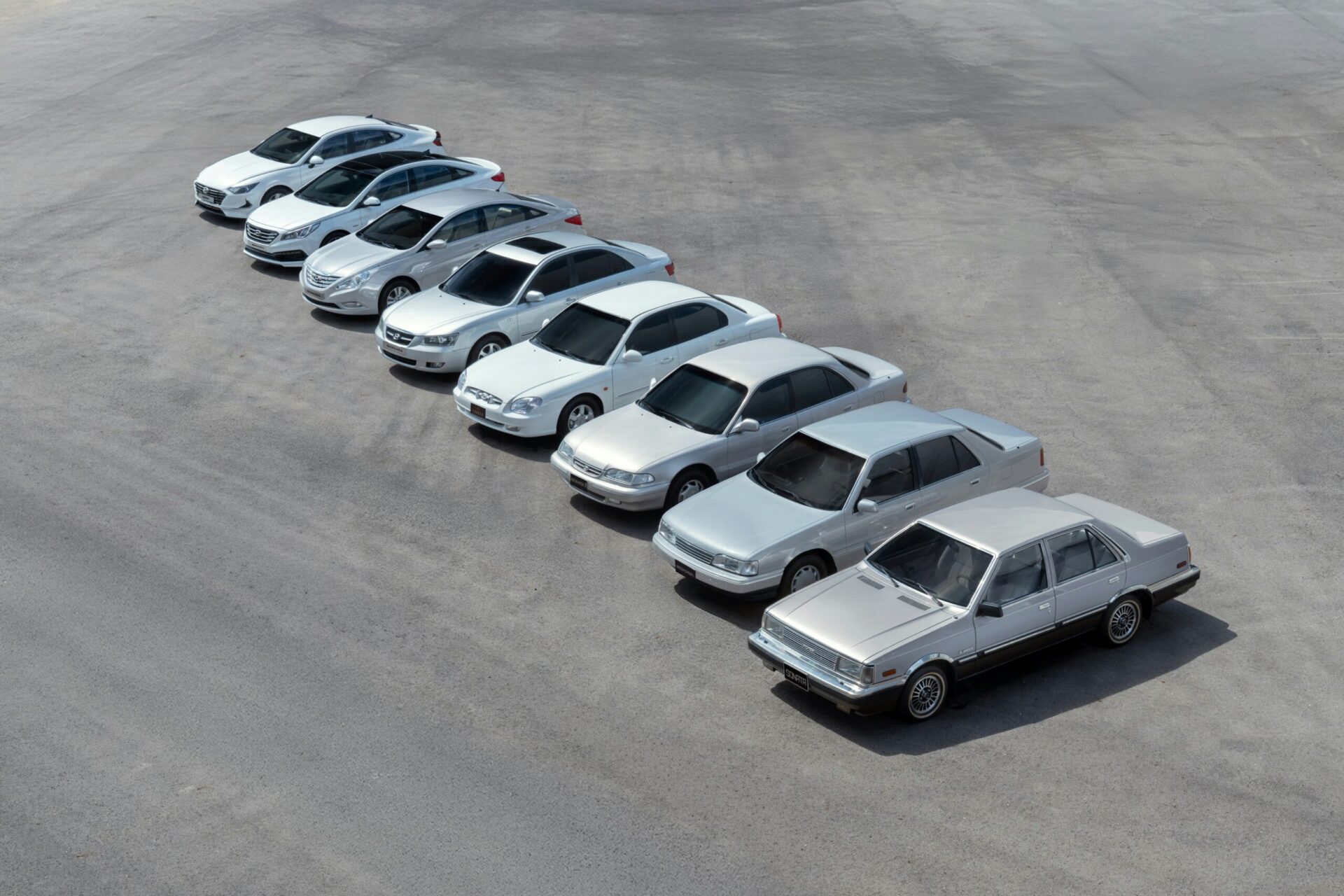
Hyundai and Kia have closed the gap significantly in the past decade. Their 10-year/100,000-mile powertrain warranties take the sting out of the most expensive potential repairs, and their long-term maintenance costs now approach Toyota/Honda territory.
The Most Expensive Brands to Maintain Long-Term
Mercedes-Benz, Porsche, and Land Rover top the list at the opposite end. These vehicles are engineered for performance and luxury, not longevity. They use complex proprietary parts, require specialized tools and training for service, and often need repairs that cost multiples of what comparable repairs cost on mainstream brands.
BMW and Audi aren’t far behind. A 10-year-old BMW 5 Series can cost $2,500+ per year to maintain once warranties expire, driven by things like oil leaks, cooling system failures, and electronic control module issues.
Where Tesla Fits
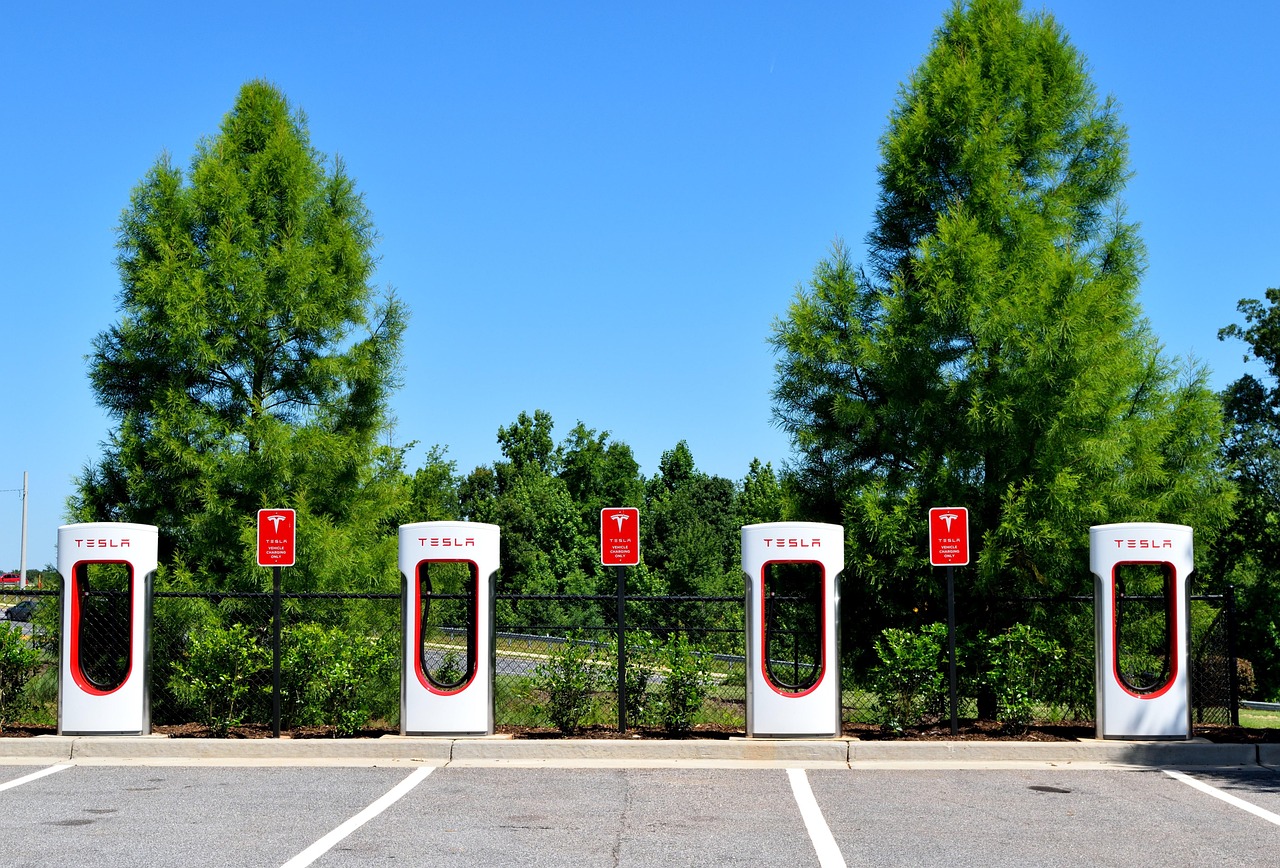
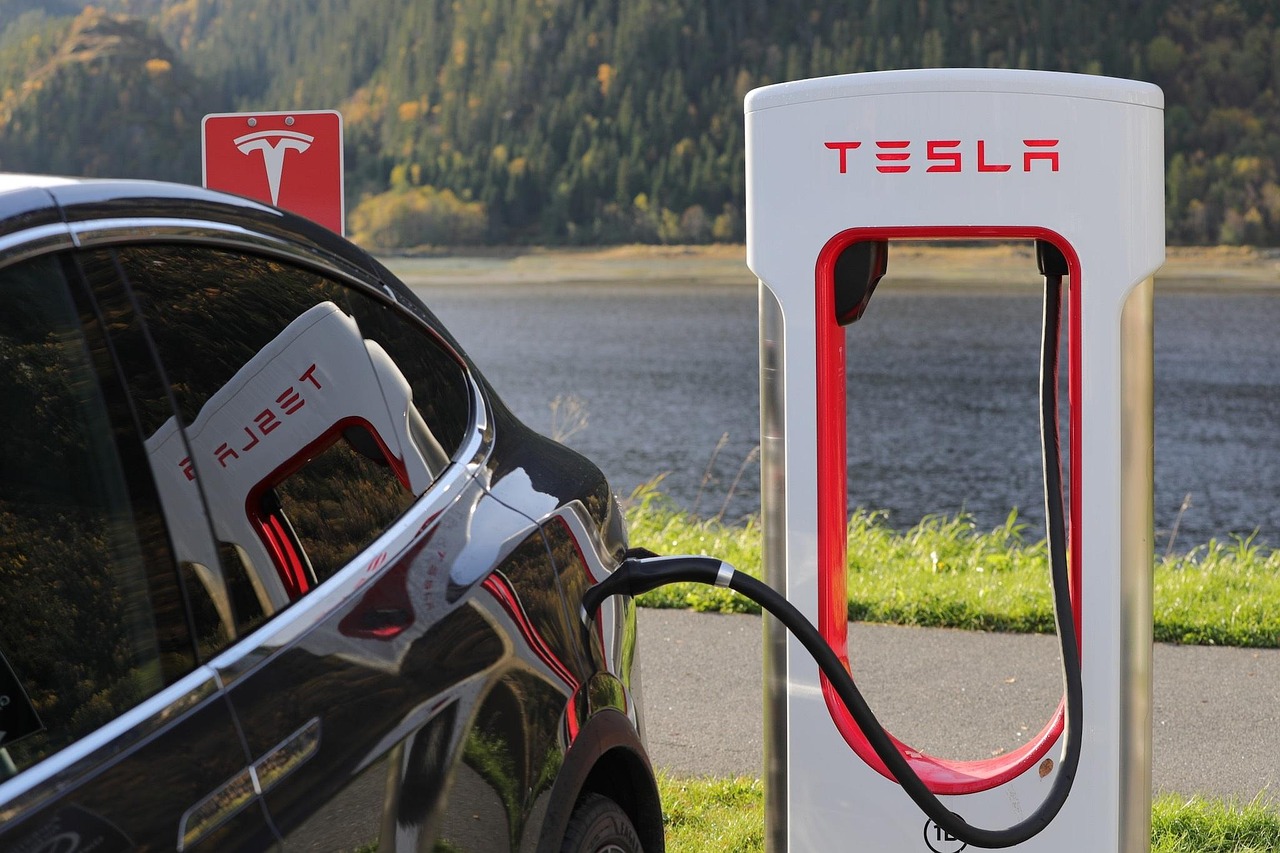
Tesla occupies a unique position. Routine maintenance costs are low — no oil changes, fewer moving parts, regenerative braking that reduces brake wear. Many Tesla owners report yearly maintenance costs under $500 for the first 5–7 years. But when something major does fail on an older Tesla, costs can be eye-watering. EV battery replacement on a Tesla Model S can run $15,000–$20,000 on vehicles beyond warranty, and out-of-warranty drive unit replacements can exceed $5,000. The repair network is also more limited than legacy brands, especially outside major metropolitan areas.
Tesla’s long-term cost profile is bimodal — very low for most owners, but catastrophically high for the small percentage who experience major component failures. Buyers considering an older Tesla should factor this risk into their decision and, where possible, verify battery health history.
The Hidden Costs Most Owners Don’t See Coming
Beyond routine maintenance, older vehicles carry several less-obvious costs that can significantly impact your wallet.
Major Repair Events

A single major failure on an older vehicle can exceed the car’s total market value. According to ConsumerAffairs 2026 data, here’s what to expect:
Engine replacement costs $4,000–$10,000 or more. On turbocharged or high-performance engines, the cost can be significantly higher.
Transmission rebuild or replacement runs $2,900–$7,100 for most mainstream vehicles. CVT transmissions (common in Nissan, Subaru, and some Honda models) tend to be at the higher end of this range.
EV battery replacement is the elephant in the room for older electric vehicles. Depending on the model, replacement costs range from $4,000 for smaller hybrid batteries up to $18,000 for large EV packs. Battery warranties (typically 8 years or 100,000 miles) protect early owners, but second and third owners of older EVs are increasingly facing this reality.
Catalytic converter replacement has become a major expense due to theft as well as wear — $800–$2,500 is typical, and some vehicles with multiple converters can exceed $3,000.
Timing belt + water pump service is a critical scheduled repair on many vehicles at 60,000–100,000 miles. Skipping it can result in catastrophic engine failure. Cost: $600–$1,500.
Full suspension rebuild (struts, shocks, bushings, control arms) commonly runs $1,500–$4,000 on vehicles with 100,000+ miles.
These aren’t “if” repairs — on a vehicle over 10 years old with high miles, they become a question of “when.”
Rust and Corrosion
Rust is a silent killer, particularly in regions with road salt. A rust-compromised frame on a truck or SUV can cost $3,000–$6,000 to repair — and in severe cases, the vehicle is declared a structural total loss. Regular washing (including the undercarriage), waxing, and touching up paint chips early can significantly delay this damage, but it can’t be avoided forever on vehicles driven in winter states.
Where a car spent its life matters enormously for rust exposure. See our guide to used car reliability by region for a breakdown of which regions produce the best used vehicles and how to verify a car’s true regional history.
Higher Insurance Premiums (Sometimes)
Insurance on older vehicles is a nuanced topic. On one hand, collision and comprehensive coverage becomes less valuable as the car depreciates — you’re insuring a smaller potential payout. On the other hand, liability and medical coverage premiums may actually rise because older vehicles lack the advanced safety features (AEB, blind-spot monitoring, lane-keeping) that insurers factor into their risk calculations.
Many owners of vehicles over 10 years old drop collision coverage entirely once the car’s market value drops below $3,000–$5,000. This can save $400–$800 per year but means you absorb any accident costs yourself.
Fuel Economy Gap
Older vehicles are often significantly less fuel-efficient than modern equivalents. A 2010-era SUV might average 20 mpg while a 2025 equivalent gets 30 mpg. At 12,000 miles per year and $3.50/gallon gas, that’s a difference of approximately $700 per year in fuel costs alone.
For EVs, the efficiency gap is even more pronounced. A 2018-era EV might achieve 3.0 miles/kWh while a 2025 EV achieves 4.0+ miles/kWh — a 25% efficiency improvement that translates directly to lower electricity costs and more usable range.
Depreciation Continues
One common misconception is that older vehicles “stop depreciating.” That’s not quite true. While the rate of depreciation slows significantly after year 5, older vehicles continue to lose value — and they lose more value every year they accumulate additional miles and wear. A 10-year-old car with 150,000 miles is worth significantly less than a 10-year-old car with 80,000 miles, even accounting for age alone.
When Keeping the Older Car Still Makes Sense
Despite these costs, keeping an older vehicle is often financially sound — particularly if the vehicle is reliable, paid off, and still meets your needs.
The math is straightforward: even if you spend $2,000 per year on maintenance, that’s often less than what you’d spend on depreciation, higher insurance, and financing charges on a newer vehicle. A $500 monthly car payment is $6,000 per year, before insurance and other costs. Against that backdrop, $2,000 in repairs is a bargain.
Keep the older car if:
- It’s a reliable brand (Toyota, Honda, Lexus, Hyundai) with documented maintenance history
- You’ve avoided major component failures (engine, transmission)
- Annual repair costs stay below $2,000
- The vehicle still has functional safety features and acceptable fuel economy
- You don’t have dependents relying on you not to break down
- You have emergency fund buffer to absorb a surprise $3,000 repair without financial distress
When It’s Time to Replace
The signal to replace isn’t a single number — it’s a pattern. Consider replacement when:
Annual repair costs exceed $2,000–$3,000 for two consecutive years. At this point, you’re paying monthly car-payment amounts without building any equity.
A major repair approaches or exceeds the vehicle’s market value. If your car is worth $4,000 and needs a $3,500 transmission, the economics rarely favor repair.
The vehicle has become unreliable. If you’re missing work or canceling plans due to breakdowns, the hidden cost of unreliability (lost income, stress, safety risk) becomes enormous.
It lacks essential safety features. Vehicles without electronic stability control, modern airbags, or basic collision-avoidance technology increasingly show their age in both crash safety ratings and insurance premiums.
Parts availability becomes a problem. For vehicles 20+ years old or models that had low production volumes, finding parts can become time-consuming and expensive.
When you do decide to replace, it’s worth thinking carefully about your next vehicle’s trim level and factory options to ensure you’re buying something designed for long-term value, not just short-term appeal. Timing the purchase matters too — used car prices follow a predictable seasonal cycle that can swing prices by thousands. See our guide to how seasonality affects used car prices before you start shopping. And if you’re considering a newer model that just launched, understand that first-year models come with their own risks.
Your trade-in equity position will also shape what you can afford and what loan terms you’ll be offered — see our breakdown of how trade-in equity affects loan decisions before stepping onto a dealer lot.
The financing structure of your replacement vehicle is just as important — see our guide to how loan terms affect total cost of ownership for how APR, loan length, and lender choice shape the true cost of the next car.
Practical Strategies to Minimize Older Vehicle Costs
Find a trusted independent mechanic. Dealership service departments typically charge 30–50% more than independent shops for the same work. A good independent mechanic who knows your vehicle is one of the most valuable relationships an older-vehicle owner can have.
Prioritize preventive maintenance over reactive repair. The $200 you spend on a timing belt service every 100,000 miles prevents the $8,000 engine replacement that happens when it breaks.
Keep detailed maintenance records. This protects you from unnecessary repairs (a mechanic claiming you need something you just had done) and improves resale value when it’s time to sell.
Build a repair savings fund. Set aside $100–$150 per month specifically for vehicle repairs. This turns a surprise $2,000 repair into a non-event instead of a financial crisis.
Consider extended warranties only from the manufacturer, not third parties. Third-party extended warranties frequently contain exclusions that render them nearly worthless. If you want coverage on an older vehicle, buy it directly from the automaker while still eligible.
Learn simple DIY maintenance. Oil changes, air filter replacement, wiper blades, and battery swaps are all within reach for most owners. This can save $500–$800 per year.
Conclusion
The hidden costs of owning an older vehicle are real, but they’re manageable with awareness and planning. The data tells a clear story: maintenance and repair costs rise sharply after year 7, brand choice creates thousands of dollars in cost variation over a decade, and major repairs can reach levels that force difficult decisions.
The smart approach isn’t to fear older vehicles — it’s to go in with eyes open. Know which brands have long-term cost advantages. Budget for the repairs that will inevitably come. Build a relationship with a trusted mechanic. And recognize the moment when continuing to repair the old car becomes worse economics than replacing it.
An older vehicle that’s well-maintained and from a reliable brand can be one of the most financially rational cars you’ll ever own. An older vehicle you’re constantly patching together from a brand known for expensive repairs is one of the worst.
Sources and Further Reading
- Consumer Reports — Car Brands Ranked by Maintenance and Repair Costs Over Time
- AAA — What Does It Cost to Own and Operate a Car
- AAA — The Facts About Car Repair and Maintenance Costs
- ConsumerAffairs — Average Car Maintenance Costs 2026
- Experian — How to Budget for Car Maintenance and Repairs
- MoneyGeek — Average Cost of Car Maintenance
- Insurify — Car Maintenance Costs in 2026
- Kelley Blue Book — Car Depreciation





















Leave a Reply
You must be logged in to post a comment.