





















As electric vehicles (EVs) continue to gain popularity, many car owners are curious about the insurance implications of switching to an eco-friendly ride. While EVs share some similarities with traditional gasoline vehicles, their unique characteristics and features affect their insurance cost structures in distinct ways. In this article, we’ll delve into the key factors that contribute to the differences in insurance costs between EVs and gasoline vehicles, helping you make an informed decision about your next car purchase.
Factor 1: Higher Vehicle Value
One of the primary reasons EVs have different insurance cost structures is their higher vehicle value. Electric vehicles are typically more expensive than their gasoline counterparts, which means they require more comprehensive coverage to protect the owner’s investment. For example, the Tesla Model 3, a popular EV, starts at around $35,000, while the comparable Toyota Camry, a gasoline-powered sedan, begins at around $24,000. The higher value of EVs translates to higher insurance premiums, as insurers need to account for the increased cost of repairs or replacement.
Factor 2: Advanced Technology and Safety Features
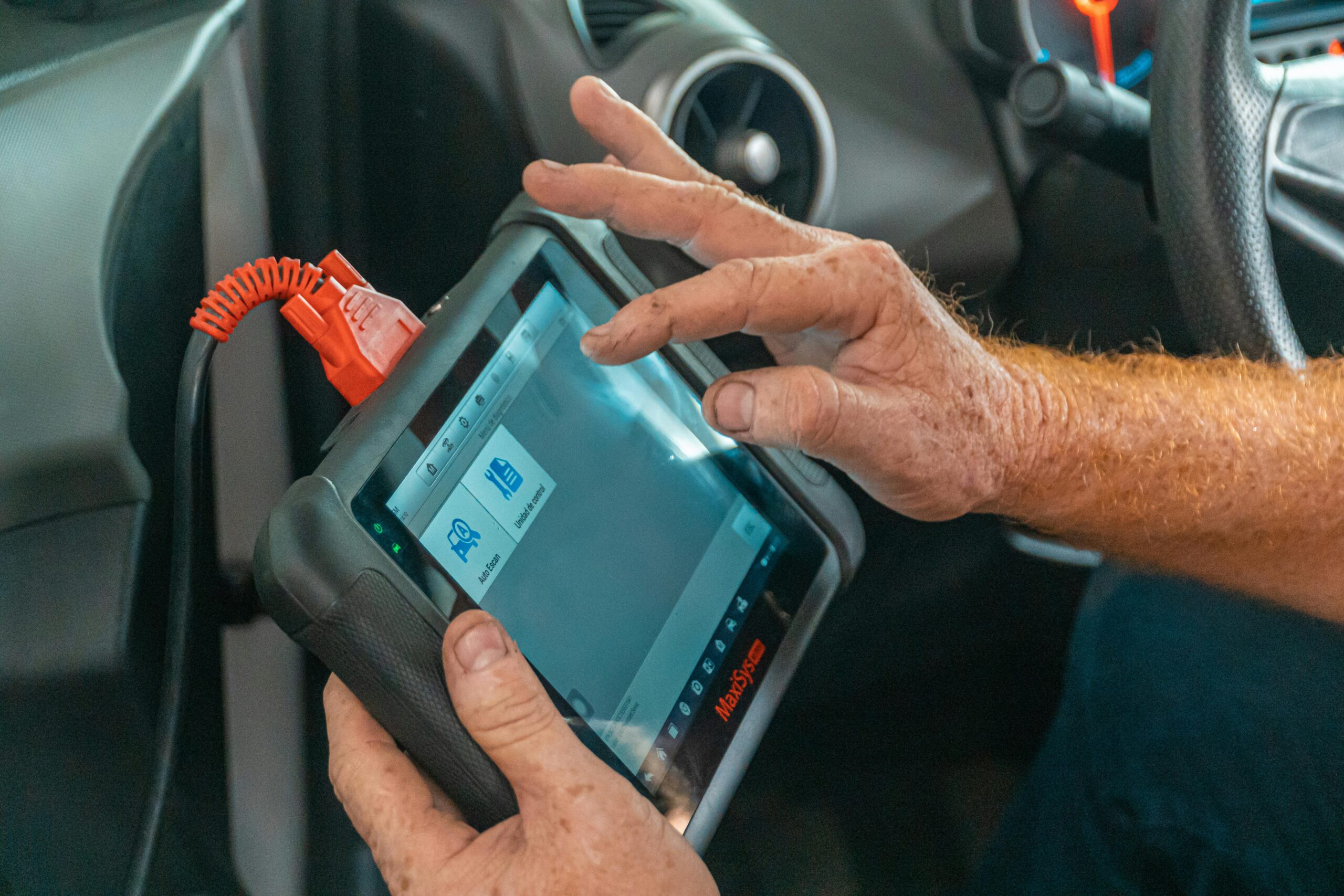
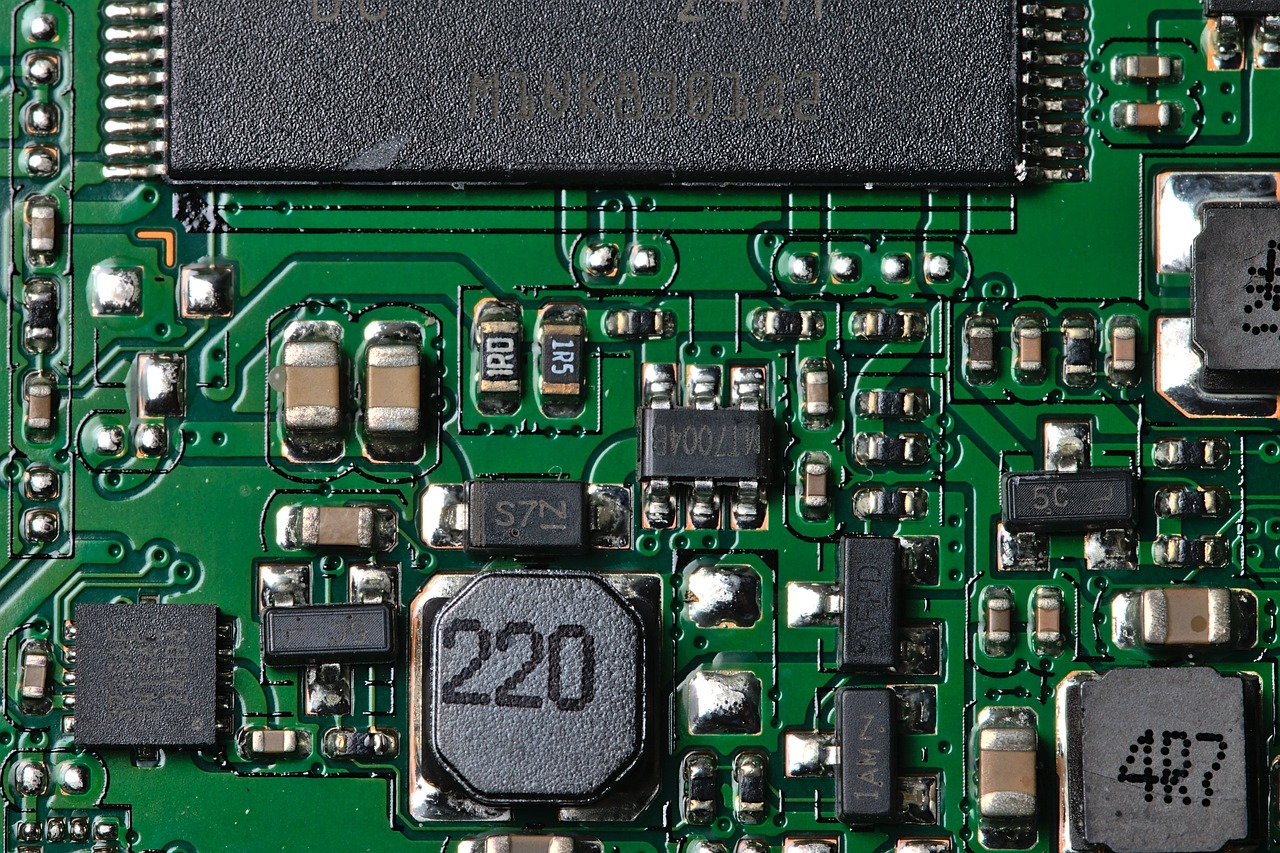
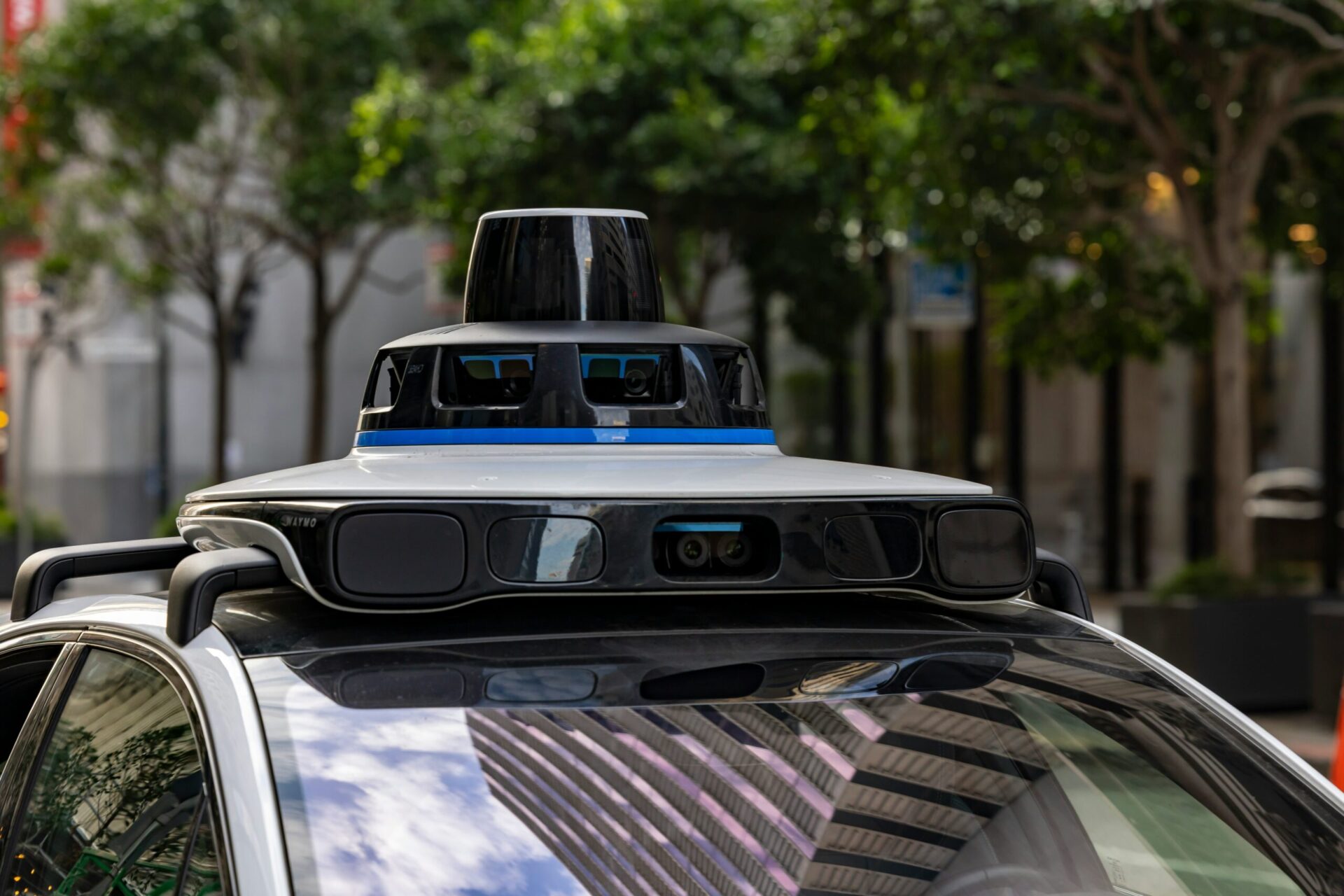
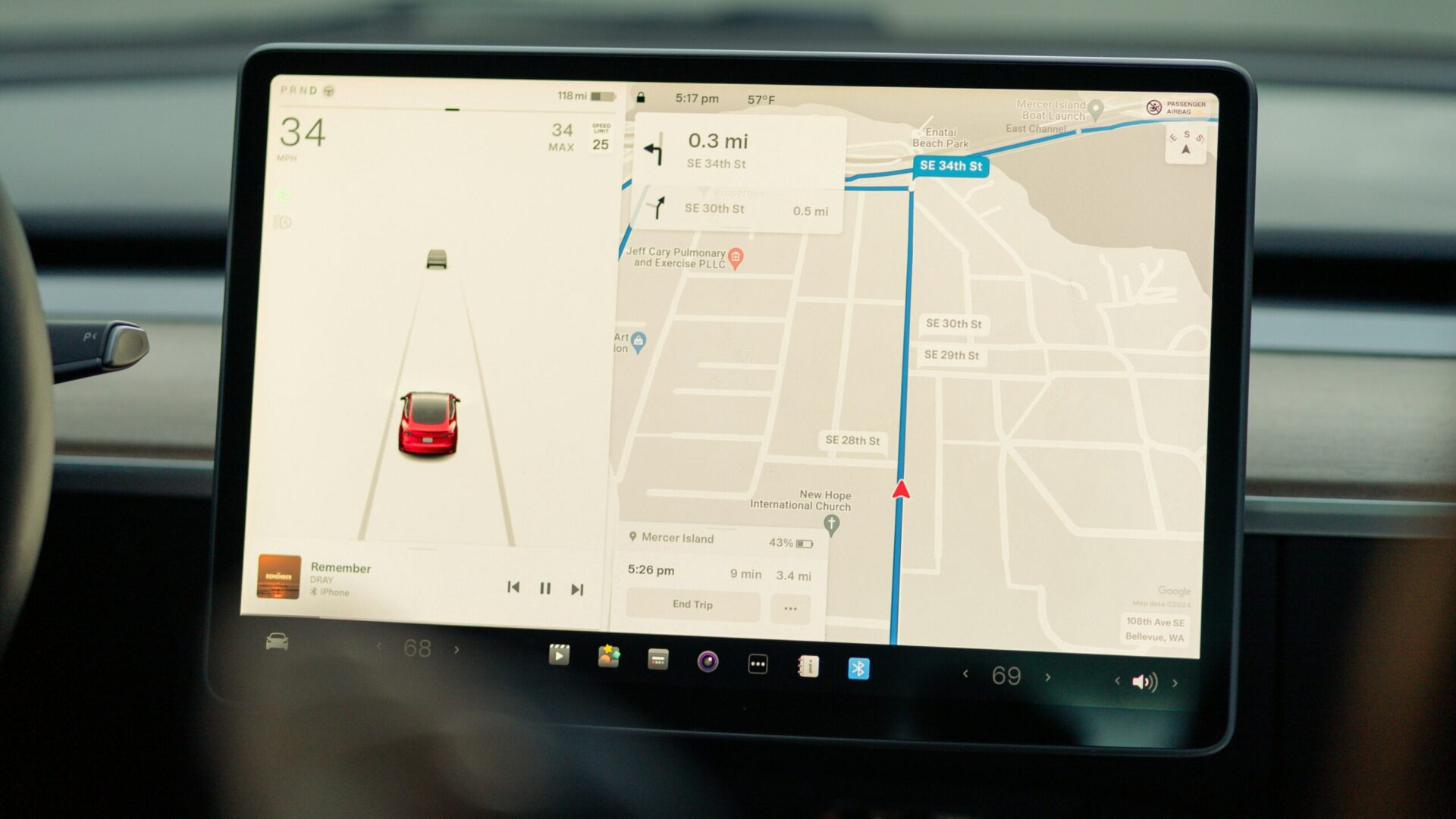
EVs often come equipped with advanced technology and safety features, such as regenerative braking, lane departure warning systems, and blind-spot detection. While these features enhance the driving experience and reduce the risk of accidents, they also increase the cost of repairs. Insurers factor in the higher cost of replacing or repairing these advanced systems, leading to higher premiums for EV owners.
Factor 3: Limited Repair Network and Higher Labor Costs
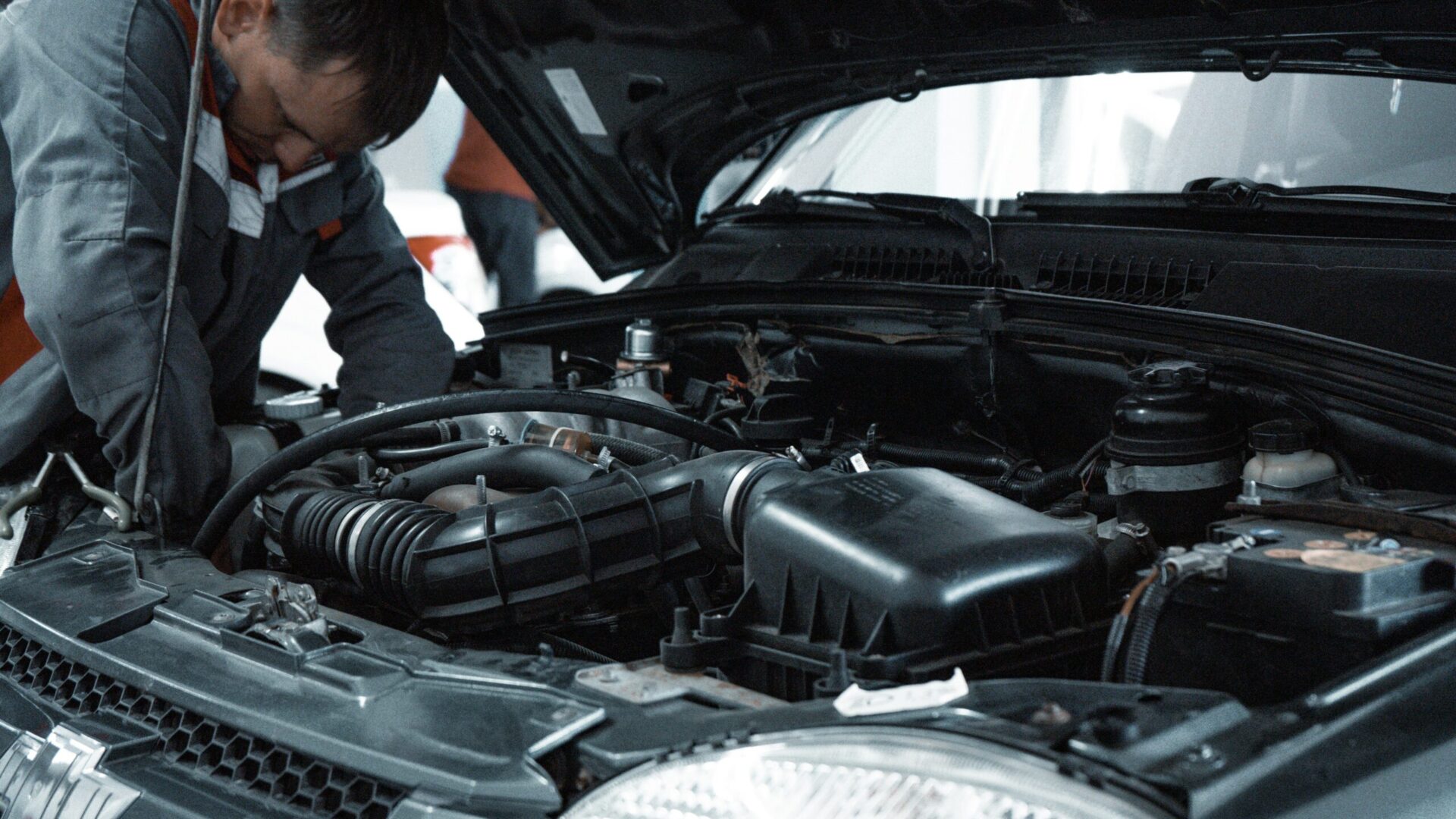
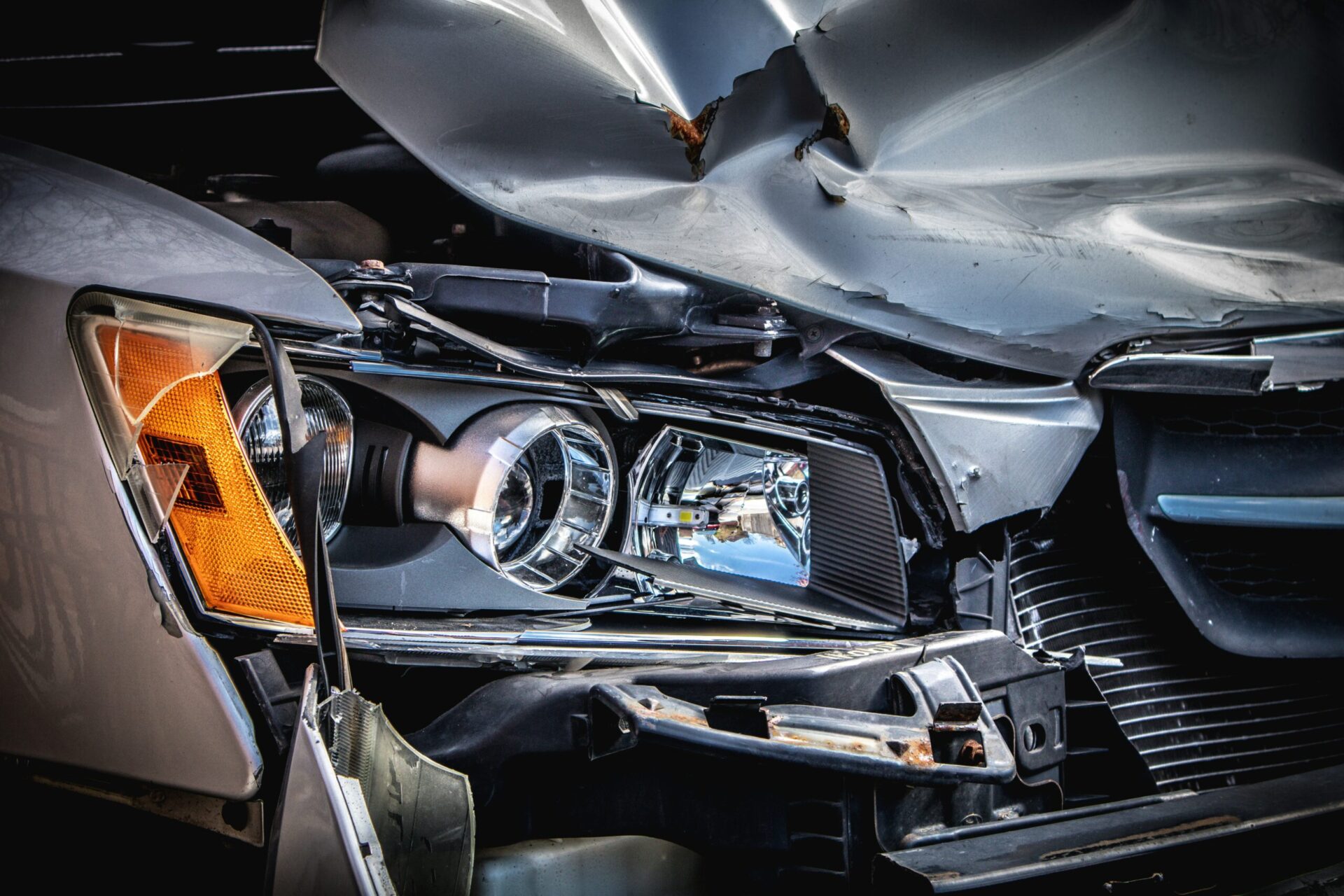
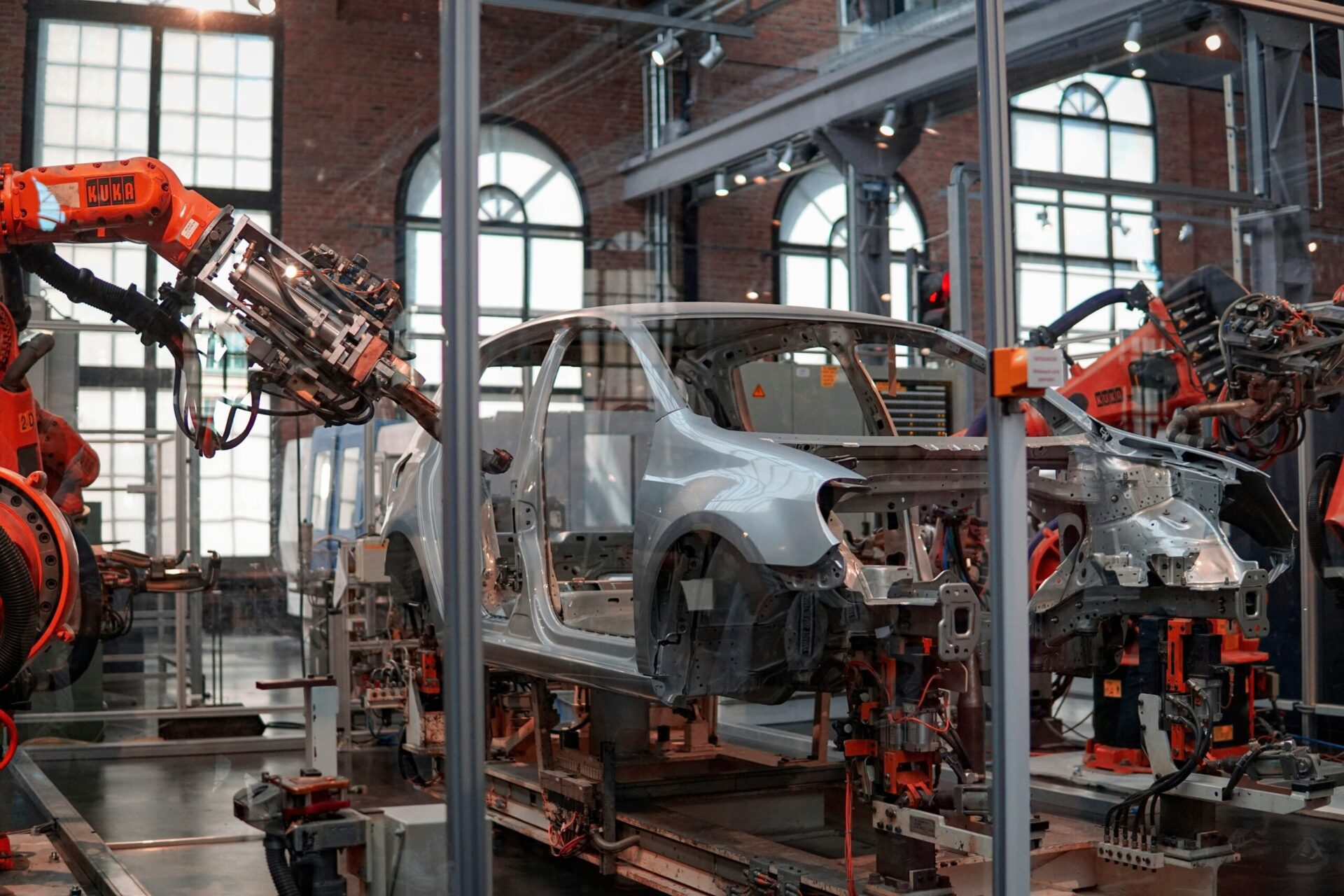
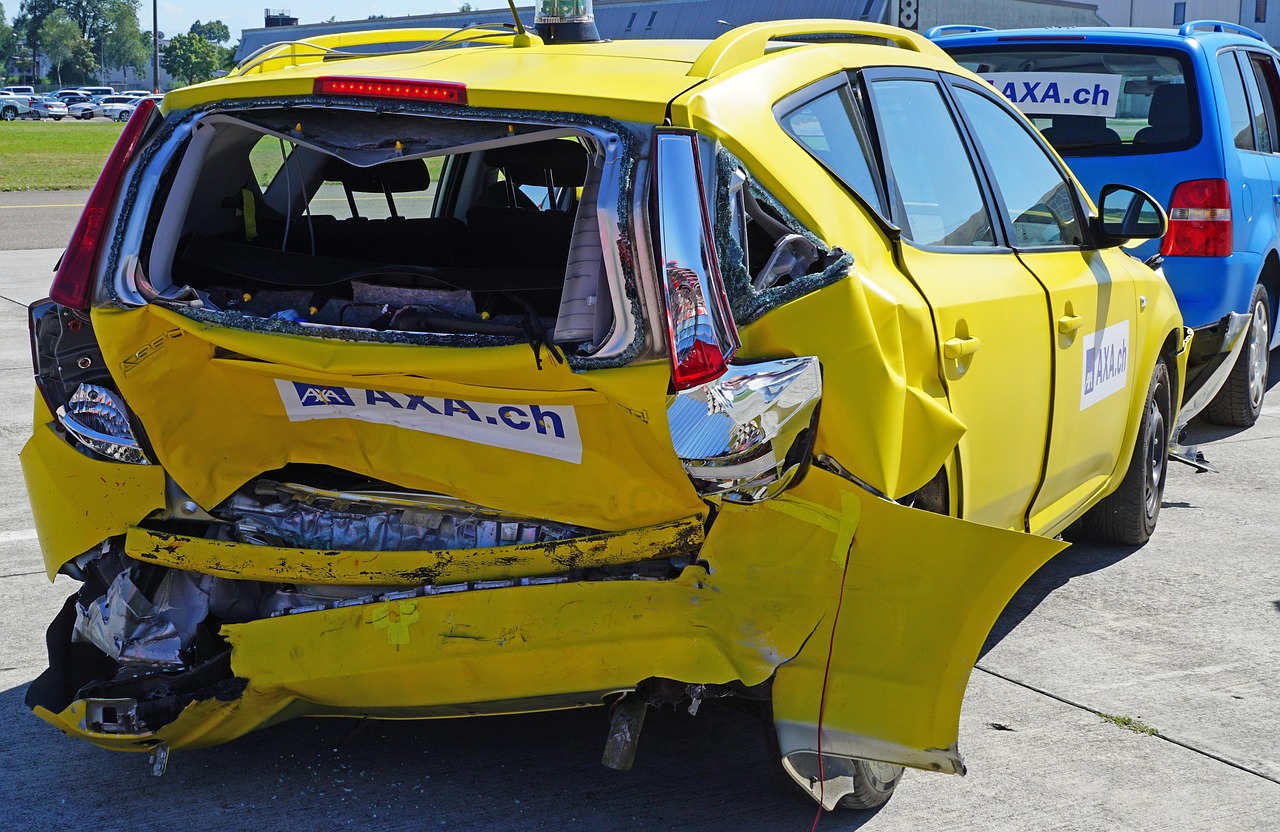
Unlike traditional gasoline vehicles, EVs require specialized knowledge and equipment for repairs. This limited repair network means that insurers may need to pay more for labor costs, as technicians with EV expertise are in higher demand. Additionally, the unique electrical architecture of EVs can make repairs more complex and time-consuming, driving up costs. As a result, insurers pass these increased costs on to EV owners in the form of higher premiums.
Factor 4: Battery Replacement and Degradation
Electric vehicles rely on advanced battery technology, which is a critical component of the vehicle’s overall value. However, battery degradation over time can reduce the vehicle’s range and overall performance. Insurers must account for the potential cost of battery replacement, which can be expensive. This added risk is reflected in higher insurance premiums for EV owners.
Factor 5: Charging Infrastructure and Home Charging Risks
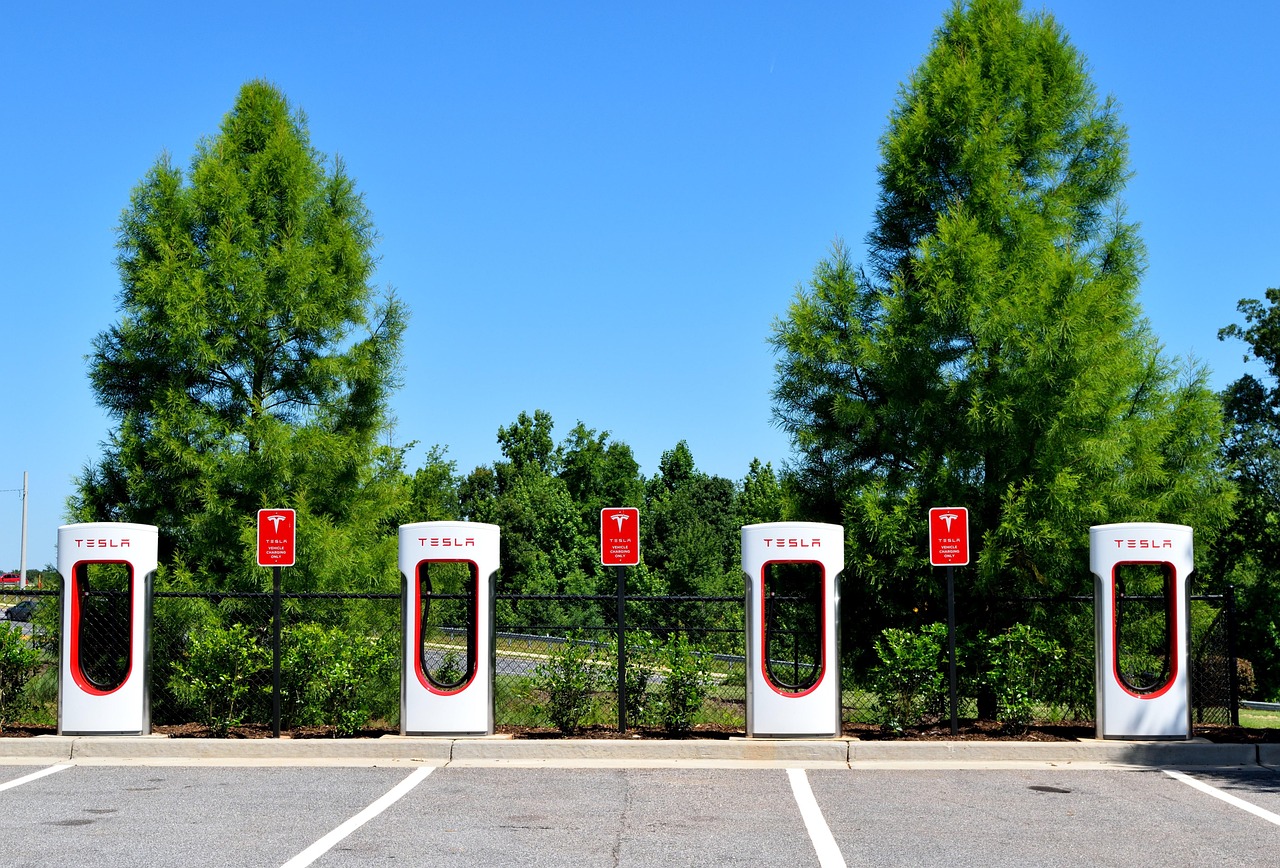
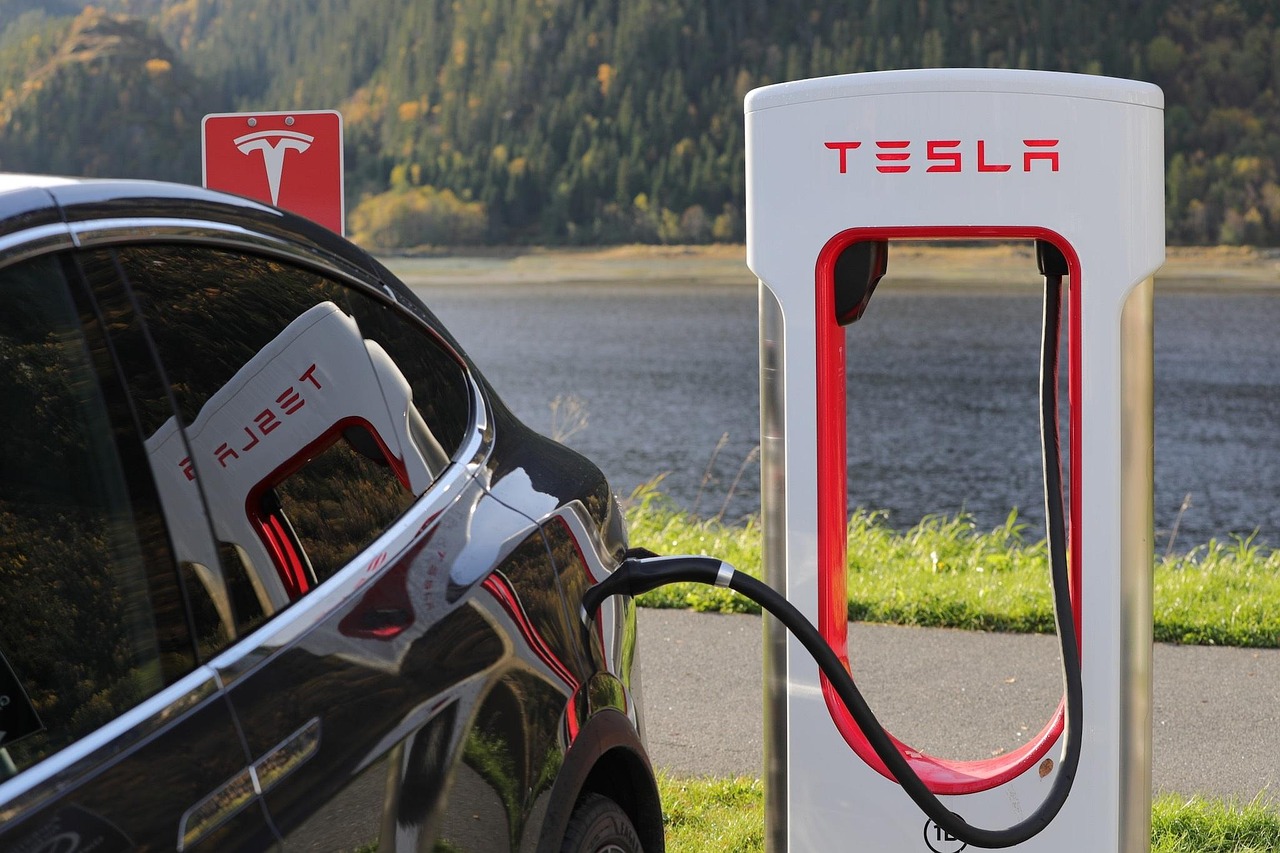
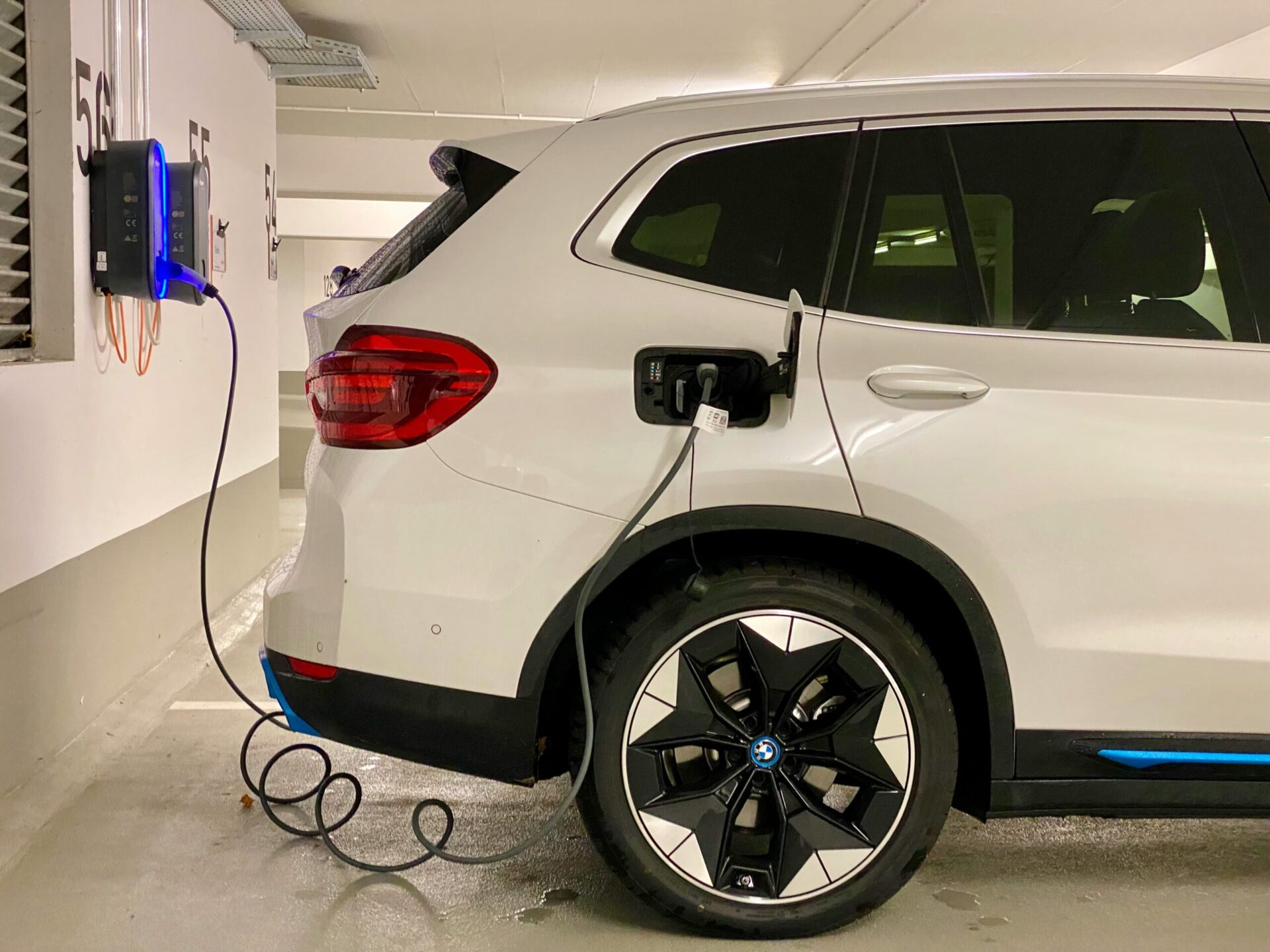
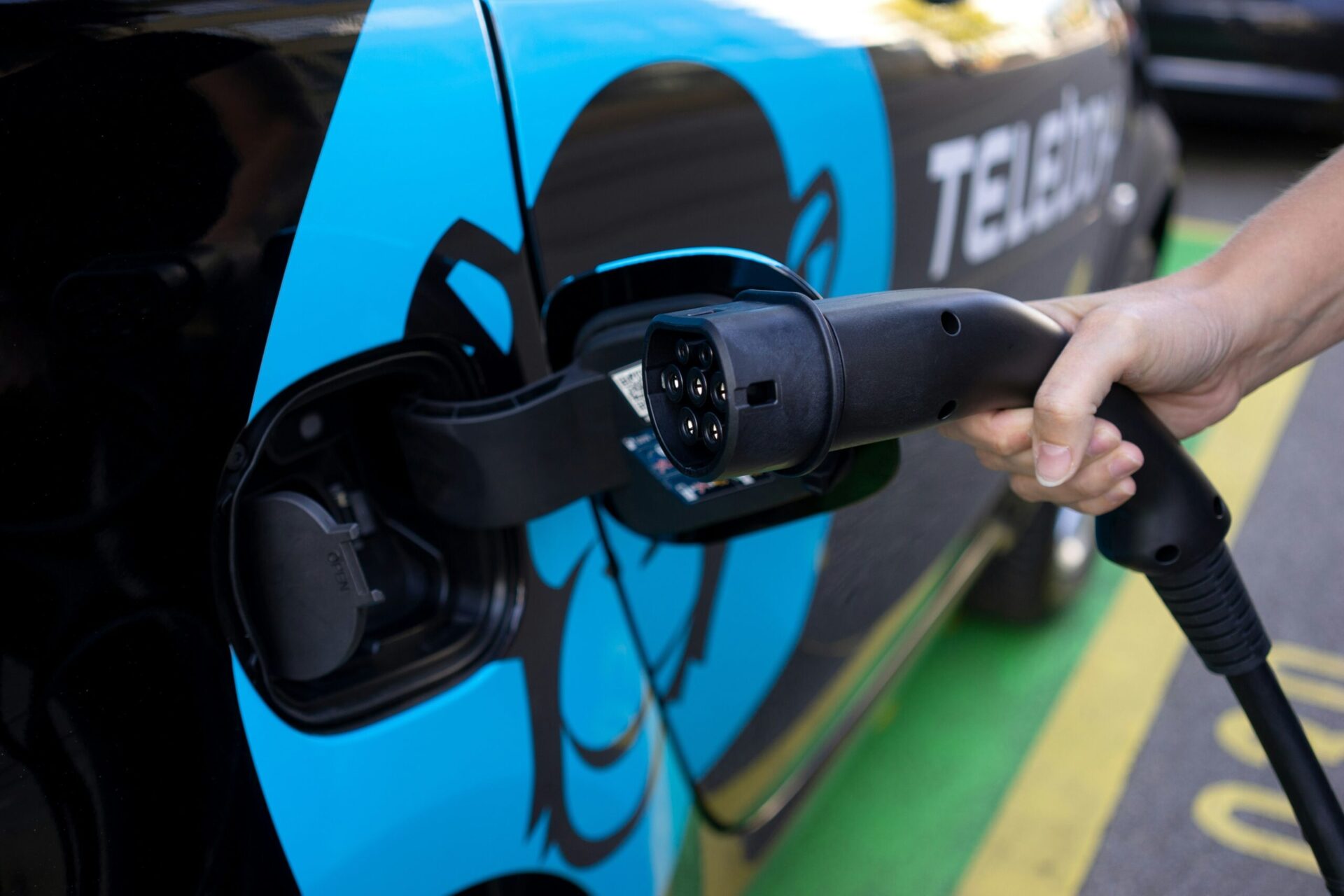
EV owners often charge their vehicles at home, which introduces new risks for insurers. Home charging stations can increase the risk of electrical fires or other accidents, leading to higher premiums. Furthermore, the widespread adoption of public charging infrastructure is still in its early stages, and insurers may be hesitant to offer lower premiums until the safety and reliability of these systems are proven.
Factor 6: Government Incentives and Regulatory Environment
Government incentives, such as tax credits and rebates, can affect the insurance cost structure of EVs. These incentives can reduce the upfront cost of purchasing an EV, but they may also influence the insurance premiums. Additionally, regulatory environments that favor EV adoption, such as California’s zero-emission vehicle mandate, can impact insurance costs as insurers adapt to the changing market.
What Does This Mean for EV Owners?
While the factors mentioned above contribute to higher insurance costs for EV owners, there are ways to mitigate these expenses. Here are some tips to help you save on EV insurance:
- Shop around: Compare insurance quotes from multiple providers to find the best rates.
- Choose a provider that offers EV-specific discounts: Some insurers offer lower premiums for EV owners who charge their vehicles at home or have a good driving record.
- Consider a usage-based insurance model: Insurers that offer pay-per-mile or usage-based insurance may provide more accurate premiums based on your driving habits.
- Take advantage of government incentives: While incentives may not directly affect insurance costs, they can reduce the upfront cost of purchasing an EV, making it more affordable to insure.
Conclusion
The unique characteristics of electric vehicles, including their higher value, advanced technology, and limited repair network, contribute to different insurance cost structures compared to traditional gasoline vehicles. By understanding these factors and taking steps to mitigate expenses, EV owners can enjoy the benefits of eco-friendly driving while keeping their insurance costs in check.
As the EV market continues to evolve, it’s essential to stay informed about the changing insurance landscape and adapt your strategy to get the best coverage at the best price.
























Leave a Reply
You must be logged in to post a comment.