




















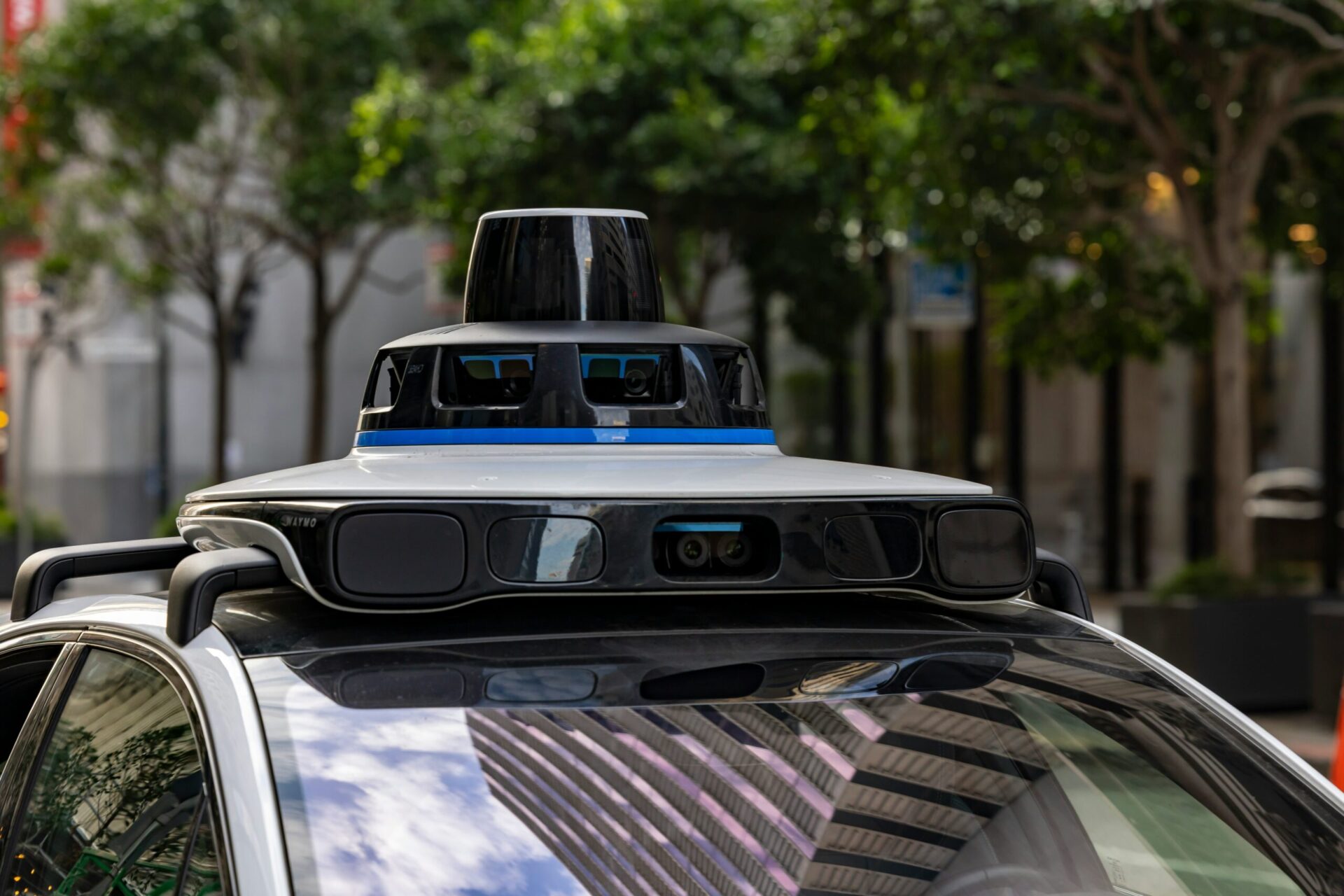
Are you aware that automakers are collecting your telematics data from your car, including vast amounts of data about your driving habits, vehicle performance, and personal behavior? This data, known as telematics data, has become a valuable asset for automakers, insurance companies, and even third-party service providers.
Automakers Are Collecting Your Telematics Data
In this article, we discuss the way automakers are collecting your telematics data, and why does it matter to you?
What is Telematics Data?
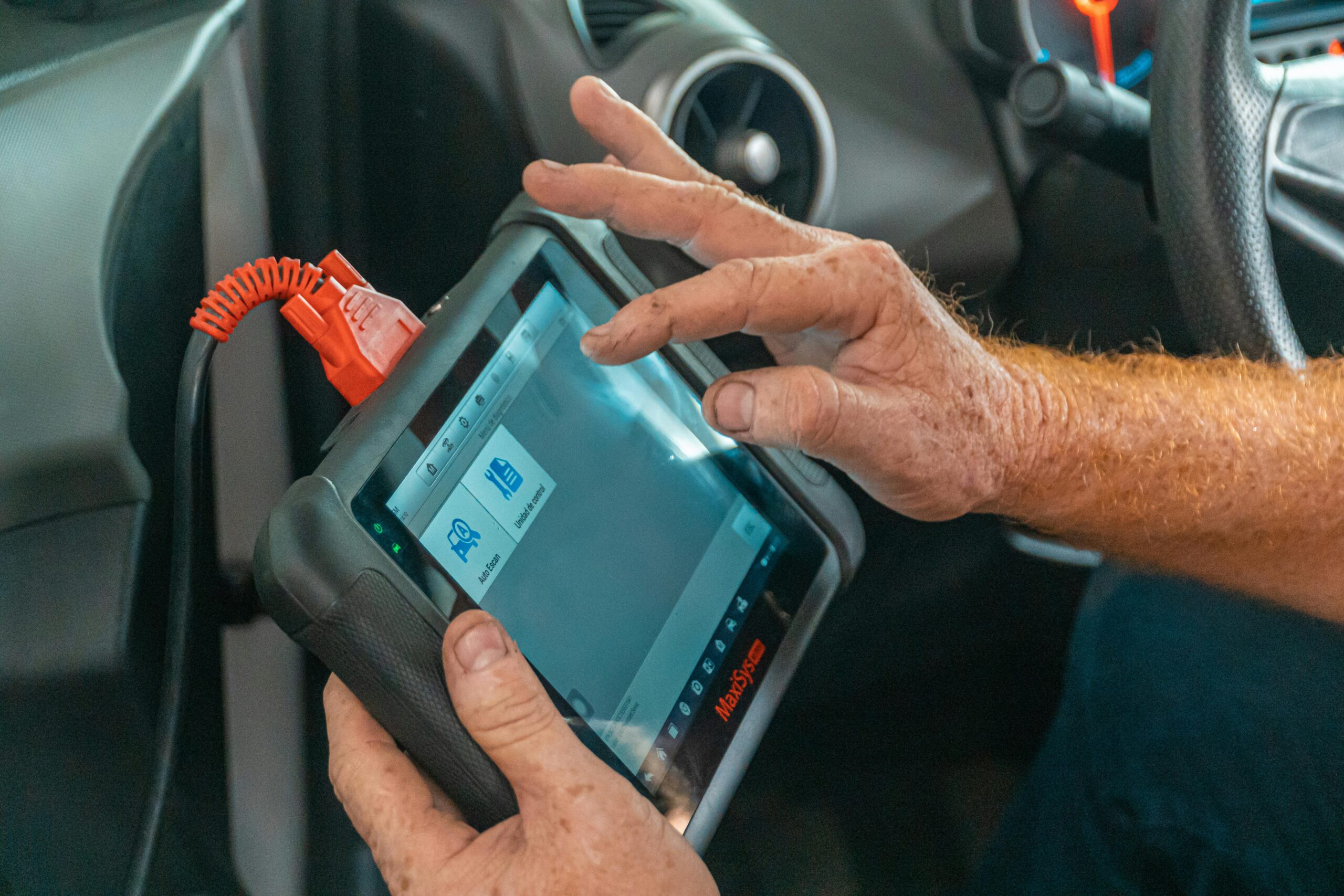
Telematics data refers to the information collected by sensors, GPS, and other technologies embedded in modern vehicles. This data can include:
- Your driving habits, such as speed, acceleration, braking, and cornering
- Your vehicle’s performance, including fuel efficiency, engine health, and maintenance needs
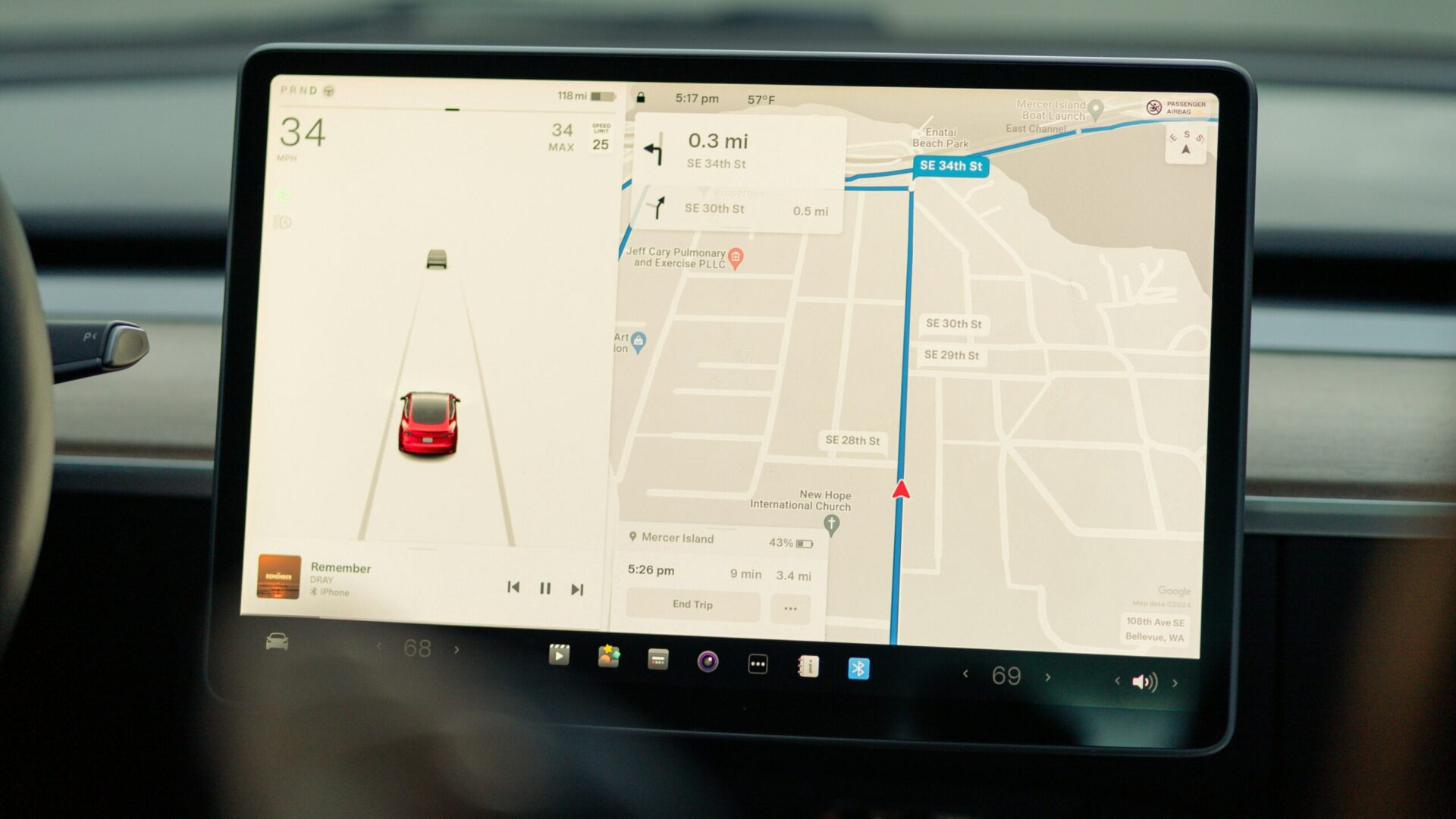
- Your location, including GPS coordinates, traffic patterns, and route preferences
- Your personal behavior, such as phone usage, music preferences, and climate control settings
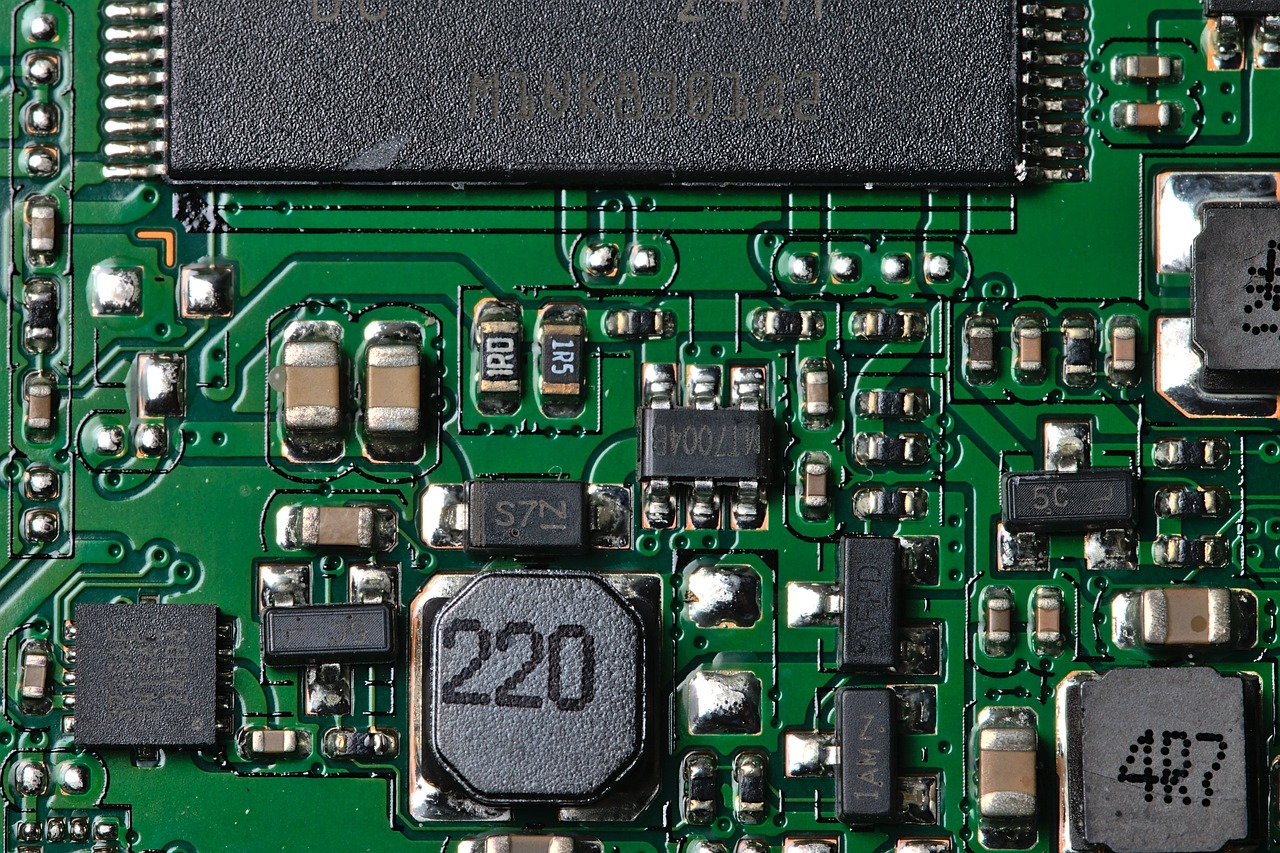
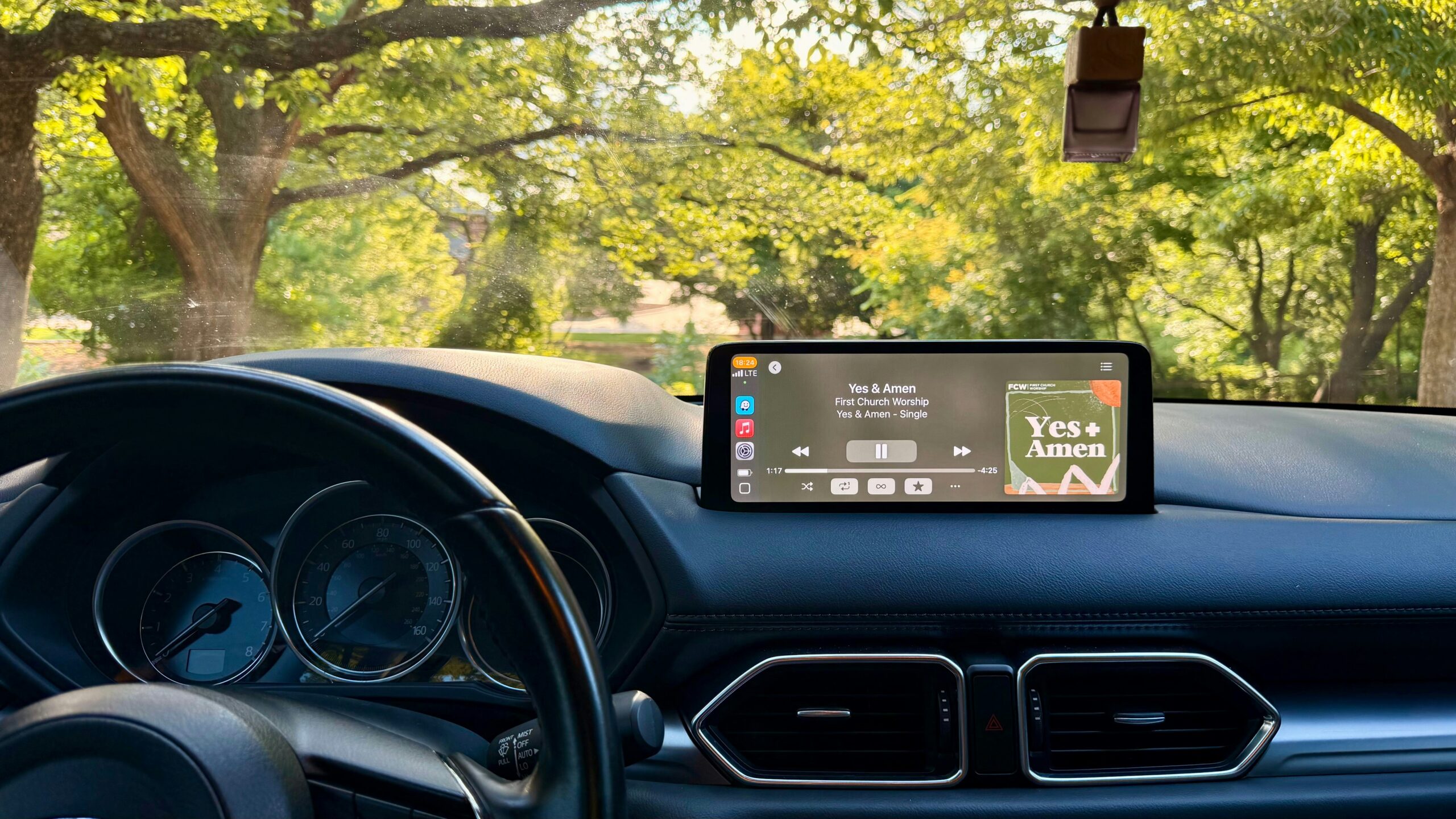
Automakers typically collect this data through onboard computers, which transmit it to their servers via cellular networks or Wi-Fi. This data can be used for a variety of purposes, from improving vehicle design and performance to offering personalized services and targeted marketing.
What Do Automakers Collect Telematics Data For?
Automakers collect telematics data for several reasons:
- Vehicle Improvement: By analyzing driving habits and vehicle performance, automakers can identify areas for improvement, such as optimizing engine performance, enhancing safety features, and refining infotainment systems.
- Customer Insights: Telematics data provides valuable insights into customer behavior, preferences, and needs. This information can be used to develop targeted marketing campaigns, offer personalized services, and create loyalty programs.
- Safety and Security: Telematics data can help identify potential safety risks, such as reckless driving or vehicle malfunctions. Automakers can use this data to alert drivers, dispatch emergency services, or even remotely shut down vehicles in emergency situations.
- Insurance and Financing: Telematics data can be used to assess driver risk, determine insurance premiums, and offer usage-based insurance policies. Lenders may also use this data to evaluate creditworthiness and determine loan terms.
What Does This Mean for Car Owners?
As a car owner, it’s essential to understand how telematics data is collected and used. Here are some key implications:
- Privacy Concerns: Telematics data can be highly personal and sensitive. Ensure you understand what data is being collected and how it will be used. Review your vehicle’s privacy policy and adjust settings to limit data sharing.
- Insurance Discounts: If you’re a safe driver, telematics data can help you qualify for lower insurance premiums. Consider opting into usage-based insurance programs or shopping around for insurers that offer telematics-based discounts.
- Personalized Services: Telematics data can enable personalized services, such as tailored maintenance schedules, optimized fuel efficiency, and customized infotainment recommendations. Take advantage of these services to enhance your driving experience.
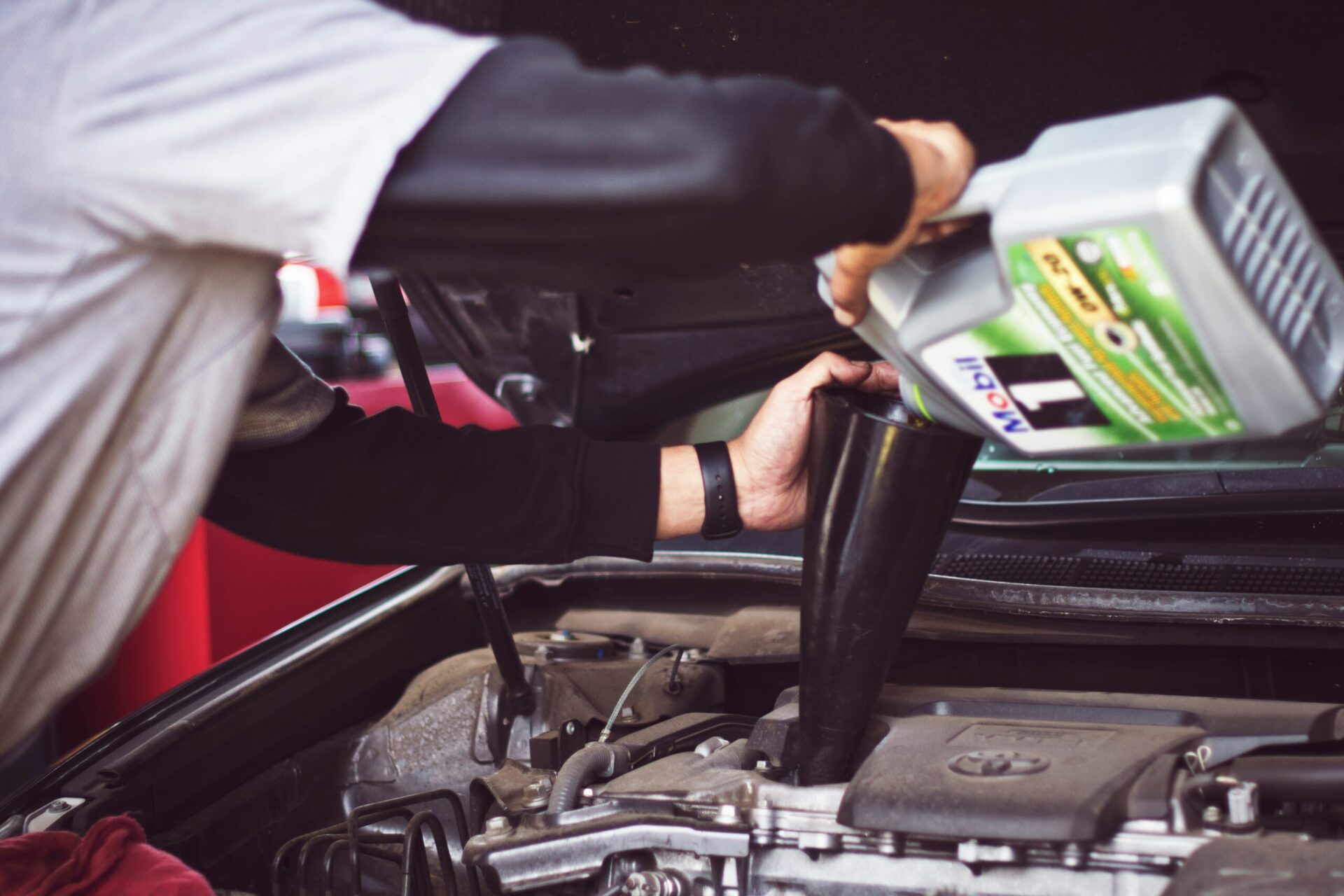
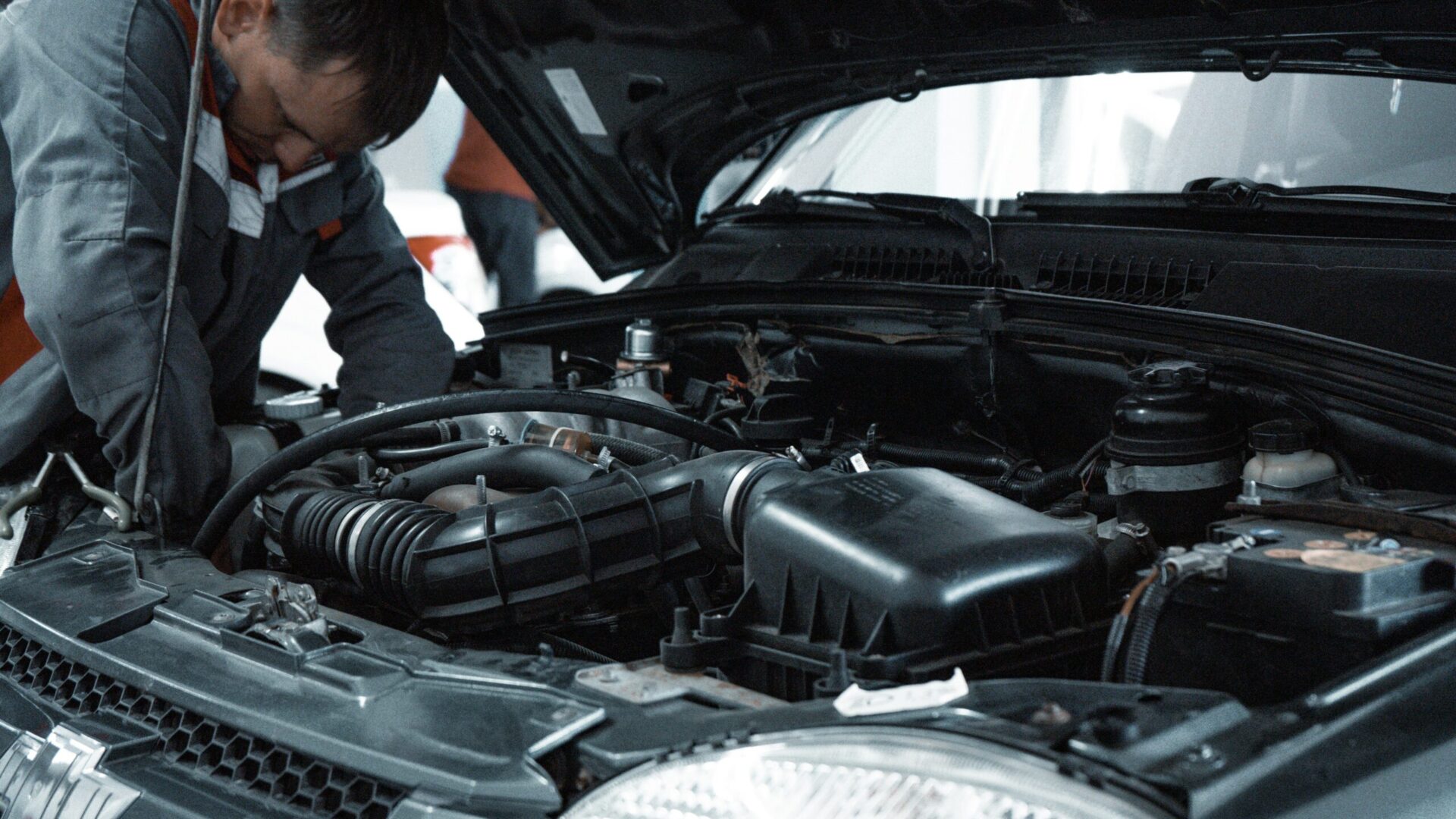
- Vehicle Maintenance: Regularly review your vehicle’s telematics data to identify potential maintenance needs, address issues promptly, and extend the life of your vehicle. Click here for more about car maintenance.
How to Protect Your Privacy and Make the Most of Telematics Data
To protect your privacy and make the most of telematics data:
- Review Your Vehicle’s Privacy Policy: Understand what data is being collected, how it will be used, and what options you have to limit data sharing.
- Adjust Settings: Customize your vehicle’s settings to control data collection and sharing. Consider disabling certain features or limiting data transmission.
- Monitor Your Data: Regularly review your vehicle’s telematics data to identify trends, optimize your driving habits, and address maintenance needs.
- Shop Around: Compare insurance policies and lenders that offer telematics-based services and take advantage of discounts or personalized offerings.
Conclusion
Telematics data has become a valuable asset for automakers, insurance companies, and third-party service providers. As a car owner, it’s essential to understand that automakers are collecting your telematics data, how it’s being used, and what implications this has for your privacy, insurance, and vehicle maintenance.
By taking control of your telematics data, you can protect your privacy, optimize your driving experience, and make the most of personalized services.
Stay informed, stay in control, and drive smart. Click here to learn more about telematics data and privacy.

























Leave a Reply
You must be logged in to post a comment.