























When it comes to buying a new car, safety is often a top priority. One of the key factors that can influence our purchasing decision is the vehicle’s crash test performance. However, what many of us may not realize is that there’s a significant difference between real-world crash test performance and laboratory crash test performance. In this article, we’ll delve into the differences between these two types of crash tests and what they mean for you as a consumer.
Laboratory Crash Tests: The Controlled Environment
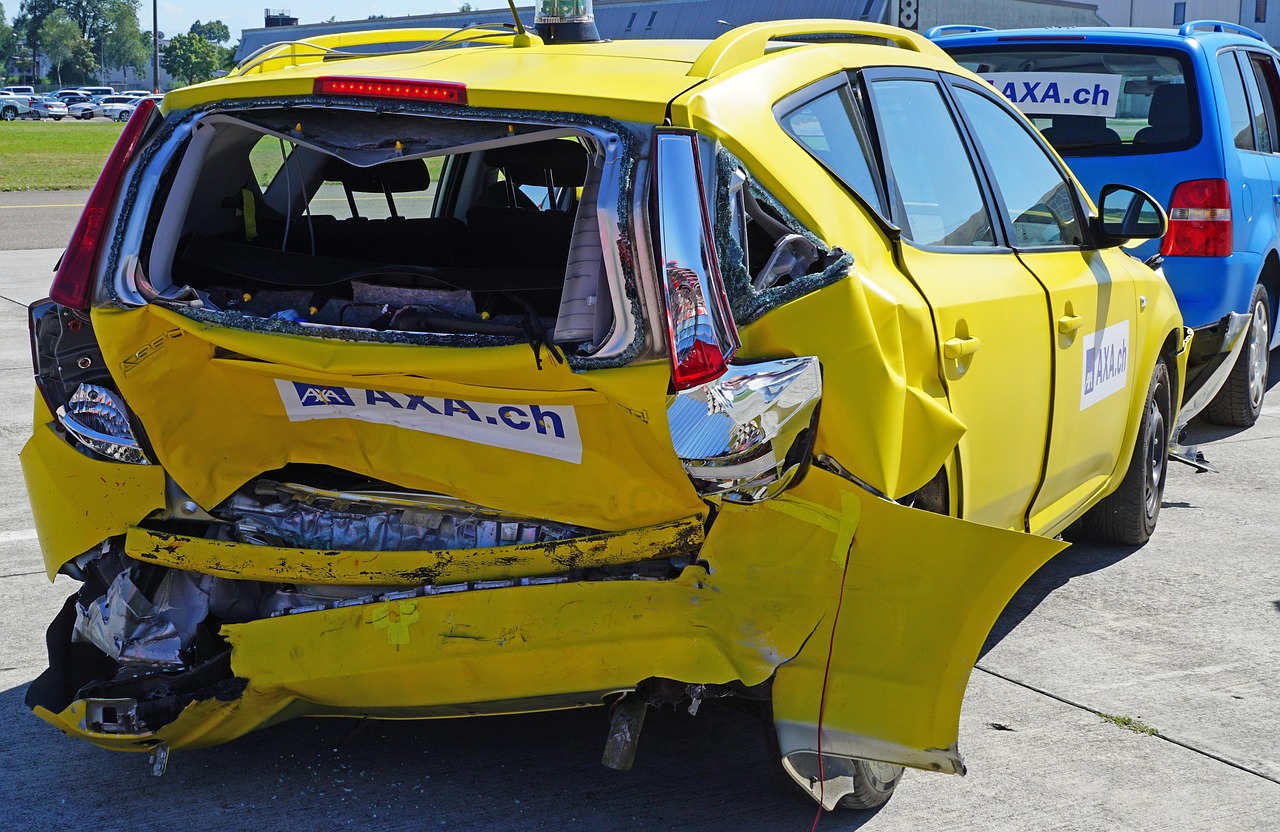
Laboratory crash tests are conducted in a controlled environment, typically by organizations such as the National Highway Traffic Safety Administration (NHTSA) or the Insurance Institute for Highway Safety (IIHS). These tests are designed to simulate real-world crashes in a highly controlled and repeatable manner. The goal is to provide a standardized way to evaluate the safety performance of different vehicles.
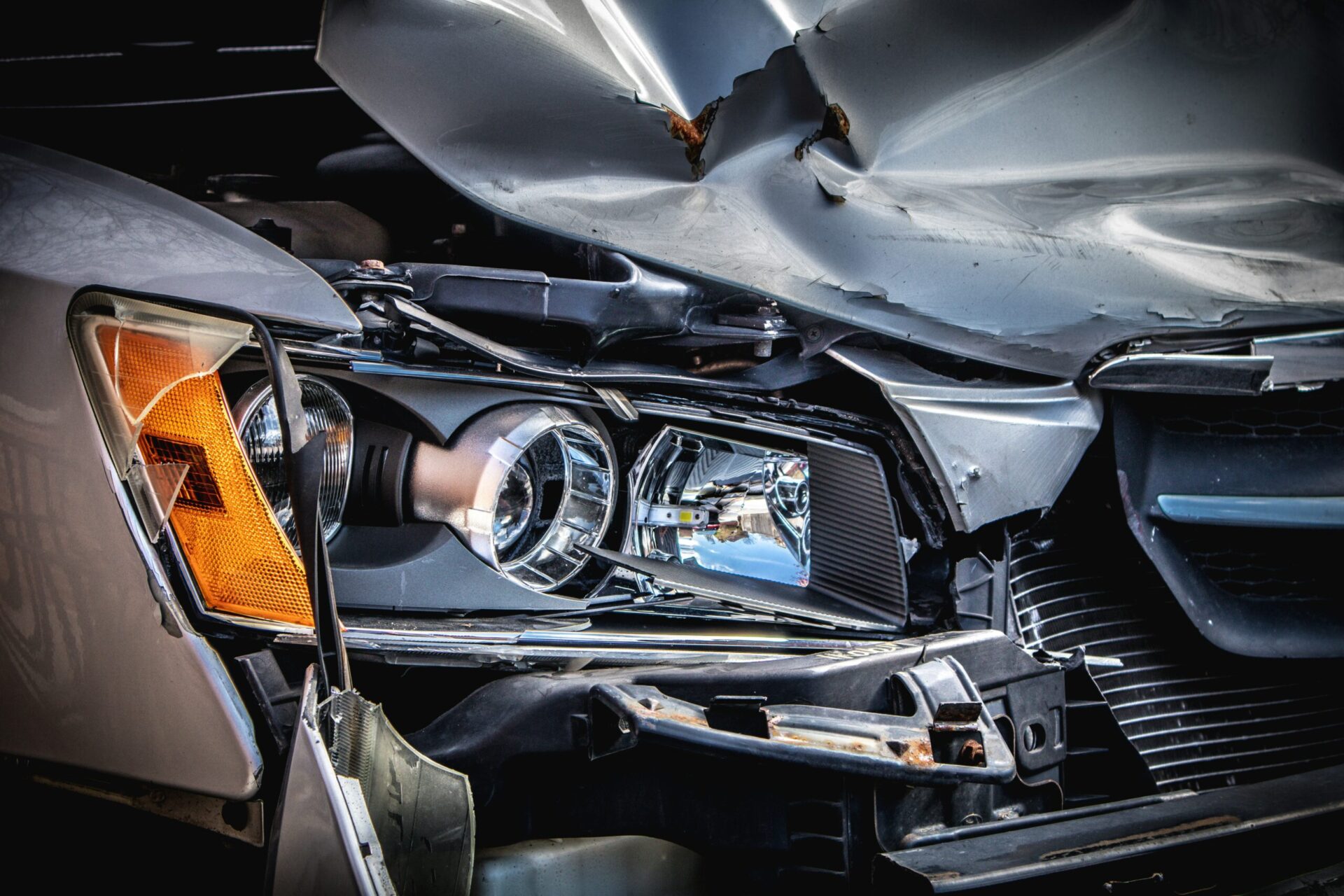
In a laboratory crash test, a vehicle is crashed into a barrier or another vehicle at a predetermined speed and angle. The test is designed to mimic a specific type of crash, such as a frontal collision or side impact. The vehicle’s performance is then evaluated based on the damage sustained and the level of protection provided to the occupants.
Real-World Crash Tests: The Unpredictable Nature of Accidents
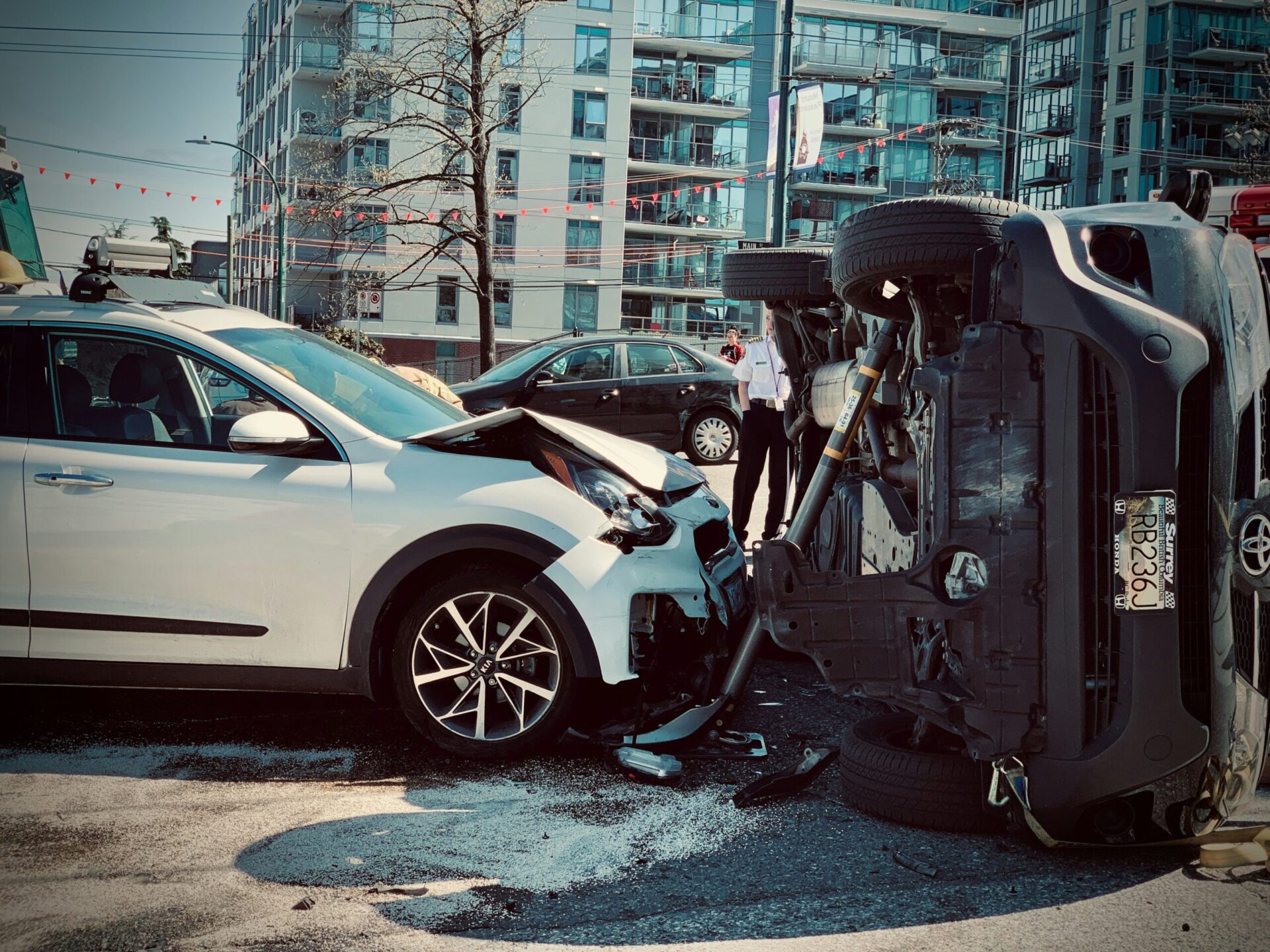
Real-world crash tests, on the other hand, involve analyzing data from actual accidents that have occurred on the road. This data is often collected by organizations such as the NHTSA or private companies that specialize in crash data analysis.
Real-world crash tests are not controlled environments, and the variables involved are much more complex. Accidents can occur at different speeds, angles, and locations, and involve a wide range of factors, such as weather conditions, road surface, and driver behavior. This makes it challenging to replicate the exact conditions of a real-world crash in a laboratory setting.
Key Differences Between Real-World and Laboratory Crash Tests
So, what are the key differences between real-world and laboratory crash tests? Here are some of the most significant:
- Controlled vs Uncontrolled Environment: Laboratory crash tests are conducted in a highly controlled environment, whereas real-world crash tests involve analyzing data from actual accidents that have occurred in unpredictable circumstances.
- Standardized vs Variable Conditions: Laboratory crash tests are designed to mimic specific types of crashes, whereas real-world crash tests involve a wide range of variables, including speed, angle, and location.
- Repeatable vs Unrepeatable: Laboratory crash tests can be repeated multiple times to ensure consistent results, whereas real-world crash tests are unique events that cannot be replicated.
- Focus on Severity vs Focus on Frequency: Laboratory crash tests often focus on the severity of the crash, whereas real-world crash tests focus on the frequency and likelihood of certain types of accidents occurring.
What Do These Differences Mean for You?
So, what do these differences mean for you as a consumer? Here are some key takeaways:
- Don’t Rely Solely on Laboratory Crash Test Results: While laboratory crash test results can provide valuable insights into a vehicle’s safety performance, they may not accurately reflect real-world crash scenarios.
- Consider Real-World Crash Data: Look for vehicles with a proven track record of safety in real-world crashes. This can provide a more accurate picture of how a vehicle will perform in a real accident.
- Don’t Assume a 5-Star Rating Means You’re Safe: A 5-star safety rating from the NHTSA or IIHS is often seen as the gold standard of safety. However, this rating is based on laboratory crash test results, which may not reflect real-world performance.
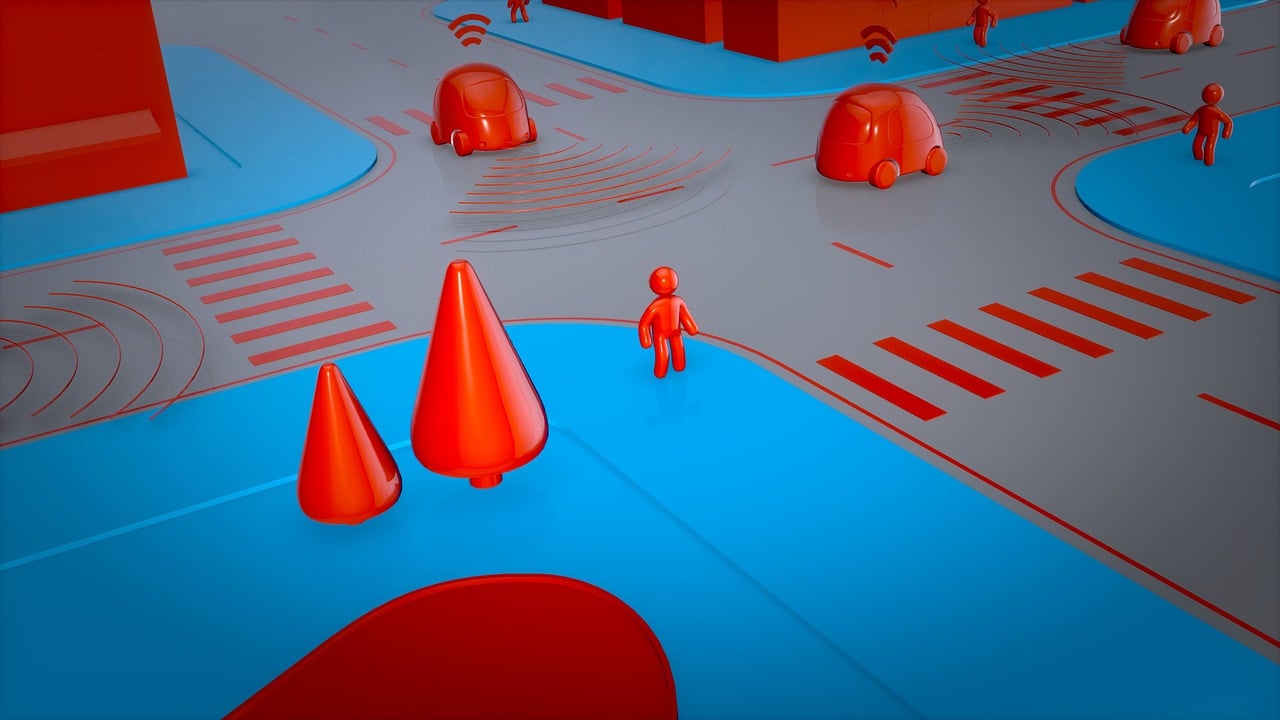
- Look for Vehicles with Advanced Safety Features: Vehicles equipped with advanced safety features, such as automatic emergency braking, lane departure warning, and blind-spot monitoring, are more likely to perform well in real-world crash scenarios.
Conclusion
In conclusion, while laboratory crash tests provide valuable insights into a vehicle’s safety performance, they may not accurately reflect real-world crash scenarios. By considering real-world crash data and looking for vehicles with advanced safety features, you can make a more informed decision when buying a new car. Remember, safety is not just about the vehicle’s performance in a controlled environment – it’s about how it will perform in the unpredictable world of real accidents. By being aware of the differences between real-world and laboratory crash tests, you can make a safer choice for yourself and your loved ones.


























Leave a Reply
You must be logged in to post a comment.