























As a savvy car owner, you understand the importance of maintaining your vehicle to ensure its longevity and performance. However, as your car racks up the miles, mechanical wear patterns can become more pronounced, affecting its overall health and reliability. Evaluating these patterns is crucial in determining the best course of action to extend the life of your high-mileage vehicle.
In this article, we’ll delve into the world of mechanical wear patterns, exploring what they are, how to identify them, and what it means for your car’s future. By the end, you’ll be equipped with the knowledge to make informed decisions about your vehicle’s maintenance and potential repairs.
What are Mechanical Wear Patterns?
Mechanical wear patterns refer to the gradual deterioration of a vehicle’s components due to normal usage, wear, and tear. As your car accumulates miles, its engine, transmission, suspension, and other systems begin to show signs of aging. This natural process can lead to decreased performance, reduced fuel efficiency, and increased repair costs.
Think of mechanical wear patterns like the lines on a well-loved book. Just as the pages become worn and creased with repeated use, your car’s components experience similar wear and tear. The key is to recognize these patterns early on to prevent minor issues from becoming major problems.
Identifying Mechanical Wear Patterns
So, how do you identify mechanical wear patterns in your high-mileage vehicle? Here are some common signs to look out for:
- Oil Leaks and Stains: If you notice oil spots under your car or stains on the driveway, it may indicate worn engine components, such as piston rings or valve stem seals.
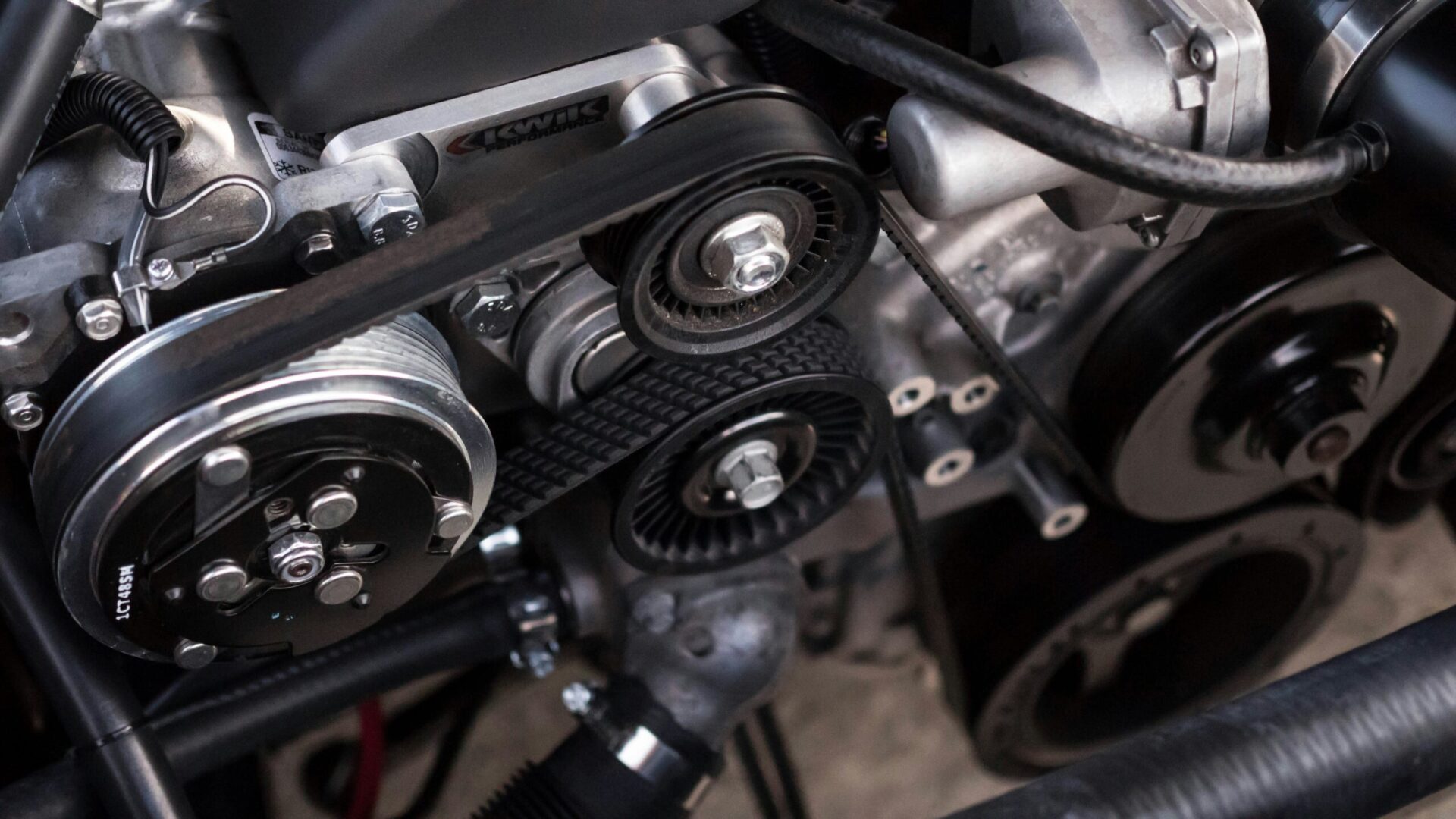
- Unusual Noises: Grinding, whining, or clunking sounds can signal worn bearings, loose belts, or failing components.
- Vibrations and Shakes: If your car vibrates or shakes while driving, it could be a sign of worn wheel bearings, loose suspension components, or out-of-balance tires.
- Performance Issues: Decreased power, slow acceleration, or difficulty shifting gears may indicate worn engine components, clogged fuel injectors, or transmission problems.
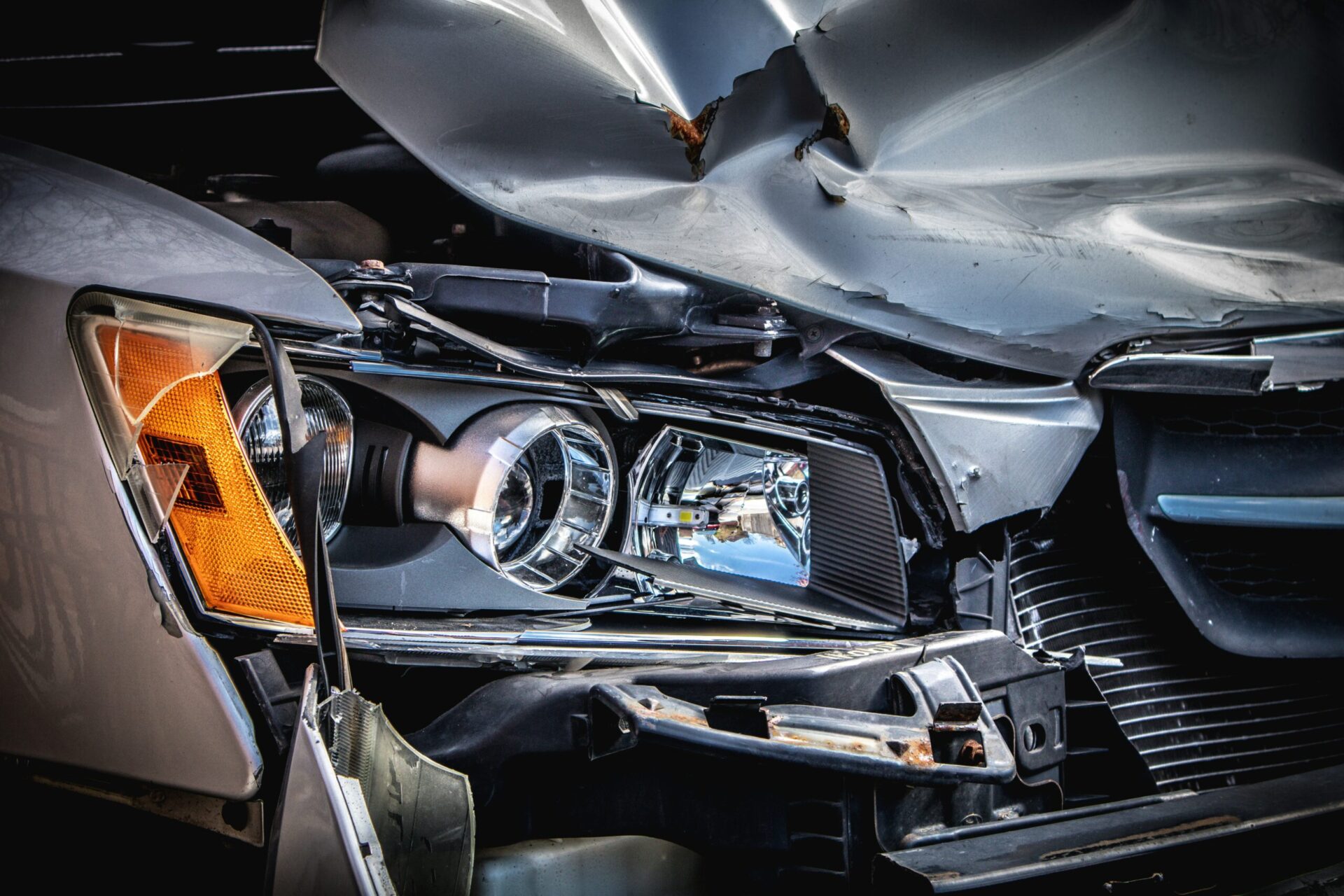
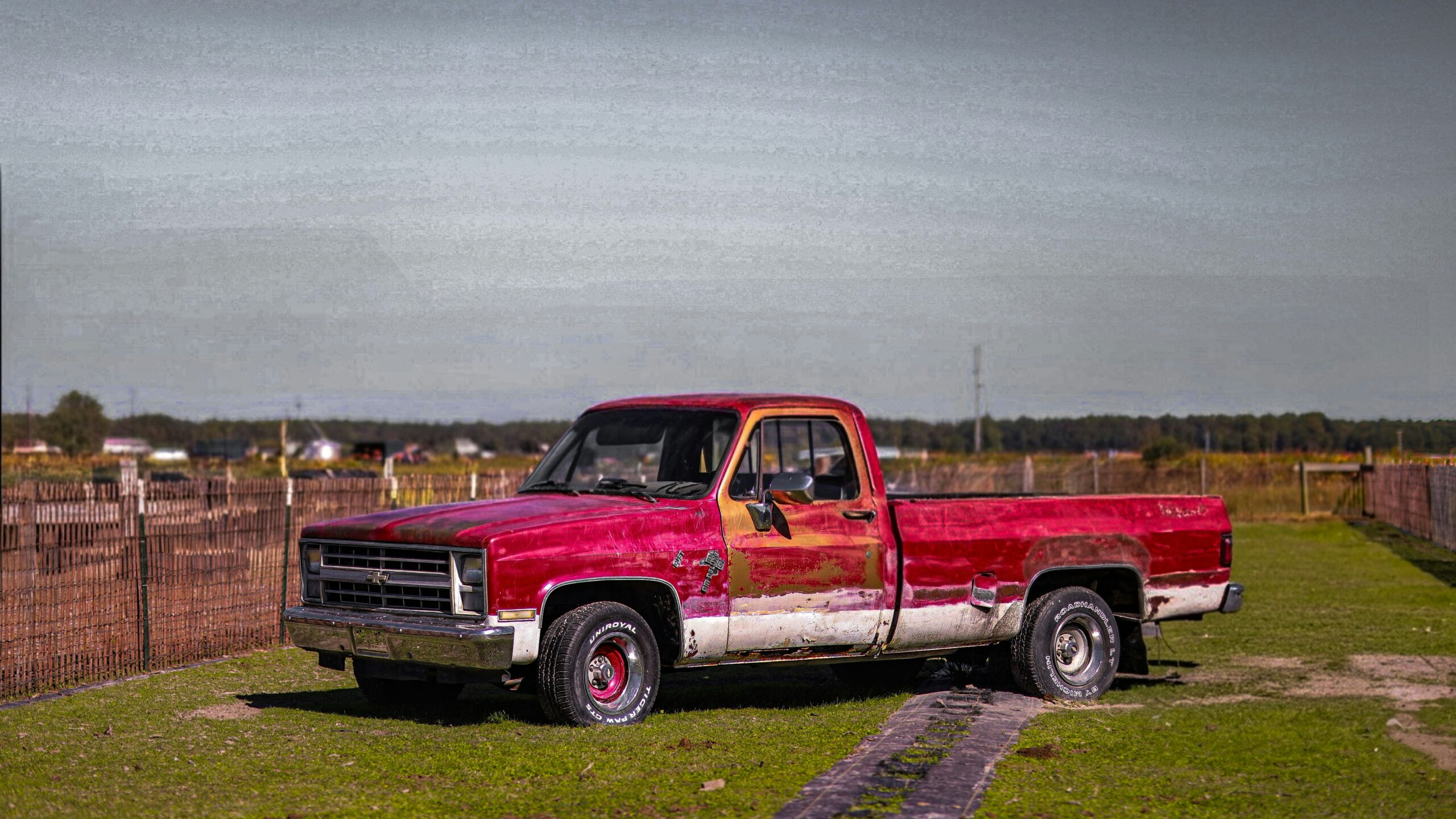
- Rust and Corrosion: Visible rust or corrosion on the undercarriage, suspension, or engine components can weaken the structure and lead to costly repairs.
What Do Mechanical Wear Patterns Mean for Your Car’s Future?
Identifying mechanical wear patterns is only half the battle. Once you’ve recognized the signs, it’s essential to understand what they mean for your car’s future. Here are some possible scenarios:
- Maintenance and Repairs: Addressing mechanical wear patterns early on can be relatively inexpensive. Regular maintenance, such as oil changes and filter replacements, can help slow down wear and tear.
- Component Replacement: If wear patterns are more advanced, you may need to replace worn components, such as spark plugs, belts, or brake pads. This can be a more costly endeavor, but it’s still a viable option.
- Engine or Transmission Overhaul: In severe cases, mechanical wear patterns can necessitate a full engine or transmission overhaul. This is a significant investment, but it may be the only way to extend your car’s life.
- Vehicle Retirement: If your car’s mechanical wear patterns are too far gone, it may be time to consider retiring the vehicle. This is often the case with high-mileage cars (over 150,000 miles) where repairs may not be cost-effective.
Now that you understand mechanical wear patterns, here are some tips to help you extend the life of your high-mileage vehicle:
- Regular Maintenance: Stay on top of routine maintenance tasks, such as oil changes, tire rotations, and brake pad replacements.
- Monitor Performance: Keep an ear out for unusual noises and vibrations, and address them promptly.
- Inspect Your Car: Regularly inspect your car’s undercarriage, suspension, and engine components for signs of wear and corrosion.
- Budget for Repairs: Set aside a portion of your budget for potential repairs and maintenance.
- Consider a Vehicle Inspection: If you’re unsure about your car’s condition, consider hiring a mechanic to perform a thorough inspection.
Conclusion
Evaluating mechanical wear patterns on high-mileage vehicles is crucial for extending its life and avoiding costly repairs. By recognizing the signs of wear and tear, understanding what they mean for your car’s future, and taking proactive steps, you can make informed decisions about your vehicle’s maintenance and repairs.
Remember, a well-maintained car is a happy car. Stay vigilant, stay proactive, and your trusty vehicle will continue to serve you well for years to come.


























Leave a Reply
You must be logged in to post a comment.