































When you purchase auto insurance, the insurer assesses your vehicle’s risk profile to determine your premium. But have you ever wondered how they do it? Understanding the factors that influence your vehicle’s risk profile can help you make informed decisions when buying insurance and potentially lower your premiums. In this article, we’ll break down the key factors insurers consider when evaluating vehicle risk profiles.
1. Vehicle Make and Model
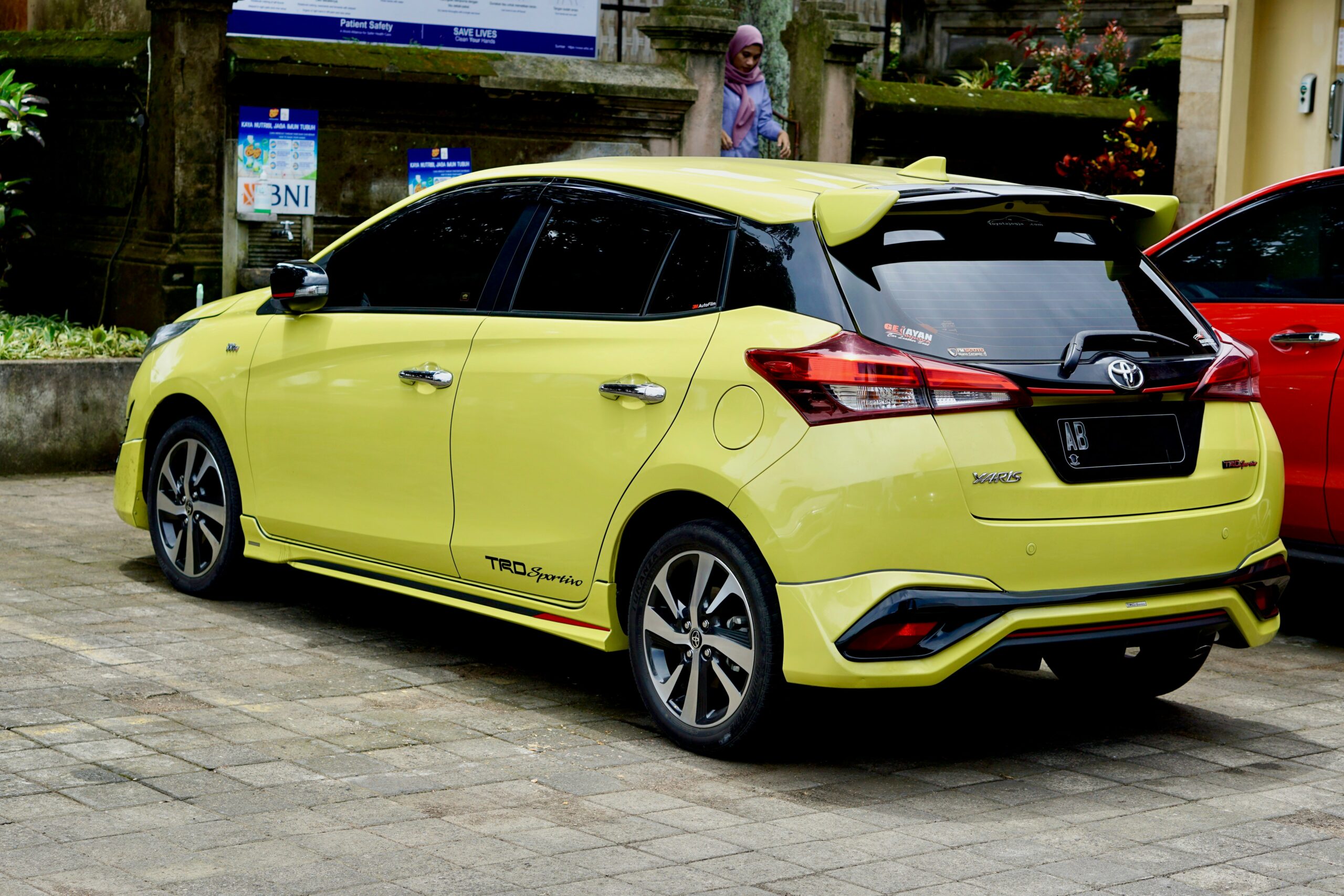
The make and model of your vehicle are significant factors in determining your risk profile. Some vehicles are more prone to accidents, theft, or vandalism, which increases the likelihood of claims. For instance, sports cars like the Porsche 911 or high-performance vehicles like the Ford Mustang Shelby GT500 are considered high-risk due to their speed and agility, which can lead to reckless driving. On the other hand, family-friendly vehicles like the Honda Odyssey or Toyota Highlander are generally considered lower-risk.
Insurers use data from sources like the Highway Loss Data Institute (HLDI) and the National Insurance Crime Bureau (NICB) to determine the claim frequency and severity for specific vehicle models. This information helps them assign a risk score to each vehicle, which affects your premium.
2. Vehicle Age and Condition
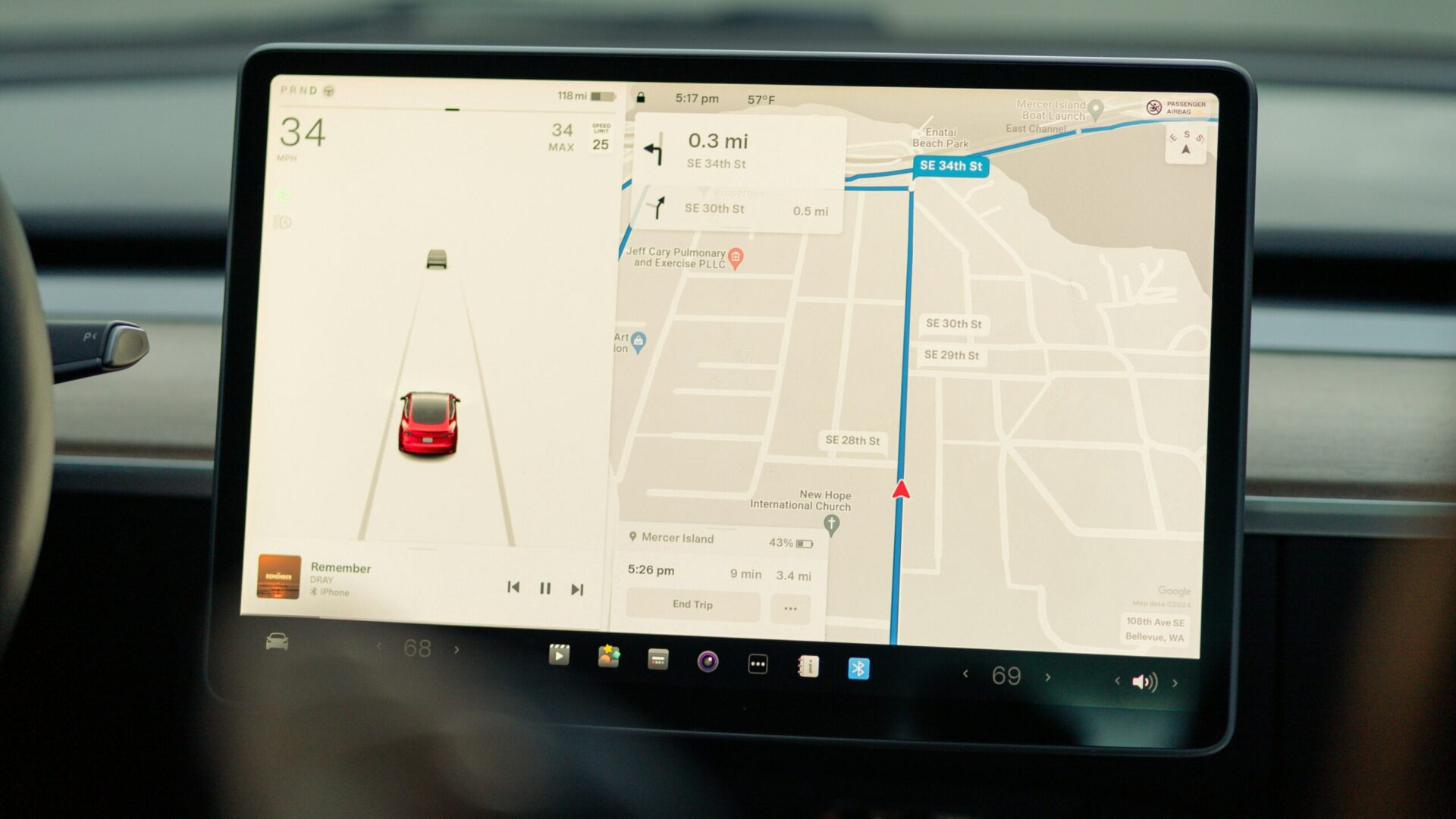
The age and condition of your vehicle also play a crucial role in assessing risk. Newer vehicles with advanced safety features like lane departure warning systems, blind-spot monitoring, and automatic emergency braking are generally considered lower-risk. In contrast, older vehicles without these features may be considered higher-risk.
Additionally, the condition of your vehicle can impact its risk profile. A well-maintained vehicle with regular servicing and repairs is less likely to be involved in an accident due to mechanical failure. On the other hand, a vehicle with a history of neglect or poor maintenance may be considered higher-risk.
3. Driver Behavior and History
Your driving behavior and history are critical factors in determining your vehicle’s risk profile. Insurers consider the following:
- Accident history: If you’ve been involved in previous accidents, you’re more likely to be involved in another one, increasing your risk profile.
- Traffic violations: A history of traffic violations, such as speeding or reckless driving, can indicate a higher risk of accidents.
- Claims history: If you’ve made frequent claims in the past, you may be considered higher-risk.
- Driving habits: Insurers may use telematics data or other sources to monitor your driving habits, such as speed, braking, and acceleration patterns.
4. Location and Usage
Where you live and how you use your vehicle can significantly impact your risk profile. For example:
- Urban vs. rural areas: Urban areas tend to have higher crime rates and more congested roads, increasing the risk of accidents or theft.
- High-risk areas: If you live in an area prone to natural disasters, such as hurricanes or wildfires, your vehicle may be at a higher risk of damage.
- Daily usage: If you use your vehicle for daily commutes or long road trips, you’re more likely to be involved in an accident due to increased exposure.
5. Safety Features and Security
The safety features and security systems installed in your vehicle can reduce its risk profile. For instance:
- Airbags and anti-lock brakes: Vehicles equipped with these features are considered lower-risk.
- Alarm systems and immobilizers: These security features can deter theft and reduce the risk of claims.
- Lane departure warning systems and blind-spot monitoring: These advanced safety features can help prevent accidents.
6. Vehicle Value and Replacement Cost
The value and replacement cost of your vehicle also influence its risk profile. More expensive vehicles or those with high replacement costs are generally considered higher-risk, as they’re more attractive to thieves and more costly to repair or replace.
What You Can Do
Now that you understand the factors that influence your vehicle’s risk profile, here are some practical tips to help you lower your premiums:
- Choose a lower-risk vehicle: Opt for a vehicle with a lower risk profile, such as a family-friendly sedan or SUV.
- Maintain a good driving record: Avoid accidents and traffic violations to demonstrate responsible driving behavior.
- Install safety features and security systems: Consider adding features like alarm systems, lane departure warning systems, or blind-spot monitoring to reduce your risk profile.
- Park in a safe location: Avoid parking in high-crime areas or locations prone to natural disasters.
- Shop around for insurance: Compare quotes from different insurers to find the best rate for your vehicle’s risk profile.
By understanding how insurers assess vehicle risk profiles, you can make informed decisions when buying insurance and potentially lower your premiums. Remember, it’s essential to prioritize safety, maintain a good driving record, and choose a vehicle that fits your needs and budget. With these tips, you can enjoy lower insurance rates and peace of mind on the road.





























Leave a Reply
You must be logged in to post a comment.