

























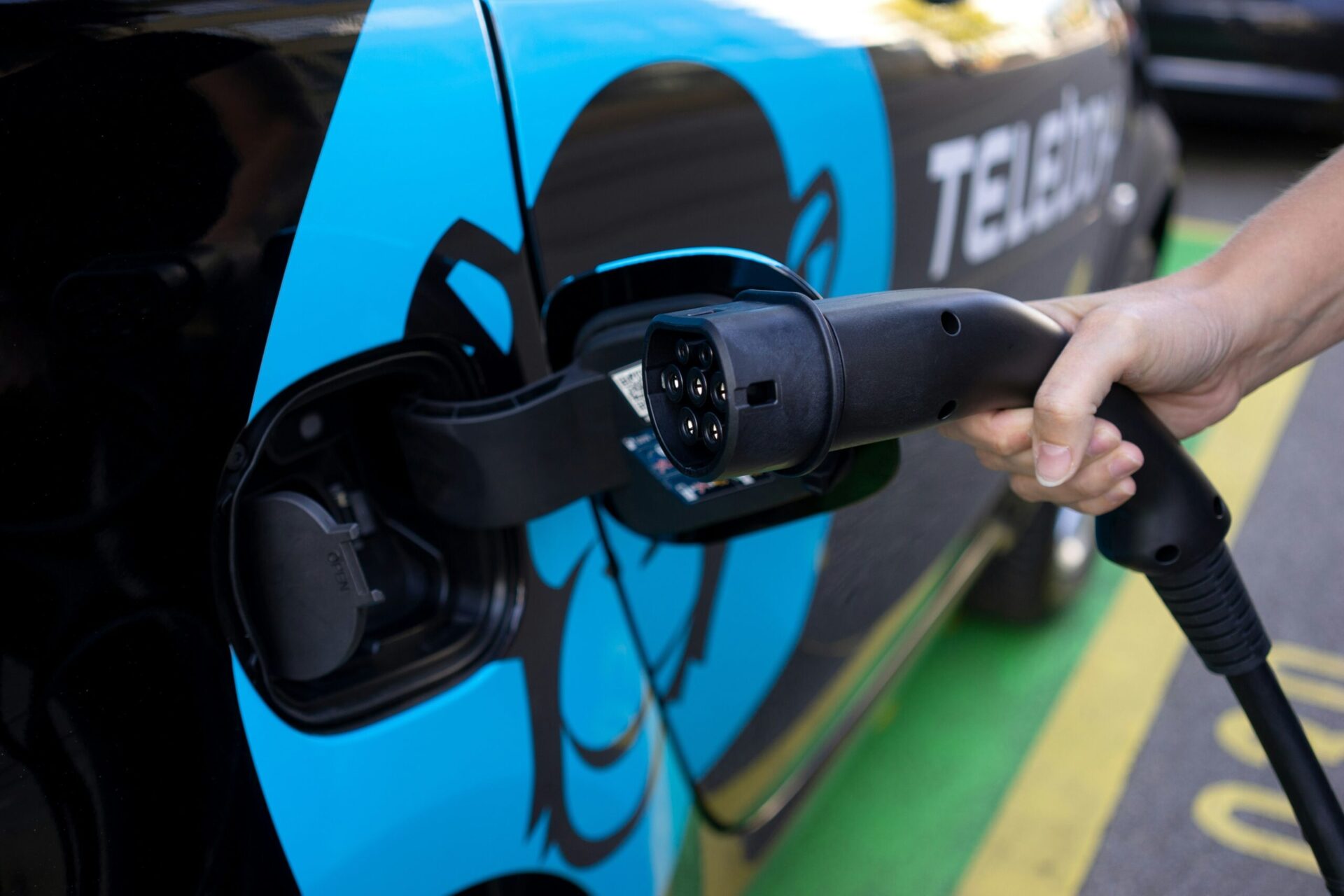
As the world shifts towards a more sustainable future, electric vehicles (EVs) are becoming increasingly popular. Not only do they offer a cleaner alternative to traditional gas-powered cars, but they also provide a cost-effective option for daily commutes. However, the higher upfront cost of EVs can be a significant barrier for many consumers. This is where government incentives come in – to encourage the adoption of EVs and promote a greener environment.
Federal Incentives
The US federal government previously offered a tax credit of up to $7,500 for the purchase of a qualifying EV. This credit was available for both plug-in hybrid electric vehicles (PHEVs) and battery electric vehicles (BEVs). To qualify, the vehicle must have had a battery capacity of at least 16 kWh, and the manufacturer must have sold fewer than 200,000 eligible vehicles in the US.
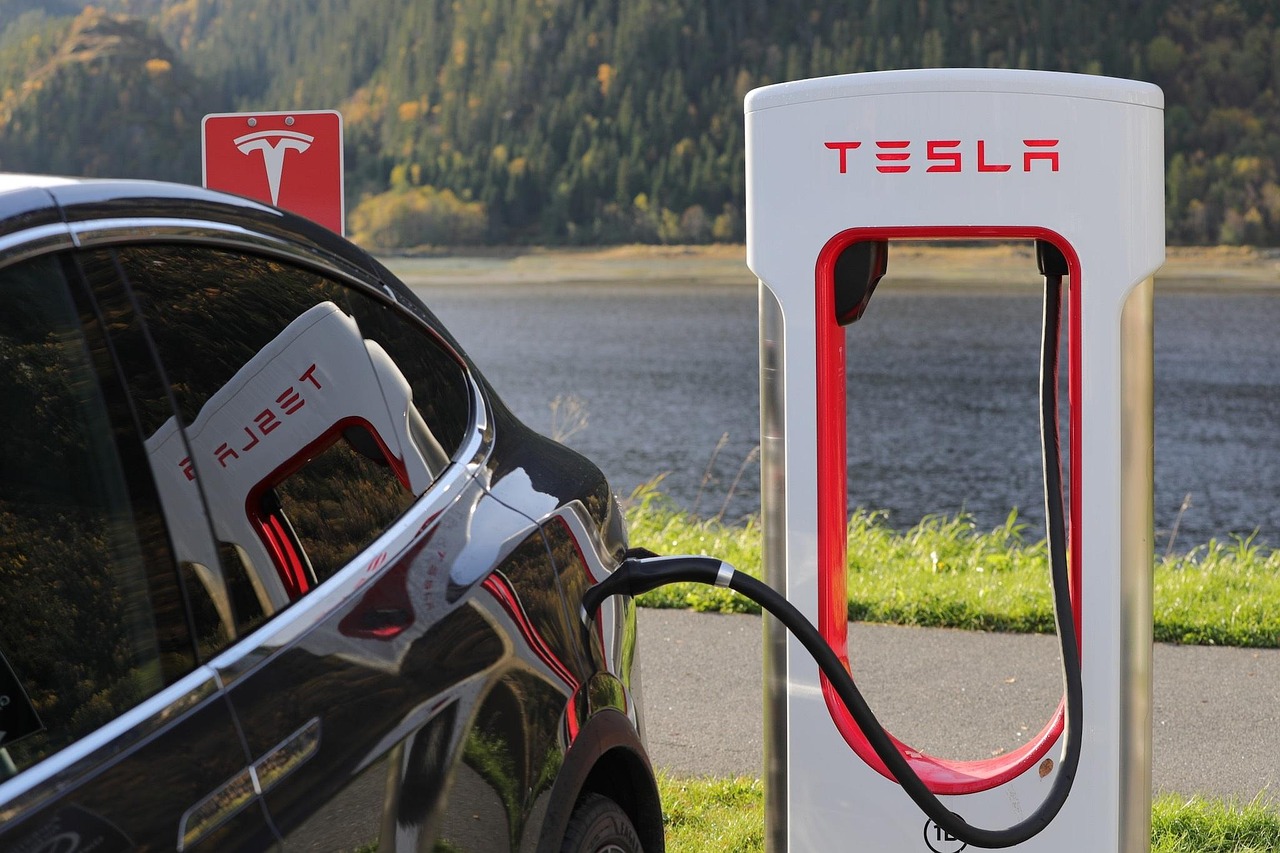
For example, the Tesla Model 3 Long Range, a popular EV model, qualified for the full $7,500 tax credit. This means that if you purchase a Tesla Model 3 Long Range and have a tax liability of at least $7,500, you could have claimed the full credit on your tax return. There were changes made that allowed you to use the tax credit as a downpayment at the dealership.
While the current administration stopped offering the federal tax credit, it’s likely that a new administration may revive the federal incentive program for EVs.
State Incentives
Even though the federal incentives have stopped, many states have continued to offer their own incentives for EV adoption. These incentives can include rebates, tax credits, or exemptions from state sales tax. For instance:
- California offers a rebate of up to $5,000 for the purchase of a qualifying EV.
- Colorado provides a tax credit of up to $5,000 for the purchase of an EV.
- Washington state exempts EVs from state sales tax, which can save buyers up to $2,600.
Utility Incentives
Utility companies are also getting in on the action, offering incentives for EV owners. For example:
- Southern California Edison offers a special EV rate plan that can save customers up to $500 per year on their electricity bill.
- Pacific Gas & Electric in California provides a discounted EV rate plan that can save customers up to $300 per year.
Employer Incentives
Some employers are also offering incentives for EV adoption. For example:
- Google offers a reimbursement of up to $10,000 for employees who purchase an EV.
- Amazon provides a reimbursement of up to $5,000 for employees who purchase an EV.
Charging Infrastructure Incentives
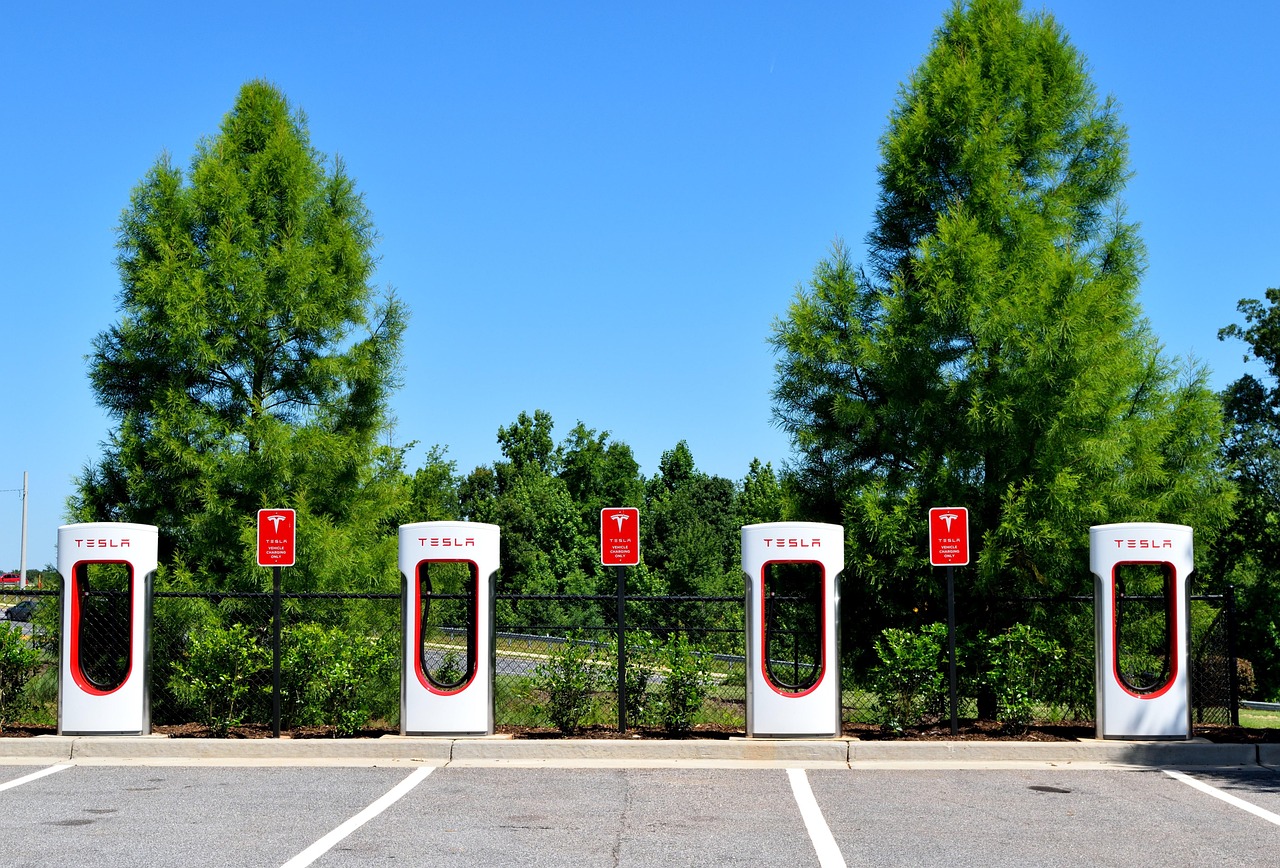
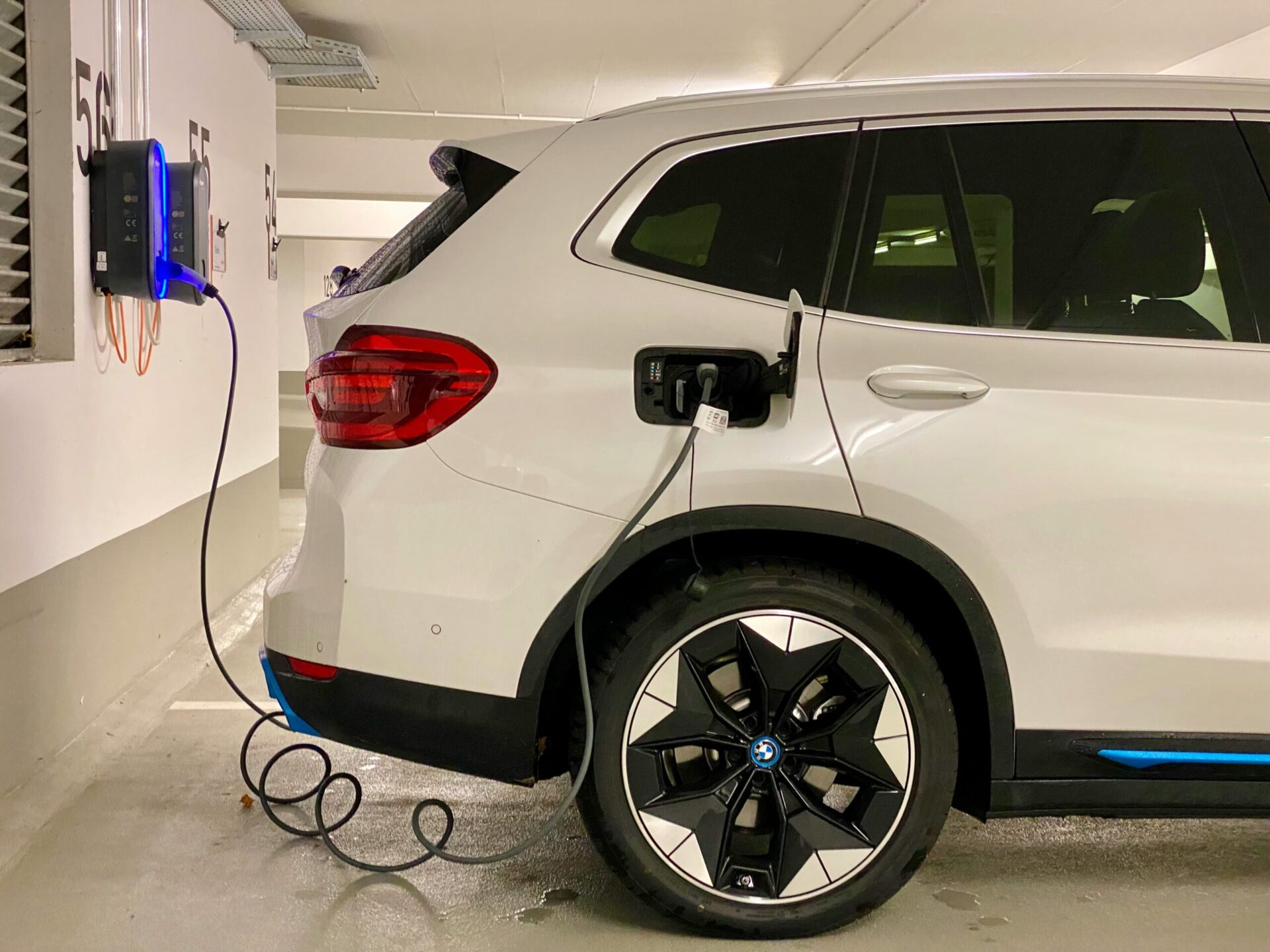
The lack of charging infrastructure has been a significant barrier to EV adoption. To address this, governments and companies are offering incentives for the installation of charging stations. For example:
- The US Department of Transportation provides grants for the installation of EV charging stations along highways and in rural areas.
- Companies like ChargePoint and EVgo offer rebates and discounts for the installation of home charging stations.
Conclusion
Government incentives are playing a crucial role in driving the adoption of electric vehicles. From (future) federal tax credits to state rebates, utility discounts, and employer reimbursements, there are numerous ways to save money on an EV purchase. As the demand for EVs (will eventually) continue to grow, we can expect to see even more incentives emerge with a new administration. By taking advantage of these incentives, consumers can not only reduce their environmental footprint but also save money on their daily commutes.
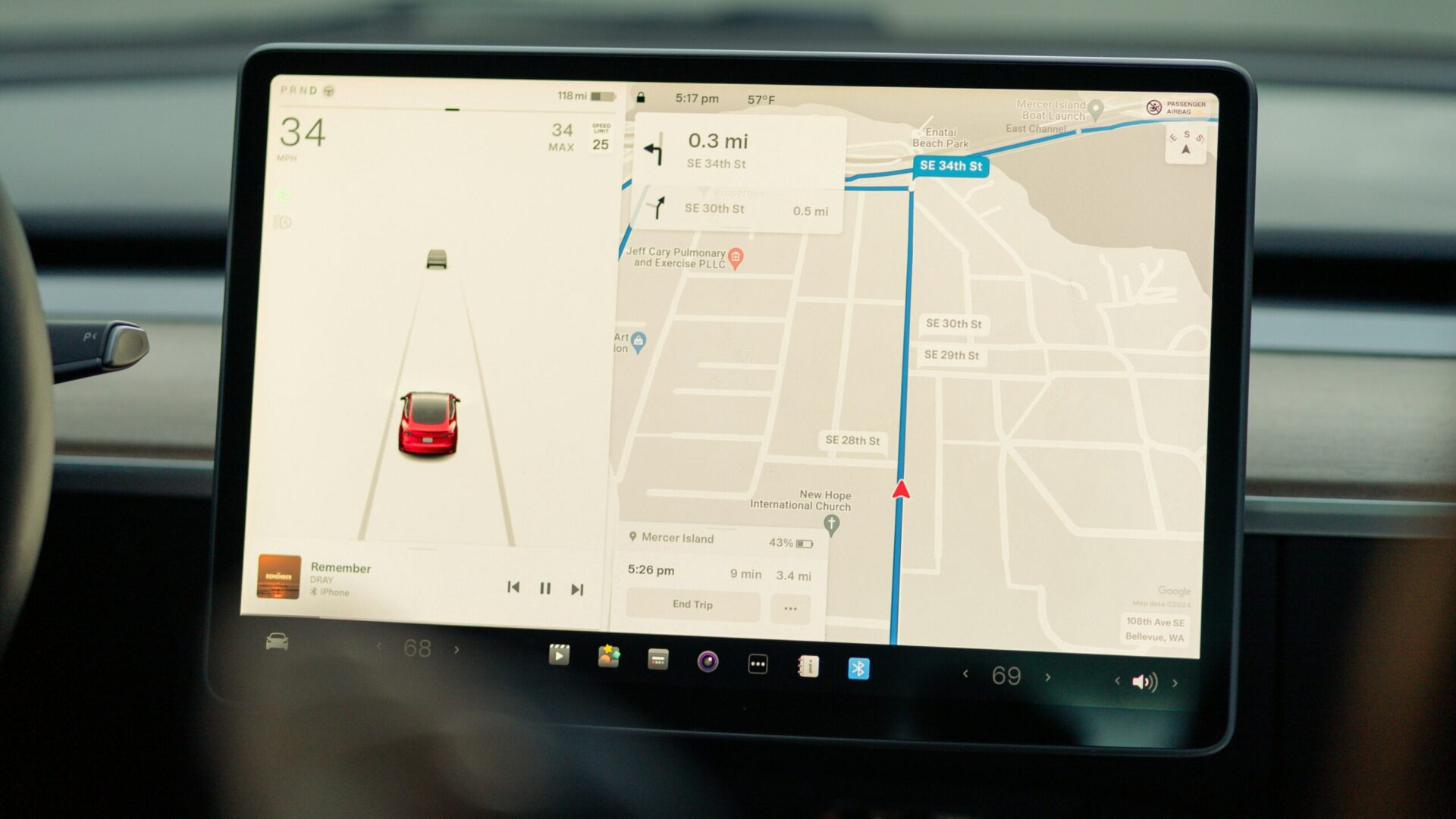
So, if you’re in the market for a new car, consider going electric – your wallet and the planet will thank you. Just for the record, I ❤️ Love ❤️ my Tesla Model Y Performance! 😍😍




























Leave a Reply
You must be logged in to post a comment.