



















As the automotive industry continues to evolve, car buyers are facing a new reality: the rise of direct-to-consumer (DTC) sales models. This shift is forcing traditional dealerships to adapt and compete with original equipment manufacturers (OEMs) that are now selling vehicles directly to consumers online. But what does this mean for you, the car buyer? In this article, we’ll explore the pros and cons of DTC models versus traditional dealer models, and what you can expect from various OEMs.
What is a Direct-to-Consumer (DTC) Model?
In a DTC model, OEMs sell vehicles directly to consumers through their own websites, bypassing traditional dealerships. This approach allows OEMs to control the sales process, pricing, and customer experience from start to finish. DTC models often rely on online platforms, where customers can configure, purchase, and even finance their vehicles entirely online.
The Rise of DTC Models
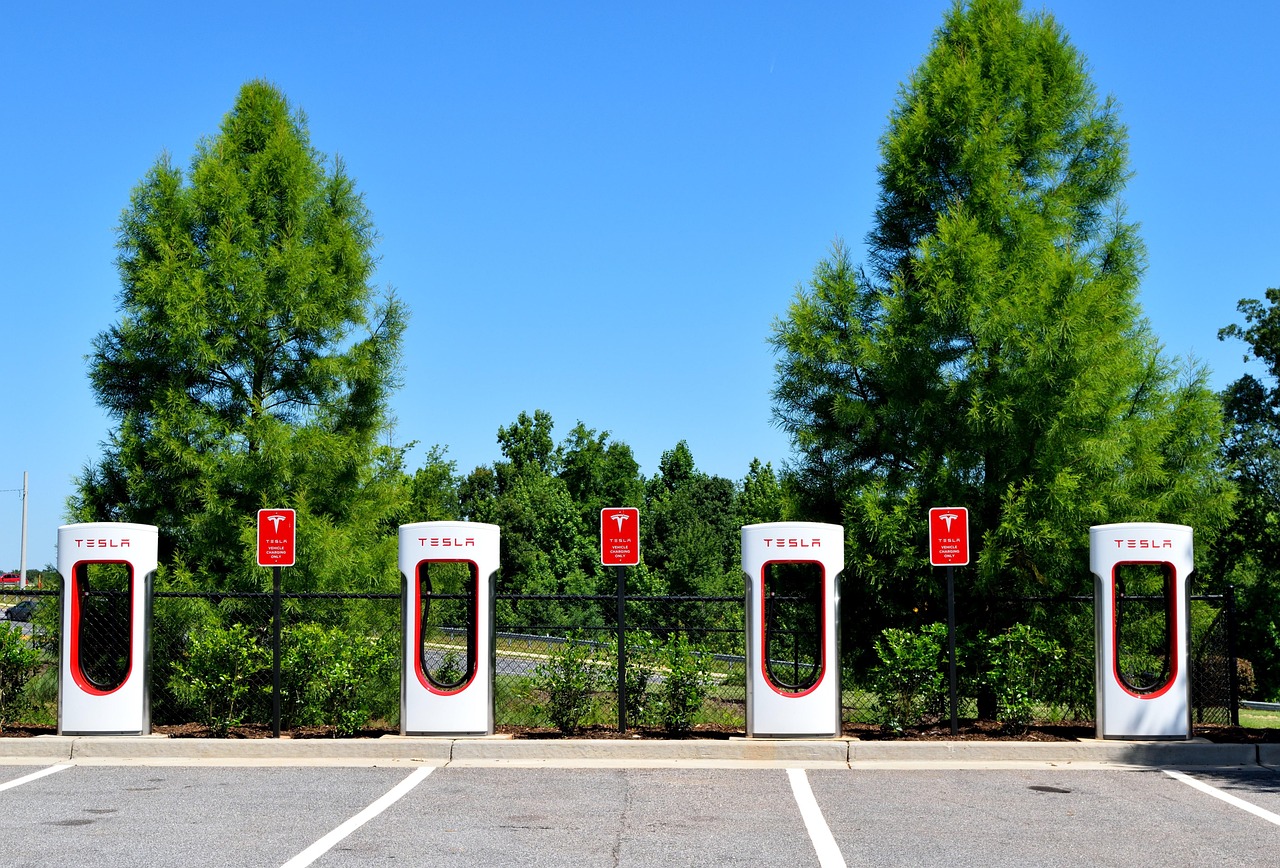
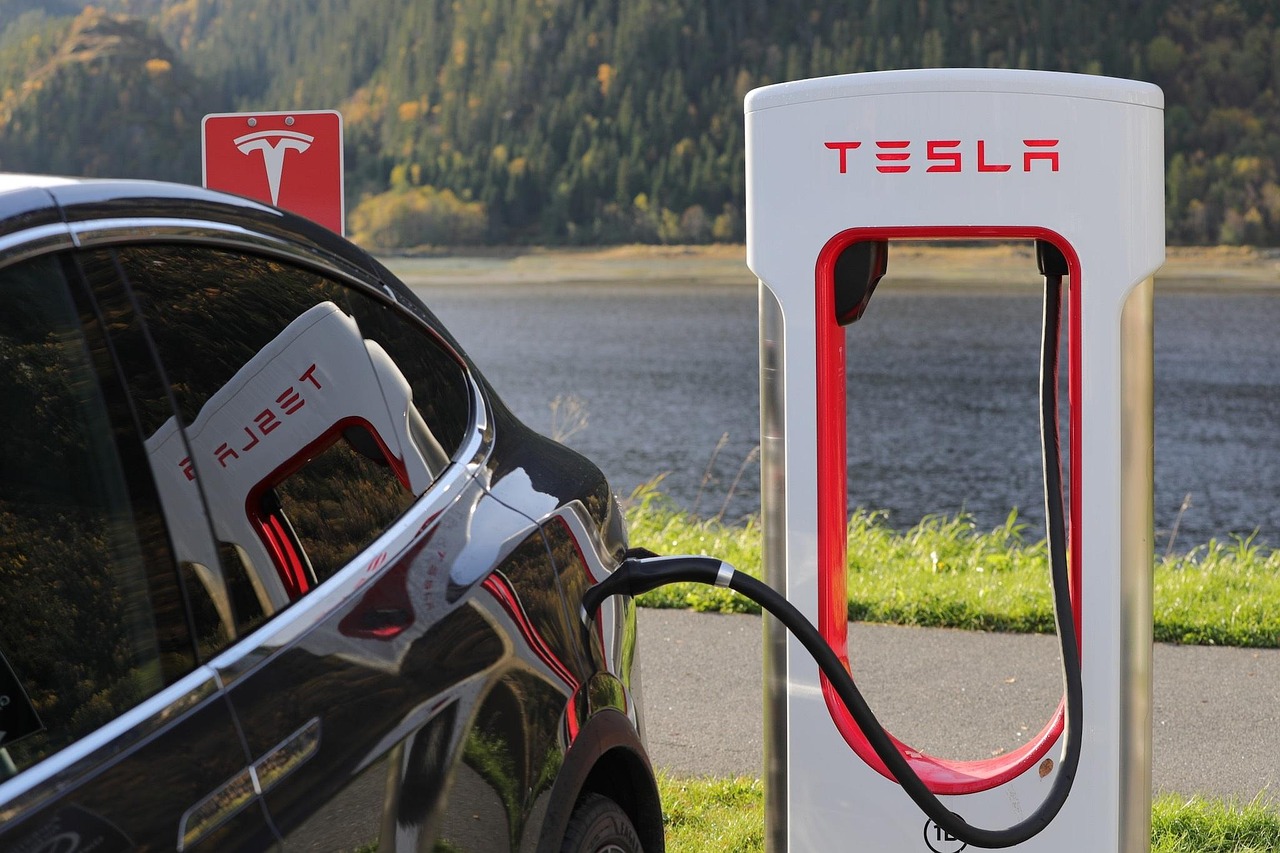
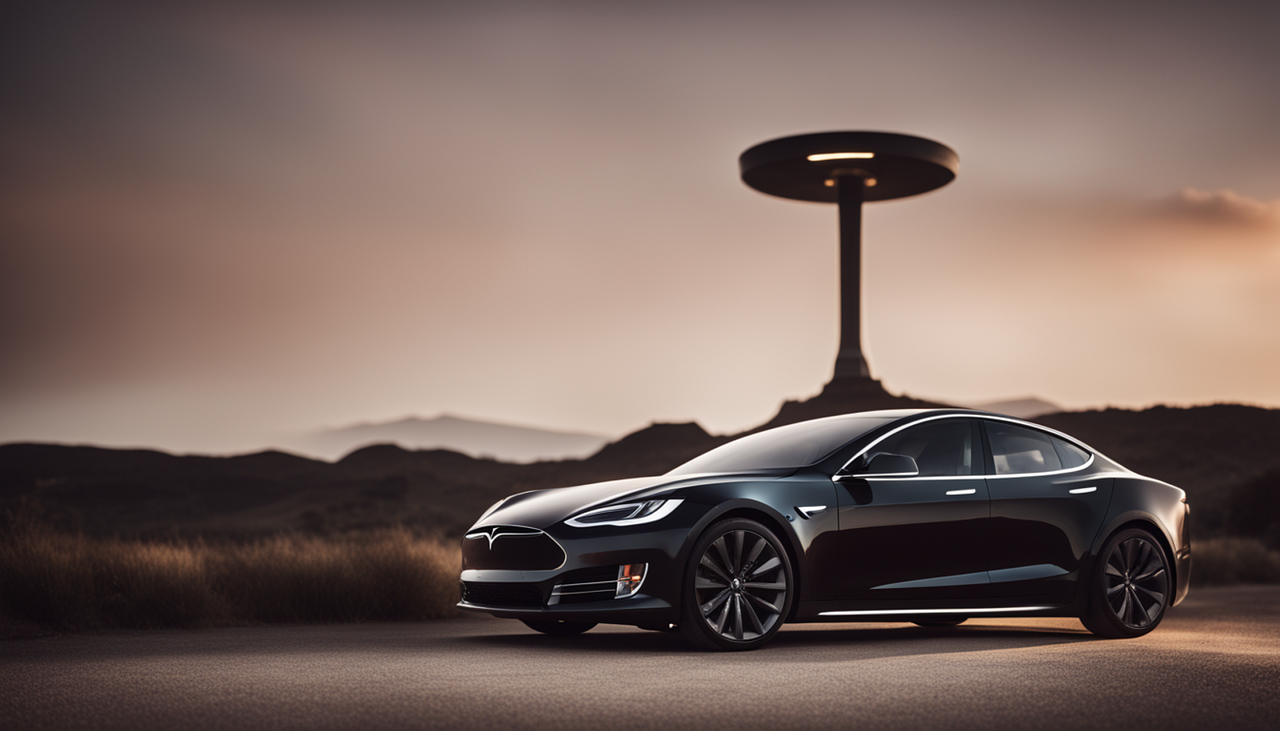
Tesla is often credited with pioneering the DTC model in the automotive industry. By cutting out dealerships, Tesla can maintain a consistent brand experience and pricing strategy across all markets. This approach has contributed to the company’s remarkable success and loyal customer base.
However, Tesla isn’t the only OEM exploring DTC sales. Other manufacturers, such as Rivian, Lucid Motors, and Fisker, are also adopting DTC models. Even traditional OEMs like General Motors, Ford, and Volkswagen are experimenting with online sales platforms to supplement their dealership networks.
Pros of DTC Models
- Price Transparency: DTC models often provide clear, upfront pricing, eliminating the need for haggling with dealerships.
- Streamlined Process: Online platforms simplify the buying process, allowing customers to configure and purchase vehicles quickly and efficiently.
- Consistent Brand Experience: OEMs can maintain a consistent brand image and messaging across all markets, enhancing the overall customer experience.
- Lower Costs: By cutting out dealerships, OEMs can reduce costs and pass the savings on to customers.
Cons of DTC Models
- Limited Test Drive Options: With DTC models, customers may not have the opportunity to test drive vehicles as easily, which can be a significant drawback.
- Limited Support: Without dealerships, customers may have limited access to support and maintenance services.
- Return Policy Concerns: DTC models often have strict return policies, which can be a concern for customers who are unsure about their purchase.
Dealer Models: The Traditional Approach
In a traditional dealer model, OEMs partner with independent dealerships to sell vehicles to consumers. Dealerships handle sales, marketing, and customer support, while OEMs focus on manufacturing and distributing vehicles.
Pros of Dealer Models
- Test Drive Options: Dealerships typically offer test drives, allowing customers to experience vehicles firsthand.
- Personalized Support: Dealerships provide personalized support and maintenance services, often building relationships with customers.
- Return Policy Flexibility: Dealerships may offer more flexible return policies, giving customers more options if they’re unhappy with their purchase.
Cons of Dealer Models
- Price Variability: Dealerships can negotiate prices, leading to variability and potential price disparities between locations.
- Haggling: Customers may need to haggle with dealerships to get the best price, which can be time-consuming and frustrating.
- Inconsistent Brand Experience: Dealerships may not always align with the OEM’s brand image and messaging, which can dilute the customer experience.
OEM DTC Strategies
- Tesla: Tesla is a pioneer of the DTC model, with a strong online presence and a network of company-owned stores.
- General Motors: GM is experimenting with online sales platforms, allowing customers to purchase vehicles directly from their website.
- Ford: Ford is partnering with dealerships to offer online sales, but also maintaining a strong online presence through its website.
- Volkswagen: VW is investing in digital sales platforms, allowing customers to configure and purchase vehicles online, with the option to complete the sale at a dealership.
What This Means for You
As the automotive industry continues to evolve, car buyers will have more options than ever before. When considering a vehicle purchase, it’s essential to weigh the pros and cons of DTC models versus traditional dealer models. Ask yourself:
- Do I value price transparency and a streamlined buying process?
- Am I comfortable purchasing a vehicle online without a test drive?
- Do I prioritize personalized support and maintenance services?
By understanding the differences between DTC and dealer models, you can make an informed decision that meets your needs and preferences. Remember, the automotive industry is constantly changing, and it’s essential to stay informed to get the best deal on your next vehicle purchase.



















Leave a Reply
You must be logged in to post a comment.